
Whether you’re building a raised bed from scratch or improving an existing one, filling it with the right combination of growth-boosting materials can make all the difference.
By carefully selecting and layering various components in your raised beds, you can create an environment packed with all the elements your plants need to thrive.
The key to a great raised bed is to create a growing medium that is packed full of nutrients and retains moisture without becoming waterlogged. Let’s take a look at some simple and cost-effective ways to fill a raised garden bed that will deliver fantastic results!
1. Pre-Mixed Raised Bed Soil

We’ll start with the simplest option – filling your raised beds with pre-mixed store-bought soil. This is widely available at garden centers and normally contains a blend of topsoil, compost, and other amendments that make them ideal for raised beds.
While this is the simplest option, large volumes of pre-mixed raised bed soil can be prohibitively expensive and difficult to transport.
2. DIY Soil Mix

A cheaper way to fill raised beds is to make your own soil mix, as the individual components are often sold at a far lower price.
Aim for equal volumes of good-quality topsoil and well-rotted organic compost, and add any of the soil amendments listed below to boost nutrients and improve drainage.
3. Lasagna Method
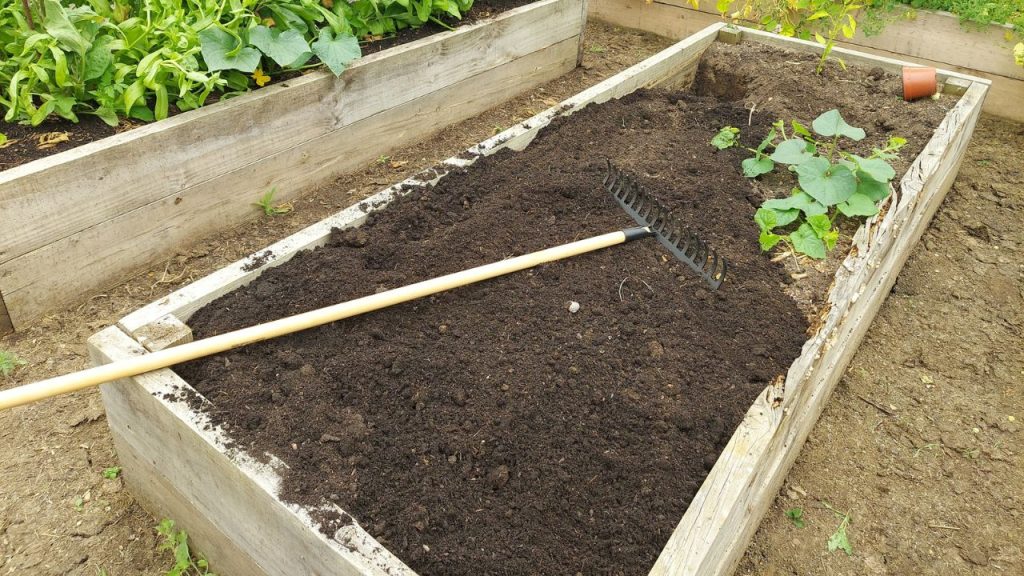
The lasagna method involves creating layers of organic materials that decompose over time to create nutrient-rich soil.
Start by laying cardboard or newspaper on the base of your raised bed to suppress weeds, then add alternating layers of ‘greens’ (grass clippings, kitchen scraps, garden weeds) and ‘browns’ (dried leaves, straw, shredded paper).
Finish by topping the lasagna with a layer of compost and your raised bed is ready for planting!
4. Garden Soil

Soil from your garden can be used to fill raised beds but should be mixed with compost to improve fertility and drainage.
Garden soil often contains a vast amount of weed seeds, so use a layer of cardboard on the surface topped with good-quality organic compost to prevent them from germinating.
5. Homemade Compost

Making compost takes time, but the result is a rich, nutrient-dense organic material that guarantees fantastic plant growth.
Mix kitchen scraps and garden waste in a pile or bin, turning regularly to speed up decomposition. When the mix resembles dark brown soil it is ready to use to top up your raised beds.
What is Compostable? All The Things You Can Compost
6. Straw Bale Method
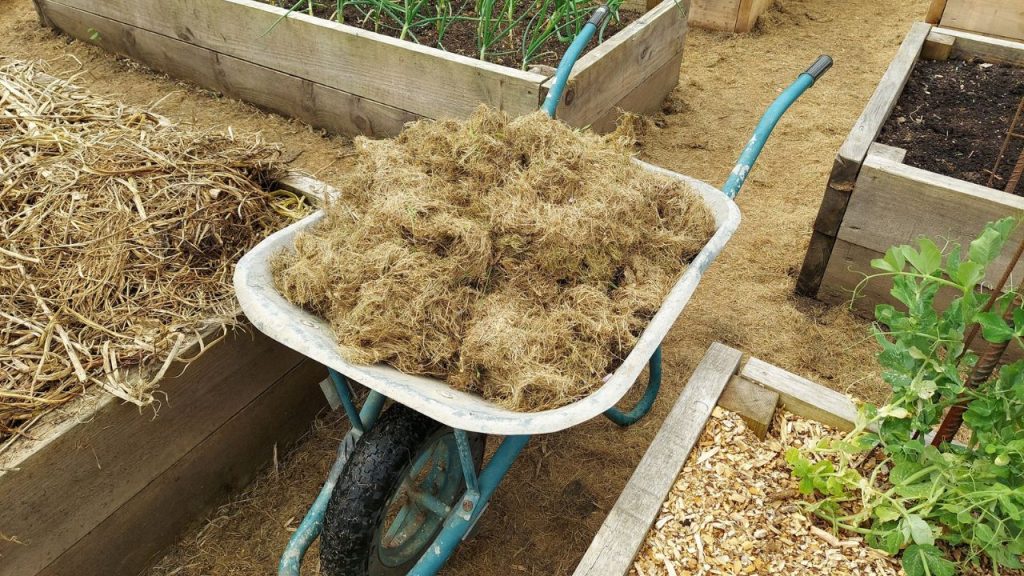
I love the straw bale method – it is simple, low-cost, and incredibly effective! Simply line the base of your raised bed with straw bales, using loose straw to fill in any gaps.
Water thoroughly to kick-start the decomposition process and top with compost before planting.
7. Composted Animal Manure
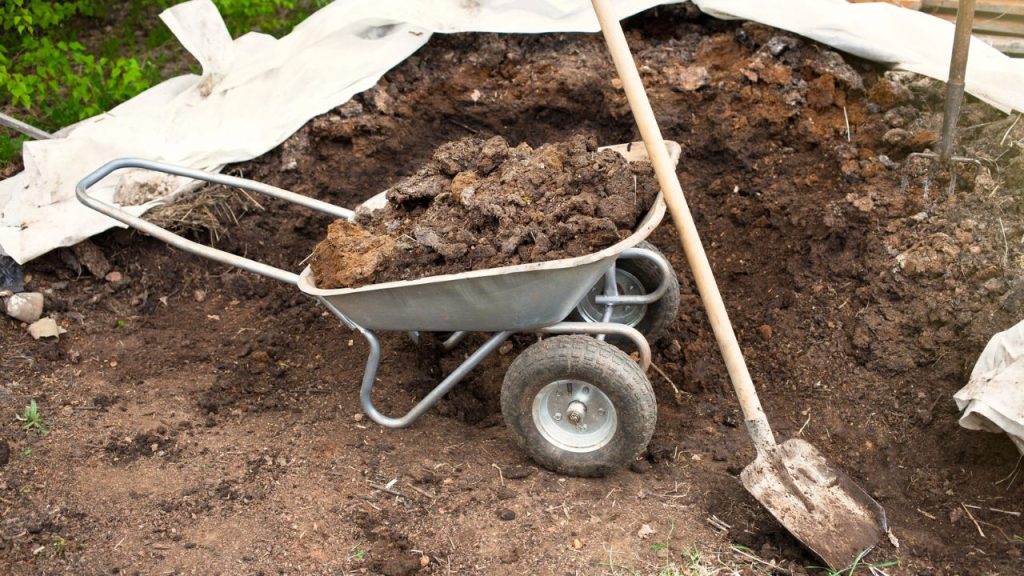
Animal manure, once it is completely decomposed, is a nutrient-rich growing medium that can be mixed with topsoil to fill raised beds.
Farmers and horse owners are a great source of low-cost manure, and – if you’re lucky – it may already be composted and ready to use. You can also buy animal manure at garden centers or online.
8. Biochar
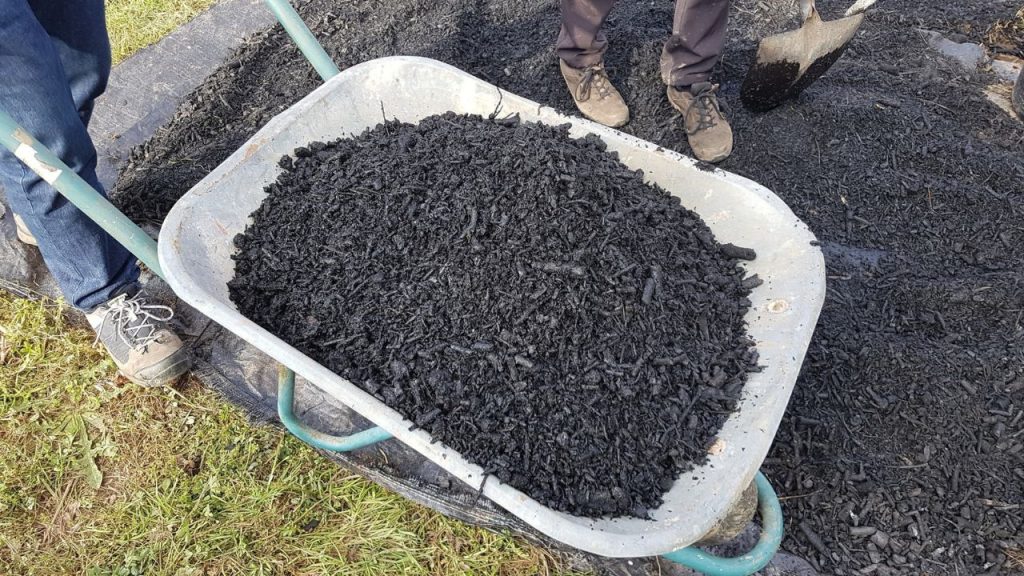
Biochar, a waste product made by burning woody material at high temperatures, is a great way to bulk out raised bed soil. This incredible substance will improve both drainage and moisture retention as well as boost microbial activity in the soil.
Biochar can be purchased online or from specialist manufacturers. You can even try making biochar using prunings from trees and bushes.
9. Vermiculite and Perlite

Have you ever spotted tiny white particles in the potting soil mix? This will be vermiculite or perlite, both of which can be mixed into raised bed soil at a ratio of up to 1:10 to improve aeration and drainage.
Purchase premium quality vermiculite or organic perlite today.
10. Coconut Coir

Coconut coir is a sustainable alternative to peat moss that boosts organic matter and improves moisture retention. Coconut coir is normally supplied in compressed blocks, which can be rehydrated and mixed with soil.
Related: Growing Plants with Coconut Coir
11. Worm Castings

Worm castings are packed full of nutrients and can help supercharge your raised bed soil mix. Worm Castings can be purchased online or from most garden stores. You could also set up a vermicompost system at home.
12. Leaf Mold

Leaf mold is the perfect addition to make soft, crumbly soil that holds water like a sponge. Collect fallen leaves in the fall and let them decompose thoroughly before adding them to your raised beds.
13. Recycled Potting Soil
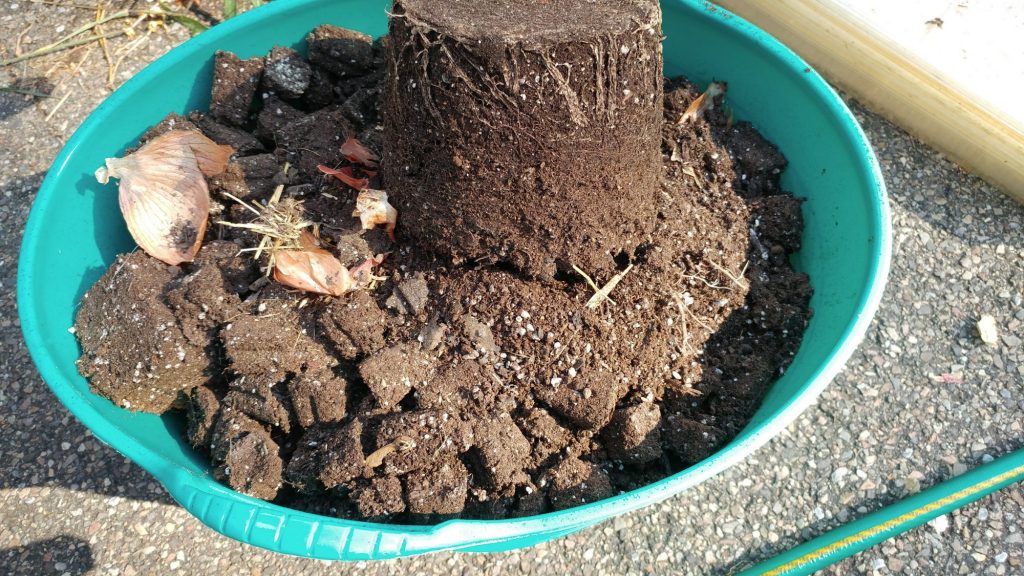
Emptying your pots and containers at the end of the growing season? Spent soil can be added to raised beds to revitalize and bulk out the soil mix.
14. Grass Clippings

Grass clippings can be added to raised beds in thin layers or mixed with the soil to increase the content of organic matter. Never add grass clippings in a thick layer as they can turn sludgy and inhibit plant growth as they decompose.
15. Wood Chips
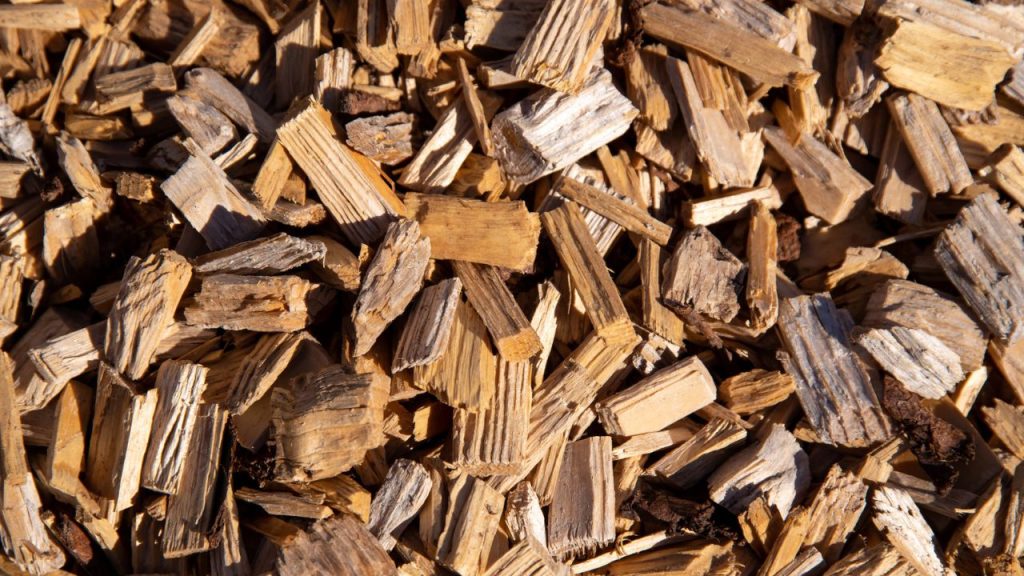
A layer of wood chips can be used as mulch around ornamental plants in raised beds, helping to retain moisture and suppress weeds whilst improving the quality of the soil beneath.
16. Rocks, Stones, and Gravel

Do you have large raised beds to fill? Place rocks and large stones at the base before topping up with compost to improve drainage, especially in areas with heavy clay soil.
Build Your Dream Garden with These 16 Easy DIY Raised Beds
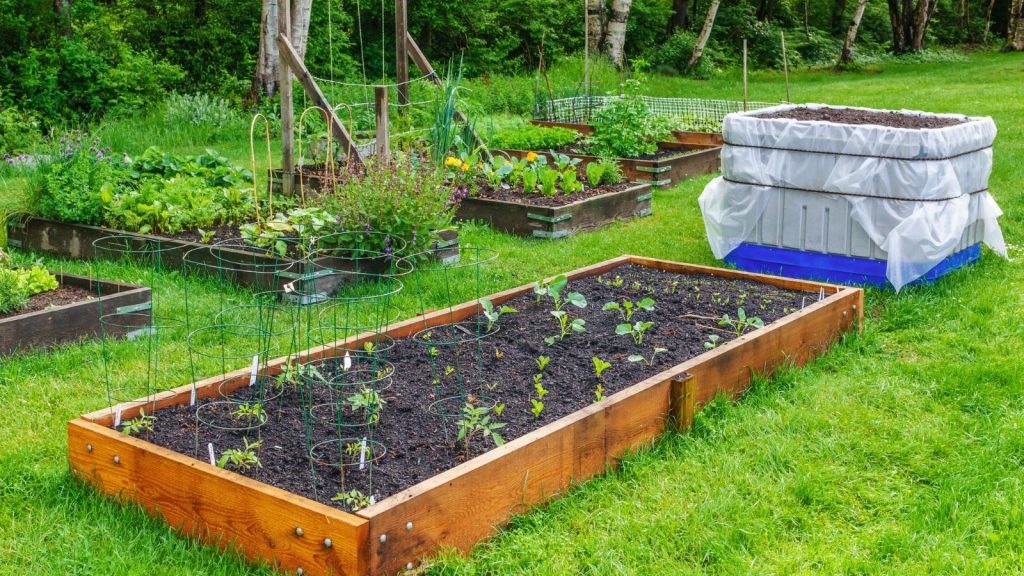
While pre-made raised beds can be expensive, building your own is a cost-effective alternative. With some basic materials and a bit of effort, you can construct your own raised beds at a fraction of the cost. Here are 16 DIY Raised garden bed projects to help you get started.
Build Your Dream Garden with These 16 Easy DIY Raised Beds
12 Natural Ways to Get Rid of Weeds in Your Garden

While we may tolerate certain weeds like dandelions, most gardeners aim to remove these undesired plants from their gardens—for good. To help you get rid of weeds in your garden, here are 12 natural methods to consider.
12 Natural Ways to Get Rid of Weeds in Your Garden

Kate Chalmers
Kate is a passionate gardener who has a keen interest in all things related to homesteading and sustainability. She resides in Portugal with her husband and menagerie of animals and has over 15 years of experience in the UK veterinary industry. In 2020, Kate and her husband took on a dilapidated Portuguese house and abandoned olive grove, turning it into an abundant food forest and home for nature.
Life on the homestead is never the same from one day to the next, and Kate has mastered many skills that she is keen to pass on to anyone with an interest in becoming more self-sufficient. Kate believes that living a sustainable lifestyle is the key to happiness and fulfillment and that everyone can make simple changes that connect us back to nature and reduce our impact on the planet.