A lush, green lawn takes more than just mowing and watering—it takes knowing what not to do. Many common lawn care habits can actually do more harm than good. Here are 15 things to avoid if you want your grass to stay healthy and thriving year-round.
Don’t Overwater

Too much water can lead to shallow roots, disease, and wasted nutrients. Only water when your lawn really needs it, and pay attention to rainfall so you don’t overdo it.
How to Water Your Garden The Right Way
Don’t Cut Your Grass Too Short

Scalping your lawn stresses the grass and makes it more prone to weeds and burnout. Stick to the one-third rule: never remove more than one-third of the blade in one mow.
Don’t Use Fertilizer Without a Soil Test

Guessing with fertilizer can cause more harm than good. Test your soil first so you know what it actually needs, and then fertilize accordingly, preferably with organic options.
My Soil Test Report and Where to Get Your Soil Tested
Don’t Spray Without Knowing the Problem

Applying herbicides or pesticides without identifying the issue can damage your lawn and harm helpful insects. Get a proper diagnosis before using any treatments.
Don’t Walk on Wet Grass
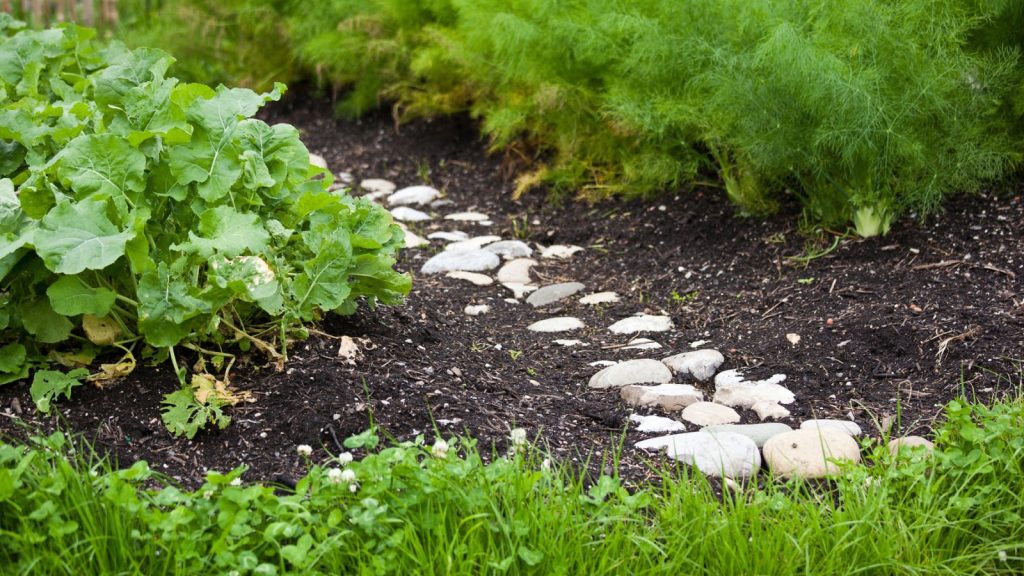
Stepping on wet grass compresses the soil and bends or breaks blades, leaving lasting damage. Let it dry out before walking or mowing.
Don’t Mow the Same Direction Every Time

Mowing in the same pattern can cause the grass to lean and compact the soil beneath. Change up your mowing direction regularly for a more even look.
Don’t Mow When It’s Wet

Wet grass tends to clump and tear rather than cut cleanly. It can also spread lawn diseases. Wait for dry conditions to get the best results.
Don’t Use Dull Mower Blades

Dull blades shred the grass, making it more vulnerable to disease. Sharpen your mower blades at least once a season to ensure clean cuts.
Don’t Ignore Thatch Buildup

A thick thatch layer blocks water, air, and nutrients from reaching the roots. If it builds up too much, dethatch your lawn to restore proper flow.
Don’t Remove More Than One-Third at a Time

Cutting too much at once can shock your lawn and weaken its root system. If it’s overgrown, mow in stages instead of all at once.
Don’t Water in the Heat of the Day

Midday watering causes rapid evaporation, meaning your grass won’t get the moisture it needs. Water early in the morning or later in the evening instead.
Don’t Leave Excess Clippings Behind

Grass clippings can be helpful, but too many can smother the lawn. Use a bag or rake up clumps if the grass is long or wet when mowed.
Don’t Fertilize in Extreme Weather

Applying fertilizer during a heatwave or cold snap can damage your grass. Stick to moderate conditions and use slow-release formulas when possible.
15 Natural Plant Fertilizers Made from Everyday Waste to Feed Your Garden
Don’t Plant Grass Seed Too Deep

Seeds planted too deep may never sprout. Lightly rake them into the soil surface so they get the sunlight and airflow they need to grow.
Don’t Overseed Without Prepping the Soil

Tossing grass seed onto bare spots won’t work without a little prep. Loosen the soil, clear debris, and add compost to help the seed take root.
Don’t Pile Mulch Against Tree Trunks
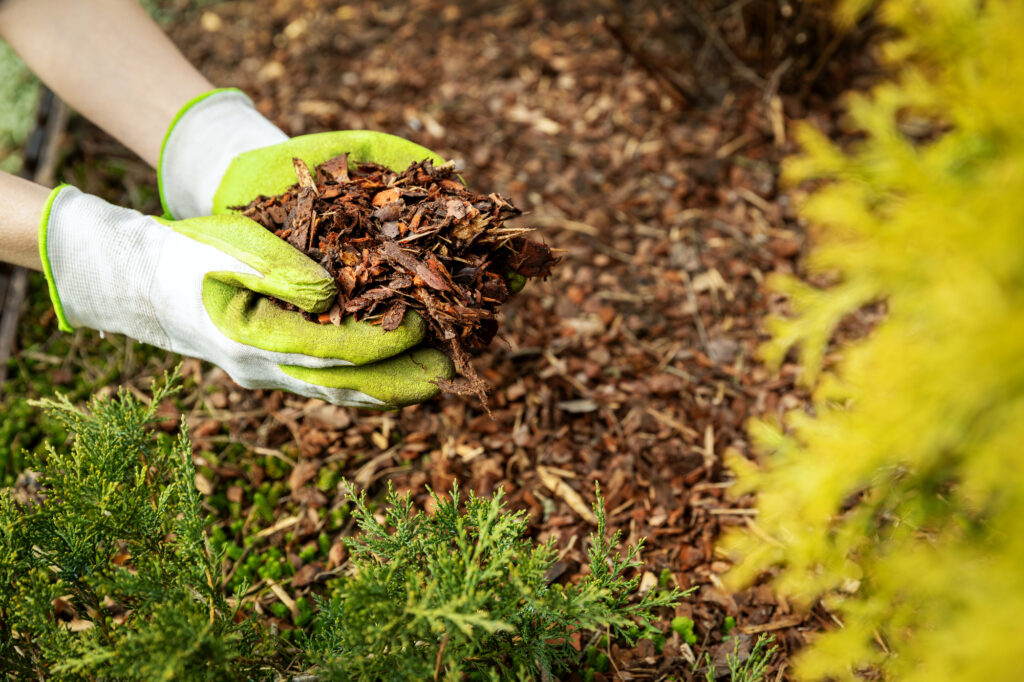
Too much mulch around trees can trap moisture and lead to rot or pest issues. Keep mulch 2–4 inches away from the base and spread it evenly.
How to Mulch a Vegetable Garden
12 Natural Ways to Get Rid of Weeds in Your Garden

While we may tolerate certain weeds like dandelions, most gardeners aim to remove these undesired plants from their gardens, for good. To help you get rid of weeds in your garden, here are 12 natural methods to consider.