Adding pink perennials to your garden is a simple way to bring in color that comes back year after year. Pink flowers can add a soft, welcoming touch to any outdoor space. With so many varieties to choose from, it’s easy to find a few that fit your style and growing conditions. Plus, these plants don’t just look nice—they’re reliable and easy to grow.
Here are 19 pink perennial plants you will love for your garden.
Bleeding Heart (Dicentra spectabilis)
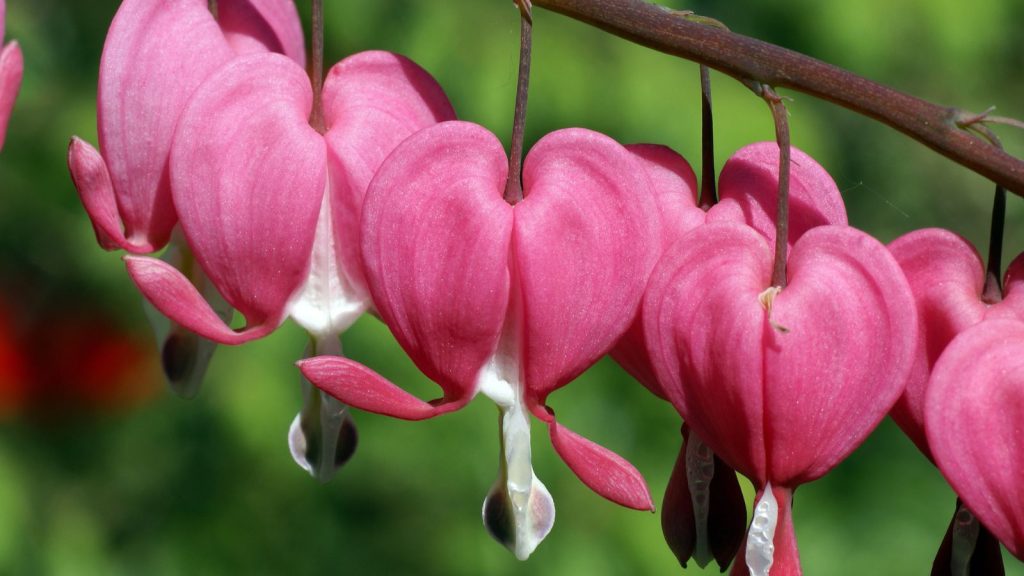
Bleeding Heart is known for its arching stems of pink, heart-shaped flowers in spring. It prefers rich, moist soil in partial to full shade. Deer-resistant and long-blooming. Hardy in zones 3–9.
Hydrangea (Hydrangea macrophylla)

Hydrangeas are known for their large, mophead blooms in shades of pink, blue, purple, and white. In zones 5–9, they grow well in partial shade with moist, well-drained soil. Pink flowers often develop in more alkaline soils, and regular watering keeps them vibrant from summer into fall.
How to Change Hydrangea Colors to Get the Shades You Want
Pink Amaryllis (Hippeastrum spp.)
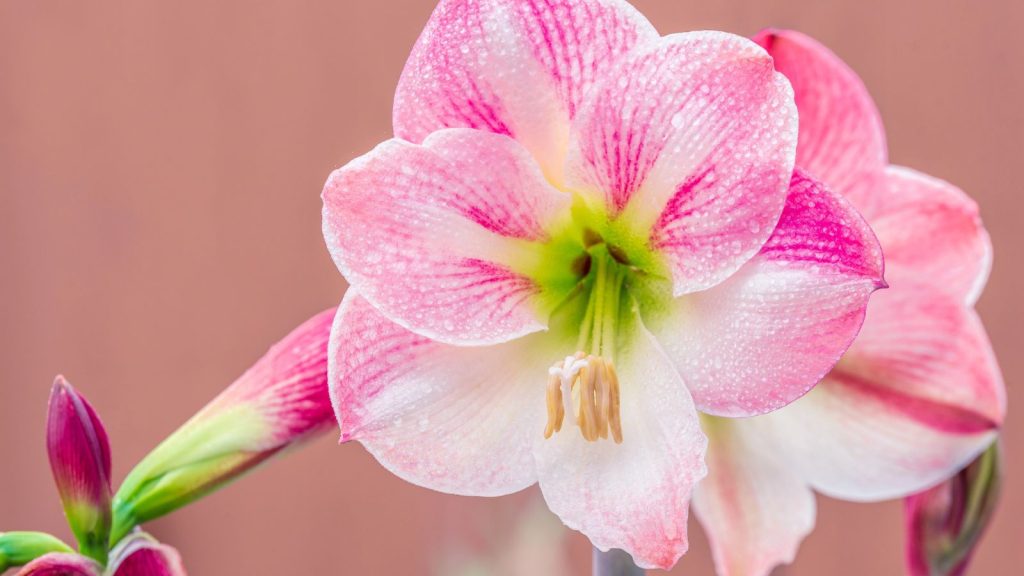
Pink Amaryllis is a stunning perennial bulb that produces large, trumpet-shaped blooms in shades of blush to deep pink. Amaryllis prefers bright, indirect light and well-drained soil. It typically blooms in late winter or early spring, with each sturdy stem producing multiple flowers.
Butterfly Bush (Buddleja Davidii)

This sun-loving shrub produces fragrant flower spikes that attract butterflies from midsummer through fall. Hardy in zones 5–9, it grows best in well-drained soil and can reach up to 10 feet tall. Pink varieties like ‘Pink Delight’ are especially eye-catching in pollinator gardens.
15 Flowering Shrubs That Will Paint Your Garden With Color
Coneflower (Echinacea purpurea)

A classic prairie plant,
Roses

Shrub roses are hardy, disease-resistant, and bloom from late spring until frost. Available in a range of colors including soft to vibrant pinks, they thrive in full sun and well-drained soil in zones 5–8. These long-blooming roses are perfect for adding dependable color.
Lilac (Syringa vulgaris)
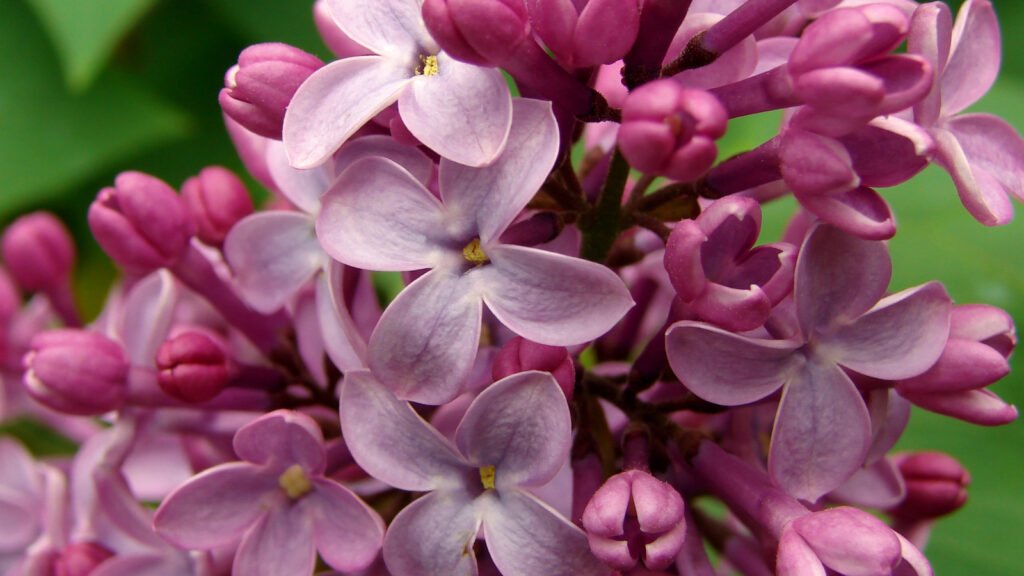
Famous for its fragrant spring blooms, lilac grows best in full sun and well-drained soil. Pink-flowered varieties such as ‘Beauty of Moscow’ and ‘Miss Canada’ offer a soft twist on the classic purple. Prune annually to encourage healthy flowering. Zones 3–7.
Camellia (Camellia japonica)
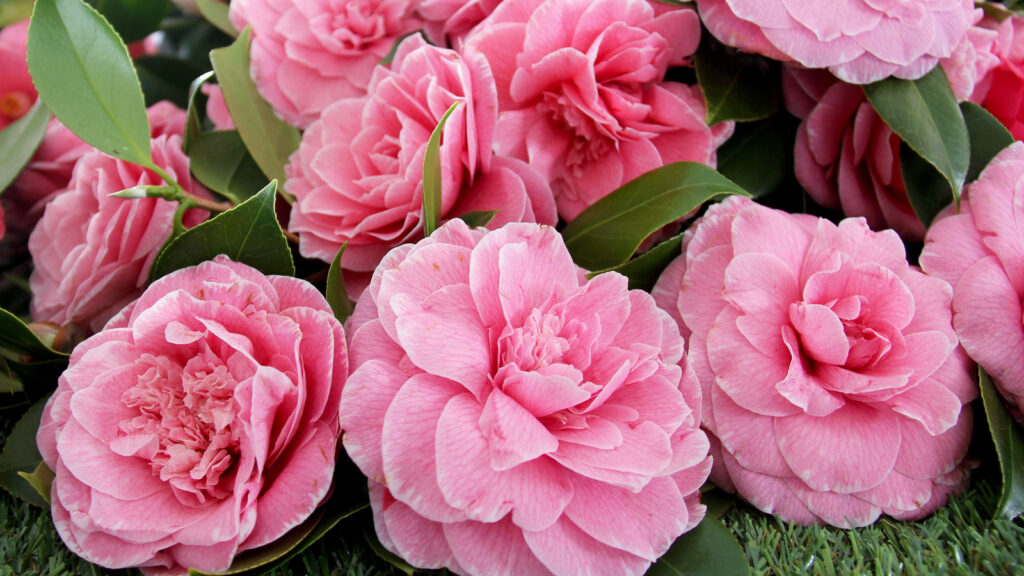
Camellias bloom in fall or winter, offering glossy evergreen foliage and rose-like flowers in pink, white, and red. They prefer partial shade and acidic, well-drained soil. Hardy in zones 7–9, they add color when little else is blooming.
Azalea (Rhododendron spp.)

Azaleas put on a gorgeous display in spring with bright pink blooms and sometimes evergreen foliage. They enjoy slightly acidic, well-drained soil and grow well in partial shade or filtered sunlight. Hardy in zones 6–9, depending on the variety.
Hybrid Astilbe

Astilbes light up shady spots with plume-like flowers in pink, red, or white. Their fern-like foliage stays attractive even after blooming. They thrive in moist, rich soil and partial shade. Zones 4–9.
Peonies (Paeonia lactiflora)

Peonies produce lush, fragrant flowers in late spring to early summer in shades of pink, white, red, and yellow. They’re long-lived, deer-resistant, and love rich, well-drained soil in full sun. Best in zones 3–8.
Lungwort (Pulmonaria)
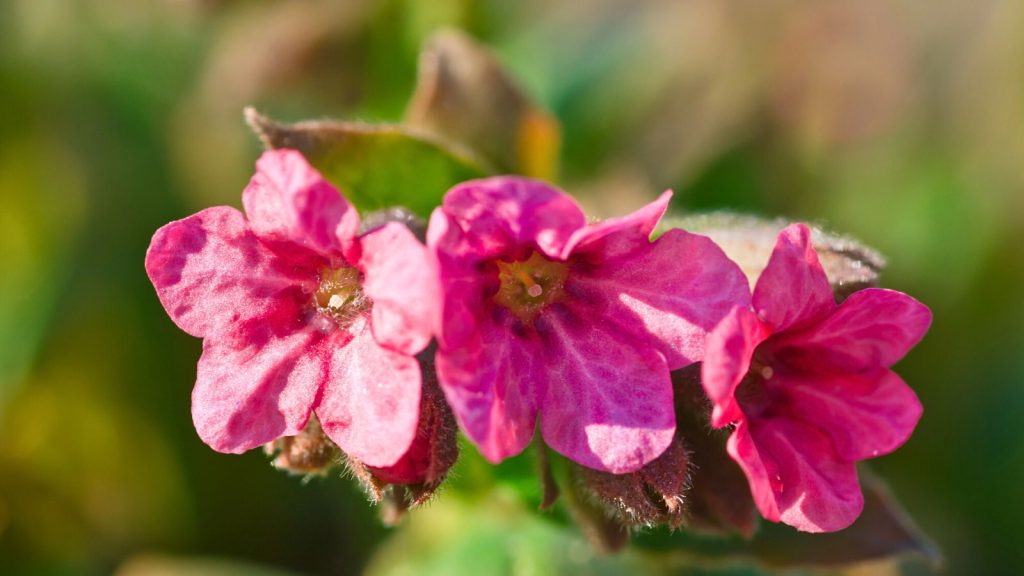
Lungwort blooms in early spring with small flowers that shift from pink to blue as they mature. Its fuzzy, speckled leaves deter deer and thrive in shady areas. Great for woodland gardens. Zones 3–8.
Penstemon (Penstemon digitalis)

This deer-resistant perennial produces tubular flowers in pink, purple, or white that attract hummingbirds and bees. It grows in full sun to partial shade and tolerates a range of soils. Hardy in zones 3–9.
Hardy Begonia (Begonia grandis)

This shade-loving perennial adds color with delicate pink blooms and heart-shaped leaves. It prefers moist, rich, well-drained soil and grows best in zones 6–9. A great choice for lighting up darker corners of the garden.
Turtlehead (Chelone obliqua)

Named for its unique flower shape, Turtlehead features pink or white blooms from late summer into fall. It loves moist, shady areas and pairs well with other woodland perennials. Grows best in zones 3–8.
Weigela (Weigela Florida)

This flowering shrub bursts with funnel-shaped blooms in pink, red, or white in late spring, with a possible second bloom if pruned. It thrives in full sun and attracts hummingbirds and pollinators. Zones 4–8.
Phlox (Phlox paniculata)

Garden phlox blooms in clusters of sweetly scented flowers in pink, white, purple, or red. It attracts pollinators and thrives in full sun with rich, moist soil. A reliable bloomer in zones 4–8.
Milkweed (Asclepias incarnata)
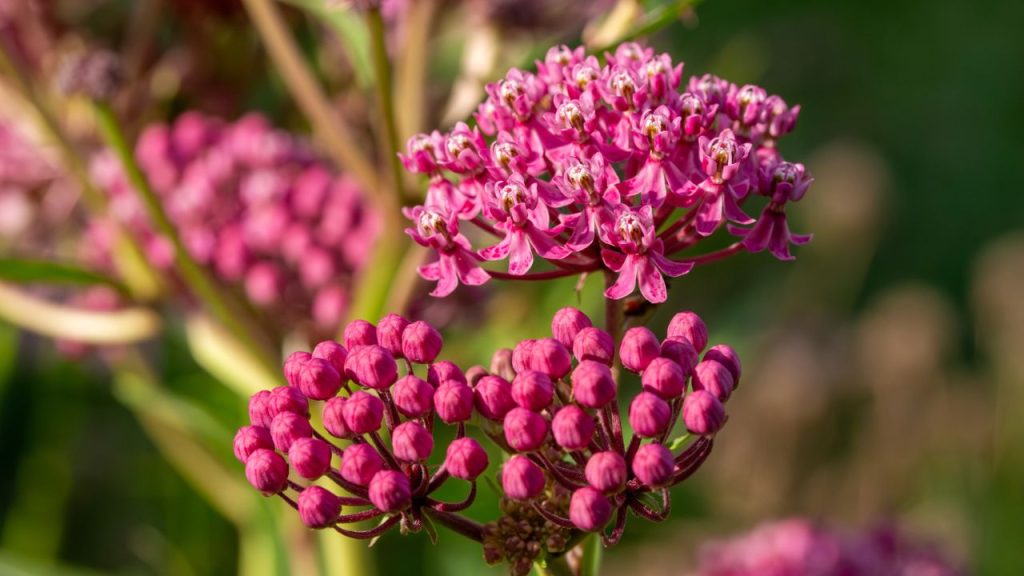
Milkweed is essential for monarch butterflies, serving as a nursery and food source for their larvae. The plant’s flowers also offer nectar to adult butterflies, making it an essential component of a butterfly-friendly garden.
Foamflower (Tiarella spp.)
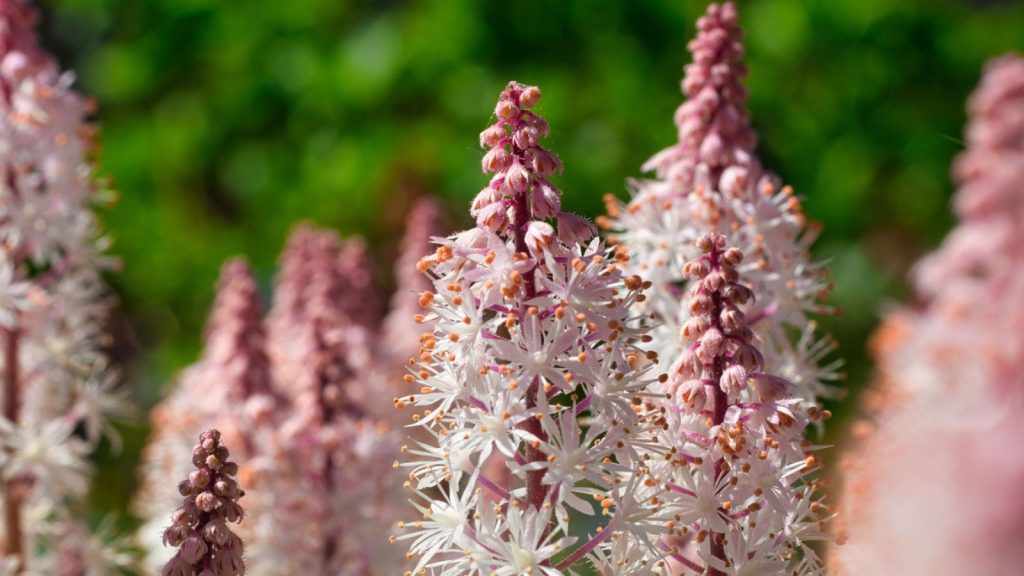
Foamflower is a charming woodland plant with delicate, airy blooms in shades of white or soft pink. Its attractive, lobed foliage remains lush throughout the growing season, providing texture to shade gardens. Hardy in Zones 3-9, foamflower thrives in moist, well-drained soil and pairs beautifully with hostas and ferns.