While most flowers bloom early in the day and rest as the day ends, some plants come alive under the moonlight, releasing sweet scents and glowing gently under the stars. Here are 15 of such stunning plants that bring your garden to life after dusk.
1. Evening Stock (Matthiola longipetala)

Evening stock is an easygoing flower made for nighttime gardens. Its dainty blooms stay closed during the day, then open in the evening to release a sweet, moth-attracting fragrance. The soft, woolly green leaves add to its charm.
Flowers typically appear in shades of white, pink, or lilac, with some mixes of
2. Gardenia (Gardenia jasminoides)

Gardenias are easily recognized for their sweet, jasmine-like scent. They also produce elegant, star-shaped flowers in creamy white or soft yellow colors. At night, their fragrance intensifies, drawing in pollinators and adding a romantic touch to your garden.
They’re relatively low-maintenance. You simply need to prune occasionally and apply mulch to keep weeds under control. Gardenias prefer consistent, light watering to avoid root rot, at least six hours of sunlight daily, and some shade during the hottest part of the day. They grow best in USDA zones 7 through 11.
3. Four O’Clock Flower (Mirabilis jalapa)
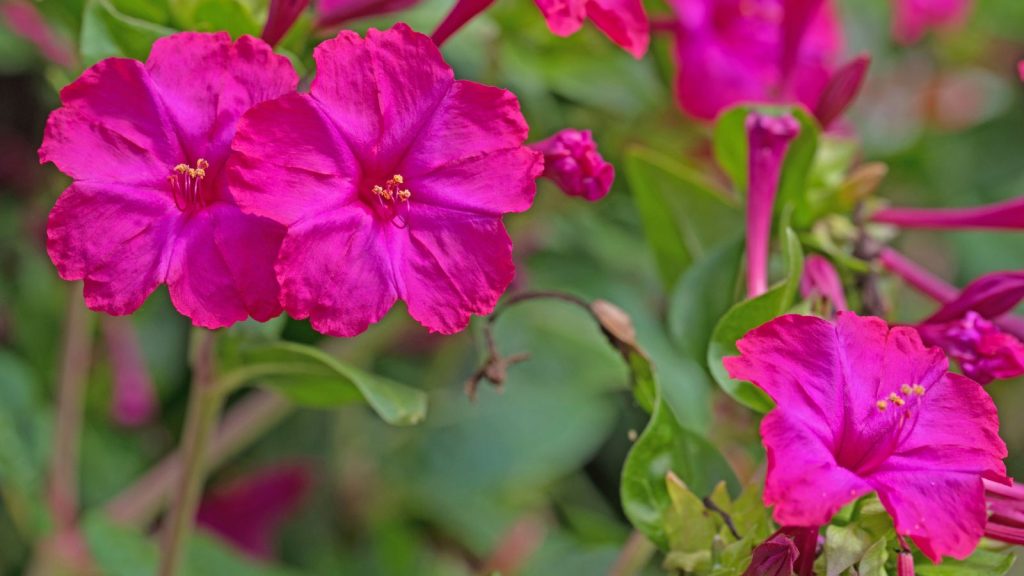
Many gardeners find four o’clock flowers appealing because of their striking, trumpet-shaped petals. The flowers bloom late in the afternoon through the evening and could be white, red, yellow, pink, or a combination of colors.
Their scent is reminiscent of tobacco flowers, and they thrive in full sun with moist, well-drained, humus-rich soil. They thrive in USDA zones 9-11.
4. Night Phlox (Zaluzianskya capensis)

Your garden isn’t complete without night phlox’s small, starry white flowers. During the day, the plant is mostly inactive, but at night, it releases its delicate fragrance and blooms.
Night phlox thrives in USDA zones 9-11, growing in well-drained soil and requiring full sun to partial shade. It’s also low-maintenance and drought-tolerant, making it an ideal choice for beginners to grow.
5. Tuberose (Polianthes tuberosa)

Tuberose is a tender perennial tolerant of hot climates. They produce clustered, waxy white blossoms that exude a rich, sweet fragrance after dark. They usually do well when grown in fertile, and well-drained soil in USDA zones 7-11. However, they might struggle in frosty climates.
6. Night-Blooming Jasmine (Cestrum nocturnum)
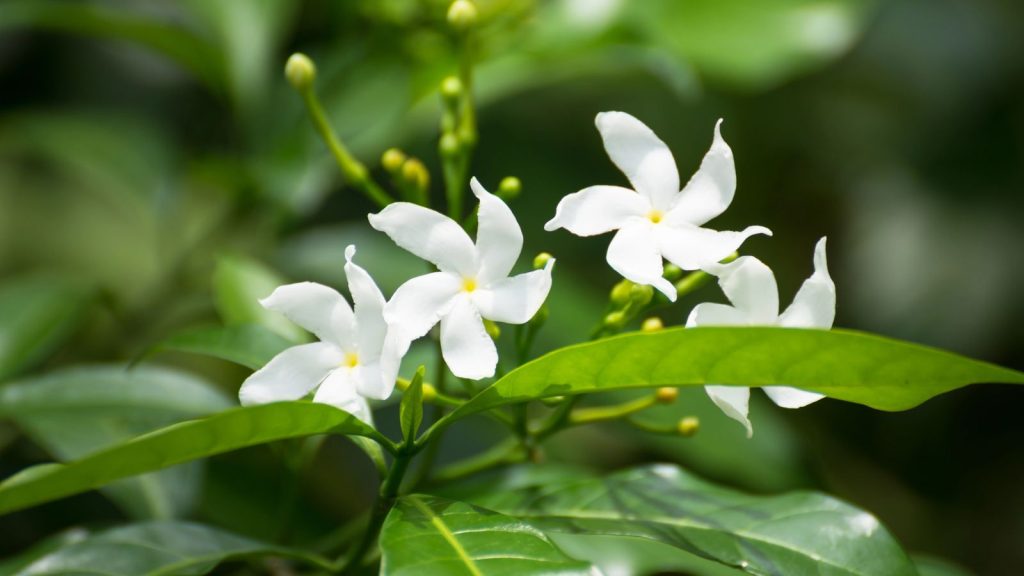
Night-blooming jasmine is an intensely scented plant renowned for its star-shaped, creamy-white flowers, which open at night. This popular garden plant is an evergreen shrub perfect for USDA zones 8-11. They typically require full sunlight or partial shade and a well-draining, fertile soil.
7. Nocturnum Orchid (Epidendrum nocturnum)

Often called the night-scented orchid, the nocturnum orchid releases a delicate, sweet fragrance after sunset. It’s not to be confused with Bulbophyllum nocturnum, a much rarer species that blooms briefly and is typically found in high-humidity rainforests. Unlike Epidendrum nocturnum, Bulbophyllum nocturnum is not widely cultivated and is primarily studied in botanical research.
Its narrow, white-green blooms open at night and can appear unexpectedly along thin stems throughout the year, especially after rain. It prefers filtered light and consistently moist, well-draining soil. Grow it in USDA zones 9–11, and protect it from cold drafts or intense afternoon sun.
8. Angel’s Trumpet (Brugmansia)

If you live in a warm climate, like USDA zones 8 to 1, Angel’s trumpet is a must-have in your garden. It features large, dramatic, pendulous blooms in shades of cream, yellow, orange, pink, or white, which release a powerful fragrance at night.
They bloom during the summertime and prefer moist, well-drained soil and full sun to partial shade. However, note that this plant can be harmful to pets when ingested.
9. Mock Orange (Philadelphus coronarius)

Mock orange is a deciduous shrub with four white petals and a bunch of yellow stamens in the middle. Some varieties may have double flowers among thick, green foliage.
Their sweet, buttery fragrance is especially noticeable in the evening and attracts all the right garden guests. It thrives in full sun with well-drained soil and performs well in USDA zones 3–8, depending on the cultivar.
10. Queen of the Night Cactus (Epiphyllum oxypetalum)

Queen of the night cactus is a non-invasive plant that can be grown indoors or outdoors. This dramatic cactus blooms only at night, producing large, star-shaped white flowers.
Their vanilla-like scent becomes more prominent in the evening when flowers start to bloom and attract moths. They typically grow in USDA zones 10-11 in shaded areas.
11. Casa Blanca Lily (Lilium ‘Casa Blanca’)

This lily plant is graceful during the evening. It has big, white, fragrant flowers that can be wide and curved. They have red or orange-colored anthers, which create a striking contrast with the petals.
The Casa Blanca lily is a low-maintenance plant that thrives in fertile, well-drained soil. It also needs regular watering and staking to keep the stalk firmly in place. It’s best to grow them in USDA zones 4-9.
12. Evening Primrose (Oenothera biennis)

As dusk falls, the evening primrose opens its four-petaled yellow blooms to release a fragrance that can attract insects, such as moths. Usually, they prefer sunlight but can thrive in partial shade. They typically thrive in USDA zones 4-9 and need well-drained soil to prevent root rot and diseases.
13. Chocolate Daisy (Berlandiera lyrata)

Chocolate daisy is a top contender for the best night-blooming flowers. The Southwest American native opens in the early evening and releases a warm, chocolatey fragrance that intensifies overnight, earning its name. Its golden-yellow daisy-like blooms stand out under moonlight, and they attract nocturnal pollinators like moths.
The chocolate daisy thrives in well-drained, slightly dry soil and full sun, making it an ideal choice for drought-tolerant gardens. It’s best suited for USDA zones 4–9, is low-maintenance, and deer-resistant.
14. Moonflower (Ipomoea alba)

Moonflower is a radiant plant that attracts pollinators, such as bats and hawk moths. This classic night-bloomer unfurls to reveal large trumpet flowers at dusk, usually in white or pale shades that glow in moonlight. They have a sweet fragrance that will leave your garden aromatic. They can grow in USDA zones 9-12 as a perennial.
15. Luminescent Lobelia (Lobelia erinus)

While lobelia doesn’t actually glow or bloom only at night, it deserves a spot on this list for how it glows under the moon. Its delicate blooms, ranging from deep blue and violet to soft pink and white, catch and reflect moonlight, creating a soft, shimmering effect.
They are mostly grown as ground covers, in containers, or hanging baskets. They thrive in 9-11 zones and require pruning to encourage more blooms. For the best effect, pair it with path lighting or place it near light-colored stones that reflect moonlight.