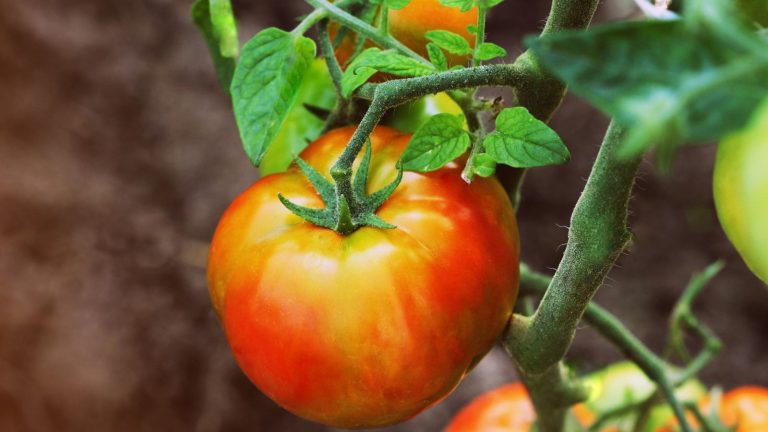


Tomatoes are a favorite in many home gardens, but their success often depends on what’s growing nearby. Some plants can steal nutrients, spread disease, attract the same pests, or even release chemicals into the soil that harm tomato growth. These are known as anti-companion plants.
If your tomato plants have been struggling, one of these nearby neighbors might be the reason. Here’s a list of 14 plants that should never be grown next to your tomatoes.
1. Corn
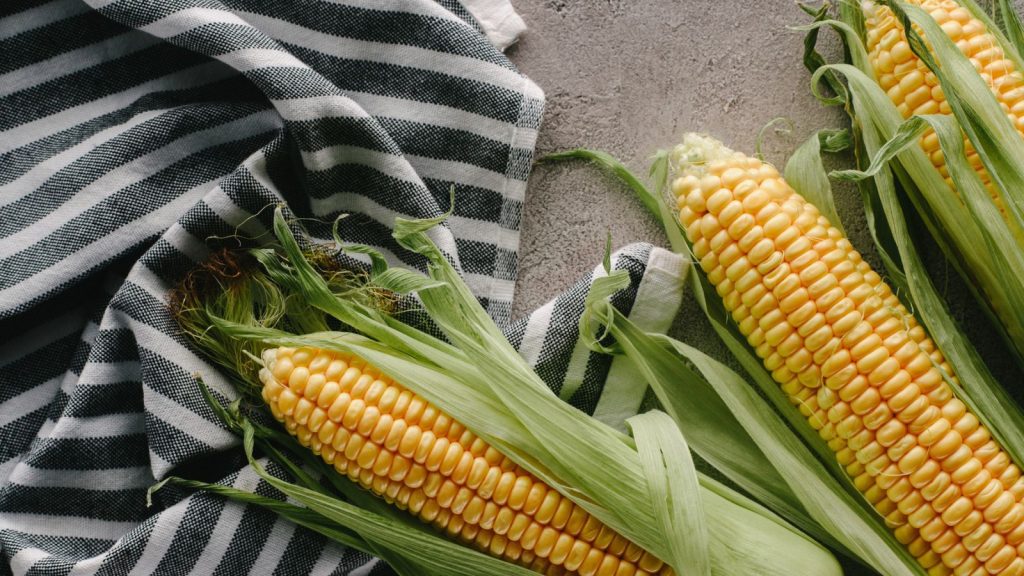
Corn is one of the worst plants you can ever think of growing near tomatoes. Both crops don’t mix well because they attract the same destructive pest — the tomato fruitworm, which is also known as the corn earworm.
Growing them together is like offering them a buffet to feast on, making pest control much harder. Also, corn grows tall, which can shade your tomato plants and block the sunlight they need to ripen properly.
2. Potatoes

Although it might be tempting to grow both tomatoes and potatoes together since they’re both popular staples, they’re both members of the nightshade family, and that’s not a good thing. Soil-borne diseases, such as blight, which thrive in warm, humid conditions, can spread easily between tomatoes and potatoes, wiping out both crops in a matter of days.
Plus, they both compete heavily for nutrients, which can weaken both crops over time. It’s safer to give each their own space and keep them far apart.
3. Fennel
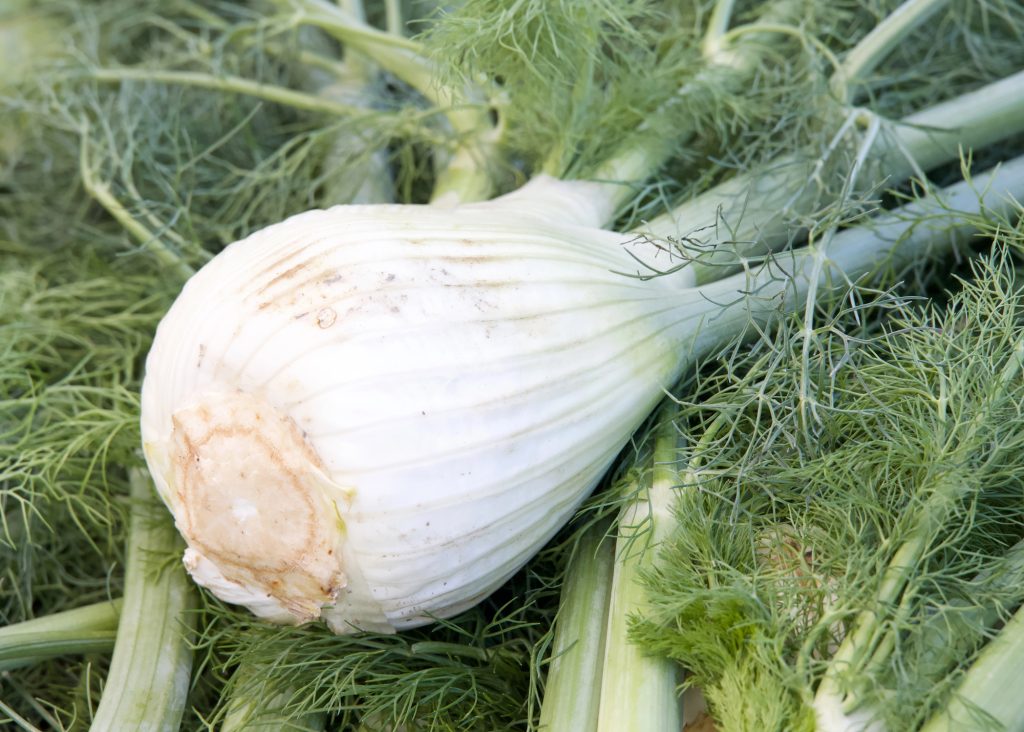
Fennel is a useful and fragrant herb, but it can be troublesome when planted next to tomatoes. It has allelopathic properties, which means it releases chemicals into the soil that can stunt or completely stop the growth of nearby plants.
Tomatoes are especially sensitive to this, often showing signs of slow growth or wilting when planted too close to fennel. It’s best to let fennel grow alone in a container or an isolated spot in the garden.
Related: 15 Plants That Can Peacefully Coexist with Fennel
4. Brassicas

Brassicas, a plant family that includes cabbage, broccoli, cauliflower, kale, Brussels sprouts, kohlrabi, and mustard greens, are also poor neighbors for tomatoes. These vegetables are heavy feeders, meaning they extract a significant amount of nutrients from the soil. Since tomatoes also need a lot of nutrients to produce healthy fruit, when grown too close, the two crops end up in direct competition. The result is stunted tomatoes, yellowing leaves, and reduced yields.
Plus, brassicas attract pests like aphids and flea beetles, which can easily transfer to tomato plants if they’re nearby. It’s also worth noting that many brassicas grow tall and wide, which can shade out your tomatoes and deprive them of the full sun they need to thrive.
5. Dill
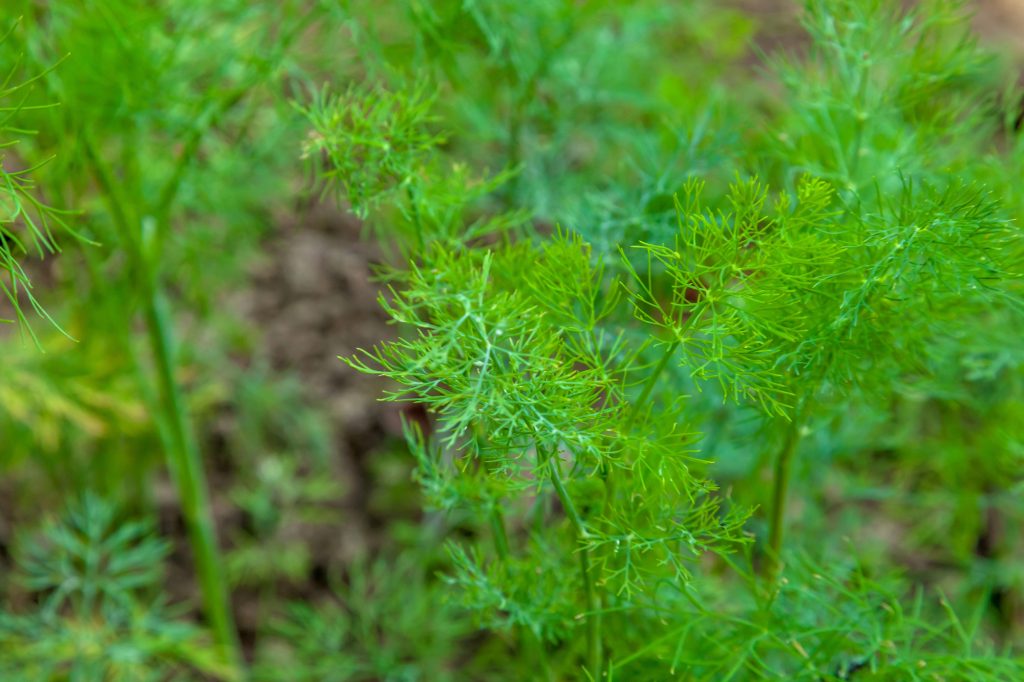
Dill is a bit more complicated to categorise as an anti-companion or companion plant. Young
Mature
6. Beets

Beets don’t look like they harm tomatoes above ground, but there’s an entirely different story happening underground. They compete below the surface for nutrients, especially potassium and phosphorus. These are key minerals tomatoes need for flowering and fruiting.
Too many root crops like
Related: 22 Brilliant Beet Recipes That Can’t Be Beat
7. Okra
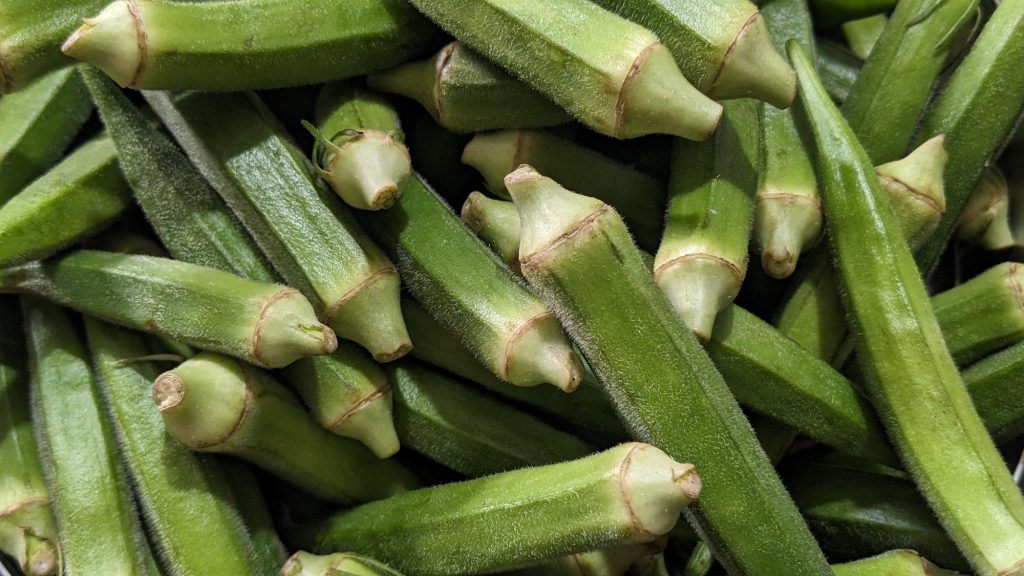
Tomatoes love the sun. In fact, they need at least 6–8 hours of full sun a day to ripen their fruit, and too much shade can delay or even stop fruiting altogether. Tall crops, such as okra, spell trouble for tomatoes because they can shade them out.
If you do grow both, plant your okra on the north side of your tomato patch to prevent it from blocking the light.
8. Black Walnuts
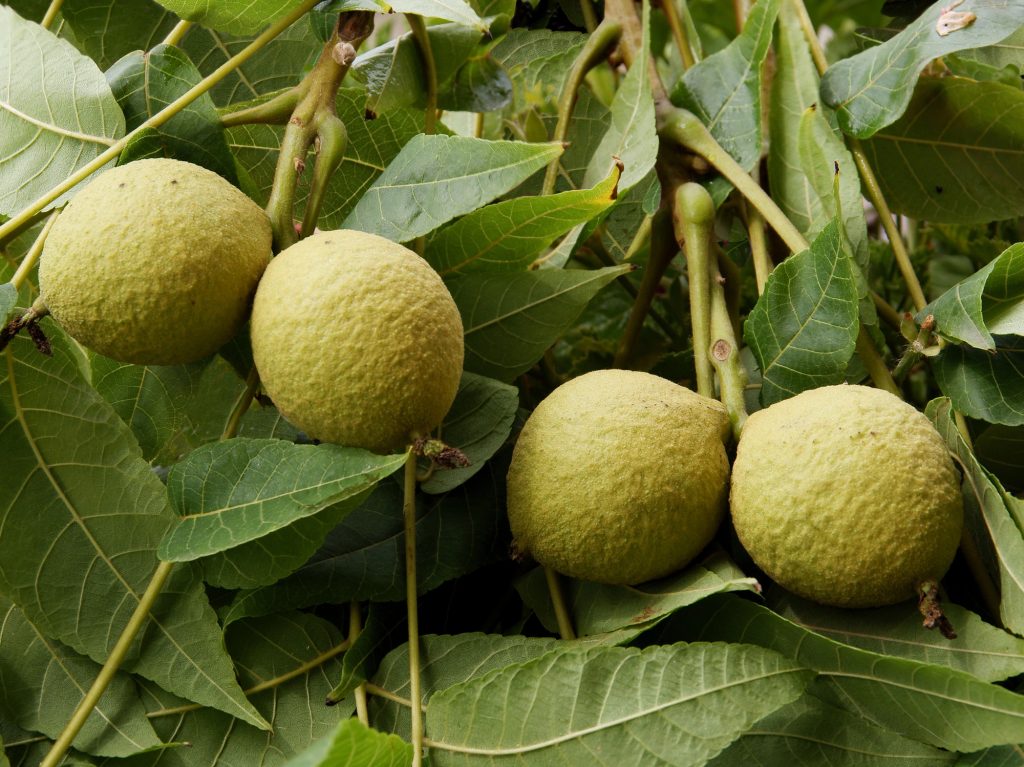
The black walnut tree produces a chemical called juglone from its roots and leaves that’s toxic to many plants, including tomatoes. If tomatoes are planted anywhere near a black walnut, the effects can be devastating, including yellowing leaves, stunted growth, and eventual plant death.
Even if the tree isn’t in your garden, its fallen leaves or roots can spread the chemical over time. To stay safe, don’t plant tomatoes anywhere within 30–50 feet of a black walnut.
The Best Companion Plants for Black Walnut Trees
9. Rosemary
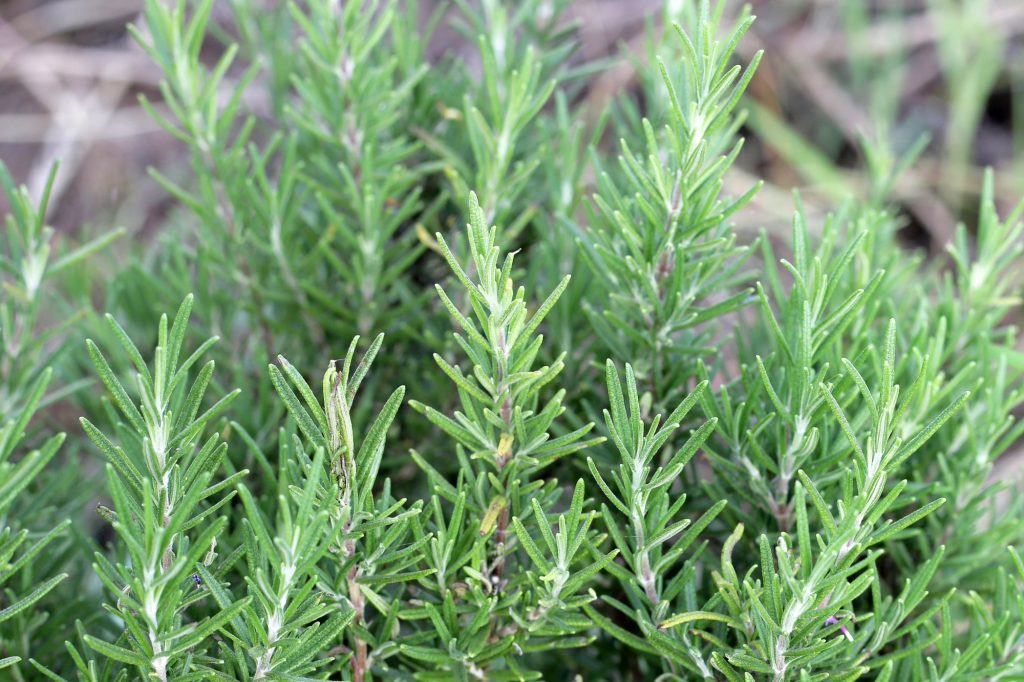
Rosemary is not a threat to tomatoes in any way. It just has very different growing needs. Rosemary thrives in dry, sandy soil and requires minimal water, whereas tomatoes prefer rich, moist, well-drained soil and consistent watering.
Trying to grow them together means one plant’s needs won’t be met. Either the rosemary gets overwatered, or the tomato ends up too dry. You’re better off planting rosemary in a pot or raised herb bed, well away from your juicy tomatoes.
10. Cucumbers

Both tomatoes and cucumbers love the sun and warm soil, but they have very different watering needs. If you water cucumbers excessively, you risk overwatering the tomatoes, which can lead to root rot or splitting fruit.
Plus, both plants are heavy feeders, and cucumbers tend to sprawl and grow fast, which can shade your tomatoes or tangle with their stems if you’re not careful.
What It Means When Cucumber Leaves Start Turning Yellow
11. Turnips
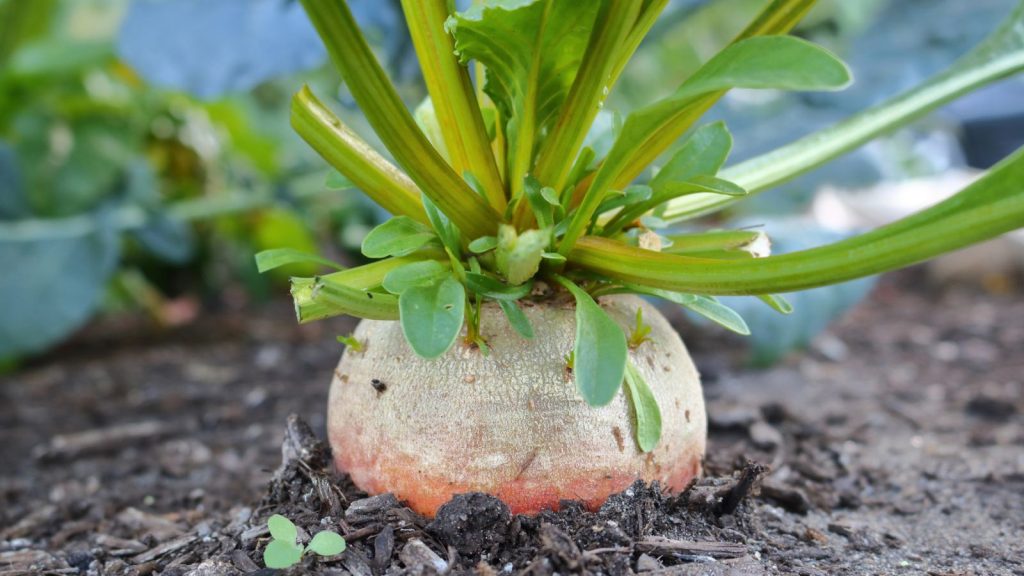
Root crops such as turnips take up underground space that tomatoes need to spread their roots, limiting their access to nutrients. Overcrowding can lead to stressed roots and poor fruit development. Turnips are also cooler-weather crops, which is not ideal for warm-season crops like tomatoes.
12. Strawberries
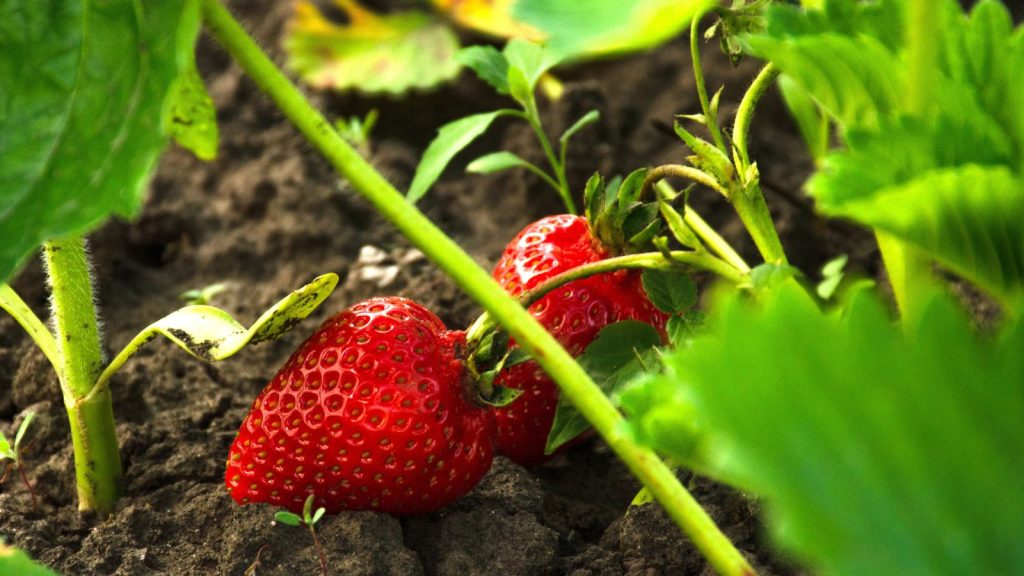
Both strawberries and tomatoes are vulnerable to similar diseases, including verticillium wilt and anthracnose. Strawberries are also notorious for attracting common tomato pests like slugs, aphids, and spider mites.
They also spread easily, invading tomato space and hogging all the nutrients. If you’re short on space and still want to grow both crops, consider placing strawberries in hanging baskets or dedicated containers where they won’t interfere.
13. Mint

While mint does have natural pest-repelling properties (which might seem like a good match for tomatoes), it grows extremely aggressively. Once planted, it tends to take over everything in its path, sending out runners that can wrap around your tomatoes, choke out their root systems, and even block sunlight.
Unless you plant mint in a container and bury it in the soil to keep it in check, it’s best to grow it far away from your tomatoes entirely.
14. Other Nightshades
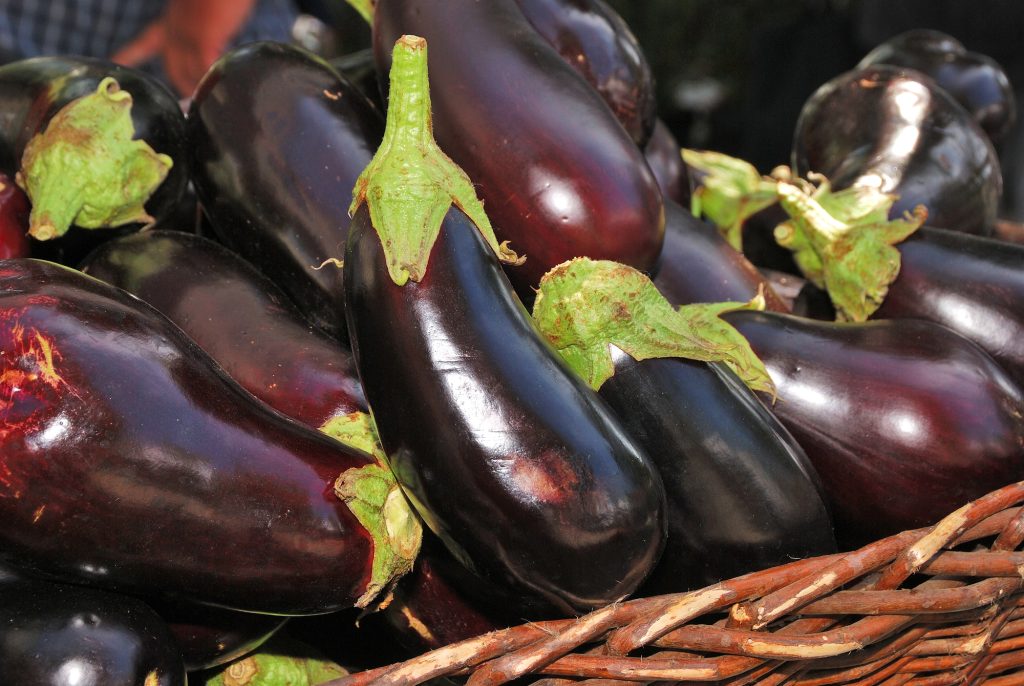
Nightshade plants like peppers and eggplants share vulnerabilities to diseases like verticillium wilt, spider mites, and aphids. Growing them together increases the odds of one sick plant infecting the rest. It’s better to rotate them around the garden each year and give them breathing room.
Grow Juicier, Tastier Tomatoes with These 15 Companion Plants

Companion planting is an age-old gardening method that can help prevent common plant issues and boost crop yields. By using some of the best companion plants for tomatoes, your harvests will be better than ever. Here are the 15 best companion plants for your tomato garden.
Grow Juicier, Tastier Tomatoes with These 15 Companion Plants
How to Support Tomatoes: Tomato Stakes vs. Tomato Cages
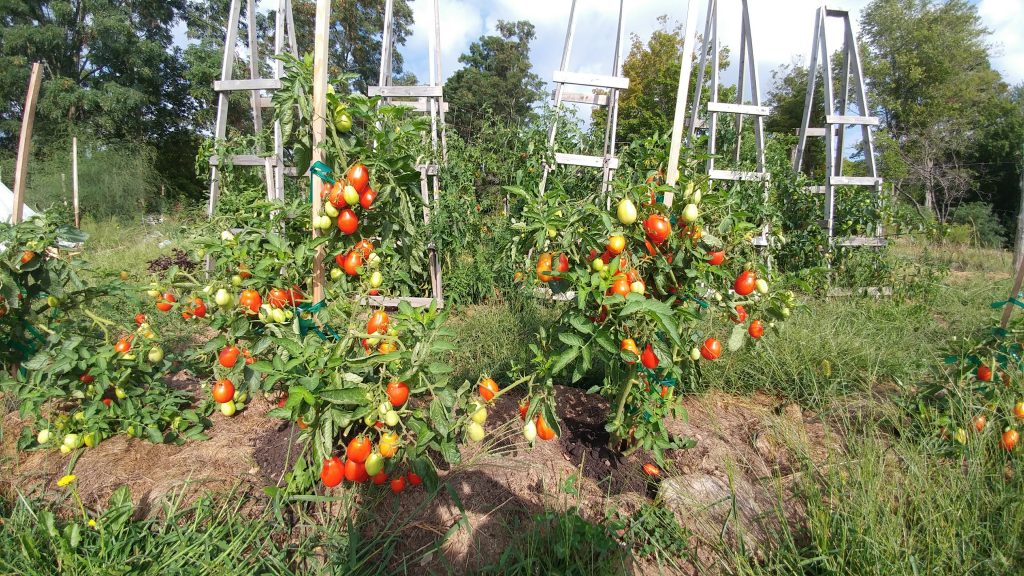
Supporting garden tomatoes with tomato stakes or cages is necessary for all but a few varieties of tomatoes. Without some form of support, your tomato plant will sprawl out over the ground. Here, we’ll share some considerations to help you make a choice that will work for your garden.
How to Support Tomatoes: Tomato Stakes vs. Tomato Cages
How to Properly Prune Tomato Plants

If you’re dealing with tomato plants that often get diseased, tend to droop, or look unhealthy, pruning should be on your gardening checklist. Here’s how you can properly prune your tomato plants.