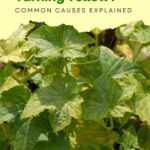


Cucumbers are a favorite among home gardeners for good reason, as they’re easy to grow and refreshing to eat in everything from salads to pickles. But despite their popularity,
Yellowing can be caused by a variety of factors, including nutrient deficiencies, overwatering, pests, or disease. Identifying the root cause early can help you take the right steps to correct the issue and keep your plants healthy and productive. Here are some of the most common reasons cucumbers turn yellow and what you can do to fix it.
Water Stress

Cucumber plants are thirsty growers that rely on steady moisture to stay healthy. When they don’t get enough water or when watering is too sporadic, the stress can cause the fruit to turn yellow. To keep your cucumbers in top shape, give them a deep soak a few times a week during dry spells. Aim to keep the soil consistently damp but not soggy, as both underwatering and overwatering can lead to trouble.
How to Water Your Garden The Right Way
Overwatering

Overwatering is just as detrimental as underwatering. Excessive water can lead to root rot, depriving the roots of oxygen and causing the cucumbers and leaves to turn yellow. It’s important to ensure that your soil has good drainage and allows the soil to dry out slightly between waterings to prevent waterlogged conditions.
14 Ways to Dry Out Soggy Soil and Correct Overwatering Mistakes
Diseases

Several diseases can cause cucumbers to turn yellow, such as powdery mildew,
These diseases affect the foliage and fruit, leading to yellowing and stunted growth. Using disease-resistant varieties, rotating crops, and maintaining good garden hygiene can help minimize the impact of these diseases.
18 Tough Plants for a Disease-Free, Low-Maintenance Garden
Pest Damage

Pests like slugs, aphids, spider mites, and
Incorrect Sunlight

Cucumbers need plenty of sunlight, but too much direct exposure can cause leaf burn and yellowing. Excessive sunlight can lead to brown, crinkly leaf edges and eventually cause the leaves to die, reducing the plant’s ability to photosynthesize and protect the developing fruits. Ensure your plants get enough sun by providing some afternoon shade without being overexposed.
Lack of Pollination

Cucumbers produce separate male and female flowers; pollination is required for fruit development. Bees primarily carry out this task, and each female flower needs multiple visits to produce high-quality fruits. If pollination is insufficient, the female flowers and the tiny fruit beneath them will turn yellow and fall off. Planting flowers that attract bees can help improve pollination rates.
12 Gorgeous Plants That Attract Bees and Other Pollinators
Variety-Specific Traits

Some
Overripe Cucumbers

Cucumbers left on the vine too long will turn yellow. The best quality cucumbers are harvested when slightly immature, which ensures they are crisp and mild-flavored. Regularly checking your plants and harvesting the fruits as they reach the optimal size can prevent them from becoming overripe.
Nutrient Deficiency

Cucumber plants are heavy feeders and require a regular supply of nutrients to grow and produce healthy fruits. The fruits can become stunted or yellow if your soil lacks essential nutrients. Regular fertilization and soil testing can help maintain adequate nutrient levels, ensuring your plants have everything they need to thrive.
10 Secret Ingredients for a Thriving Garden
20 Flowering Shrubs That Will Make Your Garden Look Like a Work of Art
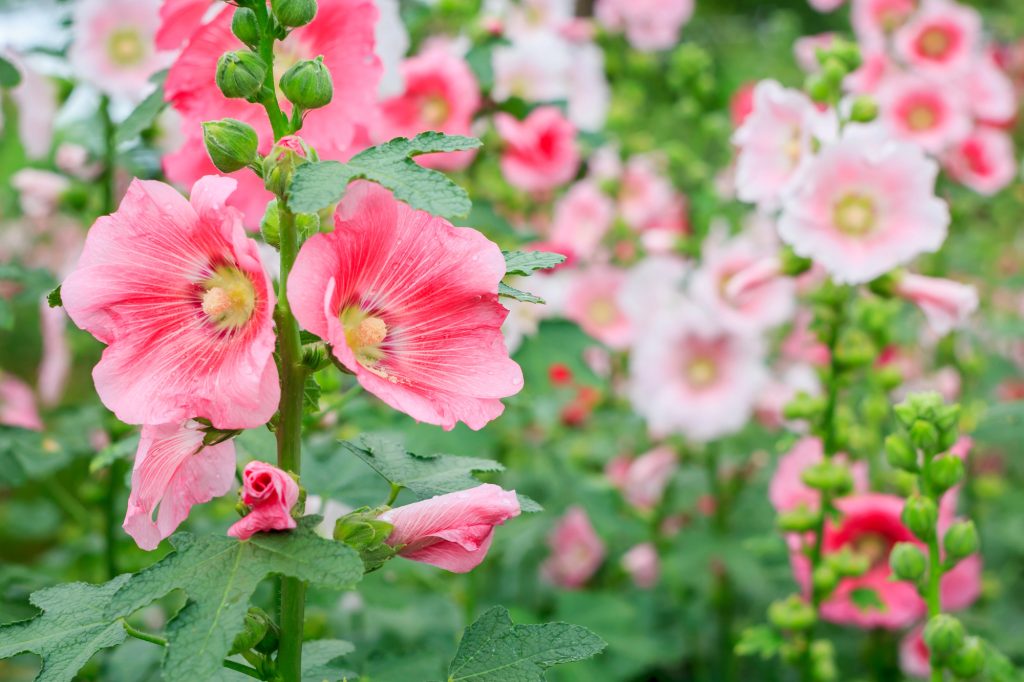
If you’re looking to bring a gorgeous touch to your landscape, here are 20 flowering shrubs that will make your garden look like a work of art.
20 Flowering Shrubs That Will Make Your Garden Look Like a Work of Art
14 Native Flowers That Thrive in Dense Clay Soil
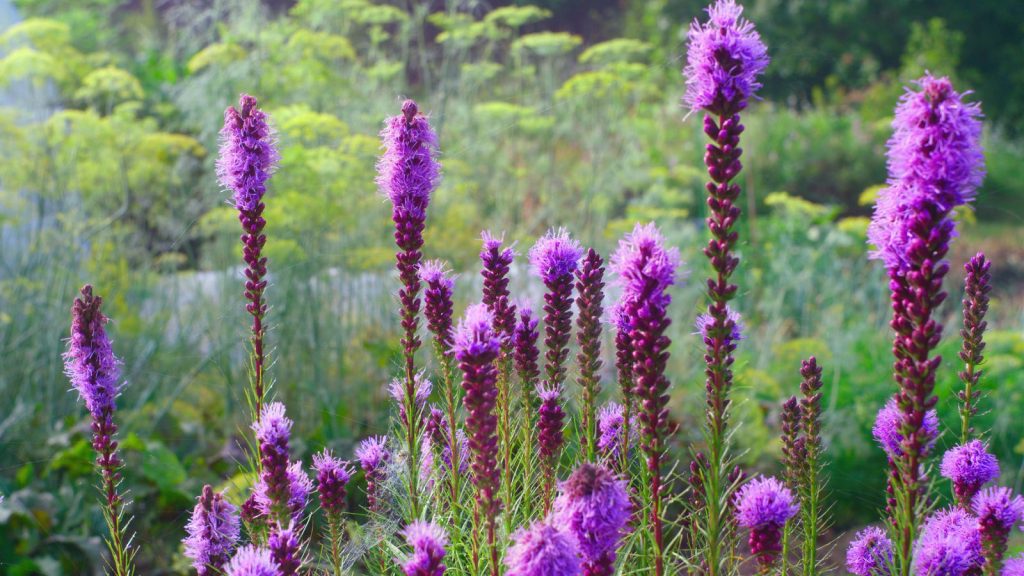
Whether you’re aiming for bursts of color, pollinator-friendly blooms, or hardy perennials that return year after year, these native plants will transform your clay-heavy garden into a thriving, beautiful space.
14 Native Flowers That Thrive in Dense Clay Soil
17 Plants That Will Keep Squirrels From Eating Your Garden

To help you safeguard your garden, we’ve handpicked 17 plants Squirrels tend to avoid due to their taste, smell, or texture.