It’s easy to see why coneflowers (also known as echinacea) are a favorite among gardeners. These hardy perennials bring long-lasting color to the landscape while attracting butterflies, bees, and hummingbirds throughout the growing season. Best of all, coneflowers don’t need much care to thrive, making them a great choice for busy gardeners who want beauty without constant upkeep.
When selecting companion plants for coneflowers, it’s helpful to consider their growing needs. They flourish in full sun with well-drained soil and can tolerate less-than-perfect conditions. However, plants that prefer shade or consistently damp soil may not be the best match. With their tall, sturdy stems and bright pinkish-purple blooms, coneflowers add both height and color to a perennial garden, making them an excellent choice for mixed plantings.
Beyond their easygoing nature, coneflowers are also native to central and eastern North America and are well-adapted to USDA zones 3 to 9. Here are 12 companion plants to consider growing next to your coneflowers.
Lavender (Lavandula spp.)
Image Credit: Deposit Photos
Lavender is a perfect match for coneflowers. Its soft purple blooms complement the bold colors of coneflowers. Lavender’s strong scent naturally repels pests like aphids and mosquitoes while attracting essential pollinators such as bees and butterflies.
Both lavender and coneflowers thrive in full sun and well-drained soil, making them ideal companions for a low-maintenance, drought-tolerant garden.
Black-Eyed Susan (Rudbeckia hirta)
Image Credit: Deposit Photos
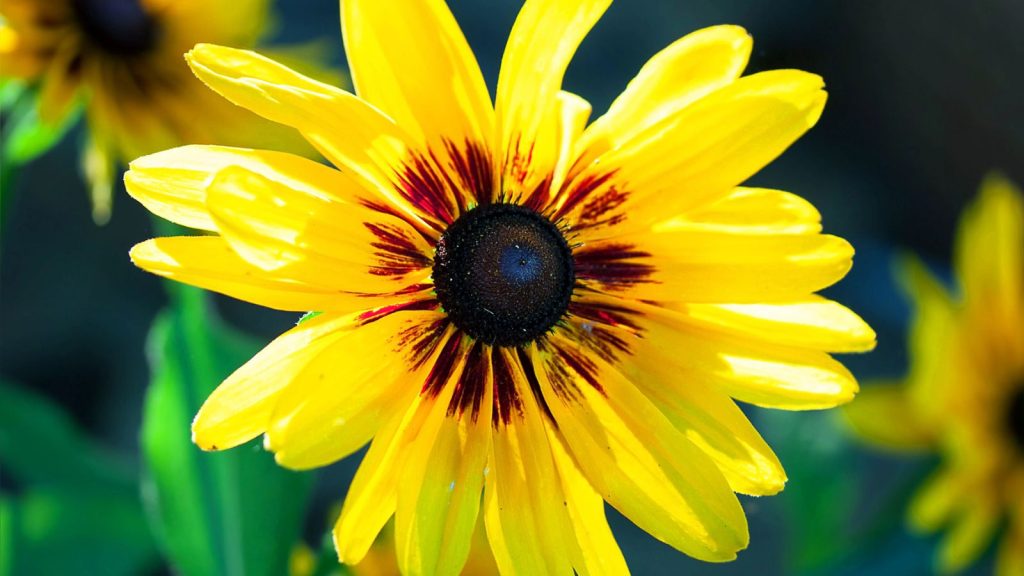
Black-eyed Susans bring bold golden-yellow colors to the garden, creating a striking contrast against the purple tones of coneflowers. These hardy native wildflowers thrive in the same sunny conditions and well-drained soil, making them natural companions that flourish side by side without competing for nutrients.
Black-eyed Susans are also great for attracting bees, butterflies, and other pollinators, ensuring a thriving ecosystem in your garden. They also help deter deer and rabbits, reducing the risk of damage to surrounding plants.
Yarrow (Achillea millefolium)
Image Credit: Deposit Photos
Yarrow is a hardy, low-maintenance perennial that adds beauty and resilience to any garden. With its feathery foliage and clusters of brightly colored flowers, it attracts pollinators, improves soil health, and thrives in tough conditions.
Yarrow works well as a companion to coneflower. It attracts beneficial insects like ladybugs and hoverflies, which help control aphid populations. Its feathery foliage and pastel-colored blooms complement coneflowers while providing valuable ecological benefits.
Coreopsis (Coreopsis spp.)
Image Credit: Deposit Photos
Coreopsis, also known as Tickseed, offers daisy-like flowers in shades of yellow, gold, and pink, pairing beautifully with coneflowers. Its bright yellow blooms contrast beautifully with coneflowers. Both plants thrive in dry, well-draining soil and attract pollinators, making them excellent companions in wildflower or cottage gardens.
Bee Balm (Monarda spp.)
Image Credit: Deposit Photos
There aren’t many plants that bee balm doesn’t work well with. Bee balm is a natural companion for coneflowers due to its similar growing requirements. Both plants thrive in full sun and well-drained soil, creating a pollinator-friendly environment that attracts butterflies, bees, and hummingbirds.
Butterfly Weed (Asclepias tuberosa)
Image Credit: Deposit Photos
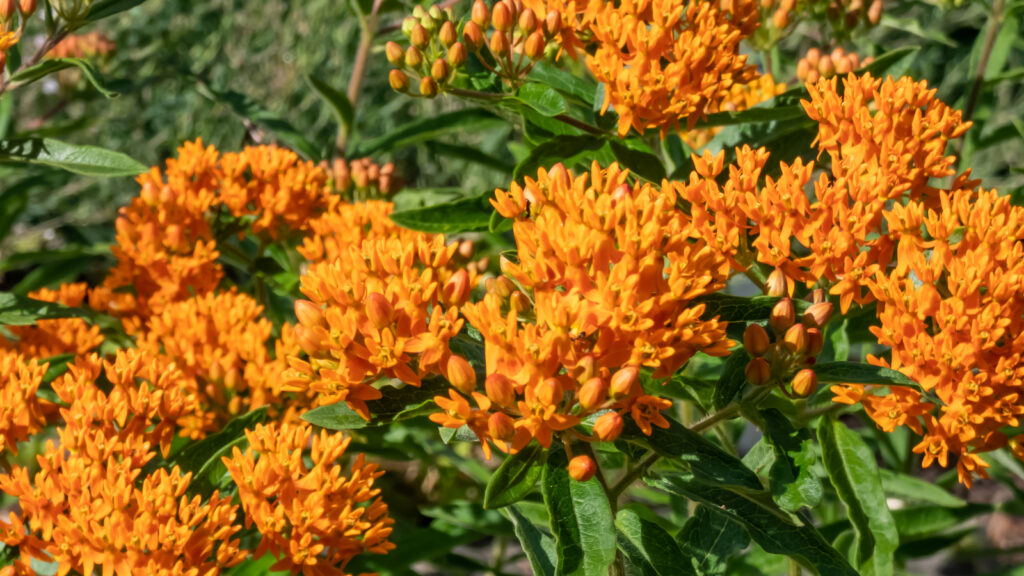
Butterfly weed is a top choice for butterfly gardens, making it a perfect match for coneflowers. As a variety of milkweed, butterfly weed produces fiery orange, yellow, or red flowers that thrive in well-drained soil and full sun. Butterfly weed’s bright flowers contrast beautifully with purple coneflowers, and both plants attract pollinators such as monarch butterflies, bees, and hummingbirds.
Perennial Geranium
Image Credit: Deposit Photos
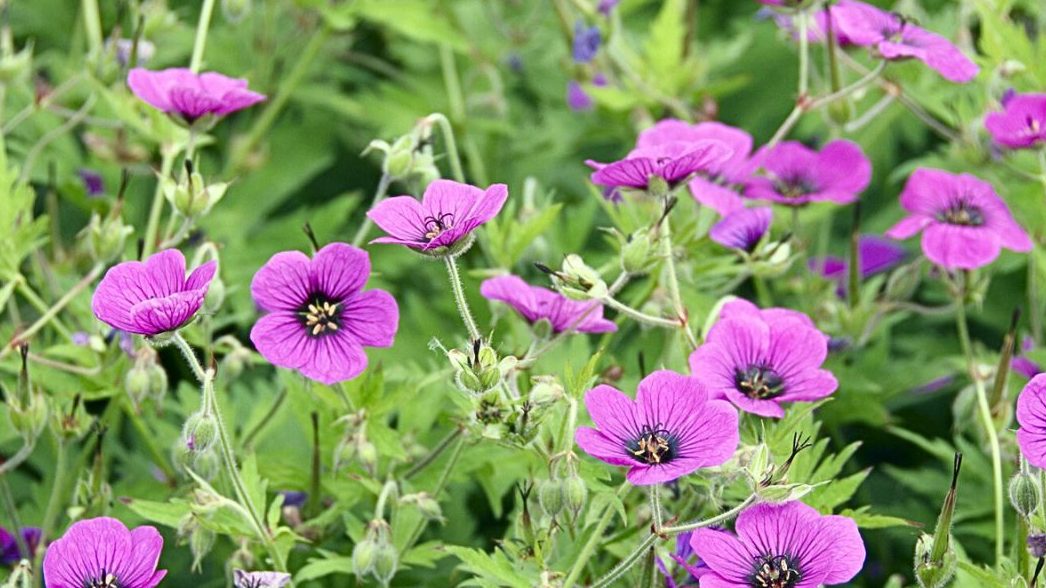
Perennial geranium, often known as cranesbill geranium, are great companion plants to coneflowers. This easy-care plant thrives in diverse conditions and will bloom in shades of pink, purple, blue, and white. The blossoms often feature intricate, darker veins radiating from the center.
Most perennial geraniums begin flowering in early to late spring, continuing through midsummer, with some extending their display well into autumn. Many varieties rebloom throughout the season, especially when trimmed after their first flowering.
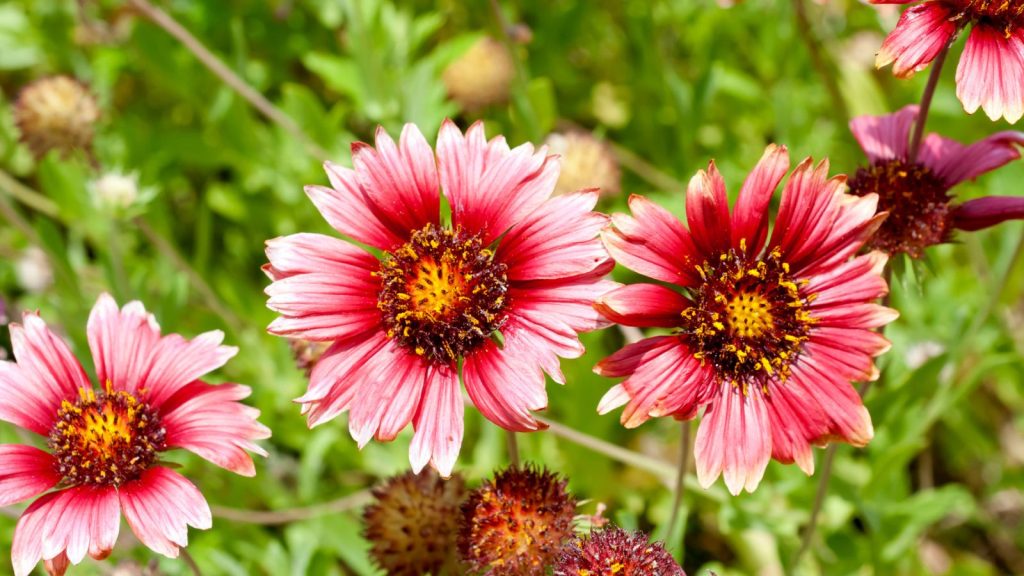
Blanket Flower (Gaillardia spp.)
Image Credit: Deposit Photos
Blanket flowers produce vibrant red, orange, and yellow blooms that complement coneflowers in a striking color display. Both plants prefer well-drained soil and full sun, attracting pollinators like butterflies and bees. Their drought tolerance makes them excellent choices for xeriscaping or low-maintenance garden beds.
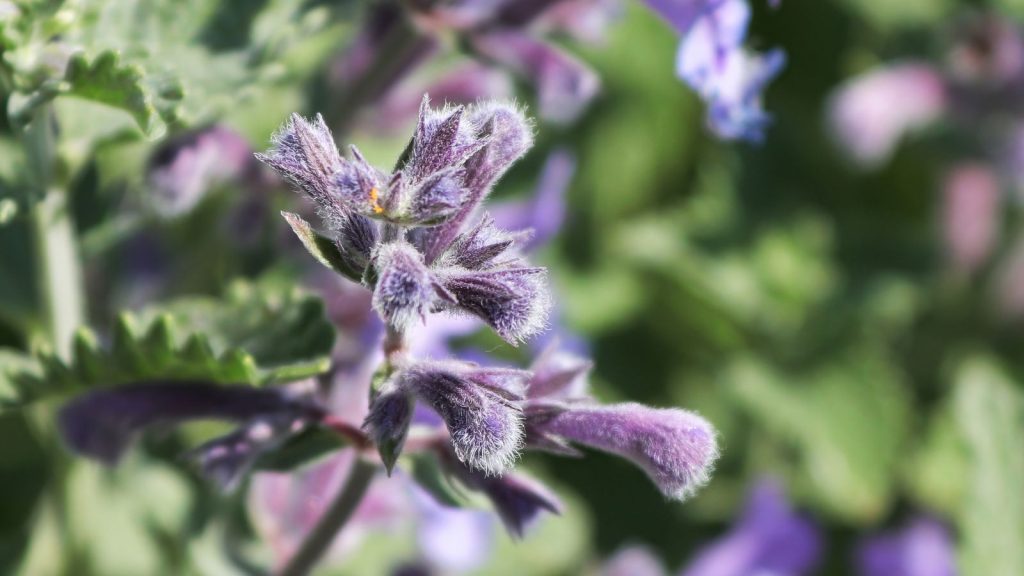
Catmint (Nepeta spp.)
Image Credit: Deposit Photos
Often confused with catnip because of their similarities, catmint distinguishes itself with rich purple blooms and is valued more for its decorative appeal rather than its herbal use. As part of the mint family, Catmint is an aromatic herb that deters aphids, Japanese beetles, and other garden pests. Its flowers blend beautifully with coneflowers while attracting beneficial pollinators. Both plants are drought-tolerant and thrive in similar soil conditions.
Stonecrop (Sedum spp.)
Image Credit: Deposit Photos
Sedum varieties are completely maintenance-free and love the sun. Sedums, with their succulent leaves and late-season blooms, provide a striking textural contrast to coneflowers. They provide late-season blooms and are excellent for attracting butterflies. These flowers are long-lasting and dry well for winter arrangements. Zones 3-9
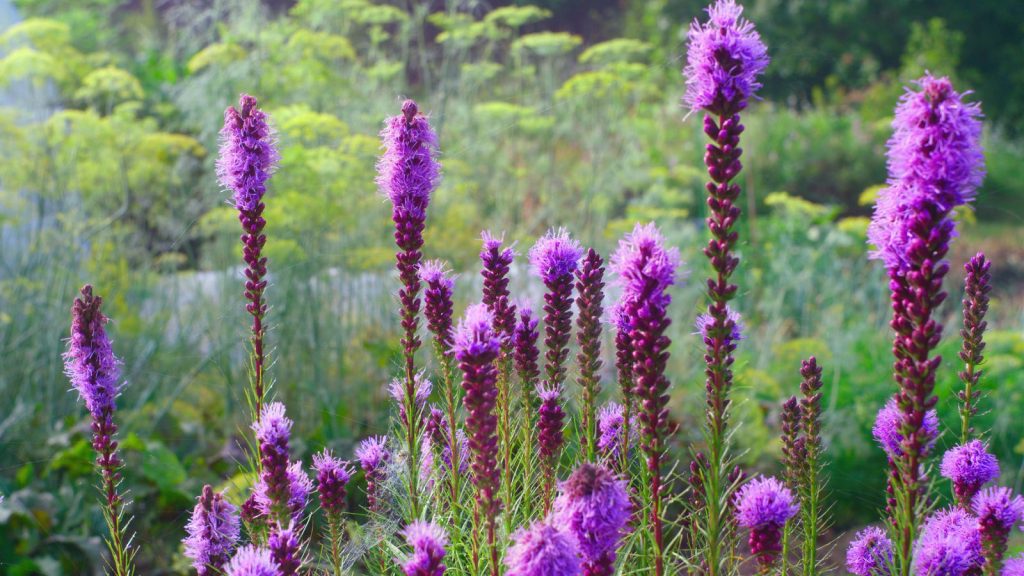
Blazing Star
Image Credit: Deposit Photos
Blazing Star, often referred to as gayfeather, boasts tall spikes of vibrant purple flowers, making it a magnet for butterflies. Thriving in sunny spots with well-drained soil, this plant adds a striking vertical element to your garden and provides a valuable nectar pollinator source. It makes an excellent companion to coneflowers.
Coral bells feature vibrant foliage in shades of green, purple, bronze, and silver, with delicate flower spikes that attract pollinators. With their delicate flowers, coral bells make a visually stunning addition to a coneflower garden. They thrive in similar growing conditions and help suppress weeds while attracting pollinators.
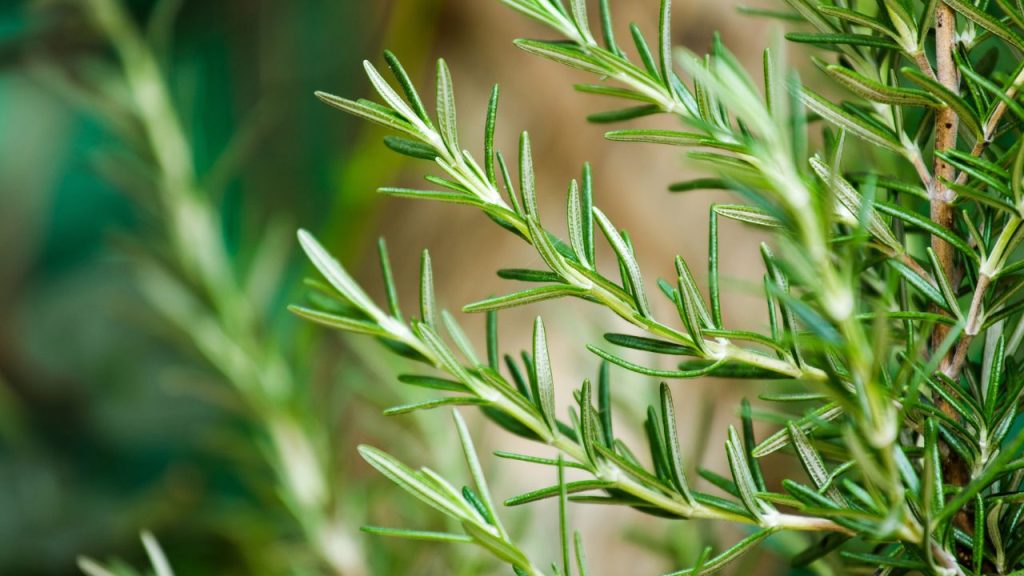
Rosemary (Rosmarinus officinalis)
Image Credit: Deposit Photos
Rosemary repels mosquitoes, cabbage moths, and carrot flies, providing natural pest control near coneflowers. Its fragrant foliage and small purple flowers create a complementary aesthetic in pollinator gardens.
14 Pretty Flowering Shrubs and Bushes to Boost Curb Appeal
Image Credit: Deposit Photos
Choosing the right shrubs and bushes is important for both appearance and functionality in your landscape design. These plants help increase your home’s curb appeal by providing color and beauty from spring through fall. Here are 14 attractive flowering shrubs and bushes to enhance your curb appeal.