
Herbs play a vital role in supporting biodiversity, improving soil health, and creating a sustainable, self-sufficient permaculture garden. These wonderful, low-maintenance plants can attract beneficial insects, repel pests, and improve soil fertility. Plus, they also look beautiful and can add year-round color and interest to your outdoor spaces – really, herbs can do no wrong in my eyes!
Let’s take a look at some permaculture herbs in all shapes and sizes that will be hugely beneficial to your garden.
1. Comfrey (Symphytum officinale)

Comfrey is, hands down, my favorite permaculture herb because it can vastly improve soil quality and fertility. This plant has long, deep tap roots that bring up essential nutrients, enabling it to grow an abundance of leaves that can be used for mulch or to make compost tea.
Comfrey thrives in poor soil but can spread quickly; confine it to a small area before it becomes too invasive.
2. Nasturtium (Tropaeolum majus)

Nasturtium is a gorgeous annual flower that attracts pollinators and is a natural pest deterrent. It can also be used as a trap crop, drawing harmful insects like caterpillars away from your vegetable plot.
In addition to being excellent companion plants and weed-suppressing ground covers, the leaves and flowers of
3. Calendula (Calendula officinalis)

Calendula is a powerful tool in pest control, attracting pollinators and beneficial insects while deterring garden pests. It’s low-growing, and its spreading growth habit helps suppress weed growth and improve soil health.
4. Yarrow (Achillea millefolium)

If you want ladybugs in your garden, grow
5. Lavender (Lavandula angustifolia)

There is nothing more relaxing than the smell of
6. Thyme (Thymus vulgaris)

If you take a close look at thyme when it is flowering, you’ll see that it is covered in tiny insects – these are a vital part of the ecosystem and will keep populations of aphids and other pests under control.
Thyme is drought-tolerant and low-maintenance, and should be planted in various locations for maximum impact. And, of course, thyme is a highly fragrant and delicious culinary herb.
7. Borage (Borago officinalis)

Borage is another must-have in any permaculture garden. It boosts biodiversity by attracting pollinators and acting as a natural pest deterrent.
However, borage has another superpower—it adds trace minerals to the soil, boosting fertility and plant growth. The vibrant blue flowers of borage are edible and can be used to garnish salads and drinks.
8. Plantain (Plantago major)

Plantain’s wide leaves can be used as natural mulch, boosting organic matter levels and adding essential nutrients. It thrives in a variety of conditions and, when in flower, attracts beneficial insects to the garden.
9. Bergamot (Monarda fistulosa)

Bergamot is a favorite food source for bees and butterflies, making it an essential part of any biodiversity-focused garden. It thrives in full sun, and the fragrant flowers can be used in teas and herbal remedies.
10. Angelica (Angelica archangelica)

The deep roots of angelica help to break up compacted soil, while the tall stems provide shade, wind protection, and support for more delicate plants. Angelica thrives in moist, well-drained soils and the leaves and stems can be used to make medicinal teas.
11. Mint (Mentha spp.)
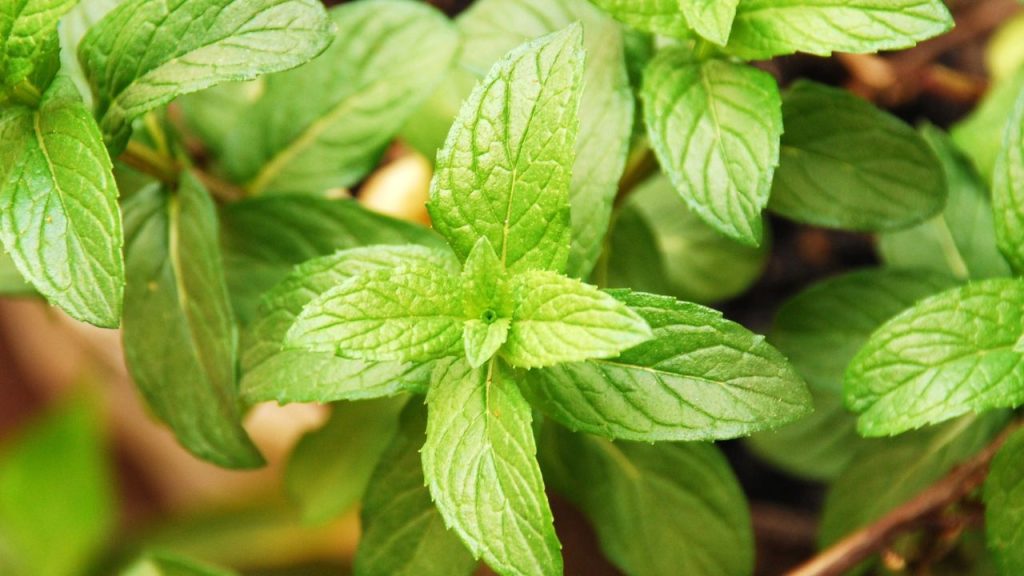
The strong aroma of mint repels pests such as ants, aphids, and cabbage worms, making it a great companion plant for many vegetables and herbs. Remember that mint can spread quickly, so plant it in containers to control its growth.
12. Echinacea (Echinacea purpurea)

Echinacea is a powerhouse plant in the permaculture garden, helping to improve soil health whilst attracting pollinating insects. Its beautiful purple flowers add color and diversity to any garden, making it both a functional and ornamental herb.
13. St. John’s Wort (Hypericum perforatum)

St. John’s Wort helps suppress weeds by creating a dense ground cover. It can boost biodiversity in the garden by attracting a wide variety of insect life. St John’s Wort can be grown in a variety of soil types and is famous for its medicinal mood-boosting properties and for being an ingredient in homemade products.
14. Chives (Allium schoenoprasum)
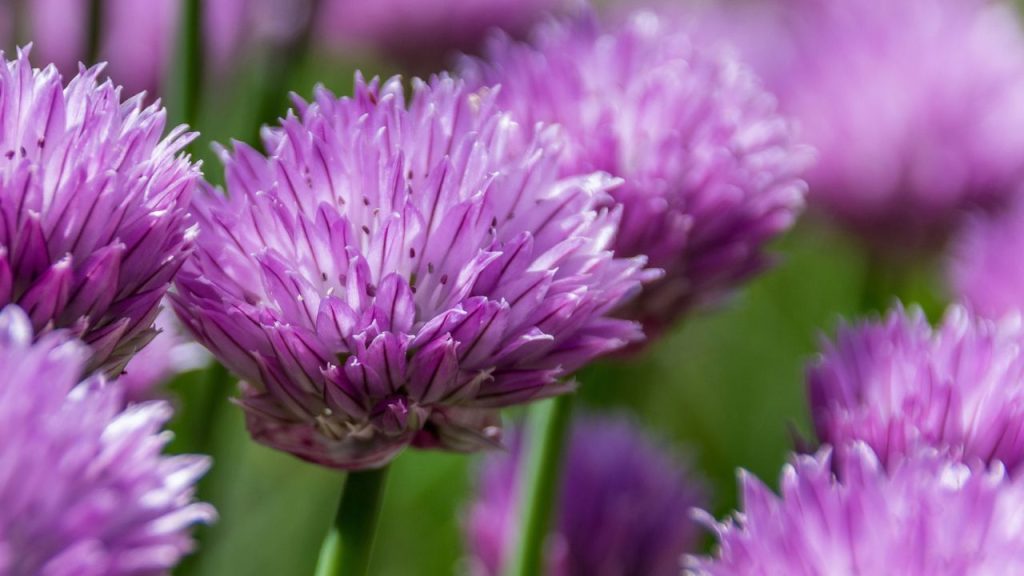
Chives attract bees and ladybugs, repel aphids, and improve the health of surrounding plants. They are easy to grow and their edible, onion-flavored leaves can be used in salads, soups, and garnishes.
15. Fennel (Foeniculum vulgare)
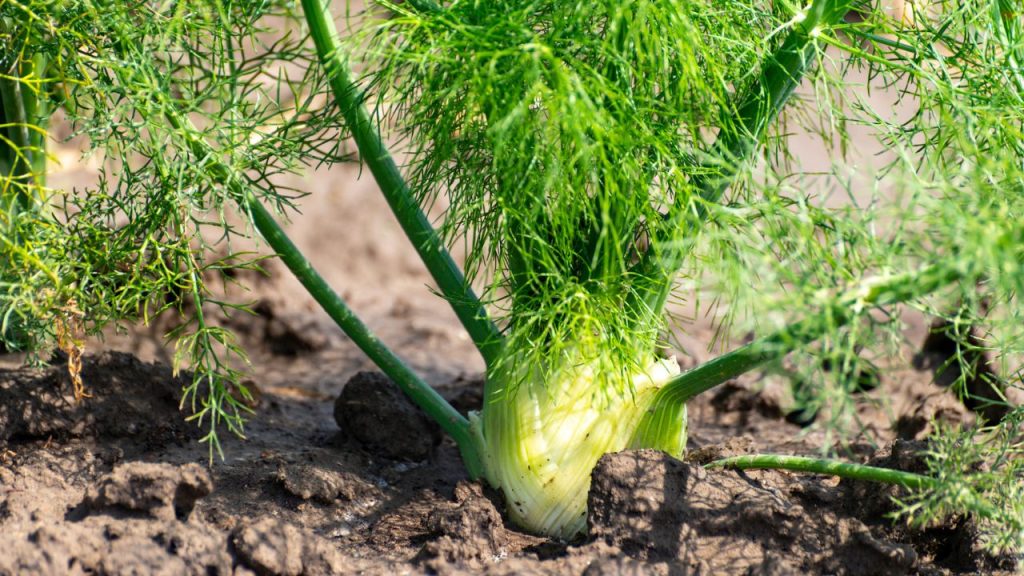
Fennel thrives in poor soils and attracts ladybugs and butterflies to the garden. The edible seeds have a delicate licorice flavor that pairs well with Asian-inspired cuisine. Fennel can inhibit the growth of neighboring plants, so it is best planted in a container on its own.
16. Chamomile (Matricaria chamomilla)

The delightful daisy-like flowers of chamomile are known for their calming properties. They are also great at attracting pollinators to the garden. This low-growing herb thrives in poor soil and can help improve the health of neighboring plants.
17. Sage (Salvia officinalis)

Sage is one of my favorite herbs – it is incredibly easy to propagate from cuttings, and highly resilient. It produces an abundance of delicate flowers that attract a whole host of insects. It is one of the best companion plants you can grow and is also a delicious culinary herb.
18. Oregano (Origanum vulgare)

Oregano is a fantastic herb for attracting beneficial insects while repelling pests like mosquitoes. It thrives in dry, well-drained soils and can enhance the growth of nearby plants.

Kate Chalmers
Kate is a passionate gardener who has a keen interest in all things related to homesteading and sustainability. She resides in Portugal with her husband and menagerie of animals and has over 15 years of experience in the UK veterinary industry. In 2020, Kate and her husband took on a dilapidated Portuguese house and abandoned olive grove, turning it into an abundant food forest and home for nature.
Life on the homestead is never the same from one day to the next, and Kate has mastered many skills that she is keen to pass on to anyone with an interest in becoming more self-sufficient. Kate believes that living a sustainable lifestyle is the key to happiness and fulfillment and that everyone can make simple changes that connect us back to nature and reduce our impact on the planet.