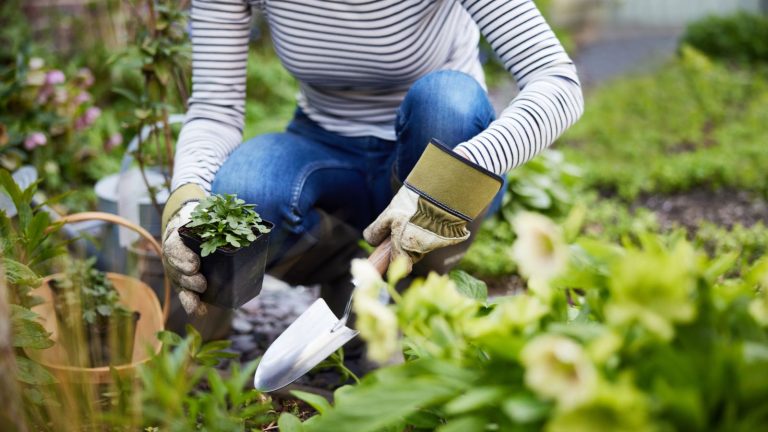

March marks the “true” beginning of the growing season, making it one of the busiest times for gardeners. As the days grow longer and temperatures begin to rise, the garden starts to wake up—but knowing what to plant and when is key to a thriving, productive space.
This month is all about getting a head start on the season, from preparing garden beds to sowing seeds at just the right time. Here are some of the best plants to sow and grow in March.
Tomatoes

Tomatoes are the most popular vegetable (or fruit) in home gardens. They’re delicious, juicy, and perfect for fresh eating and preserving. They are easy to grow in containers, hydroponic systems, or gardens. Even novice indoor growers can achieve success by understanding their needs for proper nutrition, lighting, support, and pruning.
- Sowing depth: 0.5 cm
- Spacing: 2 cm apart
- Germination time: 5-10 days
- Tip: Transplant seedlings when the first true leaves develop.
Peppers
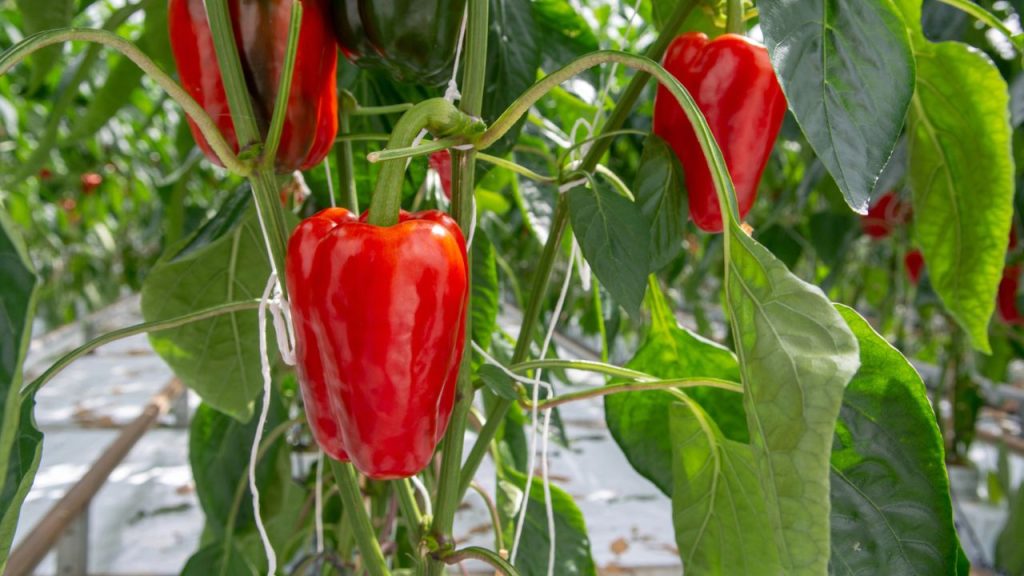
Sweet peppers—including bell peppers, banana peppers, Italian sweet peppers, and cubanelles—are among the most popular crops to grow in a home garden. Their vibrant colors, crisp texture, and naturally sweet flavor make them a favorite in salads, stir-fries, and fresh salsas.
- Sowing depth: 0.5 cm
- Spacing: 2 cm apart
- Germination time: 7-14 days
- Tip: Provide bottom heat for optimum germination.
Eggplants

Growing your own eggplants can feel like a huge achievement for any gardener! These notoriously slow-growing plants have a long growing season and can grow considerably as the summer progresses.
Staking the plants and encouraging them to grow upright helps support the weight of the fruit, keeping it off the soil and reducing the risk of pests and disease.
- Sowing depth: 0.5 cm
- Spacing: 2 cm apart
- Germination time: 7-14 days
- Tip: Ensure plenty of light for strong growth.
Chillies

- Sowing depth: 0.5 cm
- Spacing: 2 cm apart
- Germination time: 7-21 days
- Tip: Needs warmth and a long growing season.
Cucumbers

There’s nothing more refreshing than a cool, crisp cucumber straight from the garden. Cucumbers are easy to grow at home and thrive in warm, well-drained soil.
- Sowing depth: 1 cm
- Spacing: 5 cm apart
- Germination time: 7-10 days
- Tip: Keep the soil moist but avoid overwatering.
17 Best Companion Plants for Cucumbers
Melon

All types of melon, including cantaloupes and watermelons, need plenty of sunshine and warm soil to thrive. Provide plenty of space in nutrient-rich soil for these hungry plants, and make sure to water regularly.
Start melon seeds indoors 2-4 weeks before the last frost date. They are ready to transplant once the soil is warm and all danger of frost has passed.
- Sowing depth: 2 cm
- Spacing: 5 cm apart
- Germination time: 7-10 days
Basil

Basil seeds germinate easily but can be slow to reach maturity. The best method is to start seeds indoors in mid-spring, giving them time to grow into healthy plants that are ready to go outside once all risk of frost has passed.
- Sowing depth: 0.5 cm
- Spacing: 2 cm apart
- Germination time: 5-10 days
- Tip: Basil seedlings prefer warm, well-lit conditions.
Cilantro
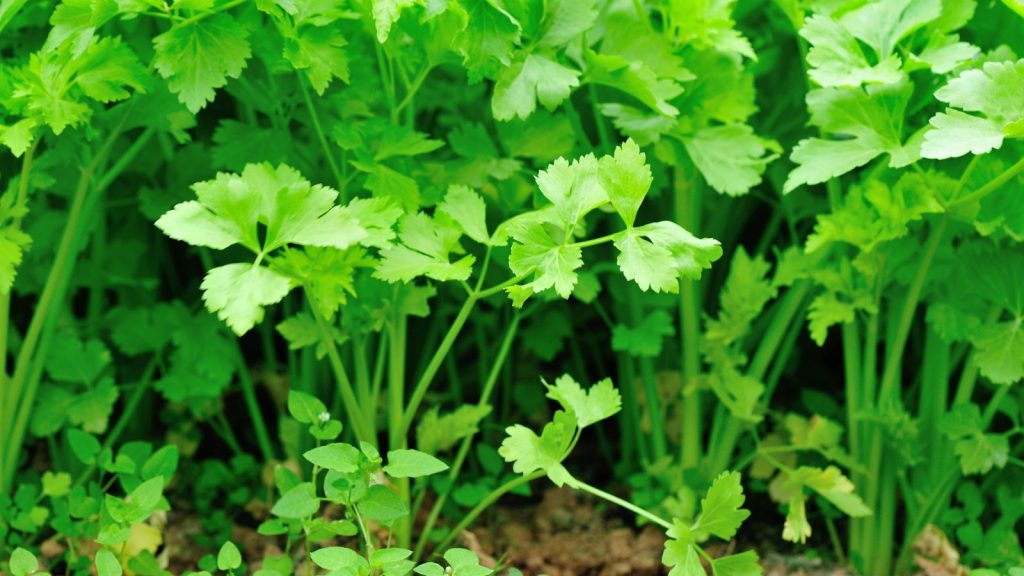
Cilantro is a fast-growing annual herb- perfect for your herb garden. Sow cilantro in modules for easier transplanting.
- Sowing depth: 1 cm
- Spacing: 5 cm apart
- Germination time: 7-10 days
Parsley
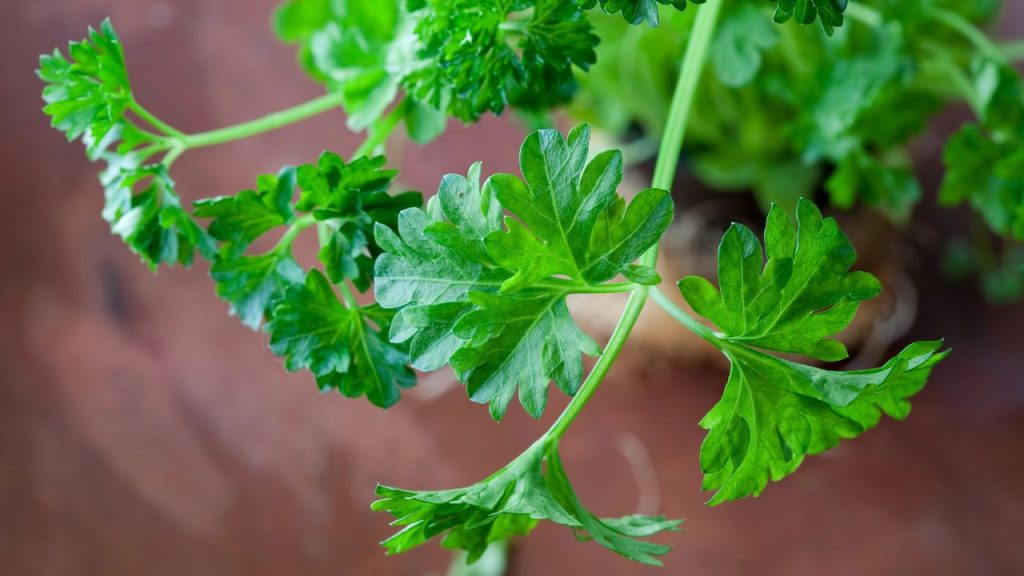
Parsley is great for homestead gardens. It is a beginner-friendly plant that is more forgiving than other herbs and can grow easily in many conditions.
TrendingFast Track Schengen Visa
Learn how to secure your European visa quickly and easily.
- Sowing depth: 0.5 cm
- Spacing: 3 cm apart
- Germination time: 14-28 days
- Tip: Soak seeds overnight to aid germination.
12 Herbs to Grow in Your Shallow Window Boxes
Lobelias

- Sowing depth: Surface sow; do not cover
- Spacing: 2-3 cm apart
- Germination time: 10-20 days
- Tip: Keep the soil moist during germination.
Begonias

Begonia plants boast striking, asymmetrical foliage in various colors and patterns, including green, bronze, red, and silver. These popular shade-loving plants produce clusters of small, vibrant flowers in shades of pink, red, white, or yellow, but their primary appeal is their lush, decorative foliage, which remains attractive even when the plant is not in bloom.
- Sowing depth: Surface sow; do not cover
- Spacing: 2-3 cm apart
- Germination time: 14-21 days
- Tip: Needs light to germinate properly.
Petunias

Petunias are known for their abundance of trumpet-shaped flowers in colors like purple, pink, white, and red, which hummingbirds love. Their compact growth makes them suitable for containers, hanging baskets, and rock gardens.
- Sowing depth: Surface sow; do not cover
- Spacing: 2-3 cm apart
- Germination time: 7-14 days
- Tip: Prefers warm conditions and high humidity.
19 Flowers You’ll Adore If You Love Hydrangeas

If you’re a fan of hydrangeas and looking to expand your floral horizons, we’ve got a treat for you! Let’s take a look at some of the best plants and shrubs to grow alongside or instead of hydrangeas.
19 Flowers You’ll Adore If You Love Hydrangeas
1 Impressive Trees You Can Tap for Sap and Syrup
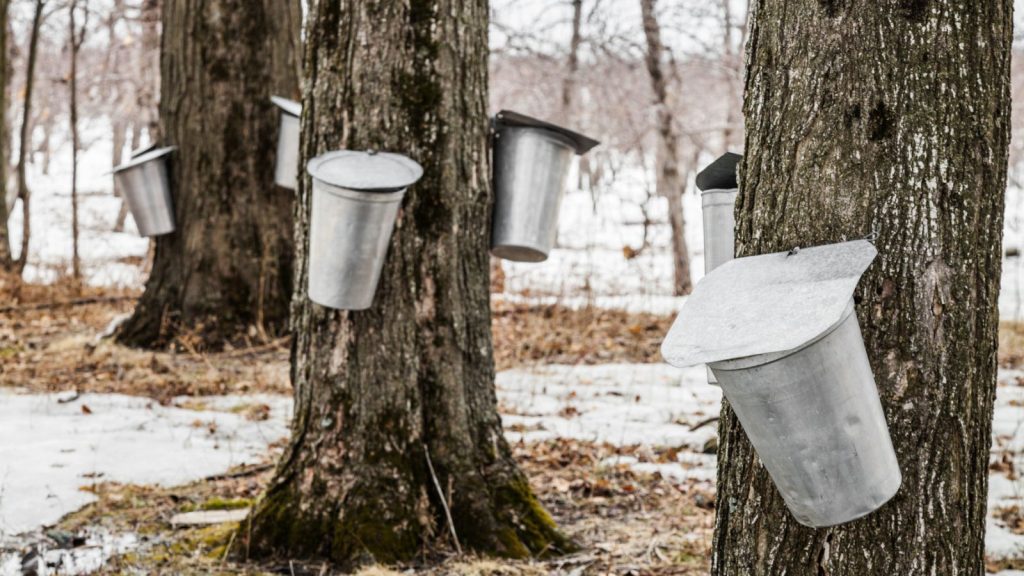
Tapping trees is an age-old skill that modern-day homesteaders often overlook. But this free resource becomes far more appealing when you realize that tree sap can be used to make syrup, candy, vinegar, natural sweeteners, and fermented drinks!
11 Impressive Trees You Can Tap for Sap and Syrup
8 Best Raised Garden Beds (What to Consider Before Buying)

Kate Chalmers
Kate is a passionate gardener who has a keen interest in all things related to homesteading and sustainability. She resides in Portugal with her husband and menagerie of animals and has over 15 years of experience in the UK veterinary industry. In 2020, Kate and her husband took on a dilapidated Portuguese house and abandoned olive grove, turning it into an abundant food forest and home for nature.
Life on the homestead is never the same from one day to the next, and Kate has mastered many skills that she is keen to pass on to anyone with an interest in becoming more self-sufficient. Kate believes that living a sustainable lifestyle is the key to happiness and fulfillment and that everyone can make simple changes that connect us back to nature and reduce our impact on the planet.
Car Rental Discounts Abroad
Rent a car for your road trip with zero hidden fees.