Gardening takes time, effort, and attention to detail. Simple mistakes, like planting in the wrong spot or forgetting to water properly, can undo all the hard work you’ve put in. Some issues are easy to fix, while others can set your garden back for an entire season.
The good news is that most common gardening mistakes have simple solutions. With a little planning and awareness, you can avoid these problems and keep your garden healthy. Here are 23 gardening mistakes that could derail your hard work and how to prevent them.
Discouraging Pollinators

Some people feel uneasy about having insects such as butterflies, bees, and birds in their yard, and most will try to get rid of them. However, these creatures are crucial for a healthy ecosystem. To support pollinators, create gardens that attract them by providing habitats that make them feel welcome and safe.
Ignoring Pests

Regularly inspect your plants for pests. Check the leaves and address any infestations immediately.
Protect Your Tomatoes From 15 Pests That Can Wreak Havoc on Your Crop
Planting Too Early

As spring arrives, it’s tempting to start planting right away. However, tender crops like tomatoes and peppers should remain protected if temperatures drop below freezing. Wait until nightly temperatures stay above 55°F.
Letting Invasive Plants Take Over
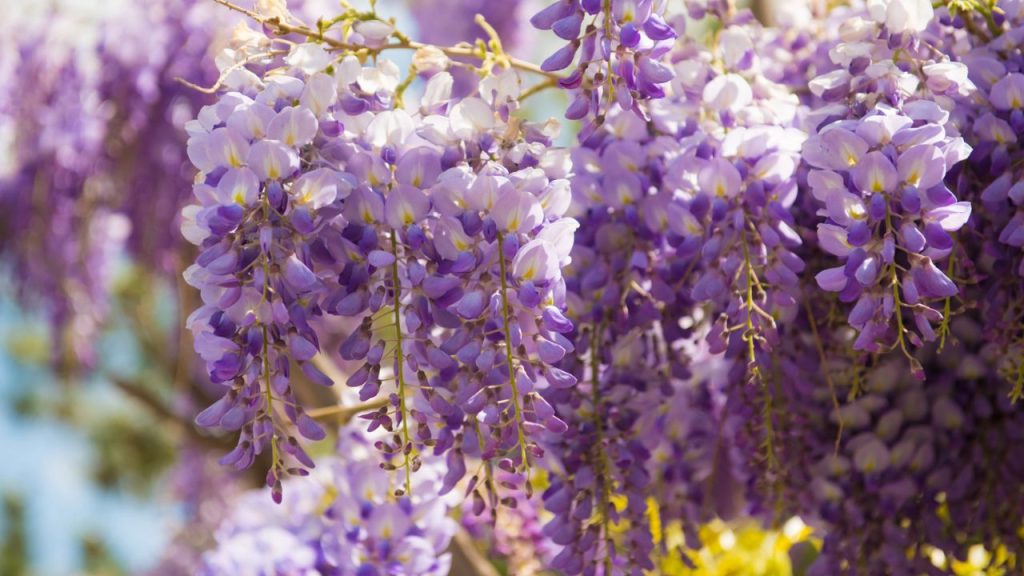
Some plants look innocent when you first plant them, but they can quickly spread and overtake your garden. Invasive species choke out native plants, disrupt the local ecosystem, and can be nearly impossible to control once they establish themselves. If you love the look of these plants, seek out non-invasive varieties or plant them in containers to keep them from running wild.
16 Beautiful Flowers That Are Shockingly Invasive
Overlooking Native Plants
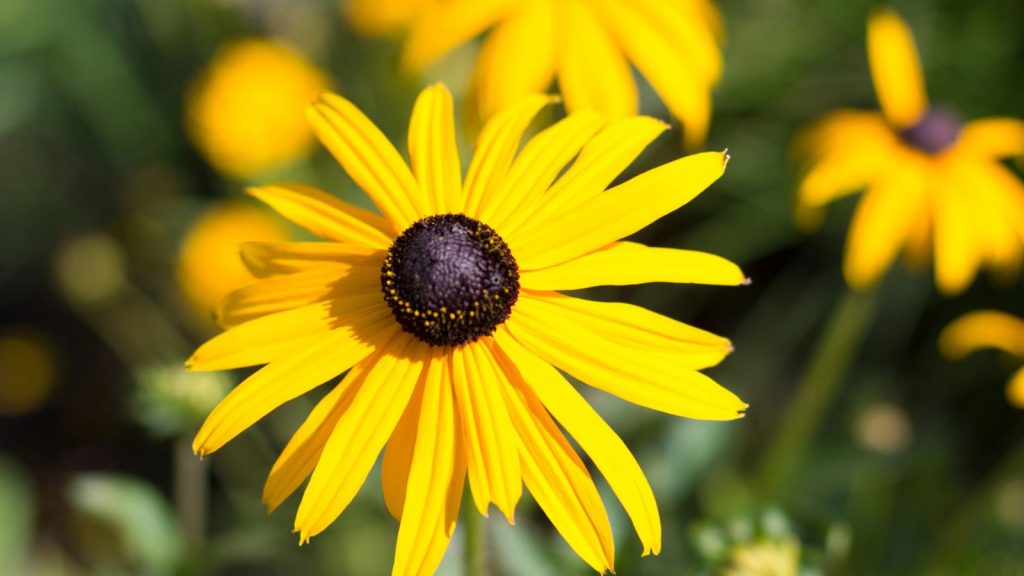
Native plants are adapted to your local climate, making them easier to care for and more resistant to pests and disease. Plus, they provide essential food and shelter for pollinators like bees and butterflies. Make sure to research plants that are native to your area. Choosing them means less maintenance for you and a healthier ecosystem overall.
15 Native Plants That Thrive With Little to No Sun
Insufficient Sunlight

Vegetables and herbs require at least six hours of direct sunlight each day. While some leafy greens can tolerate partial shade, they thrive best in full sun. If your garden area lacks sufficient sunlight, consider container gardening. This allows you to move plants to sunnier spots, ensuring they get the light they need to grow well.
Overusing Pesticides

Excessive use of pesticides can cause unintended harm. Chemical treatments can damage beneficial insects, create pest resistance, and degrade plant and soil health. Opt for organic and natural solutions, such as companion planting and attracting beneficial predators.
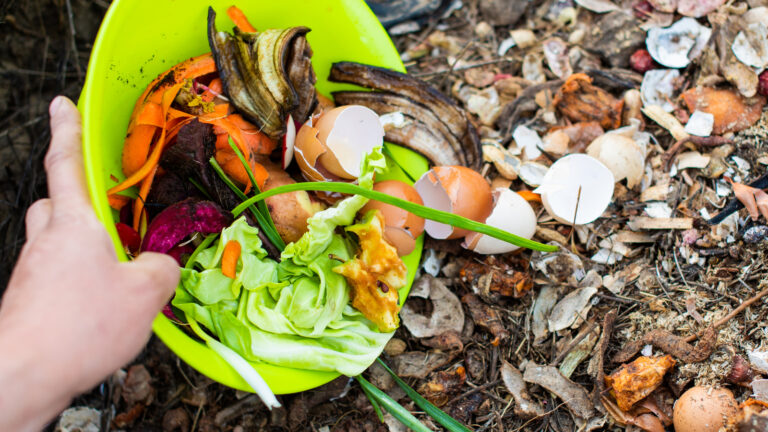
15 Natural Plant Fertilizers Made from Everyday Waste to Feed Your Garden
Neglecting Soil Condition

Good soil is the foundation of a successful garden. Improve your soil with compost and other organic matter. Conduct a soil test to ensure it’s ready for planting. This will ensure your crops have the nutrients they need to grow well.
10 Ways To Add Nitrogen To Soil For A Healthier Garden
Plants Too Close Together

While some salad greens thrive when planted closely, most vegetables need space to grow properly. Crowded plants can suffer from stunted growth and are more susceptible to diseases. Use a space planting guide to ensure they have enough room to grow and thrive.
Watering Too Much or Too Little
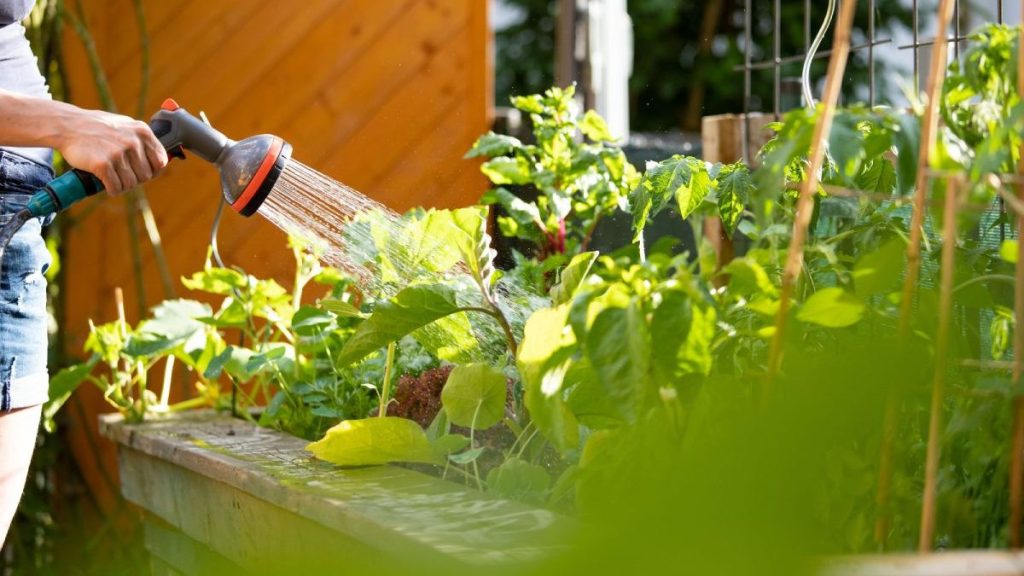
Consistent watering is crucial for a good harvest. Both overwatering and underwatering can lead to yellow leaves and poor fruit quality.
Not Offering Enough Support
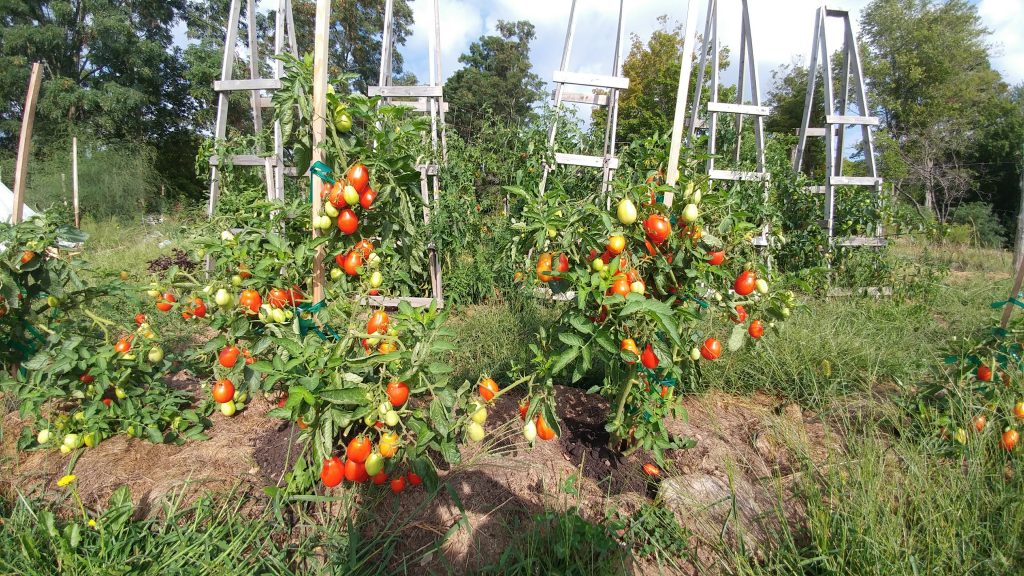
Certain vegetables, such as tomatoes, cucumbers, and pole beans, need support structures like cages and trellises. Proper support keeps fruits off the ground, improves air circulation, and promotes healthier growth. Use sturdy supports to prevent plants from sprawling and to keep them healthy.
How to Support Tomatoes: Tomato Stakes vs. Tomato Cages
Planting Too Late

Waiting too long to plant can be just as problematic as planting too early. If you plant when it’s already hot, your plants can become stressed and require much more effort from you to reach harvest. Always aim to plant within the recommended timeframe for each crop to ensure healthy growth and optimal harvest.
26 Plants You Can Still Sow and Grow in July
Planting in the Wrong Spot

Choosing the right location for your plants is crucial for their success. Placing a plant in an unsuitable spot can lead to poor growth, potential death, or unnecessary suffering. If not properly situated, plants might grow too large for their space or even become invasive.
Not Identifying Your Soil Type
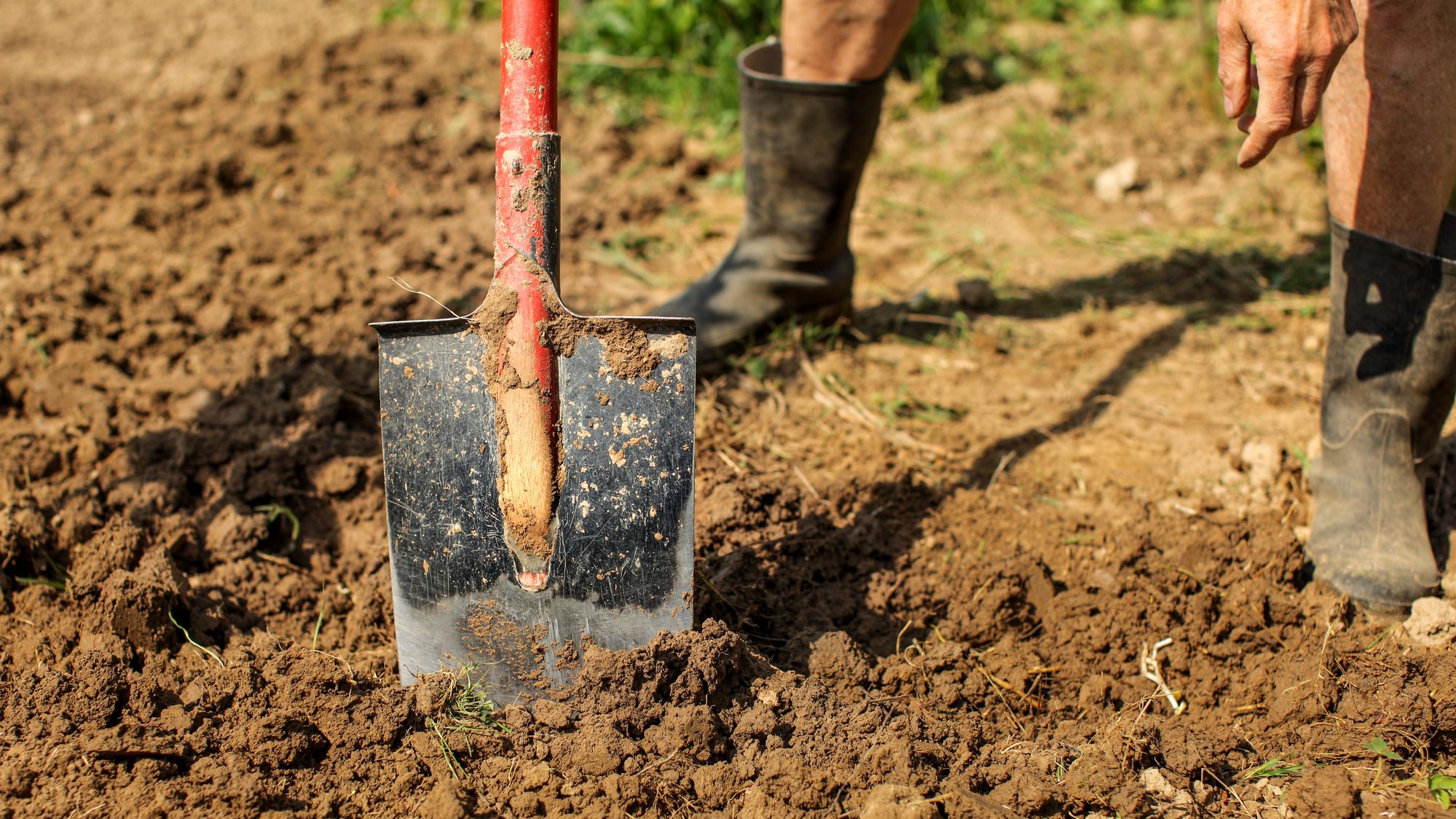
Understanding your soil type is often overlooked. Knowing the basic type of soil you have—whether sandy or heavy clay—can significantly improve your gardening success.
Planting in Poor Soil
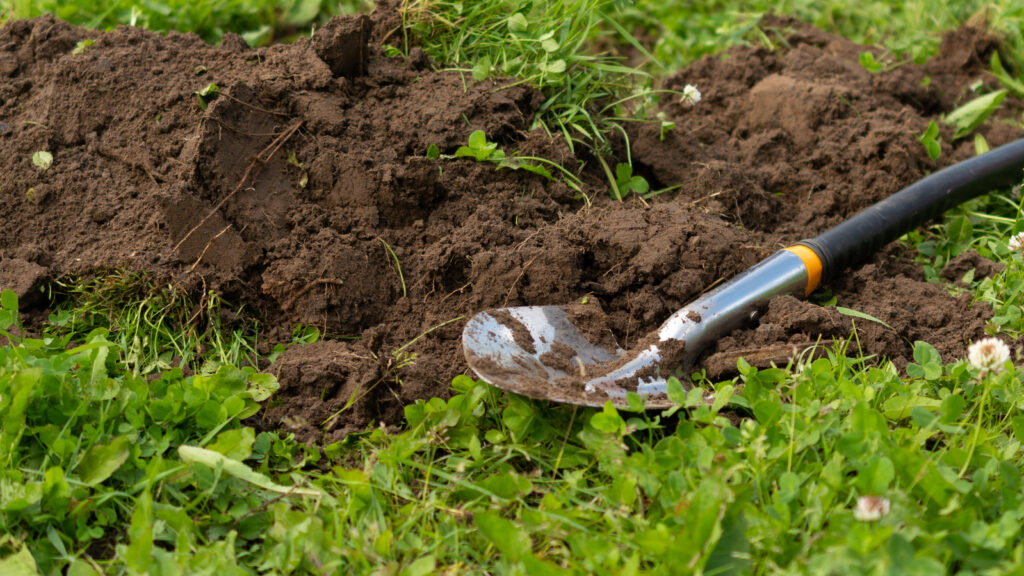
Soil is the foundation of a thriving garden and needs to be rich in nutrients. Plants won’t grow well if they’re in poor soil. Ensuring your garden soil is healthy and fertile is crucial for robust plant growth and a bountiful harvest.
Letting Weeds Take Over

Weeds compete with your crops for nutrients and water. Mulch your garden right after planting to suppress weeds, and remove any breakthrough by hand or with a hoe.
12 Natural Ways to Manage Weeds in the Yard
Filling Your Garden With High-Maintenance Plants

Not all flowers are created equal when it comes to care. Plants like Azalea (Rhododendron spp.), Roses and Gardenia demand regular attention, from pruning to staking to pest management. If you love these plants and have the time to maintain them, go for it. But if you prefer a lower-maintenance approach, they can quickly become overwhelming.
16 Gorgeous Wildflowers Perfect for Low Maintenance Gardens
Being Impatient

Impatience is a common mistake in gardening. Rather than taking the time to cultivate a thriving organic garden, many gardeners seek quick solutions. Adopting a more patient approach allows for a more sustainable and healthier garden.
Forgetting to Harvest

It can be tough to determine when your plants are ready for harvest. Waiting too long can result in overripe produce, such as yellow cucumbers. Harvesting at the right time ensures you enjoy your garden’s best flavors and textures.
Planting Too Far from a Water Source

Water is vital for plant health, but placing your garden too far from a water source can make irrigation a hassle. Hauling heavy watering cans or dragging long hoses across the yard can result in inconsistent watering. To avoid this, plant your garden within easy reach of a reliable water source to ensure your plants receive consistent hydration.
Overplanting

It’s easy to overestimate how much you need to plant. Grow only what your family will eat to avoid unnecessary work and waste. Stick to a manageable number of plants to ensure you can care for them properly.
Not Protecting Plants From Hungry Deer

If deer frequent your area, they’ll happily eat through your plants. Protect your plants by deer proofing by using deer resistant plants, proper fencing and repellents. But the key is to act fast—once deer discover a food source, they’ll keep coming back for more.
14 Deer Resistant Perennials with Beautiful Blooms
Overcommitting to a Massive Garden

Starting big might seem like a great idea, but an oversized garden can quickly become overwhelming. Too many plants mean more watering, weeding, and maintenance than you may have time for.
15 Shade Loving Perennials That Won’t Overrun Your Garden

If you’ve been hesitant to plant perennials in the shadier parts of your garden, these choices will change your mind. These hardy plants thrive without direct sunlight, bringing rich foliage and colorful blooms to areas where other plants might struggle.
15 Shade Loving Perennials That Won’t Overrun Your Garden
21 Cheap Perennials to Grow That Will Make Your Garden Pop

You can fill your space with lush, eye-catching blooms with the right selection without overspending. Here are 21 affordable perennials bringing long-lasting beauty without stretching your wallet this year.
21 Cheap Perennials to Grow That Will Make Your Garden Pop
Your Strawberries Will Thank You for Growing Them Next to These 21 Plants
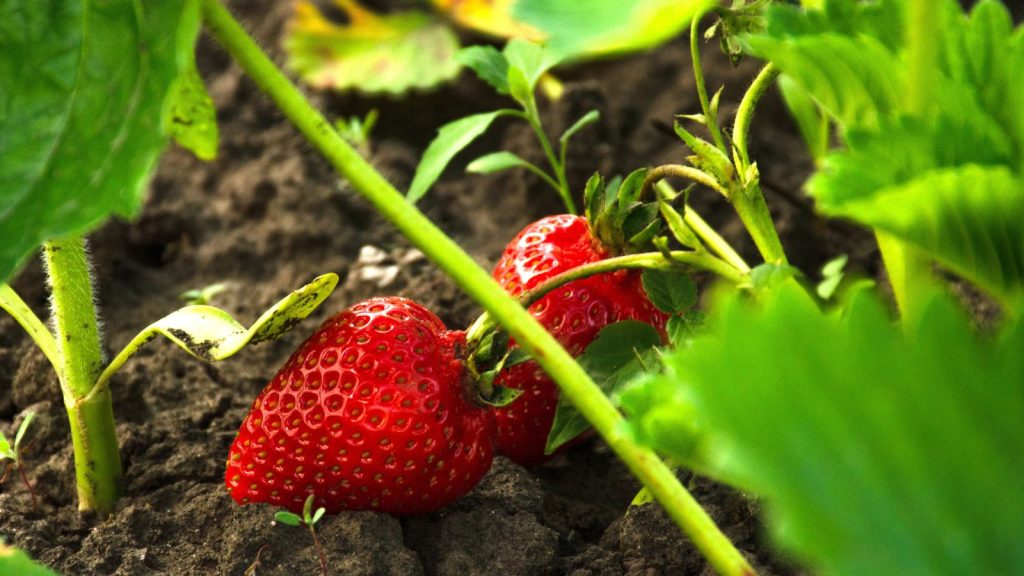
While some gardeners remain skeptical about companion planting, many have experienced firsthand the benefits of strategically pairing crops. Healthier plants, fewer pest issues, and a more abundant harvest are just a few of the advantages that make this method worthwhile. Here are 21 plants that can help your strawberries thrive.
Your Strawberries Will Thank You for Growing Them Next to These 21 Plants
32 Colorful Perennials That Will Never Leave Your Garden Once Planted

If you want to brighten your garden, consider these 32 colorful varieties that will thrive and bring life to your outdoor area year after year.
32 Colorful Perennials That Will Never Leave Your Garden Once Planted