

Raspberries are prolific producers, often providing more berries than you can eat in one season—but that’s part of their beauty. Whether you enjoy them fresh, turn them into jam, freeze them, or dry them for later use, a well-managed raspberry patch can provide a bountiful harvest year after year.
However, to get the most from your raspberry plants, choosing the right companion plants can make a significant difference. Companion planting helps raspberries thrive by improving soil quality, deterring pests, and attracting beneficial insects.
Some plants act as natural pest repellents, while others enhance pollination, enrich the soil, or provide ground cover to reduce weed competition. Understanding which plants work well with raspberries can help you grow a more productive, robust berry patch. Here are some of the best companion plants for raspberries.
Chamomile

Chamomile isn’t just a calming herb for tea—it also benefits raspberry plants. It improves plant health by strengthening neighboring plants and attracting pollinators. Chamomile’s flowers also bring beneficial insects like hoverflies, which help control pests.
Tansy
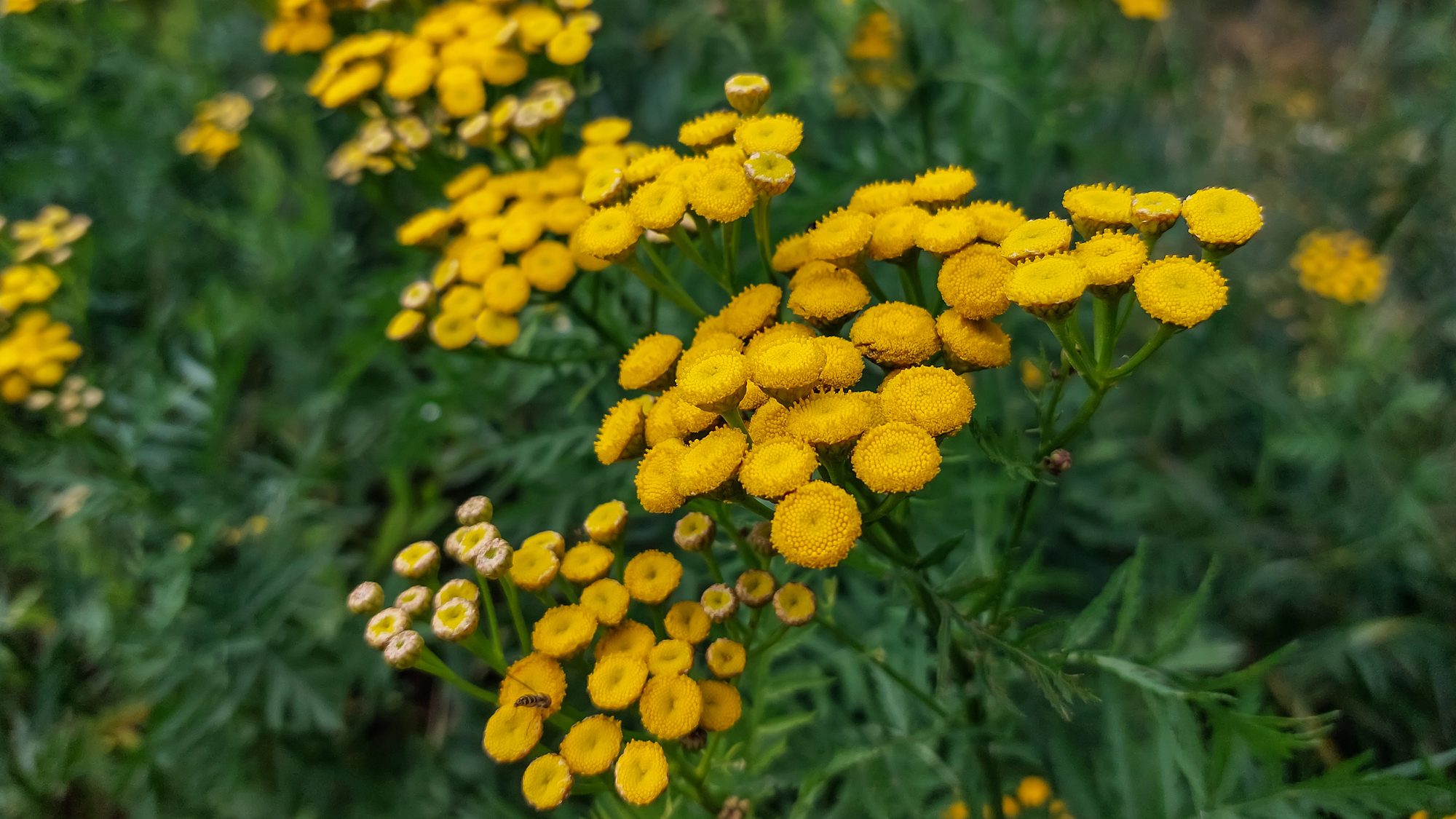
Tansy is a dual-purpose plant that attracts pollinators while repelling pests. Bees and other beneficial insects are drawn to its small, golden flowers, improving raspberry pollination. At the same time, tansy’s strong aroma helps keep away ants, beetles, and other unwanted garden pests.
Yarrow

Yarrow is a companion plant that brings in beneficial insects like ladybugs, which feed on aphids and other raspberry pests. It also attracts pollinators, increasing fruit production.
Marigolds

These vibrant flowers do more than add color to your garden—they are excellent pest repellents.
Marigolds help keep nematodes, aphids, and other harmful insects away from raspberry plants. Their strong scent can deter pests, making them a great natural solution for pest control.
Chives
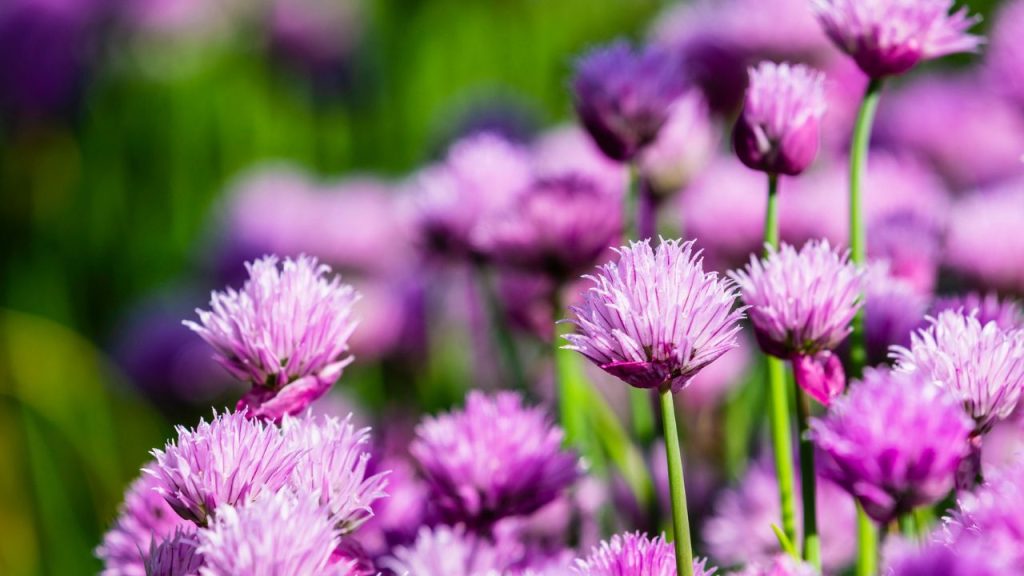
Chives are a flavorful and functional addition to a raspberry patch. Their pungent scent helps repel aphids, which can damage raspberry leaves and fruit.
Some gardeners also believe chives enhance the flavor of raspberries. However, chives spread aggressively, so keep them in check to prevent them from overtaking your garden.
Garlic

A natural pest deterrent,
Plus,
Onions

Like
Nasturtiums

Nasturtiums are an excellent companion plant for raspberries because they act as a trap crop, luring aphids away from your berries.
By planting
Clover
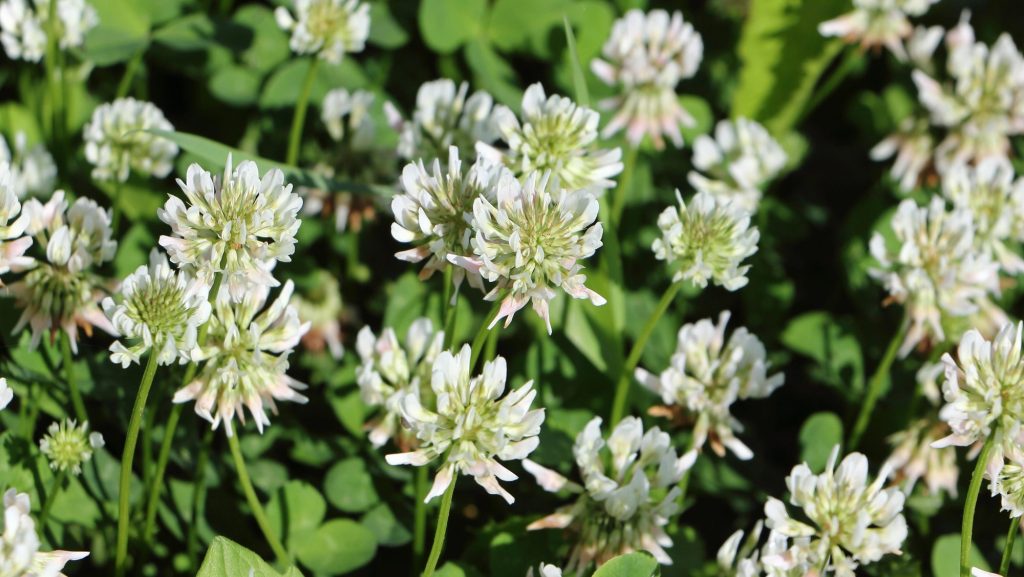
Clover is a natural nitrogen-fixer, meaning it helps enrich the soil by pulling nitrogen from the air and converting it into a form that plants can use. This benefits raspberries, which require nutrient-rich soil for healthy growth.
However, clover spreads quickly, so keep it contained to prevent it from overtaking your raspberry patch.
Borage
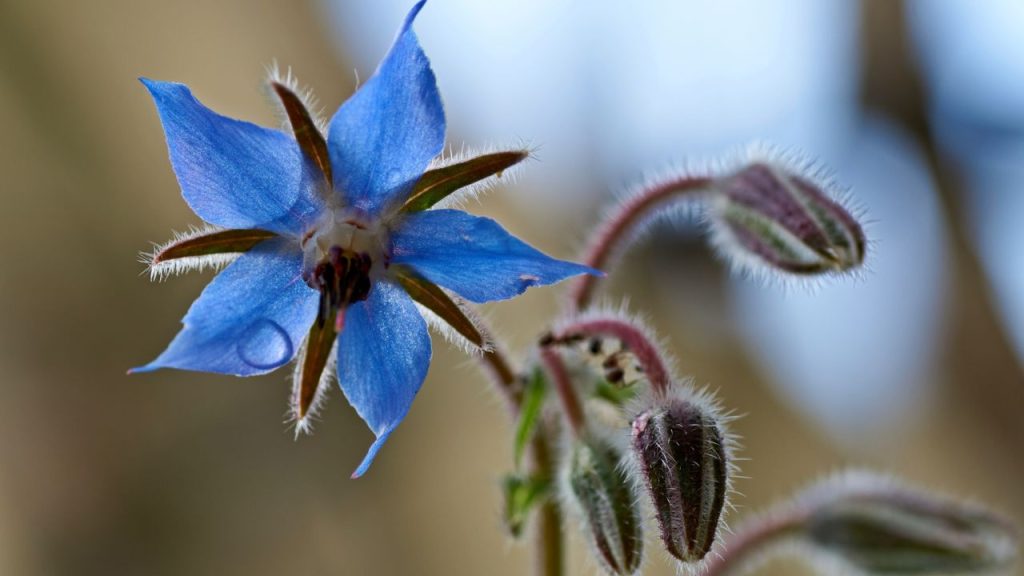
Borage is an excellent companion plant for raspberries because it attracts bees, improves pollination, and increases fruit yields. It also repels hornworms, which can damage nearby crops. As a bonus, borage leaves can be used as mulch to enrich the soil naturally.
Dill

Dill attracts beneficial insects such as ladybugs and parasitic wasps, which help control aphids, caterpillars, and other pests that might target raspberries. Additionally, its feathery foliage doesn’t compete for space, making it easy to grow among raspberry plants.
Thyme

Thyme’s strong scent is a natural deterrent for many garden pests, including cabbage worms and aphids. Its low-growing habit makes it an excellent ground cover around raspberry bushes, helping to suppress weeds and retain soil moisture without competing for nutrients.
Comfrey

Comfrey is a nutrient-rich plant that acts as a living mulch around raspberries. Its deep roots pull up minerals from the soil, making them available to neighboring plants when its leaves decompose. This natural fertilization process helps raspberries grow strong and healthy.
Fennel

Fennel attracts pollinators and predatory insects like hoverflies and lacewings, which help control aphids and other pests.
However, fennel can be aggressive and may inhibit the growth of certain plants, so it’s best to plant it at a slight distance from your raspberries rather than right alongside them.
Spinach
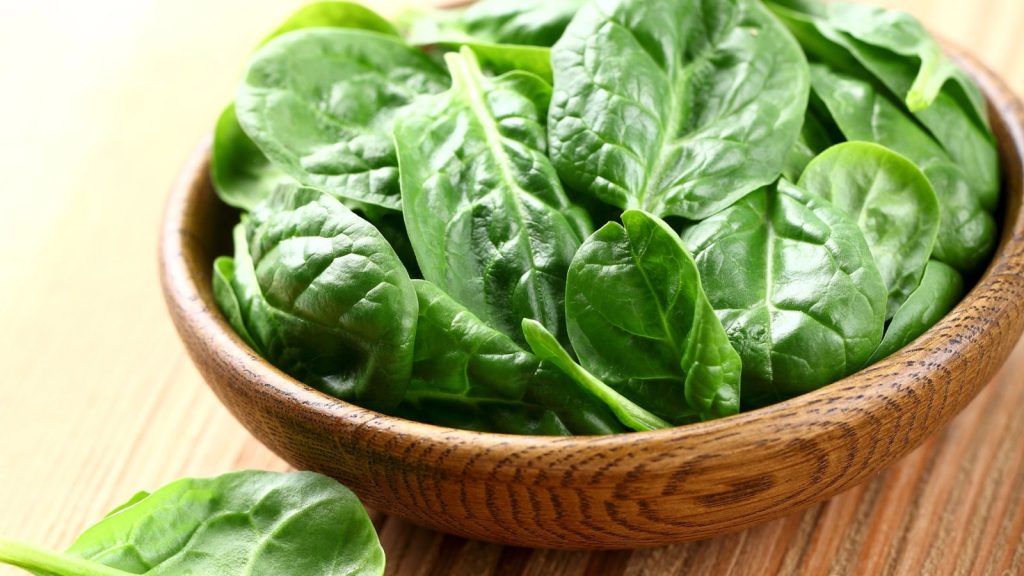
Low-growing crops like
Lettuce
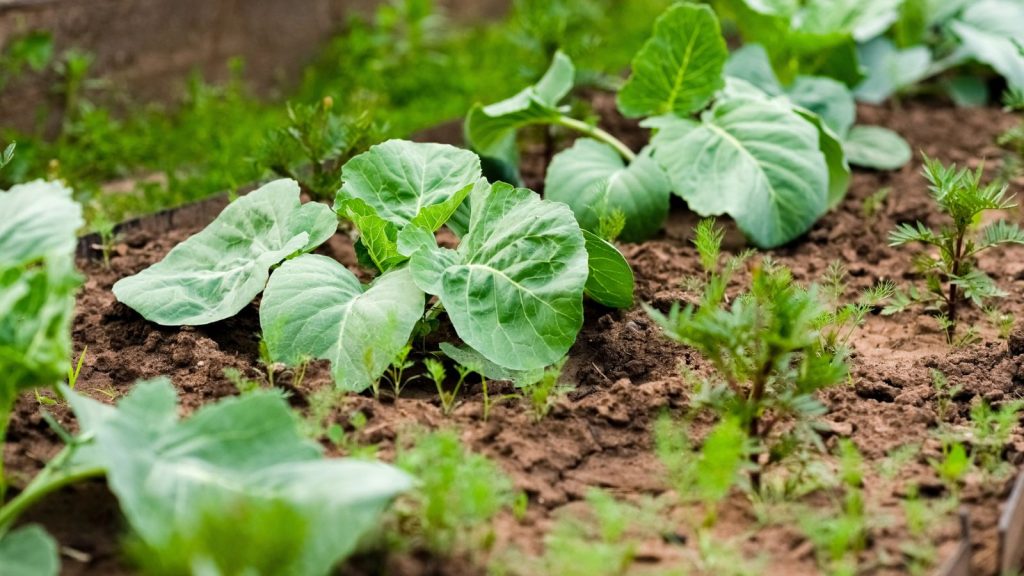
Like
12 Plants to Grow Alongside Your Blueberry Bushes to Keep Them Happy

Planting the right companion plants near blueberry bushes can help to ensure successful fruiting. Here are some plants that you should grow alongside blueberry bushes to help them thrive.
12 Plants to Grow Alongside Your Blueberry Bushes to Keep Them Happy
Grow Juicier, Tastier Tomatoes with These 15 Companion Plants

Companion planting is an age-old gardening method that can help prevent common plant issues and boost crop yields. By using some of the best companion plants for tomatoes, your harvests will be better than ever. Here are the 15 best companion plants for your tomato garden.
Grow Juicier, Tastier Tomatoes with These 15 Companion Plants
8 Best Raised Garden Beds (What to Consider Before Buying)