Weeds have a way of showing up exactly where you don’t want them—squeezing between rows of vegetables, popping up in flower beds, or creeping across garden paths. They are persistent and can compete with your plants for nutrients, sunlight, and space, eventually taking over areas you’ve worked hard to cultivate.
While a few wild plants like dandelions may have their place in pollinator gardens or natural lawns, most gardeners draw the line when weeds start choking out their veggies, herbs, or prized perennials. And while chemical weed killers promise fast results, they often come with environmental risks and can harm beneficial insects, pets, and even your soil.
Here are 16 natural ways to regain control of your garden and prevent weeds from taking over.
Plant Ground Covers

Growing alternative ground cover plants to replace grass can be a viable solution. Ground covers attract beneficial insects to your garden, reduce the need for excessive watering, and limit herbicide use.
Low-growing ground cover plants like creeping thyme, bugleweed, clover, or sweet woodruff can act as living mulch and help suppress weed growth.
14 Ground Cover Plants You Can Grow Instead of Grass
Pull Weeds by Hand

A time-tested method for weed removal is to simply pull them out by hand. If necessary, equip yourself with
Remove the Entire Root

Weeds can stubbornly regrow if any part of the root is left in the soil. When pulling weeds, make sure to remove the entire root system to prevent them from coming back.
Weeding After the Rain

Weeding is easiest after rainfall when the soil is soft. The rain makes it simpler to pull out the entire weed, including the root and helps you tell weeds apart from your plants.
Use Vinegar

With its high acetic acid content, vinegar is effective at drying out weeds. Apply it directly or diluted with salt or dish soap to target weeds without harming your plants.
14 Vinegar Hacks You’ll Wish You Knew Sooner
Pour Boiling Water

Pouring boiling water over weeds can kill them by destroying their cells. This method works well for both young sprouts and established weeds.
Apply Salt

Salt, or sodium chloride, can kill weeds by dehydrating them. Apply a saltwater solution or dry salt directly to the weeds, but avoid the soil to prevent damage.
14 Surprising Uses for Salt That Don’t Involve Cooking
Baking Soda
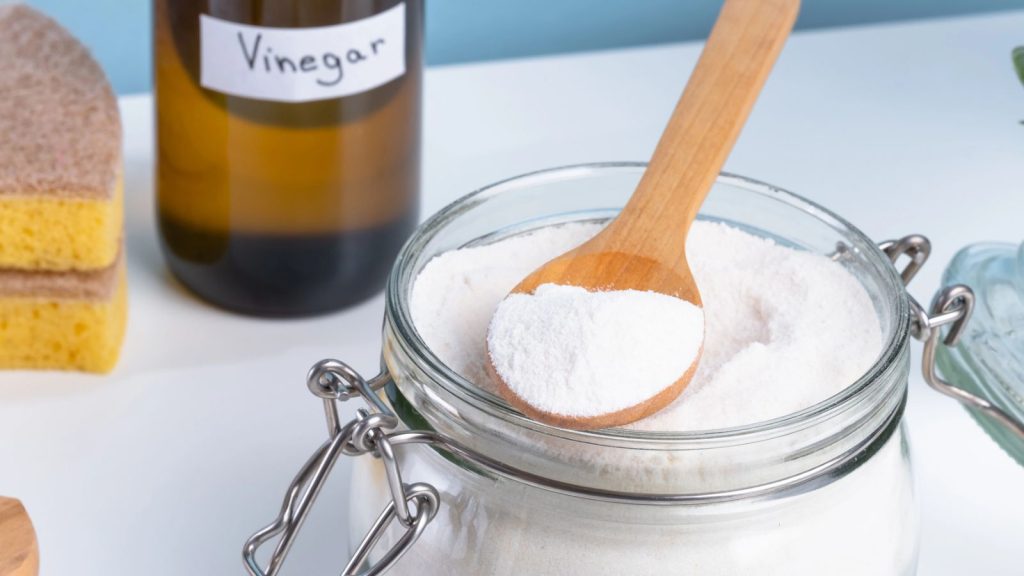
When sprinkled over weeds, baking soda can dehydrate and kill them. For best results, mix with water or apply to moist soil.
19 Clever Ways You Can Transform Your Entire House With Baking Soda
Mulch It

Mulch can block sunlight from reaching weeds, preventing their growth. Lay a thick layer of mulch over the soil to keep weeds at bay.
How to Mulch a Vegetable Garden
Use a Newspaper or a Cardboard

Lay down sheets of cardboard or layers of newspaper over weedy spots, then top with mulch. This simple barrier blocks sunlight and air, making it nearly impossible for weeds to survive. As the paper breaks down, it feeds the soil and attracts earthworms, giving you healthier soil and fewer weeds.
Apply Rubbing Alcohol Solution

Rubbing alcohol can effectively dehydrate weeds. Mix it with water (and, optionally, a surfactant like dish soap) and spray directly onto the weeds.
15 Surprising Ways To Use Rubbing Alcohol
Cornmeal Suppressant

Dehydrating cornmeal can prevent weed seeds from germinating. Sprinkle it on garden beds to suppress new weed growth.
Crowd Them Out
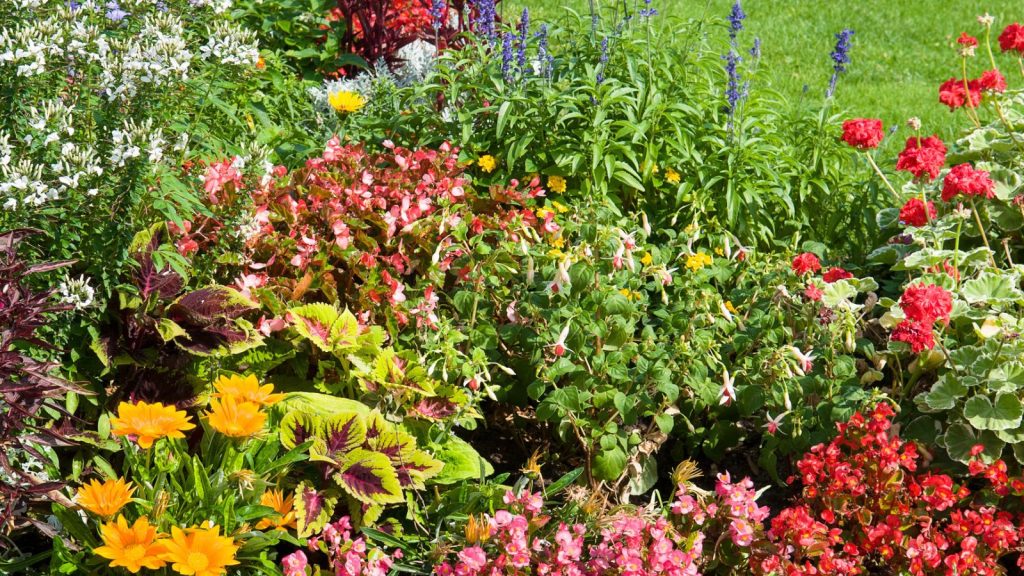
Plant your garden densely to leave less room for weeds to take hold. Healthy, closely spaced plants can naturally suppress weed growth by outcompeting it for sunlight and nutrients.
Hoe Regularly

Using a sharp hoe to cut weeds just below the surface is quick and effective, especially for small annual weeds. Hoe on dry days so uprooted weeds dehydrate and don’t re-root.
Landscape Fabric

Installing landscape fabric, also known as weed barrier cloth, can prevent weeds from growing. It’s best used in garden beds where you don’t plan on planting annuals or in areas around shrubs and trees.
Be Consistent

One of the best natural weed-control strategies is persistence. Weeds are opportunistic, so regular attention—spot-pulling and mulching-is needed to keep them from getting out of hand.
22 Perennials That Will Take Over Your Garden (And Not in a Good Way)

If you want a thriving, low-maintenance garden without unexpected headaches, it’s best to think twice before planting these problematic perennials.
22 Perennials That Will Take Over Your Garden (And Not in a Good Way)
15 Shade Loving Perennials That Won’t Overrun Your Garden

If you’ve been hesitant to plant perennials in the shadier parts of your garden, these choices will change your mind. These hardy plants thrive without direct sunlight, bringing rich foliage and colorful blooms to areas where other plants might struggle.
15 Shade Loving Perennials That Won’t Overrun Your Garden
20 Flowering Shrubs That Will Make Your Garden Look Like a Work of Art
If you’re looking to bring a gorgeous touch to your landscape, here are 20 flowering shrubs that will make your garden look like a work of art.
20 Flowering Shrubs That Will Make Your Garden Look Like a Work of Art