Gardening under trees comes with unique challenges—limited sunlight, dry soil, and competition for nutrients can make it difficult for many plants to thrive. The dense canopy of trees blocks out light while their roots quickly absorb moisture, leaving little for anything growing beneath them. But that doesn’t mean the space under your trees has to remain barren.
With the right selections, you can fill those shady spots with hardy, beautiful plants that don’t just survive but thrive. These plants will bring life to even the most overlooked areas of your garden. If you’ve been avoiding planting under trees, these choices will show you that even the shadiest corners can become vibrant, lush, and full of character.
Crocus (Crocus spp.)

With over 80 crocus varieties, these dainty flowers are among the first to emerge in early spring, bringing a welcome pop of color as winter fades. These plants work well for growing under trees.
- Color: Purple, white, yellow, striped
- Spacing: 3 inches apart
- Height: 3-6 inches
- Flowering Period: Late winter to early spring
Periwinkle (Vinca minor)

Periwinkle, or creeping myrtle, forms a dense mat of glossy green leaves and blue or purple flowers. It is established quickly in shady areas and requires little maintenance.
Plant young plugs about 12 inches apart in spring or fall to grow a periwinkle lawn. Water regularly and prune the outer edges to control the lawn’s spread.
16 Stunning Purple Perennial Flowers That Will Make Your Garden Pop
Bugleweed (Ajuga reptans)

Bugleweed is a vigorous, fast-spreading ground cover known for its striking foliage, which ranges from deep green to bronze and rich purple tones. This low-growing perennial is visually appealing and highly effective in suppressing weeds and stabilizing soil, making it an excellent choice for erosion control.
Thriving in partial to full shade, bugleweed is particularly useful for filling large, shaded areas where other plants may struggle to grow. It’s low-maintenance, but since this plant is a rapid grower, it’s important to watch its runners, as they can quickly extend beyond the intended space.
Azaleas

Azaleas dazzle with spring blooms in vivid shades, and some varieties offer foliage that lasts all year. They enjoy slightly acidic, well-drained soil and can brighten sunny and partially shaded spots.
Rhododendron (Rhododendron spp.)

Rhododendrons are striking evergreen shrubs known for their vibrant, showy blooms in bold colors. They thrive in the dappled shade beneath trees, where their preference for acidic soil makes them an ideal under-the-canopy companion. With their lush foliage and stunning flowers, they bring year-round beauty to shaded garden spaces.
Meadow Anemone (Anemone canadensis)

Anemones, ideal for cut flower arrangements, bloom in the fall with delicate, poppy-like flowers. For the healthiest growth, plant them in partial shade with fertile, moist soil that drains well but doesn’t dry out too quickly. Divide the clumps every few years to keep your anemones vigorous and produce more blooms.
The Prettiest White Flowers To Plant in Your Garden Now
Sweet Woodruff (Galium odoratum)

Sweet woodruff is an excellent choice for woodland gardens and shaded areas. The green whorled leaves and delicate white flowers create a dense carpet that needs very little maintenance.
Plant sweet woodruff in the spring or fall, spacing plugs 12 inches apart. Sweet woodruff spreads rapidly to fill the gaps and cover the soil.
Columbine (Aquilegia)

Columbine’s delicate, bell-shaped flowers appear in spring, adding early-season interest to the garden. Available in a range of colors, Columbine does well in partially shaded areas under trees. These elegant perennials will also attract hummingbirds and deter deer in zones 3-9.
Snowdrop

Snowdrops thrive in clay soil if it is not too compacted and is well-drained. They bloom in late winter and present delicate white flowers. Snowdrops perform well in partially shaded areas, especially under trees.
Turtlehead

Named for its unique flower shape, which resembles a turtle’s head, Turtlehead thrives in moist, shaded areas, providing late-season color with its pink or white blooms. This plant pairs nicely with small shrubs and will grow well under other trees that allow filtered light. Zone 3-8
Virginia Bluebells

Native to the Eastern U.S., these plants feature pale green leaves and stalks of tubular blue flowers, transitioning from pink to clear blue before going dormant. They naturalize well, creating breathtaking drifts of color in spring.
Bleeding Heart

Known for its heart-shaped flowers on arching stems, Bleeding Heart is a beautiful addition to shady spots. This plant requires rich garden soil that doesn’t dry out but drains well. It is the longest blooming of all the perennials and grows up to 15 inches. Zones 3-9
Ladybells

Ladybells boast delicate, bell-shaped flowers, offering a touch of grace to any shaded garden. They thrive under the canopy of trees, brightening up shaded spaces. This cheerful plant is a low-maintenance plant that spreads but is not invasive. Zones 3-9
Jack in the Pulpit

This plant has a unique shape that looks like a pulpit, adding an exciting touch to shaded garden areas. Jack in the Pulpit is far from fussy and doesn’t require much maintenance. It tolerates heavy shade and looks striking when planted near low-growing ferns. Zones 4-9
European Wild Ginger

European Wild Ginger presents a lush carpet of glossy, heart-shaped leaves, perfect for ground cover in shaded areas. Its subtle, reddish-purple flowers bloom close to the ground, and the roots smell of ginger when bruised or cut – hence its name. Shade is a must with this plant; it needs rich, moist, and well-drained soil to flourish. Zones 4-8
Hardy Begonia

Hardy Begonia features beautiful, heart-shaped leaves and delicate flowers. It’s a resilient choice for adding a splash of color to the shaded parts of the garden. This plant does best in partial to heavy shade in rich, moist, well-drained soil. Zones 6-9
Japanese Painted Fern

Japanese Painted Fern brings grace to shaded areas with its silver-green fronds and purple accents. It’s perfect for adding texture and color contrast. Grow this fern in sheltered, shady spots near water sources such as streams and ponds. Zones 4-8
Lenten Rose

Lenten Rose, or Hellebores, blooms early, offering flowers in shades from white to deep burgundy. It’s a hardy, low-maintenance perennial for the shade garden. Zones 4-10
Hostas

Hosta is valued for its stunning foliage in various shapes and colors, complemented by lily-like flowers. It’s a staple for shaded gardens, providing reliable beauty.
Woodland Phlox

Woodland Phlox covers the ground with fragrant flowers in spring, ideal for adding a splash of color beneath trees or along shaded pathways.
Soloman’s Seal

Soloman’s seal is a beautiful woodland plant that produces a sea of delicate white blooms above a mass of dense green foliage. This plant grows best in a shaded, damp location. This plant grows well with black walnut trees.
Foamflower

Foamflower is a charming ground cover with white or pinkish flowers rising above variegated foliage, perfect for a woodland garden. It is a tough plant that requires little care to grow and flower. Zones 3-9
Bloodroot

Bloodroot produces striking white flowers and beautiful gray-green leaves in early spring. When planting, choose a spot with partial shade and rich, woodsy soil that retains moisture and is well-drained. Zones 3-9
Spotted Lungwort

This plant has spotted leaves and pink to purple flowers. It is easy to care for, but it loves the shade. They work well under trees in Zones 3-9.
14 Pretty Flowering Shrubs and Bushes to Boost Curb Appeal
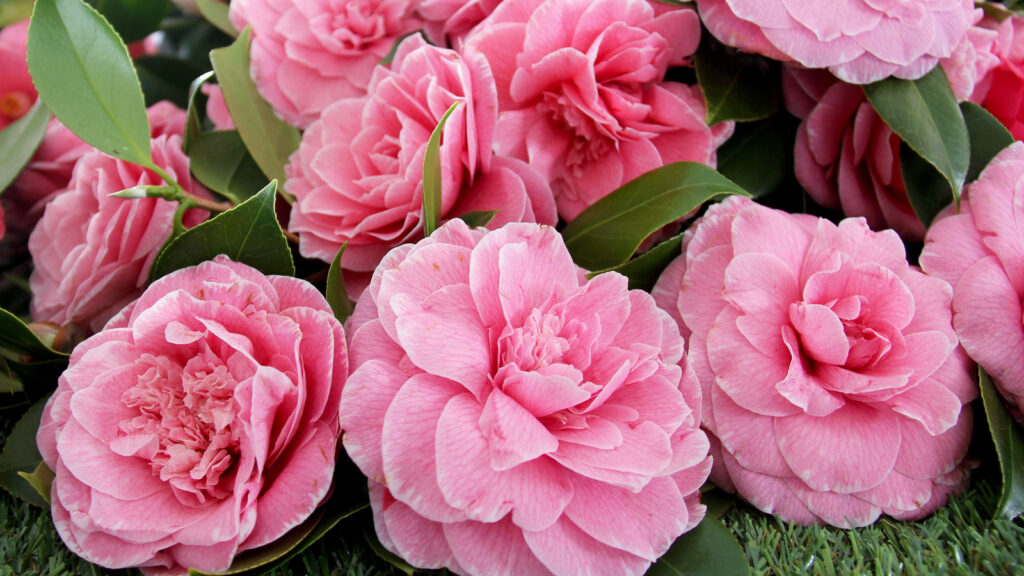
Choosing the right shrubs and bushes is important for both appearance and functionality in your landscape design. These plants help increase your home’s curb appeal by providing color and beauty from spring through fall. Here are 14 attractive flowering shrubs and bushes to enhance your curb appeal.
14 Pretty Flowering Shrubs and Bushes to Boost Curb Appeal
How to Keep Deer from Ruining Your Tomato Harvest

Though deer are nice to watch, they can cause problems in the garden, particularly when they start munching on tomatoes. To help you protect your tomato plants this season, here are 15 strategies to keep deer at bay.
How to Keep Deer from Ruining Your Tomato Harvest
17 Plants That Will Keep Squirrels From Eating Your Garden

To help you safeguard your garden, we’ve handpicked 17 plants Squirrels tend to avoid due to their taste, smell, or texture.
17 Plants That Will Keep Squirrels From Eating Your Garden
12 Plants to Grow Alongside Your Blueberry Bushes to Keep Them Happy

Planting the right companion plants near blueberry bushes can help to ensure successful fruiting. Here are some plants that you should grow alongside blueberry bushes to help them thrive.
12 Plants to Grow Alongside Your Blueberry Bushes to Keep Them Happy