Imagine the delight of watching wild birds visiting your garden for a tasty treat – what a beautiful and awe-inspiring sight! Feeding wild birds is a great way to connect with nature and support local wildlife, but it’s important to do so responsibly.
Filling a bird feeder with the right foods can make a big difference in attracting a variety of birds to your yard. While birdseed is a popular choice, there are many other options that can provide essential nutrients and keep your feathered visitors coming back.
If you’re looking for ideas to fill your bird feeder, here are some great options to consider.

Wagner's Farmer's Delight Wild Bird Food is a clean blend of millet, milo, cracked corn and sunflower. This general purpose mix is great for attracting all birds, especially ground feeders.
Mixed birdseed blends
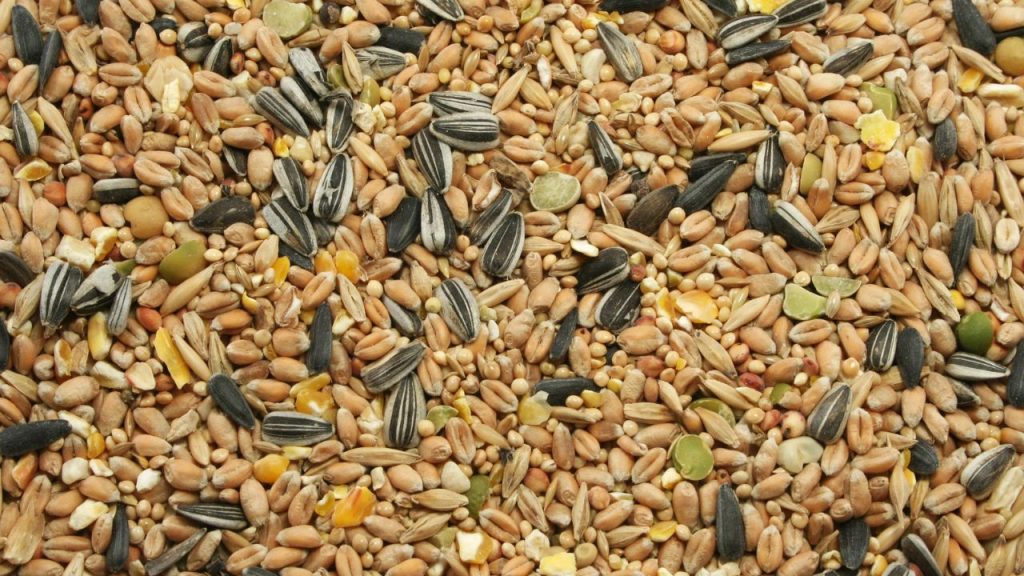
The simplest way to feed wild birds safely is to purchase a premixed blend of seeds. High-quality mixes containing sunflower seeds, millet, and cracked corn cater to a variety of bird species and help support biodiversity in your backyard.
Black-oil sunflower seeds

Black-oil sunflower seeds are a favorite for many bird species due to their high fat content and thin shells, making them easy to eat and highly nutritious.
Nyjer seeds
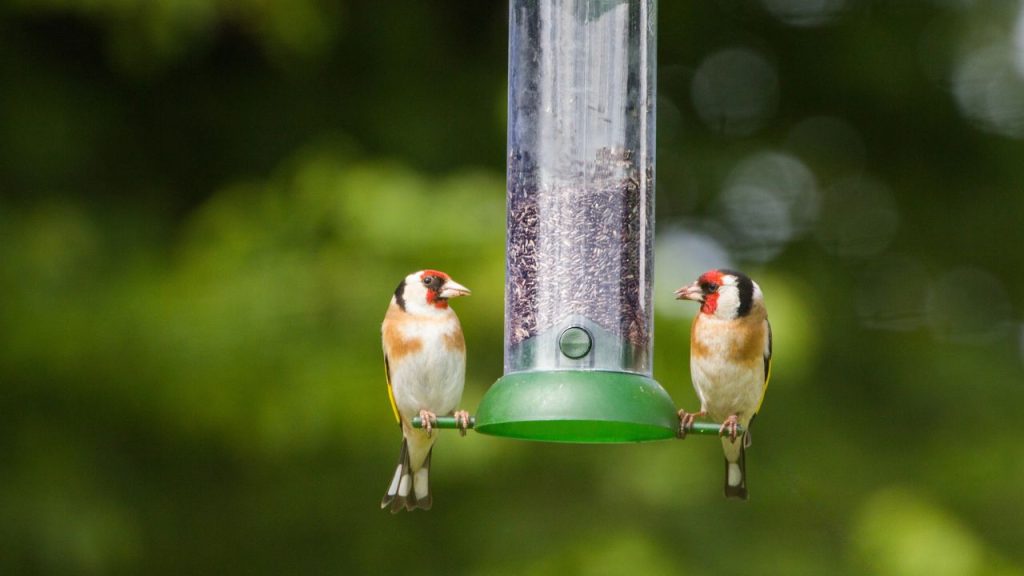
Nyjer seed, also known as thistle seed or niger seed are Perfect for finches and small songbirds. These seeds are rich in oils and small enough for smaller beaks to handle.
Suet
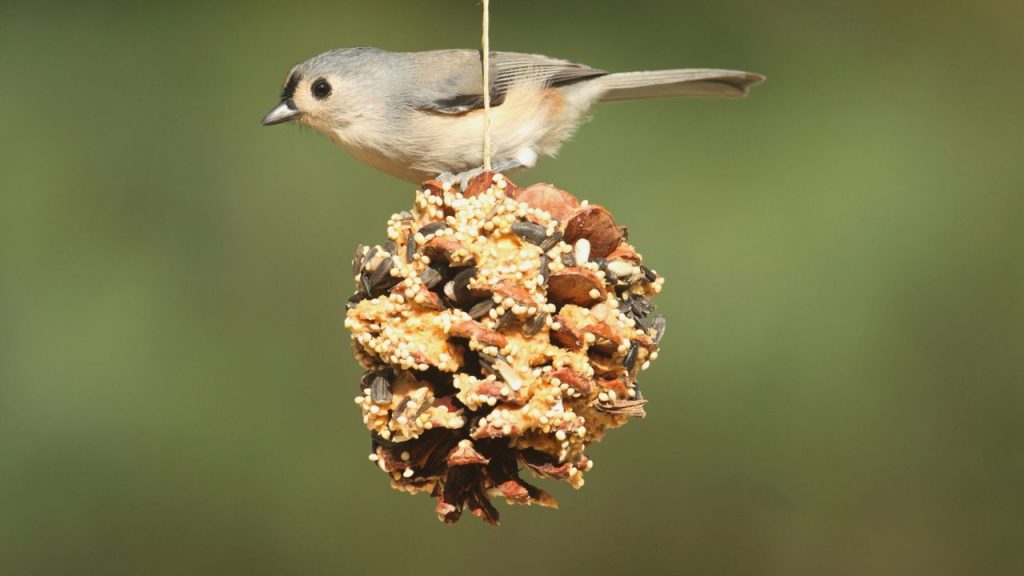
A high-energy food made of animal fat, suet is excellent for insect-eating birds like woodpeckers and nuthatches, especially during cold months.
Peanuts (unsalted and shelled)

Peanuts provide protein and fat, making them a great option for larger birds like jays and titmice. Whole peanuts can be a choking hazard for small birds, so make sure to chop or crush them first.
Millet

Millet is a versatile seed enjoyed by ground-feeding birds such as sparrows, doves, and juncos.
Safflower seeds

Safflower seeds are nutritious and less appealing to squirrels, making them a good choice for attracting cardinals, chickadees, and grosbeaks.
Cracked corn

Cracked corn is a good option for ground-feeding birds like quails, doves, and pheasants, cracked corn is an affordable and energy-rich food source.
Berries

Many types of berries are a natural food source for species like orioles, robins, and waxwings, providing vital vitamins and energy.
Mealworms

A favorite of bluebirds, wrens, and chickadees, mealworms are a high-protein treat that mimics natural insect prey.
How to feed wild birds safely

Follow these simple tips to enjoy feeding wild birds without risking their health:
- Place feeders in safe locations away from predators
- Clean feeders regularly to reduce the risk of disease spread and mold buildup
- Provide fresh water for drinking and bathing
- If your feeder is overcrowded, place extra feeders in different locations
- Pay attention to seasonal needs – offer high-energy foods in winter, and seeds or fruit in spring and summer
14 Homemade Bird Feeders to Fill Your Garden With Beautiful Birds

Making a bird feeder isn’t just a fun project—it’s also a chance to connect with nature and involve the whole family. With these 14 DIY bird feeders, you’ll be creating a welcoming space for your feathered friends.
14 Homemade Bird Feeders to Fill Your Garden With Beautiful Birds