

Blackberries are among the easiest fruits to grow. In addition to providing an abundance of delicious fruit, blackberry bushes boost biodiversity and can be used to create a natural hedgerow.
However, as with any plant, choosing the right blackberry companions is essential. Careful companion planting can boost soil health, deter pests, attract beneficial insects, and guarantee huge yields of delicious blackberry fruits.
So, let’s explore the best plants to grow alongside your blackberry bushes.
Garlic

The strong aroma of
Chives
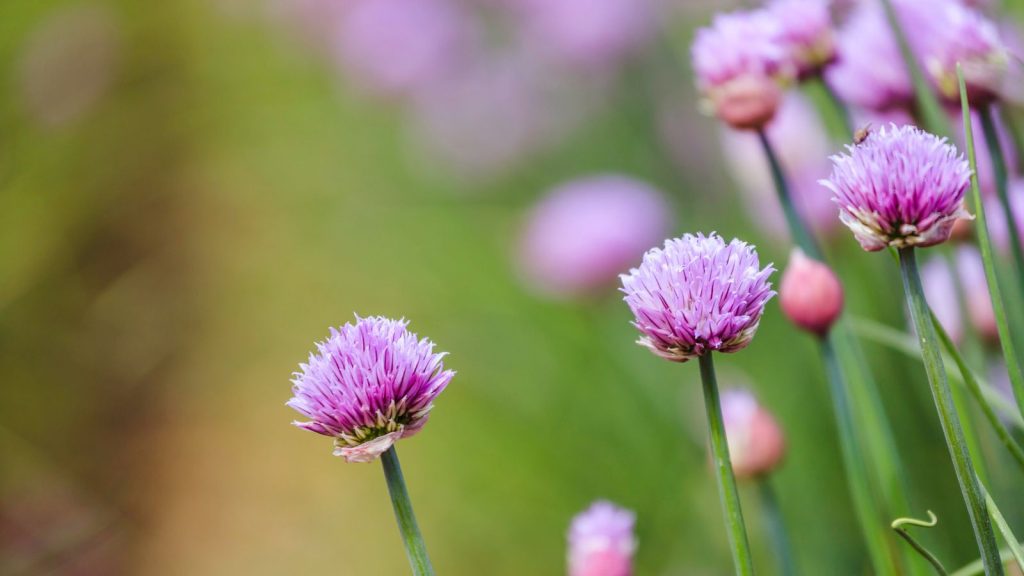
Like
Nasturtium
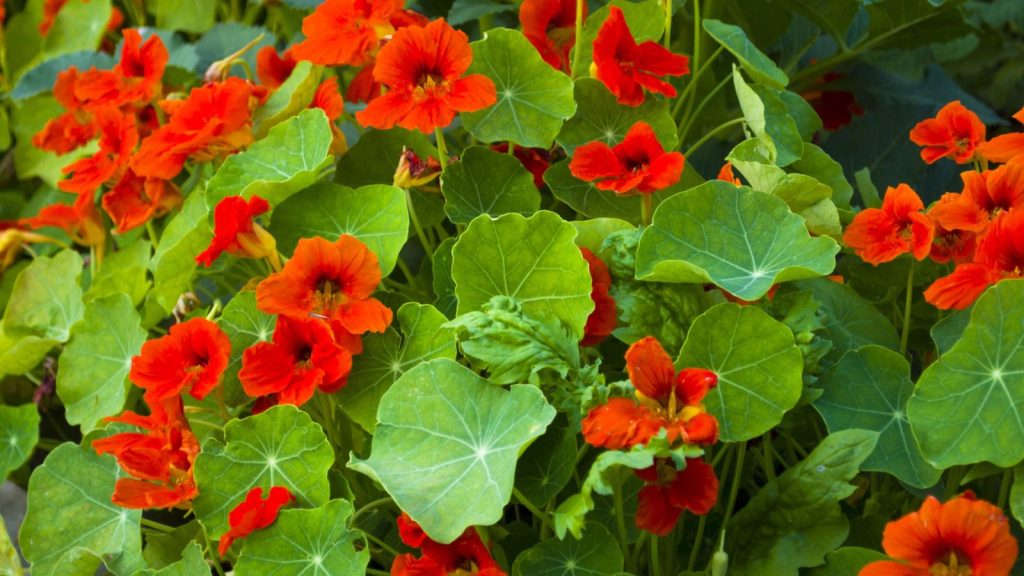
If aphids are a recurring problem in your garden, I’d strongly advise growing
Here’s Why You Need to Grow Nasturtiums in Your Garden This Year
Comfrey

While many plants can deplete nutrient levels in the soil, comfrey has the opposite effect. This powerhouse plant is a dynamic accumulator—the tap roots bring up nutrients from deep in the soil, making them available to shallower-rooted plants. The dense leafy growth can be used as a mulch or to make a nutrient-rich compost tea.
Clover
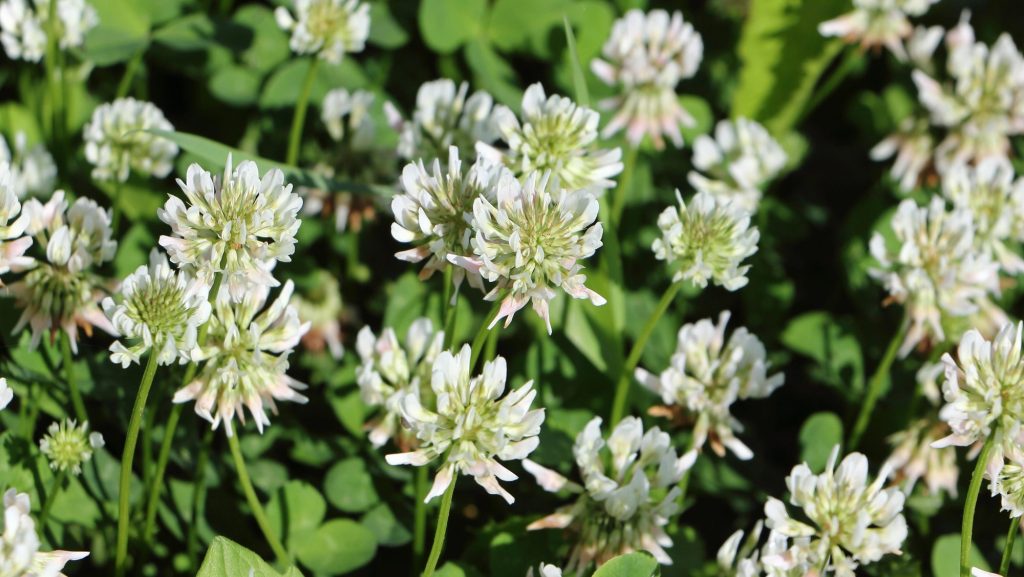
A dense mat of clover planted around blackberry bushes provides ground cover to suppress weeds and conserve moisture. Clover is also a nitrogen-fixer, boosting nutrient levels in the soil that enhance plant growth.
Marigolds

Marigolds repel harmful nematodes and aphids while attracting useful insects that pollinate blackberry bushes. They also bloom all summer, creating a beautiful carpet of floral color in your fruit garden.
Why Marigolds Deserve a Spot in Your Garden Year After Year
Borage
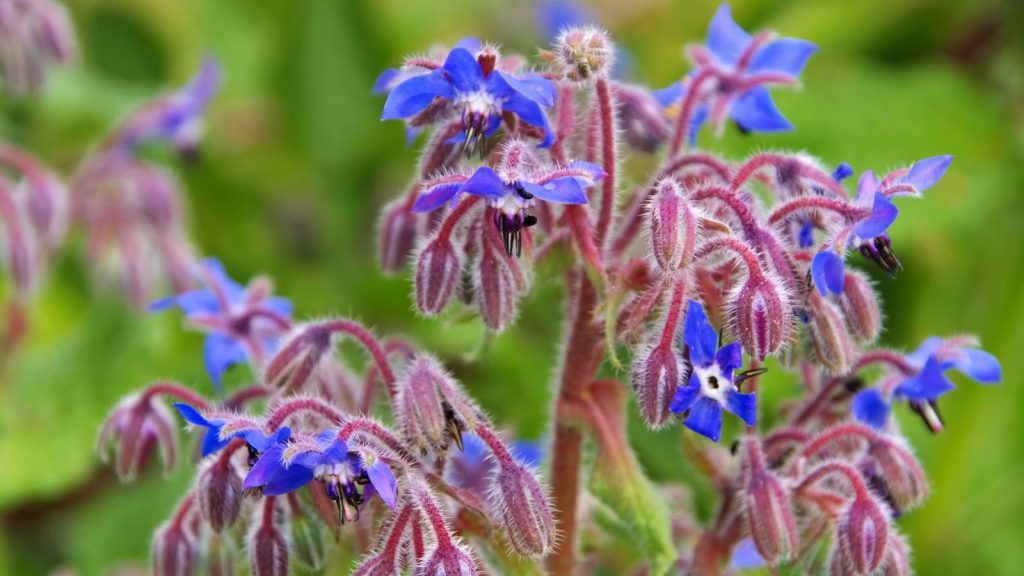
Plant some borage, and you’ll be amazed at the number and variety of insects these beautiful plants attract! As well as bringing an abundance of bees and other beneficial insects into your garden, borage can also improve soil health and fertility.
Yarrow
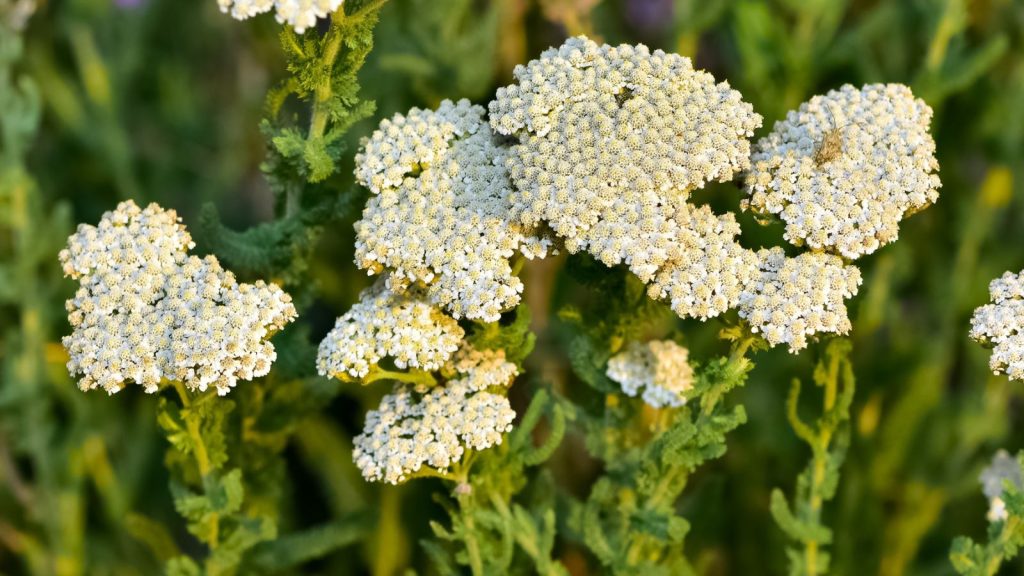
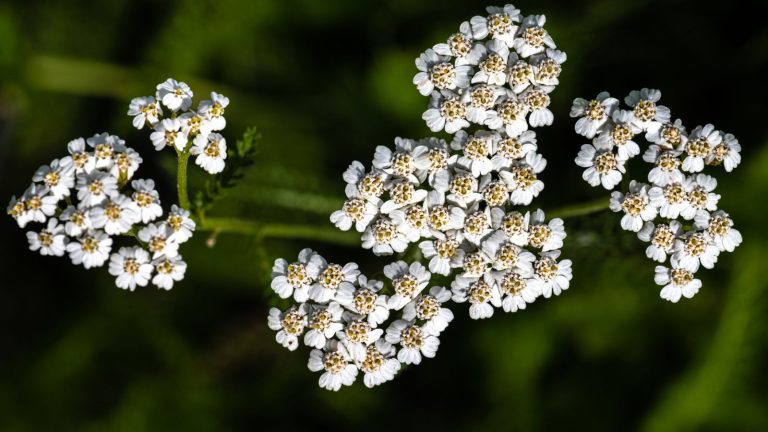
Yarrow is often overlooked as a companion plant, but this beautiful, low-maintenance perennial is a favorite food source for beneficial insects like ladybugs and hoverflies. It thrives in dry, arid ground and can improve soil health by accumulating nutrients via its extensive root system.
Beans
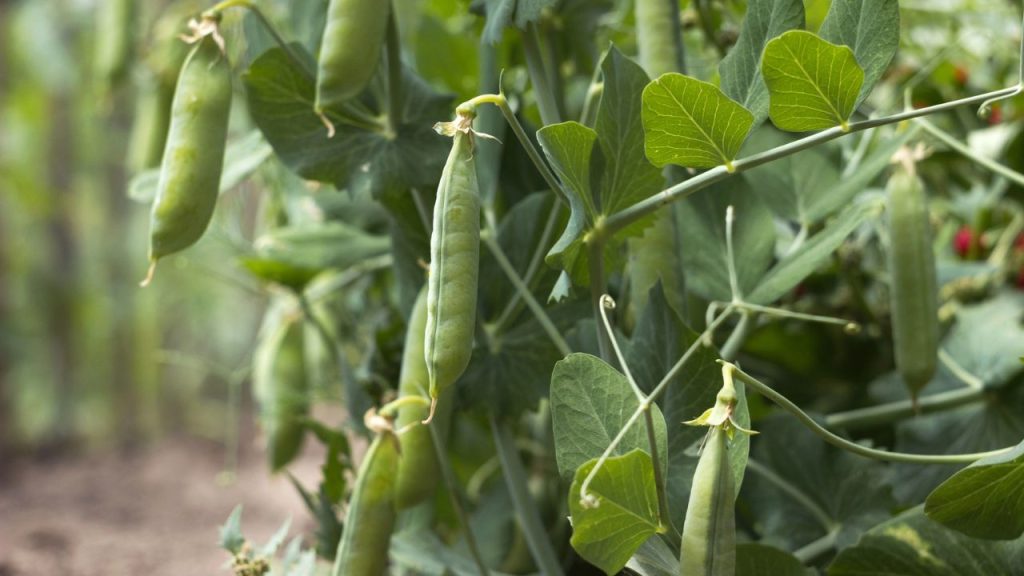
Beans are nitrogen fixers, enriching the soil with essential nutrients. Low-growing
Oregano

Oregano creates a dense mat of leafy ground cover, helping to suppress weeds and retain moisture in the soil. The delicate flowers will draw in beneficial insects like bees and butterflies, boosting biodiversity in your garden.
Rhubarb

Rhubarb benefits from the shade created by blackberry bushes, ensuring you have a good crop of this culinary favorite all summer.
Thyme

Aromatic thyme repels pests like cabbage worms, aphids, and flea beetles, helping to keep them away from your blackberry bushes. This delicious herb also attracts beneficial insects that boost pollination and control pest populations.
Mint
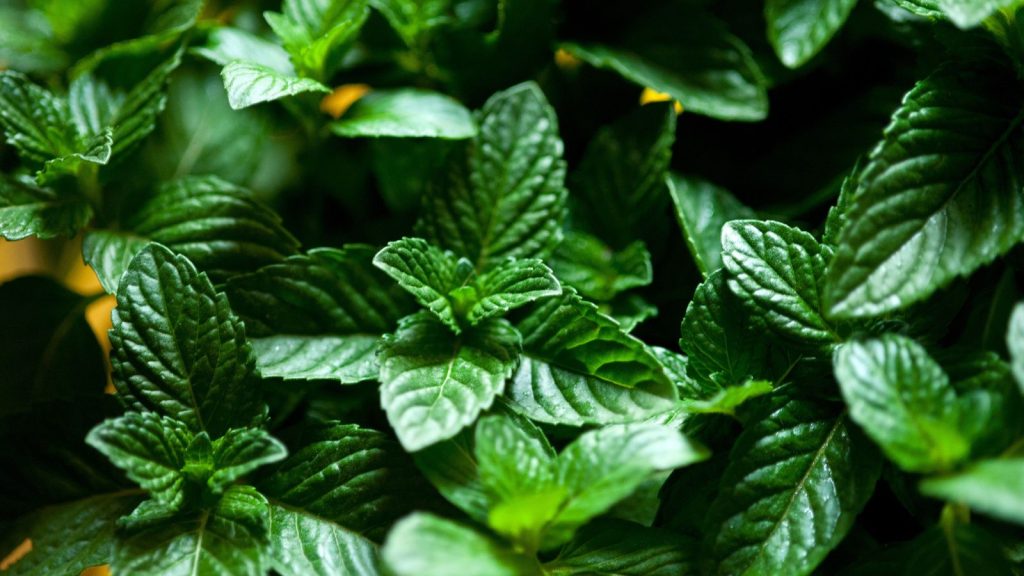
Ants can be a big problem with blackberry bushes – they ‘farm’ aphids on new growth for the sweet honeydew they produce.
Plant a border of mint around your blackberry bushes, and you’ll find that ants soon give it a wide berth! Remember that mint can be incredibly vigorous and invasive, so cut it back regularly to keep it in check.
Calendula

Calendula has a distinctive musky fragrance that repels hornworms, aphids, and flea beetles from your vegetable plot. It is easy to grow and perfect for your vegetable garden.
38 Perennial Flowers That Deliver Gorgeous Blooms Every Blooming Season

Perennial flowers are a great way to add lasting color to your garden, returning year after year to keep it looking vibrant. If you’re looking to brighten your garden, check out these 38 colorful options that thrive and come back every season.
38 Perennial Flowers That Deliver Gorgeous Blooms Every Blooming Season
12 Natural Ways to Get Rid of Weeds in Your Garden

While we may tolerate certain weeds like dandelions, most gardeners aim to remove these undesired plants from their gardens—for good. To help you get rid of weeds in your garden, here are 12 natural methods to consider.
12 Natural Ways to Get Rid of Weeds in Your Garden
11 Impressive Trees You Can Tap for Sap and Syrup
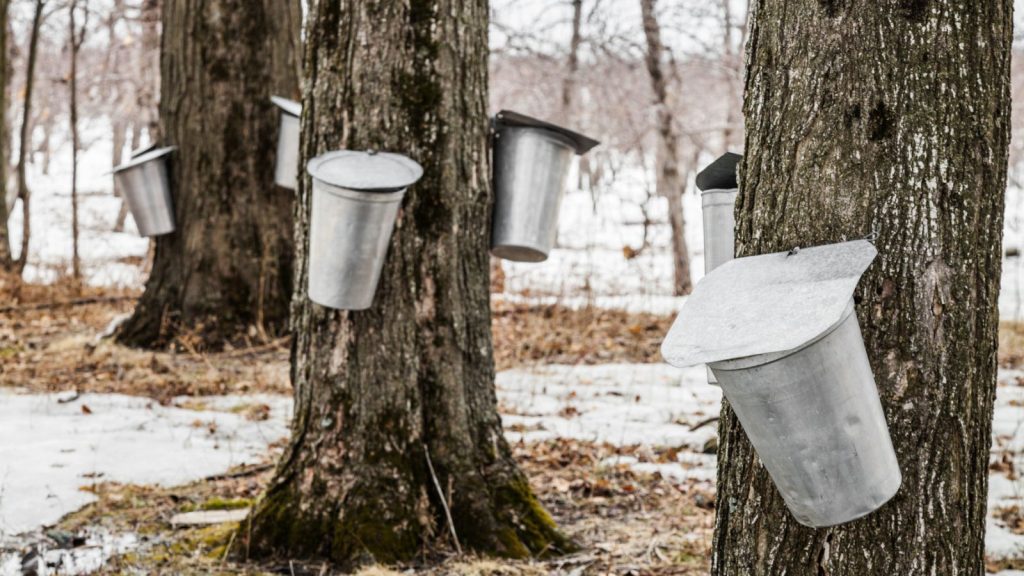
Tapping trees is an age-old skill that is often overlooked by modern-day homesteaders. But when you realize that tree sap can be used to make syrup, candy, vinegar, natural sweeteners, and fermented drinks, this free resource becomes far more appealing!
11 Impressive Trees You Can Tap for Sap and Syrup

Kate Chalmers
Kate is a passionate gardener who has a keen interest in all things related to homesteading and sustainability. She resides in Portugal with her husband and menagerie of animals and has over 15 years of experience in the UK veterinary industry. In 2020, Kate and her husband took on a dilapidated Portuguese house and abandoned olive grove, turning it into an abundant food forest and home for nature.
Life on the homestead is never the same from one day to the next, and Kate has mastered many skills that she is keen to pass on to anyone with an interest in becoming more self-sufficient. Kate believes that living a sustainable lifestyle is the key to happiness and fulfillment and that everyone can make simple changes that connect us back to nature and reduce our impact on the planet.