It can get a little repetitive and boring to plant the same group of flowers annually for pollinators. If you want to try something unique, here are 16 underrated pollinator plants you should grow this season. They might be lesser-known plants, but a lot of them attract even more pollinators than the ones you’re used to.
1. Mountain Mint (Pycnanthemum)
Mountain mint doesn’t look like much until it blooms, then it becomes a magnet for pollinators. The small white flowers form clusters at the top of stems and attract native bees, wasps, and butterflies by the dozens. It’s not uncommon to see different pollinator species feeding on one plant at the same time.
This native perennial grows 2-4 feet tall and spreads slowly to form colonies. It thrives in full sun to partial shade in USDA zones 4-8 and tolerates both wet and dry conditions once established. The leaves smell minty when crushed, and deer avoid them completely. Cut it back in late fall or early spring, and divide clumps every few years if they get too large.
2. Anise Hyssop (Agastache foeniculum)
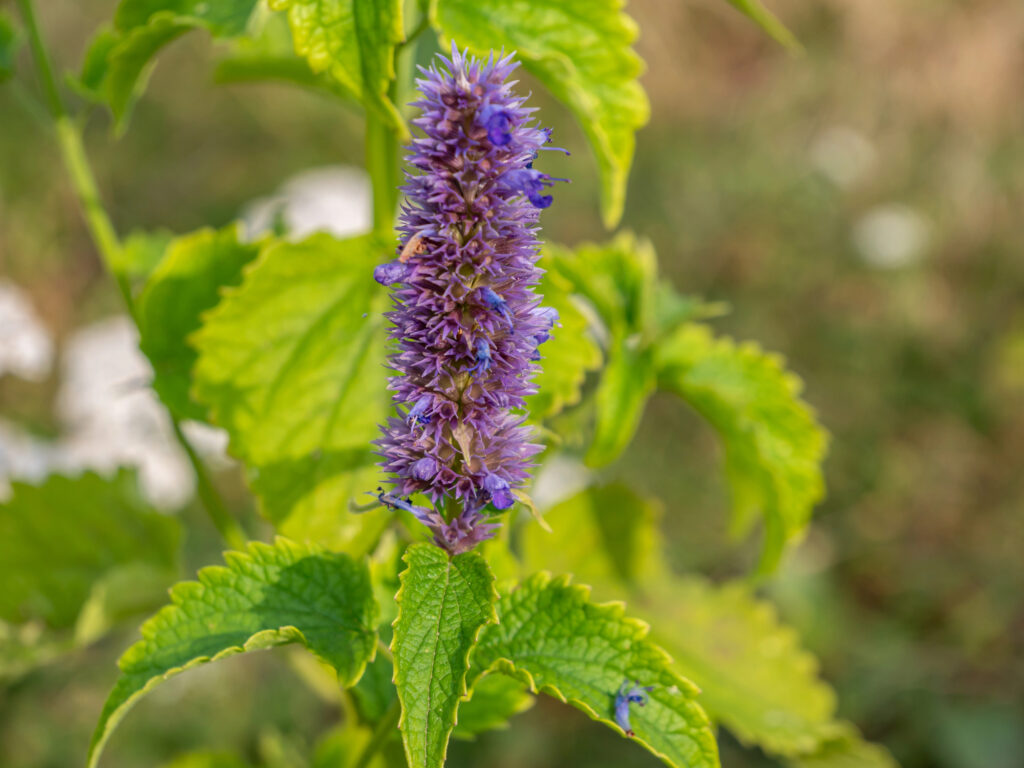
Anise hyssop produces fragrant purple flower spikes that smell like licorice. They have a long blooming period from midsummer through fall, with pollinators like bees and hummingbirds visiting regularly. The flowers also make excellent cut flowers and dry well for arrangements.
Anise hyssop is an easy-care perennial that grows in USDA zones 4-8 in full sun and well-drained soil. It self-seeds readily, tolerates drought once established, and rarely needs fertilizer.
3. Culver’s Root (Veronicastrum virginicum)
Culver’s root is a perennial with tall white flower spikes that can reach 6 feet high. The spires bloom from bottom to top over several weeks, providing a steady supply of nectar for butterflies and native bees.
Culver’s root grows well in USDA zones 3-8 and in full sun to partial shade, with moist, rich soil. It takes two years to establish but after, requires minimal care.
4. Joe Pye Weed (Eutrochium purpureum)
Joe Pye weed produces massive clusters of pink-purple flowers that attract swallowtail butterflies like magnets. The plant blooms in late summer, and its nectar-rich flowers can support dozens of butterflies at once.
Joe Pye weed reaches 4-7 feet and needs space to spread. It grows best in full sun to partial shade with moist soil in USDA zones 3-9. The plant tolerates wet conditions that would kill other perennials.
5. Blue Vervain (Verbena hastata)
Blue vervain produces slender purple flower spikes that bloom from bottom to top over many weeks. Pollinators like long-tongued bees and butterflies love the small flowers, and the extended bloom time means they get a steady supply of nectar, even as other flowers fade.
Blue vervain thrives in full sun to partial shade with moist soil in USDA zones 3-9. It self-seeds readily and can naturalize in wet areas, including clay soils and areas with seasonal flooding.
6. Buttonbush (Cephalanthus occidentalis)
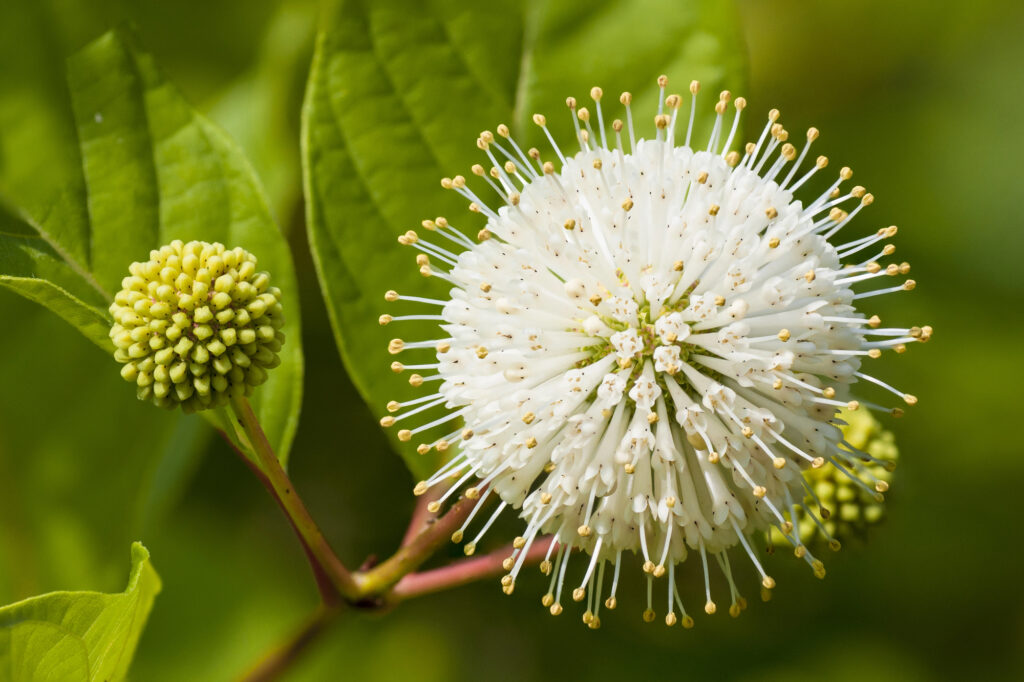
Buttonbush has unique white spherical flowers that look like pincushions. You’d be wrong to dismiss them as pollinators because bees, butterflies, and hummingbirds all visit these unusual blooms.
Buttonbush blooms in midsummer when many other flowers have stopped and grows well in full sun to partial shade in USDA zones 5-10. It thrives in wet soil and can even grow in standing water, making it perfect for rain gardens and pond edges. The plant needs minimal care once established.
7. Rattlesnake Master (Eryngium yuccifolium)
At first glance, rattlesnake master looks a lot like a yucca, with its stiff, sword-like leaves. But when it blooms and produces spiky white flower heads, the difference becomes clear. The unusual blooms attract wasps, native bees, and butterflies that can’t resist the abundant nectar hidden in the prickly flowers.
The rattlesnake master is a native perennial that grows 2-4 feet tall with a deep taproot that makes it extremely drought-tolerant. Plant in full sun with well-drained soil in USDA zones 4-9.
8. Cup Plant (Silphium perfoliatum)
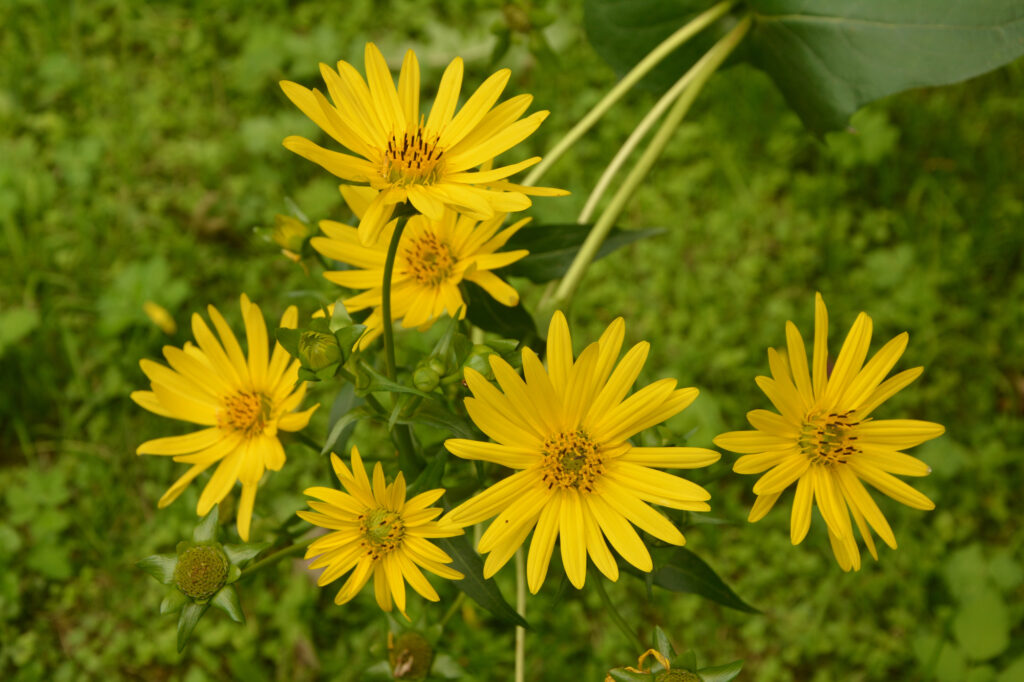
Cup plant gets its name from leaves that form cups around the stem, collecting rainwater for birds and insects to drink. The bright yellow flowers resemble small
This tall native perennial can reach 8 feet and needs plenty of space to grow. Cup plant grows well in full sun to partial shade with moist soil in USDA zones 3-9.
9. New Jersey Tea (Ceanothus americanus)
New Jersey tea is a small shrub that fits easily into most garden spaces and produces clusters of tiny, foam-like white flowers. Native bees and butterflies cover the blooms during the peak flowering period in early summer.
New Jersey tea thrives in USDA zones 4-8 in full sun to partial shade with well-drained soil. It also tolerates poor, sandy soil and drought conditions once established. Other plants growing alongside New Jersey tea can benefit from this companionship, as it fixes nitrogen in the soil and improves soil conditions.
10. Boneset (Eupatorium perfoliatum)
Boneset is a native perennial with clusters of white flowers that serve as ideal landing platforms for pollinators. The sturdy flower heads can support multiple insects at once and have a long bloom period.
Boneset can grow 3-5 feet tall in full sun to partial shade with moist soil, especially in USDA zones 3-8. It thrives in wet areas, tolerates clay soil, and self-seeds readily in suitable conditions.
11. Yellow Corydalis (Corydalis lutea)
Yellow corydalis is a low-growing perennial that reaches 12-15 inches tall and spreads by self-seeding. It produces delicate yellow flowers from spring through fall, one of the longest bloom periods of any perennial. Early pollinators depend on their nectar when few other flowers are available.
Yellow corydalis grows in partial to full shade, preferring well-drained soil, in USDA zones 4-8. The plant tolerates poor soil and drought once established. Deadhead regularly to prevent excessive self-seeding, or allow it to naturalize in woodland gardens.
12. Spotted Bee Balm (Monarda punctata)
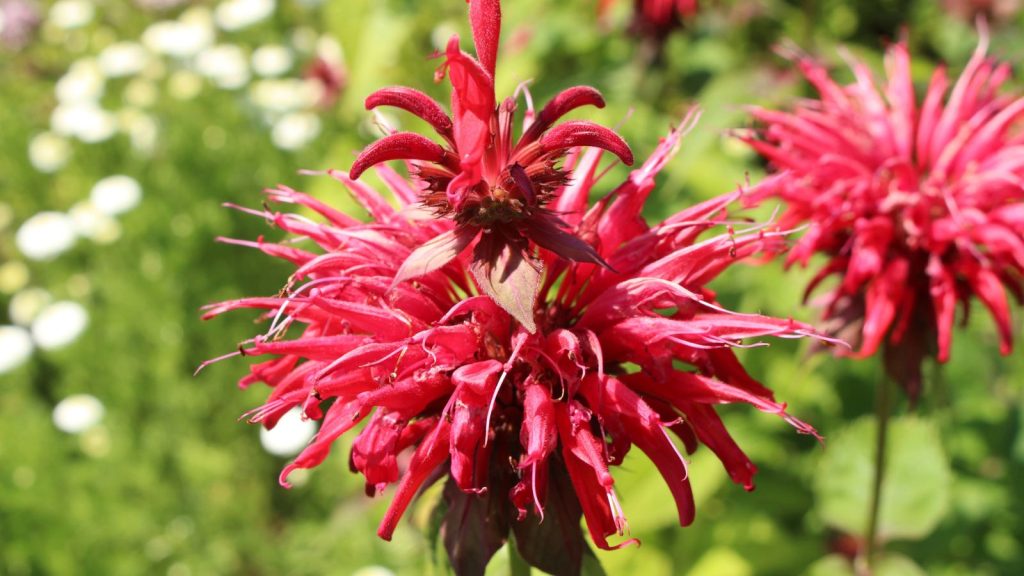
Spotted
Spotted
13. Golden Alexander (Zizia aurea)
Golden Alexander produces umbrella-shaped clusters of tiny yellow flowers in early spring. Because it blooms early, it provides nectar for pollinators until other plants start to bloom, making it especially valuable for native bees.
Golden Alexander grows best in USDA zones 3-8, in full sun to partial shade with moist, well-drained soil. It also tolerates clay soil and seasonal flooding.
14. Sweet Alyssum (Lobularia maritima)
Sweet alyssum is a low-growing annual with masses of tiny white, pink, or purple flowers that spread to form a carpet of flowers.
Hoverflies, small bees, and beneficial wasps love to visit this sweet-smelling plant for nectar, especially as the plant blooms continuously from spring until frost. Sweet alyssum grows in full sun to partial shade with well-drained soil in all USDA zones as an annual.
15. Summersweet (Clethra alnifolia)
Summersweet produces fragrant white flower spikes in midsummer when many other shrubs have finished blooming.
The sweet fragrance attracts bees, butterflies, and hummingbirds from long distances. It grows well in USDA zones 4-9 in partial shade to full shade, and moist soil.
16. Meadowsweet (Filipendula ulmaria)
Meadowsweet, also called Queen of the Prairie, produces foamy clusters of cream-colored flowers that have a sweet almond fragrance. This fragrance and the nectar it produces attract pollinators like bees and hoverflies to the blooms during the peak flowering season.
Meadowsweet blooms for a very long time and prefers partial shade with moist, rich soil in USDA zones 3-8. It grows well in wet areas, including water features, but may need staking in windy spots.
Other Posts You Might Like
- 20 Strikingly Bold Red Perennials That Bloom Year After Year
- 16 Purple Perennials That Will Bring Your Garden to Life Year and Year
- 18 Shade Loving Perennials to Brighten Your Garden
- These 12 Fall Blooming Perennials Will Be Everywhere This Season
- 38 Perennial Flowers That Deliver Gorgeous Blooms Every Blooming Season