One of the easiest ways to maintain a thriving, ever-evolving garden is by choosing plants that take care of their own propagation. Self-seeding plants can drop their seeds and sprout again season after season, eliminating the need for replanting. Whether annuals or perennials, these plants naturally regenerate, offering a continuous cycle of growth.
The real beauty of self-seeding plants lies in their ability to establish themselves without intervention. Once you introduce them to your garden, they return year after year, filling beds and borders with vibrant color, lush foliage, and seasonal variety—all without the recurring expense of buying new plants. This makes them an excellent choice for gardeners looking to create a self-sufficient garden that flourishes on its own.
By welcoming self-seeding plants into your space, you allow nature to do much of the work for you. With each passing season, they weave themselves into the fabric of your garden. Here are 25 self-seeding plants to consider.
Calendula

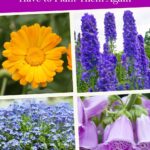
Calendulas are bright, cheerful additions to any garden. Their leaves and flowers are edible and are often used in salads or as garnish. They are easy to grow in well-drained soil and prefer gentle sunlight. Plant them in early spring to enjoy their vibrant blooms from late spring to early summer.
Calendula self-seeds well and sometimes escapes from the garden, but it will not overcrowd native plants, so it is not considered invasive.
Additionally, Calendula is known to deter pests, deer, and rabbits, making them useful for protecting vegetable gardens.
Bleeding Heart
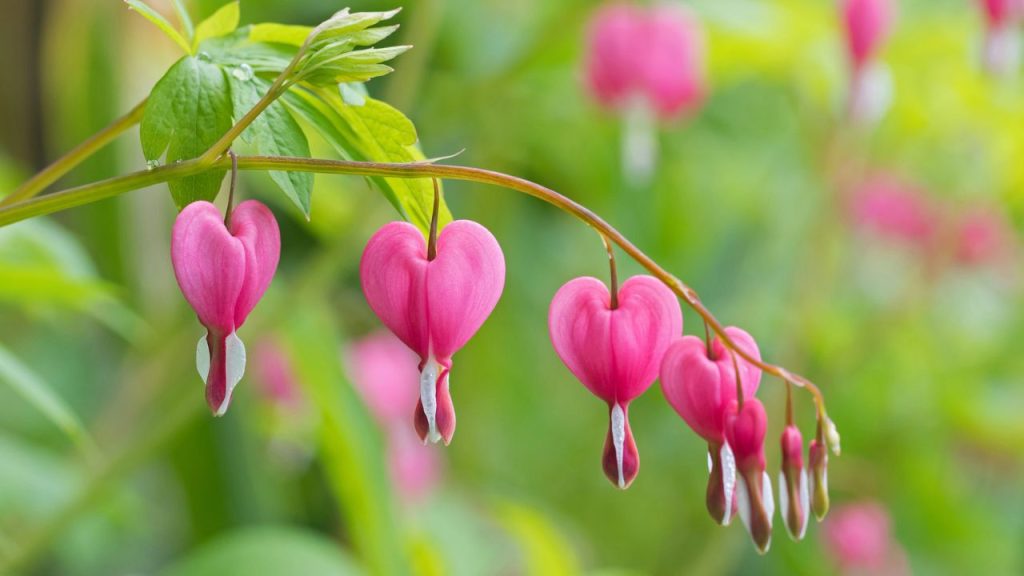
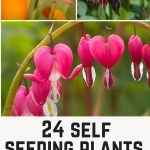
With its arching stems with heart-shaped flowers, Bleeding Heart is a stunning addition to any shaded garden. This perennial’s graceful blooms bring a touch of romance to woodland beds, borders, and shaded walkways.
Thriving in rich, well-draining soil that retains moisture without becoming waterlogged, Bleeding Heart is surprisingly resilient. It is one of the longest-blooming perennials, offering weeks of delicate pink or white flowers that gracefully dangle from its stems. Reaching up to 15 inches in height, it fills shaded areas beautifully, providing texture and color where many other plants struggle to grow.
Suitable for Zones 3-9,
Bee Balm
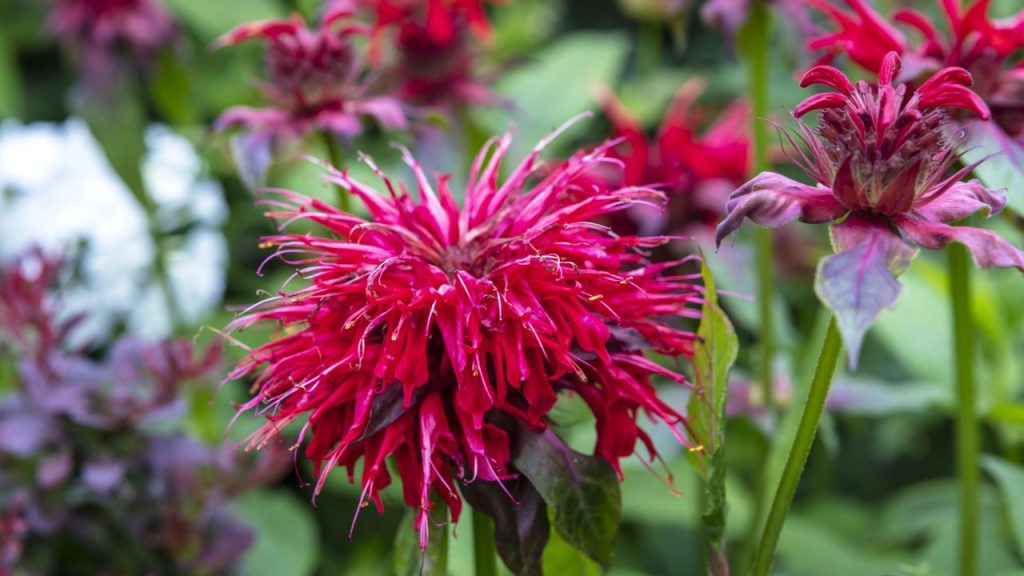
True to its name, Bee Balm is a favorite among bees, butterflies, and hummingbirds, making it an essential addition to any pollinator-friendly garden. As a member of the mint family, this hardy perennial is incredibly easy to grow, thriving in a variety of conditions while offering a burst of color and fragrance.
With its striking, aromatic flowers in shades of red, pink, purple, and white, Bee Balm adds a lively touch to garden beds and borders. Its spreading nature makes it a great choice for filling in spaces, though occasional thinning may be needed to keep it from overtaking other plants.
Borage

Borage is another self-seeding plant with edible flowers. The bright blue flowers are also a favorite of bees, making them an excellent addition to a pollinator garden. This plant isn’t picky about soil and rarely needs fertilizer, but prefers full sun to partial shade. It also serves as a great companion plant, especially for tomatoes.
Morning Glory

Morning Glory is known for its large, trumpet-shaped flowers that unfurl each morning and close by afternoon. Thriving in full sun with well-drained soil and regular watering, Morning Glory is easy to grow and fast to climb, quickly covering structures with lush green foliage and vibrant blossoms.
While typically grown as an annual, this vigorous vine can return as a perennial in warmer climates, self-seeding freely and coming back year after year.
Rocket Larkspur
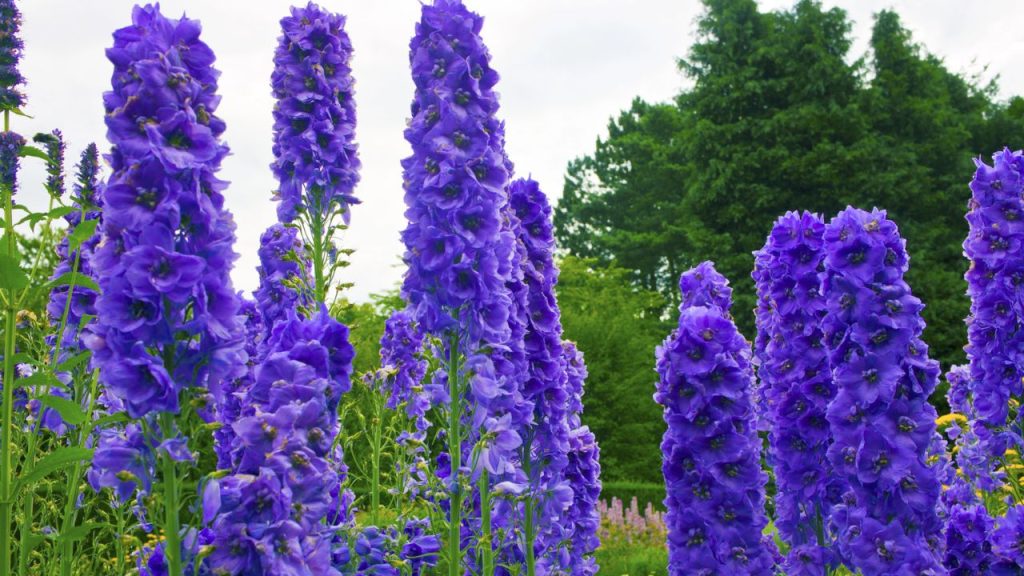
Rocket Larkspur, also known as Wild Delphinium, brings color to the garden with its tall spikes of blue, white, pink, and purple blooms. Its striking vertical growth creates a stately presence in garden beds, making it a standout choice for ornamental borders and cottage-style landscapes.
Thriving in full sun or partial shade, Rocket Larkspur grows best in cool seasons and often reseeds itself when planted in late winter. Its delicate, fern-like foliage adds softness to its bold floral display, providing a beautiful contrast in mixed plantings year after year.
Love-in-a-Mist (Nigella Damascene)

The whimsical name of Love-in-a-Mist is perfectly matched by its delicate blue flowers and fine foliage. Blooming in late spring and early summer, this plant is a low-maintenance choice that adds a soft texture to the garden. It thrives in full sun or partial shade and is best sown directly outdoors in early spring.
Foxglove
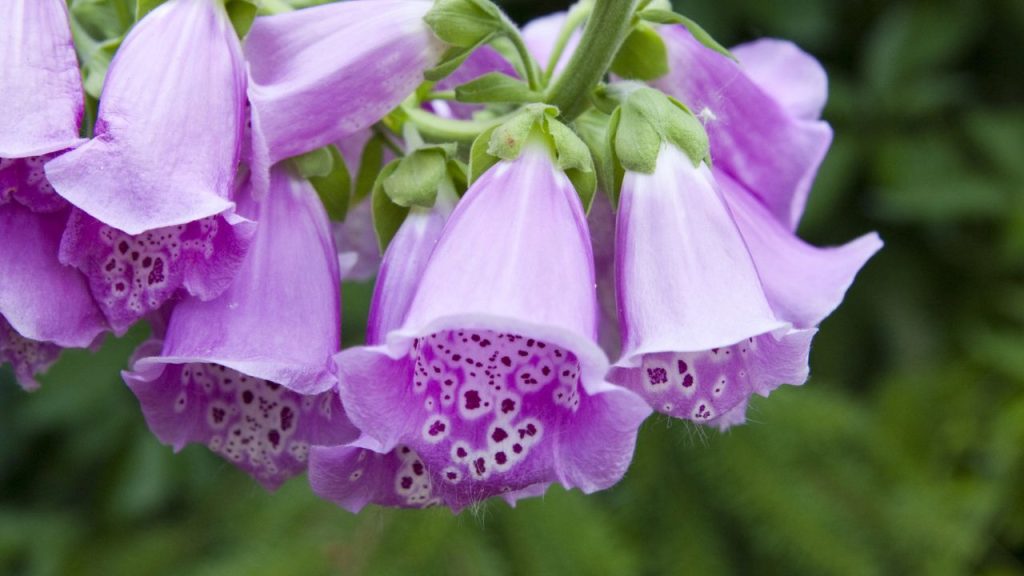
With its tall spikes of bell-shaped flowers, foxglove brings striking vertical interest to shaded garden spaces. From late spring to early summer, its elegant blossoms come in shades of pink, purple, white, and yellow, creating a dramatic yet delicate display.
Thriving in partial shade, foxglove is a favorite for woodland gardens, borders, and cottage-style landscapes. While it self-seeds readily, allowing it to return year after year, deadheading spent blooms can help prolong its flowering season.
Forget-Me-Not

With their tiny, sky-blue flowers and bright yellow centers, Forget-Me-Not blooms in spring above lush green foliage. These dainty flowers create a soft, nostalgic look perfect for borders, woodland areas, and cottage gardens.
Thriving in shady spots with moist, well-drained soil, this biennial often self-seeds, ensuring a steady return of blooms year after year with little effort. Suitable for USDA zones 3-8, Forget-Me-Nots spread naturally, filling spaces with their signature clusters of cheerful blossoms.
Coreopsis
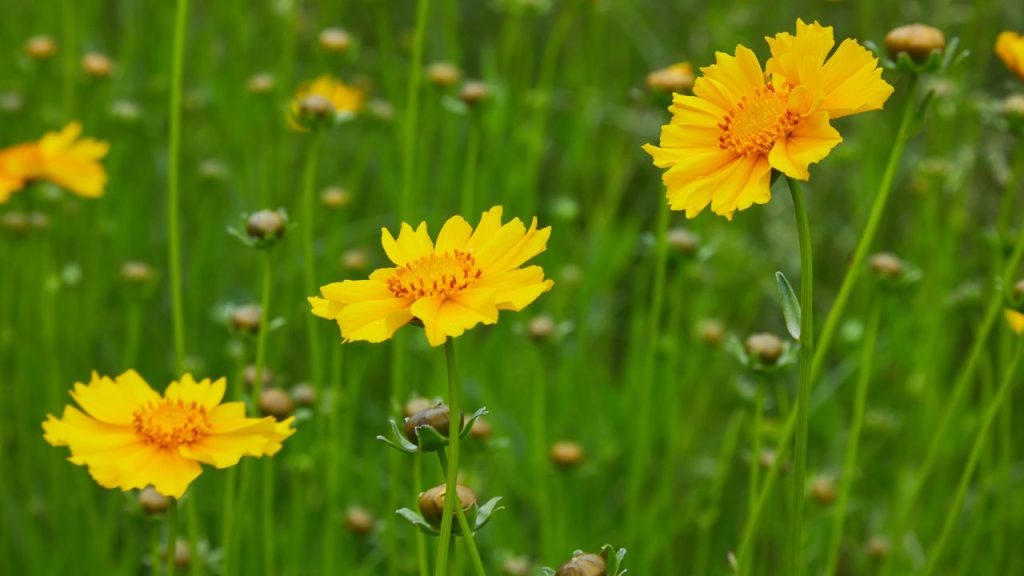
Coreopsis is a garden favorite, known for its bright, daisy-like flowers that bring bursts of color from summer well into winter in warmer climates. These hardy, sun-loving plants are long-blooming but also magnets for bees and butterflies, making them an excellent choice for pollinator-friendly gardens.
Regular deadheading is key to keeping Coreopsis blooming abundantly. However, if you want them to reseed naturally for the next growing season, simply let the flowers dry on the stem. Highly tolerant of heat and drought, these resilient flowers thrive in challenging conditions and make stunning additions to cut flower arrangements.
Bachelor’s Button

Bachelor’s button plants self-seed very well. Bachelor’s buttons are hardy little plants that can grow in a wide range of climates and soil types. They are drought-tolerant, and while blue is the most common color, it is far from exclusive. These flowers come in many shades of purple, pink, and white. They require little to no maintenance, and pollinators appreciate their presence, as well.
China Aster

Chinese
Alyssum

Sweet alyssum is a delightful little plant that makes a wonderful ground cover. It can be grown as an annual in almost any climate. Alyssum begins blooming in spring and continues until the first frost. Planting them in a space with afternoon shade will keep them blooming through the hotter months.
Cosmos

They are highly attractive to pollinators, and butterflies feed on their sweet nectar. These pretty flowers are low-maintenance. Plant these seeds in full sun and keep the soil moist until they are established. Once established, they are drought-tolerant and require very little maintenance.
Sunflower

This summer beauty is known for its yellow flowers, which attract insects. It is edible to both animals and humans when prepared in a delicious manner. It is self-seeding and if you can manage to keep critters and other birds at bay, especially during winter, you might get some
Nasturtium

It is an edible flower that works well in salads. The attractive leaves are edible as well. The flowers are usually large, colorful, and delicate with a peppery taste. This fast-growing flower attracts pollinators and grows well on the ground or in containers, spilling over the edge of the garden.
Viola

Violas are cool-weather flowering plants with edible flowers and surprisingly good frost tolerance. They self-seed readily. Although they can continue to bloom in hot climates if given enough shade, they much prefer cooler temperatures. Plant your violas in containers or the ground in rich, loamy, moist soil that is slightly acidic.
Amaranth

Amaranth is commonly grown as a food crop, but there are also wonderful ornamental varieties. The young leaves are edible, and the flowers are fuzzy. If left on the plant to dry, the flowers will go to seed and self-seed well.
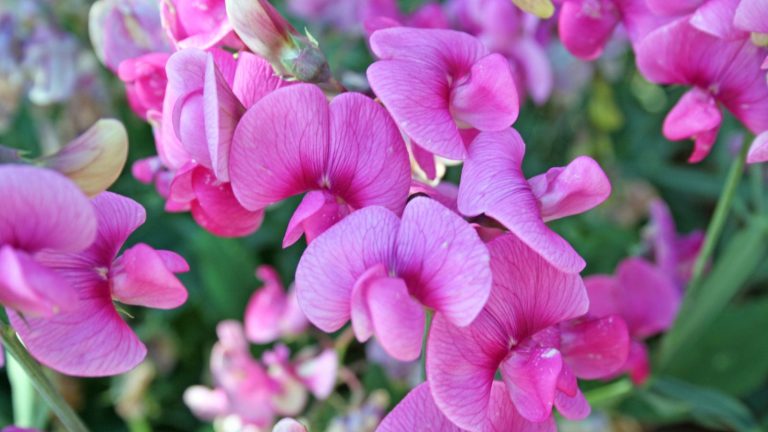
Sweet Pea

These annuals self-seed excellently and tolerate cold temperatures. These climbing vines like to have a structure to climb and flower well in early spring to early summer. Deadheading the flowers helps control how aggressively they reseed.
Strawflower

Strawflowers do self-seed and are most successful in mild climates. These plants prefer dry weather and average, well-drained soil. Cutting the flowers or deadheading will help control how aggressively this plant reseeds. The flowers smell wonderful and have a great vase life.
Snapdragon

Snapdragons may look soft and whimsical, but they are surprisingly tough plants that can withstand a light frost once established. Their tall, colorful spikes bring vibrant color throughout the growing season.
For the best results, plant snapdragons in partial shade with morning sun to keep their roots cool during the hottest months. This helps extend their blooming period and ensures healthy, vigorous growth. Despite their delicate appearance, these hardy flowers bounce back from chilly temperatures and continue to thrive year after year.
Petunia

Petunias are fast-growing, low-maintenance sun lovers that thrive in garden beds and containers. Hybrid varieties will not always breed true, so it’s difficult to say what your new flowers will look like. With so many beautiful varieties available, there is a petunia for every garden. Petunias like fertile soil and a moderate amount of water. They bloom best in mild weather.
Impatiens

Impatiens are attractive flowering plants that prefer partial shade and will self-seed if their seed pods are left on the plant. These are mounding plants and do not aggressively self-seed. Impatiens look stunning in a mass planting. They need rich, moist soil, and in exchange.
Black-eyed Susan

When grown in a sunny spot,
California Poppy

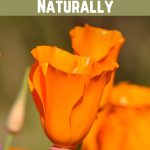
California Poppies bring big, bold, gorgeous colors to the landscape, and most types self-seed freely and reliably. These cheerful flowers make great cut flowers and are naturally deer-resistant and drought-tolerant. For the best results, plant your poppies in full sun and fertile, well-drained soil.