


Modern laundry products are more advanced than ever, designed to tackle stains, protect fabrics, and make laundry day easier. Yet, many of us still hold on to old habits that actually do more harm than good—fading colors, stretching fabrics, and shortening the life of our clothes.
According to Energy Star, the average U.S. household does around 300 loads of laundry each year, using up much water, electricity, and detergent. That said, if we don’t wash our clothes carefully, we waste resources and spend more money to replace items that wear out too quickly.
Here are 14 laundry habits that may work against you—and how to fix them.
Ignoring Care Labels

Care labels exist for a reason, yet many people don’t read them. Following the instructions helps avoid common issues like shrinkage, pilling, or color fading. A quick glance can save your clothes from accidental ruin.
Using Too Much Detergent

Adding extra detergent might seem like it’ll get your clothes cleaner, but it often has the opposite effect. Too much can leave behind residue that makes fabric feel stiff, traps dirt, and causes colors to fade faster. Stick to the recommended amount—a little goes a long way when it comes to detergent.
Overstuffing the Washer

It’s tempting trying to cram everything into one load – but an overloaded machine rarely gets your clothes cleaned properly. With no space to move around, clothes don’t agitate well and come out still dirty. Divide larger loads into smaller ones to protect both your garments and the washer.
Washing Everything in Hot Water

Hot water often uses a lot of energy and can ultimately ruin delicate fabrics. Wool, silk, and even certain synthetics can shrink, fade, or break down under high temperatures. Most modern detergents are formulated to work just as well in cold water.
Skipping Color Sorting

Tossing all your laundry together—lights, darks, and whites—might save time, but it can lead to color bleeding and dingy whites. Sorting helps maintain color vibrancy and prevents unwanted dye transfer.
Forgetting Wet Clothes in the Washer

Leaving damp clothes in the machine for too long can lead to musty smells and even mold. As soon as the cycle ends, move clothes to the dryer or drying rack.
High Heat Setting
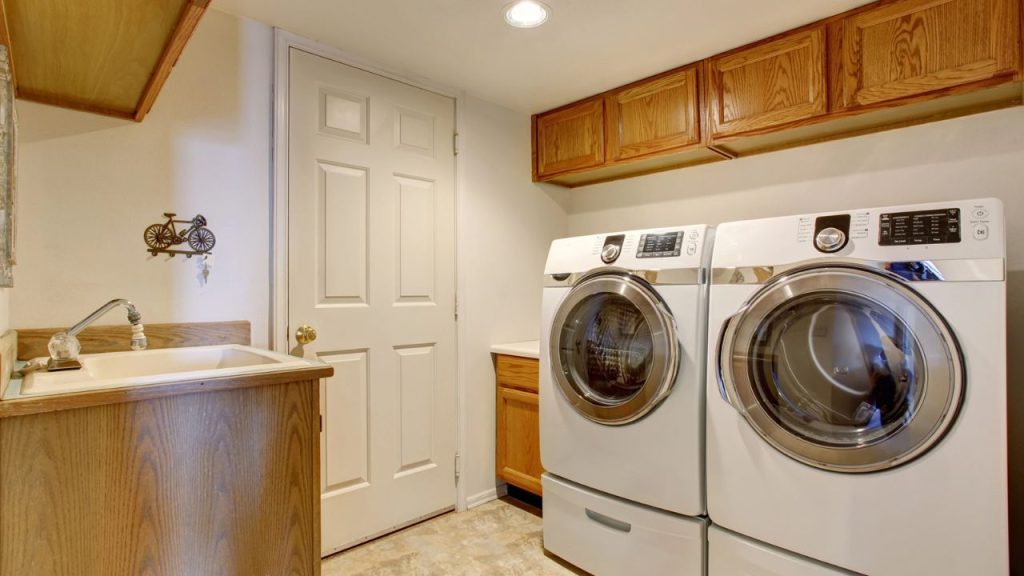
High heat may speed up drying time, but it can also damage your clothes. Over time, it weakens fibers, causes shrinking, and ruins stretch fabrics. Use low or medium heat whenever possible, especially for delicate items.
Delaying Stain Treatment

Don’t wait to deal with a stain. Once dried, stains—especially protein-based stains—can set in and are nearly impossible to remove. Treat stains as soon as they happen, ideally with a targeted remover or cold water rinse.
Overusing Fabric Softener

Fabric softener may make clothes smell fresh, but over time, it coats fibers with residue that reduces absorbency, especially in towels and activewear. Use sparingly, and avoid it altogether for moisture-wicking items.
Using the Wrong Detergent

Not all detergents are created equal. Delicates, workout clothes, and high-efficiency machines each require specific formulas, and sometimes a specialty detergent is needed. Choosing the wrong detergent can lead to fading, ineffective cleaning, or even machine issues. Read the label and choose accordingly.
Homemade Liquid Laundry Detergent – All Natural Recipe
Leaving Zippers Unzipped

Open zippers can snag and damage other garments and your washer drum. Close all zippers and fasteners before washing.
Neglecting to Clean the Washer

Your washing machine needs cleaning too. Residue and bacteria build up in the drum, seals, and detergent drawer, causing odors that can transfer to clothes. Whirlpool recommends cleaning your washer every 30 loads to keep it running fresh and efficiently.
Washing Clothes Too Often

Washing after every wear isn’t always necessary and can wear out clothes faster—especially jeans, sweaters, and jackets. Unless something is visibly dirty or smelly, consider airing it out and wearing it again before tossing it in the wash.
Air-Drying Everything

While air drying is great for delicates, relying on it for every load can backfire. In humid environments, clothes may mildew, and overdrying can leave garments stiff or stretched. Save air drying for items like wool, silk, or activewear—use the dryer’s low-heat setting for the rest.
12 Seemingly Harmless Items That Could Be Destroying Your Washing Machine

There are several everyday items that can cause serious damage if washed improperly. Here are 12 things that can cause more harm than good to your washing machine.
12 Seemingly Harmless Items That Could Be Destroying Your Washing Machine
16 Germiest Places in Your Home That Need a Deep Clean

It’s easy to overlook the hidden areas that accumulate dirt and germs over time. These often-forgotten spots can turn into breeding grounds for pests and bacteria. Here’s a rundown of the dirtiest places in your home.
16 Germiest Places in Your Home That Need a Deep Clean
9 All-Natural Cleaning Products You Can Make at Home

Commercial cleaners are often filled with harsh chemicals and mysterious ingredients. By making your own all-natural cleaner at home, you can rely on safe, eco-friendly ingredients that you likely already have on hand. Check out these easy homemade recipes for window cleaner, laundry detergent, and so much more.
9 All-Natural Cleaning Products
10 Things You Should Always Hand Wash Instead of Putting in the Dishwasher

Dishwashers are a convenient part of many kitchens, saving time and effort. However, some items aren’t suitable for dishwasher cleaning and should be washed by hand. Here are ten common items to reconsider before placing them in the dishwasher.
10 Things You Should Always Hand Wash Instead of Putting in the Dishwasher


