While we all love a vintage bargain, some things are just not worth the risk. Thrifting is a great way to save money, but not everything is a smart buy. Some used items have hidden safety risks, hygiene concerns, or long-term costs that outweigh the initial savings.
Here are 12 things you should think twice before buying at the thrift store:
Nonstick Cookware

Although nonstick cookware was heralded to be the best thing since sliced bread, it has not stood the test of time. Nonstick coatings can become scratched, worn, or degraded over time, potentially releasing harmful chemicals.
Shoes
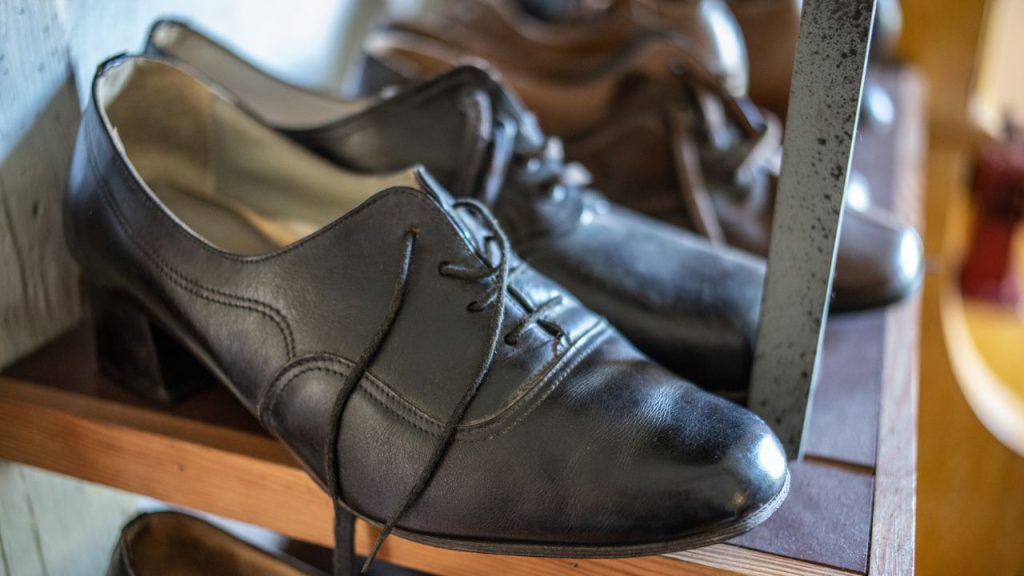
Shoes, particularly hiking boots and outdoor footwear, mold to the wearer’s feet over time, making them uncomfortable for anyone who purchases them second-hand. They often have worn-out soles or inadequate support, leading to rubbing and foot problems.
Mattresses

It is sad to see perfectly good mattresses going to waste, but they can harbor bedbugs, dust mites, or allergens and can be difficult to fully clean and sanitize. Stick to smaller items that can be laundered, like pillows and mattress pads.
Old Plastic Food Storage Containers

Certain types of older plastics used for food storage contain BPA, a toxic chemical that can leach into food over time. Look for glass storage options or BPA-free plastics instead.
Untested Electrical Appliances

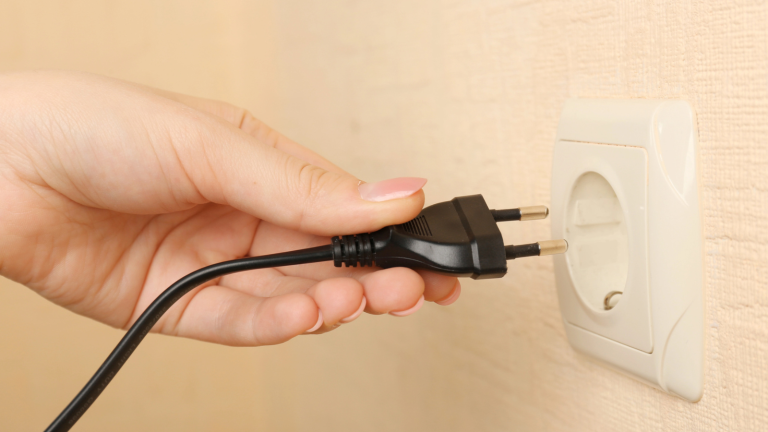
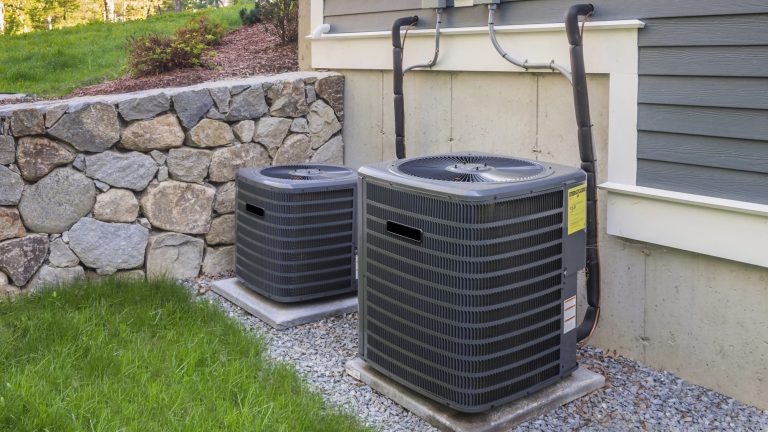
You don’t have to skip electrical items entirely when thrifting, but it’s wise to be cautious. Even if a seller tests them for safety, there’s no way to know how well they were maintained or how much life they have left. Older appliances, in particular, tend to be less energy efficient, and if something breaks, finding replacement parts can be difficult.
Batteries

Thrifting
Toys

Not all secondhand toys are a concern, but some may fall short of modern safety standards, have small parts that pose a choking risk, or be challenging to clean properly. To keep playtime safe, opt for toys that are easy to sanitize and free from missing or broken pieces.
Vintage Crystal

Vintage crystal may be beautiful, but it should only be purchased for decorative purposes. These items may contain lead, posing potential health risks if used for food or drink.
Upholstered Furniture

Be cautious when it comes to secondhand fabric furniture, as it can easily trap bacteria and allergens. Much like used mattresses, pre-owned furniture comes with an unknown history, raising concerns about dust mites, bedbugs, and lingering germs.
Upholstered pieces, in particular, tend to absorb odors, stains, and spills over time, making them a risky addition to your home.
How to Clean Thrifted Wood Furniture
Rugs

Rugs can trap a lot more than just dust over time. Unless the previous owner had strict cleaning habits, there’s no telling what might be lurking in the fibers—dirt, stains, mold, or even allergens. While deep cleaning can help, it’s often difficult to remove everything completely, making a new rug the safer and more sanitary choice.
Pillows
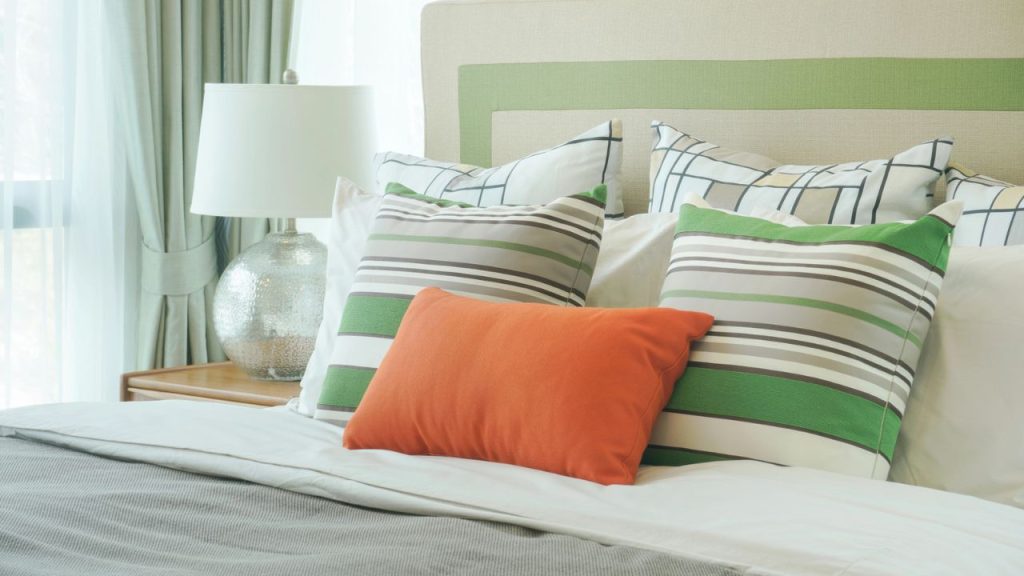
Like mattresses, pillows can harbor dust mites, mold, and other allergens over time. They also absorb sweat, oils, and other bodily fluids, making secondhand options less than ideal.
While you might be tempted by a bargain, the potential hygiene concerns often outweigh the savings—especially when new pillows are affordable and easy to find.
Safety Equipment

When it comes to safety, secondhand isn’t always worth the risk. Items like child car seats, bike helmets, and fire extinguishers may have unseen damage, expired parts, or weakened integrity, making them unreliable when you need them most.

Kate Chalmers
Kate is a passionate gardener who has a keen interest in all things related to homesteading and sustainability. She resides in Portugal with her husband and menagerie of animals and has over 15 years of experience in the UK veterinary industry. In 2020, Kate and her husband took on a dilapidated Portuguese house and abandoned olive grove, turning it into an abundant food forest and home for nature.
Life on the homestead is never the same from one day to the next, and Kate has mastered many skills that she is keen to pass on to anyone with an interest in becoming more self-sufficient. Kate believes that living a sustainable lifestyle is the key to happiness and fulfillment and that everyone can make simple changes that connect us back to nature and reduce our impact on the planet.