



Our gardens are home to a vast array of insect life, most of which is highly beneficial to the ecosystem. However, there are a few creatures that do more harm than good, one of which is the squash bug. These destructive insects can quickly take over and wreak havoc on your squash, pumpkins, and other cucurbits.
Before you can get rid of them, it’s important to know what you’re up against. Let’s talk about ways you can identify squash bugs at every stage of their life cycle, recognize the damage they leave behind, and explore effective, natural methods to control and eliminate them for good!
18-page quick guide and reference for gardeners dealing with pests that show up the most. From prevention strategies to treatment and remedies, this is the perfect printable for your garden.
What are squash bugs?
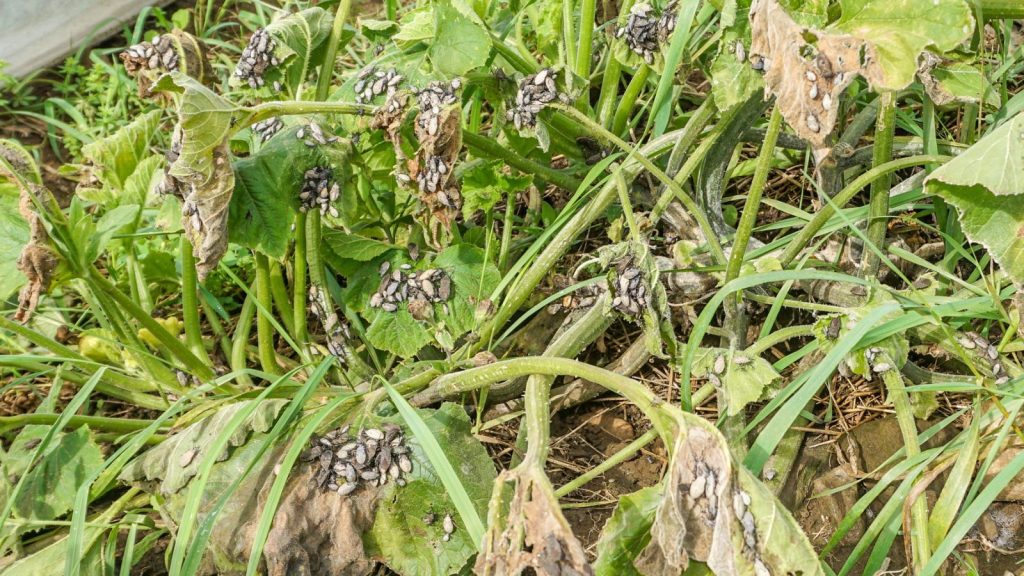
Squash bugs (Anasa tristis) are common garden pests that are notorious amongst home gardeners for their sneaky habits and rapid reproduction. Adult squash bugs usually appear in late spring to early summer, and squash bug damage starts to rapidly become more apparent as the weather warms up.
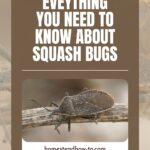
Adult squash bugs measure about ½ to ¾ inch in length. They are easy to identify by their flat, shield-shaped bodies, which are dark brown or gray with orange edges.
Mature squash bugs overwinter in garden debris or sheltered areas, emerging in the spring ready to reproduce. Once they find a suitable location, they lay neat rows of tiny bronze-colored eggs on the underside of leaves.
These eggs hatch in about 1 to 2 weeks, producing small nymphs that feed on foliage as they grow. These gray-green nymphs are smaller than adult squash bugs and tend to cluster. After 4 to 6 weeks, the nymphs mature into adults, ready to begin breeding the next generation if climate conditions are favorable.
What do squash bugs eat?
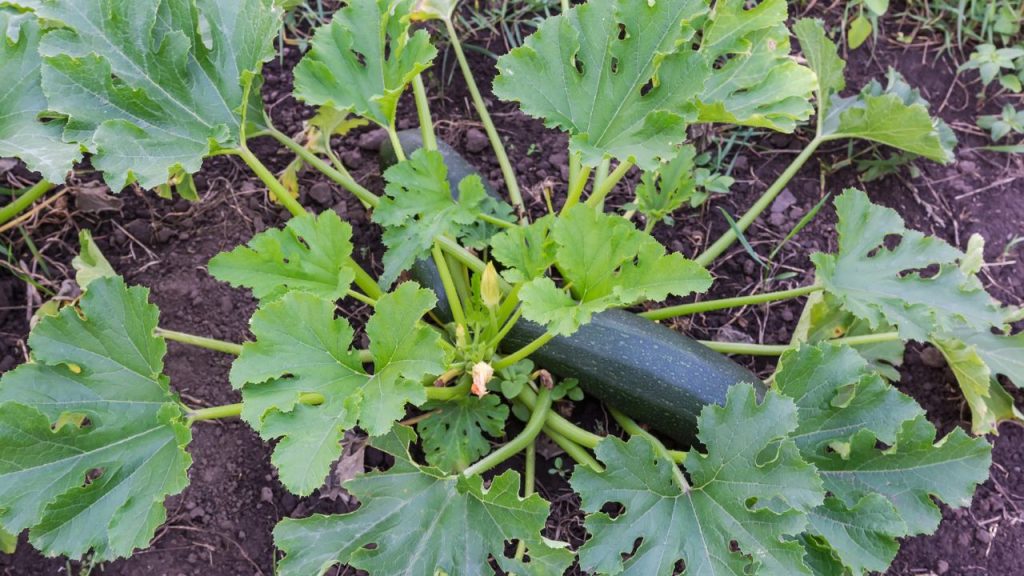
Squash bugs get their name from their favorite food source – squash plants. However, it isn’t just squashes that are susceptible, as these hungry little bugs will target any plant in the cucurbit family. So that’s also pumpkins,
Both adult and nymph squash bugs feed by piercing the leaves and stems of the host plant with their needle-like mouthparts and sucking out the sap. This is very detrimental to the plant and will lead to poor growth and reduced crop yields.
Early signs of squash bug damage include small yellow specks on the leaves, which eventually turn brown and crispy. As feeding continues, entire leaves wilt, blacken, and die, and the plant may collapse altogether.
Squash bug damage tends to appear first on isolated leaves or sections of the plant, making it easy to distinguish from other issues such as drought stress or plant viruses. You may also notice sticky honeydew and darker excrement on the leaves, which can encourage mold growth and damage the plant.
In recent years, another issue with squash bugs has become apparent – they can spread the bacterium that causes cucurbit yellow vine disease (CYVD). This is a particular issue in parts of the Midwest, South Central, and Northeastern states, where large areas of land are dedicated to squash production.
Hand-Pick
If squash bugs are an issue in your garden, go bug hunting daily as soon as the weather warms. Squash bugs are less active in the early morning or evening, making this a great time to spot them. Use gloved hands to pick adult and nymph squash bugs off the leaves and stems of squash plants.
Many of us are a bit squeamish when it comes to ‘disposing’ of insects. If squashing squash bugs (pardon the pun!) isn’t your thing, then drop them into a bucket of water with a few drops of dish soap instead.
Apply Diatomaceous Earth

Diatomaceous earth is a fine powder that can damage the soft outer shell of squash bug nymphs. Carefully dust the powder around the base of plants and on leaves, reapplying after rain or heavy dew.
Crush Egg Clusters
Check the undersides of leaves for shiny bronze egg clusters. Use your fingers, a piece of cardboard, or the dull edge of a table knife to scrape and crush them.
Use Insecticidal Soap

Insecticidal soap is most effective on nymphs, so apply it as soon as you see young squash bugs. Coat both sides of the leaves for best results.
RecommendedBest Travel Insurance Plans
Travel safely with comprehensive medical coverage abroad.
Place Traps

Lay down wooden boards or thick pieces of cardboard near your squash plants. In the morning, flip the boards, and you’ll find adult squash bugs hiding underneath them! Drop the bugs into soapy water to dispose of them.
Duct Tape

This is a clever trick – if scraping eggs makes you feel a bit icky, gently press strips of
Plant Trap Crops
Did you know that squash bugs prefer some varieties of squash over others? Studies have shown that Blue Hubbard squash is highly attractive to squash bugs, so many farmers now plant these around the perimeter of their fields to lure bugs away.
It is a good idea to remove eggs, nymphs, and adult squash bugs from your trap crop before they overpopulate and take over the rest of your squash plants.

Grab Your Ultimate Garden Planner Printable
Take the guesswork out of gardening with this thoughtfully designed 48-page printable planner. It’s more than a planner—it’s your personal gardening companion
Introduce Beneficial Insects

Plant flowers like
Spray Neem Oil

Neem oil is a natural insecticide that disrupts growth in squash bug nymphs. Mix two teaspoons of
Spray Kaolin Clay
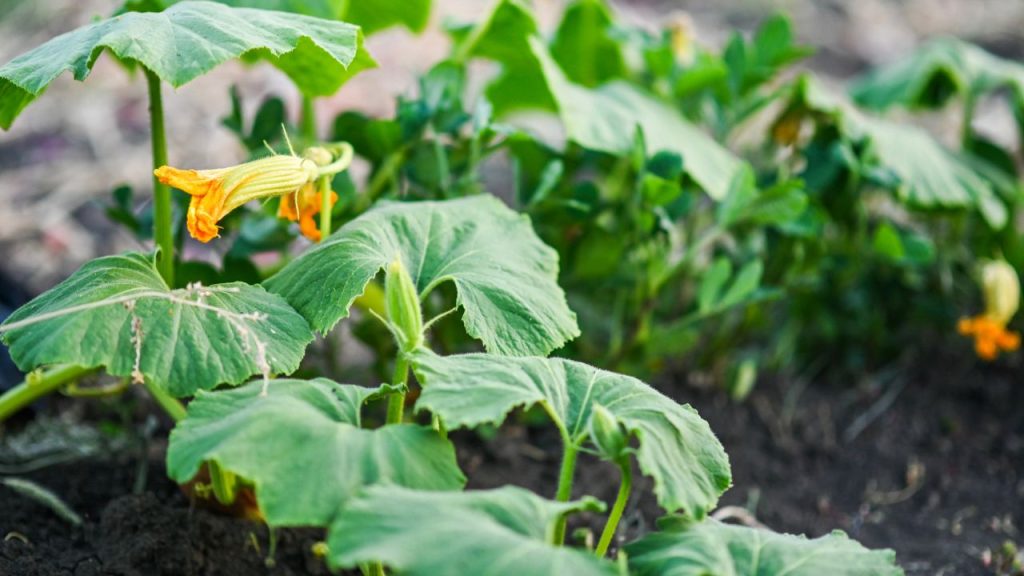
Kaolin clay forms a barrier that irritates bugs and makes it harder for them to feed or lay eggs. Mix with water, then spray on the leaves every couple of weeks.
Use Row Covers

Use row covers at the start of the growing season to block squash bugs from reaching young plants. Remove them once the plants flower to allow insects access for pollination.
Remove Plant Debris
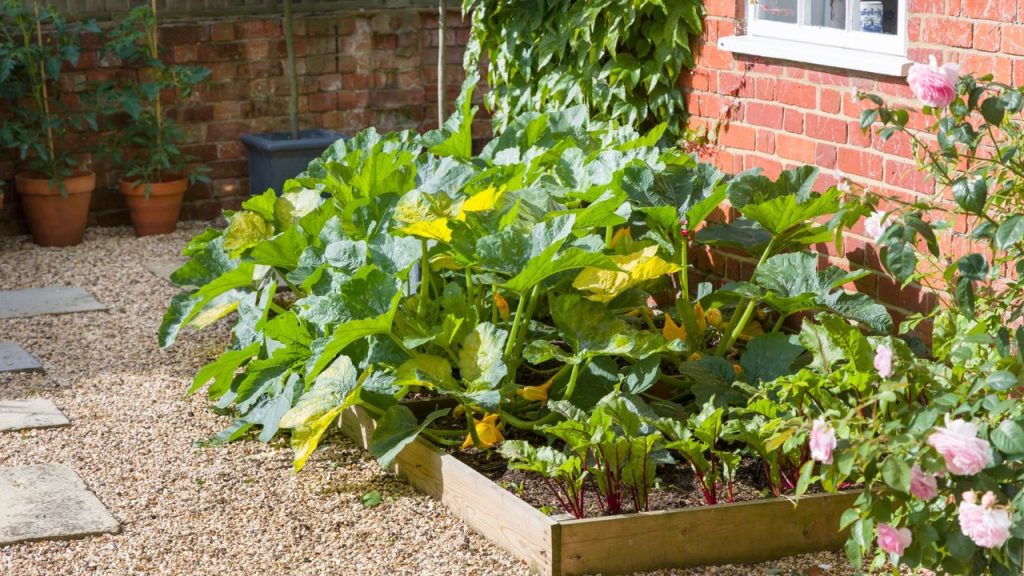
Squash bugs overwinter in dead plant material, so clean up all squash vines and leaves in the fall to eliminate their hiding spots and reduce populations next year.
Rotate Crops

Avoid planting squash or other cucurbits in the same spot every year, so overwintering bugs emerge far away from their preferred food source.
Grow Resistant Varieties
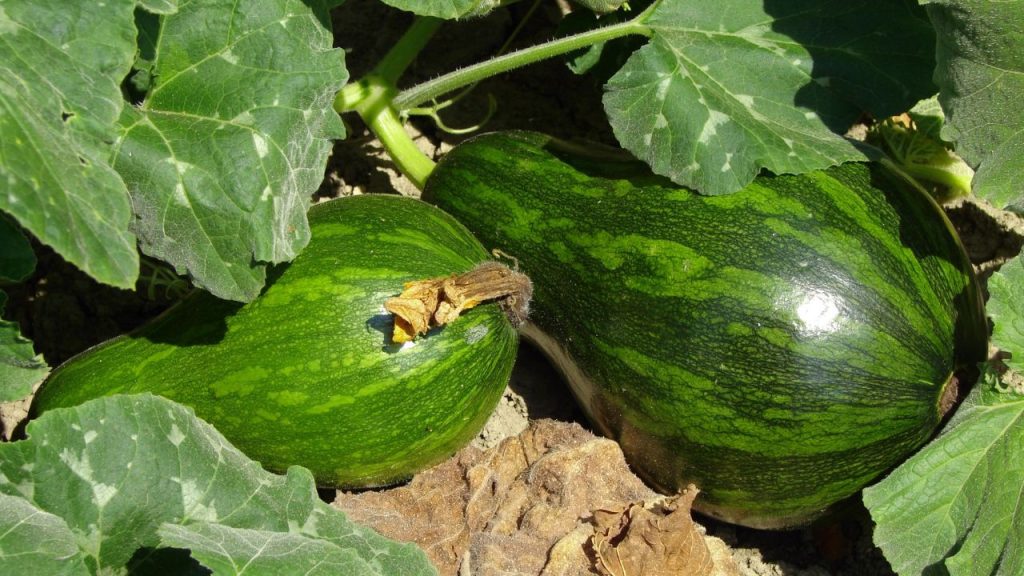
Some squash varieties, like ‘Butternut’ and ‘Royal Acorn,’ are less attractive or more resilient to squash bugs.
Companion Planting
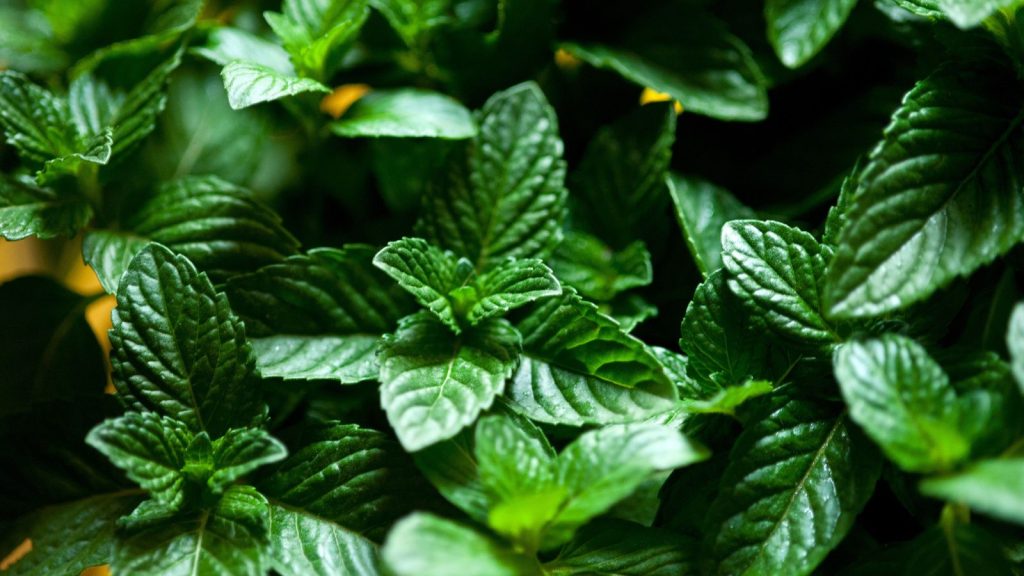
Grow strongly-scented plants like

Kate Chalmers
Kate is a passionate gardener who has a keen interest in all things related to homesteading and sustainability. She resides in Portugal with her husband and menagerie of animals and has over 15 years of experience in the UK veterinary industry. In 2020, Kate and her husband took on a dilapidated Portuguese house and abandoned olive grove, turning it into an abundant food forest and home for nature.
Life on the homestead is never the same from one day to the next, and Kate has mastered many skills that she is keen to pass on to anyone with an interest in becoming more self-sufficient. Kate believes that living a sustainable lifestyle is the key to happiness and fulfillment and that everyone can make simple changes that connect us back to nature and reduce our impact on the planet.
Car Rental Discounts Abroad
Rent a car for your road trip with zero hidden fees.