

Throughout the United States, people are embracing the homesteading way of life, seeking the joy of growing their own food and the fulfillment of living closer to nature. But when it comes to choosing the ideal location for your new homesteading life, picking the right state can make all the difference.
Factors such as climate, land prices, water resources, and local homesteading laws all play a role in what makes a place suitable to start a homestead. Some states offer fertile soil and long warm growing seasons, while others provide abundant water, low property taxes, or a supportive community for small-scale farming. Getting the right location for your new homestead can be the deciding factor in whether your new lifestyle is a success.
So, if you’re considering relocating to an area where living off the land is a viable possibility, take a look at our list of the 17 best states to homestead in!
1. Georgia
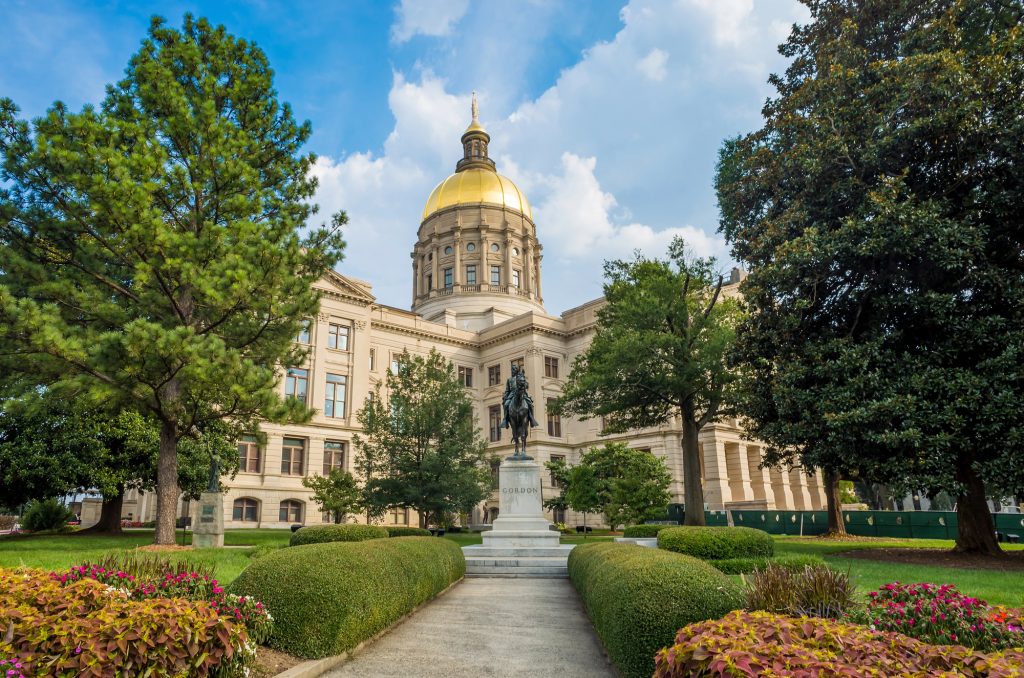
- Advantages: Georgia’s fertile soil and long growing season are ideal for growing a wide variety of crops and rearing livestock.
- Disadvantages: High humidity and occasional hurricanes in some areas.
- USDA zones: 7–9
- Average annual rainfall: 45–75 inches
2. Montana
- Advantages: Fertile agricultural land in Montana is relatively affordable and you will find that grazing land for livestock is plentiful.
- Disadvantages: Be prepared for harsh winters, low rainfall in some regions, and shorter growing seasons in the mountains.
- USDA zones: 3–6
- Average annual rainfall: 11–25 inches
3. Idaho
- Advantages: With vast areas of fertile farmland and a supportive agricultural community, Idaho is ideal for both traditional and off-grid homesteading.
- Disadvantages: Southern areas of Idaho are prone to drought and there are concerns over water rights.
- USDA zones: 3–7
- Average annual rainfall: 11–50 inches
4. Wyoming

- Advantages: Wyoming has vast expanses of land for affordable prices, ideal for ranching or raising livestock. Off-grid homesteads can reap the benefits of abundant wind-generated electricity.
- Disadvantages: Low rainfall and high winds can make crop cultivation challenging.
- USDA zones: 3–6
- Average annual rainfall: 6–20 inches
5. Missouri
- Advantages: In Missouri, you will find affordable good-quality land, and the long growing season suits homesteads with a passion for growing vegetables.
- Disadvantages: Humidity and pests can be problematic during the summer.
- USDA zones: 5–7
- Average annual rainfall: 35–50 inches
6. Arkansas
- Advantages: The mild winters, plentiful water, and fertile land in Arkansas suit a wide variety of farming practices and are ideal for rearing livestock.
- Disadvantages: High humidity and tornado risk in some areas.
- USDA zones: 6–8
- Average annual rainfall: 40–60 inches
7. Tennessee
- Advantages: Tennessee has a strong culture of small-scale farming and homesteading, and here you will find affordable rural land with good access to natural resources like timber and water.
- Disadvantages: Humidity and occasional severe weather, such as tornadoes.
- USDA zones: 6–8
- Average annual rainfall: 40–65 inches
8. Kentucky

- Advantages: The climate in Kentucky is excellent for raising livestock and growing a variety of crops. This state boasts a well-established agricultural tradition where homesteaders will feel welcome.
- Disadvantages: High humidity and pests can pose challenges.
- USDA zones: 6–7
- Average annual rainfall: 40–50 inches
9. Maine
- Advantages: Maine has a strong homesteading culture dating back several generations. In terms of climate, the cooler summers suit a wide variety of fruit and vegetable crops.
- Disadvantages: The short growing season and harsh winters mean you really need to make the most of the brief summer months.
- USDA zones: 3–5
- Average annual rainfall: 30–50 inches
10. North Carolina
- Advantages: From coastal areas to rugged mountainous regions, North Carolina has landscapes to suit every budding homesteader! The land here is affordable and the long growing season is perfect for novice gardeners.
- Disadvantages: Humidity and risk of hurricanes in the coastal areas.
- USDA zones: 6–8
- Average annual rainfall: 37–60 inches
11. Texas
- Advantages: Texas offers vast areas of land that are affordable and well-suited to setting up a homestead.
- Disadvantages: Beware of droughts in some regions, extreme heat in summer, and variable water availability.
- USDA zones: 6–9
- Average annual rainfall: 8–60 inches
12. Oregon
- Advantages: The soil and climate in Oregon are ideal for growing a wide variety of crops and has a strong culture of sustainability and homesteading.
- Disadvantages: Pick your location carefully – high rainfall in western areas can lead to mold or mildew issues, while eastern Oregon is much drier and less fertile.
- USDA zones: 4–9
- Average annual rainfall: 8–200 inches
13. Colorado
- Advantages: Colorado offers strong off-grid potential with ample sunshine for solar power. Land is affordable in rural areas, and the mountain climate is excellent for livestock.
- Disadvantages: Check for water availability and bear in mind that higher areas have a short growing season.
- USDA zones: 3–7
- Average annual rainfall: 15–25 inches
14. Arizona
- Advantages: Arizona offers nearly year-round growing potential in some areas, and off-grid solar energy is highly viable due to abundant sunlight.
- Disadvantages: Be prepared to plan carefully for irrigation and cooling, as the heat can be extreme and water scarce!
- USDA zones: 4–10
- Average annual rainfall: 3–22 inches
15. South Dakota

- Advantages: South Dakota has a strong homesteading heritage and the low property taxes and affordable land make it a highly attractive option.
- Disadvantages: With harsh winters, limited rainfall, and shorter growing seasons, the climate can be tough for novice homesteaders.
- USDA zones: 3–5
- Average annual rainfall: 15–26 inches
16. Alaska
- Advantages: Alaska is at the extreme end of the climate spectrum, but the long summer days are a huge advantage for growing a wide range of crops.
- Disadvantages: The logistics of getting supplies and building materials to remote areas can be a challenge, and the climate in some areas is incredibly harsh.
- USDA zones: 1–8 (varies significantly due to size and geography)
- Average annual rainfall: 22–275 inches
17. Florida
- Advantages: If tropical and exotic crops are on your wish list, Florida may well be the perfect location.
- Disadvantages: Beware of high humidity, hurricanes, and pests that can pose challenges for homesteaders.
- USDA zones: 8–11
- Average annual rainfall: 40–70 inches

Kate Chalmers
Kate is a passionate gardener who has a keen interest in all things related to homesteading and sustainability. She resides in Portugal with her husband and menagerie of animals and has over 15 years of experience in the UK veterinary industry. In 2020, Kate and her husband took on a dilapidated Portuguese house and abandoned olive grove, turning it into an abundant food forest and home for nature.
Life on the homestead is never the same from one day to the next, and Kate has mastered many skills that she is keen to pass on to anyone with an interest in becoming more self-sufficient. Kate believes that living a sustainable lifestyle is the key to happiness and fulfillment and that everyone can make simple changes that connect us back to nature and reduce our impact on the planet.