


When it comes to growing a year’s food supply, getting the volume right can be tricky. From a huge glut of juicy cucumbers in the middle of summer to scraping around for a few leafy greens in winter, the varying abundance as the seasons progress can certainly take some getting used to!
So, to get you on the right track, we’ve taken the most popular and productive vegetable crops and figured out how much to plant for a year’s supply of food. Some of these can be stored for use all year round, while others are best eaten while they’re fresh and in season.
Whether you’re feeding a small family or working toward self-sufficiency, this guide will help you calculate the right number of plants and choose the best methods to preserve your harvest.
Tomatoes

You can never grow too many tomatoes! They are one of the most universal crops, perfect for fresh eating, canning, drying, and making sauces. Since tomatoes are preserved well and can be used in many recipes, having a surplus is never bad.
We prefer canning our surplus tomatoes, which is quick and easy, so your surplus crop can be preserved to enjoy its rich flavor.
- Optimum yield per plant: 10–15 pounds
- Recommended plants per person: 5–7
For a family of four, this means planting 20 to 28 tomato plants to ensure a steady supply for fresh eating and preservation. You may want to plant even more if you plan to make large batches of sauces, salsa, or tomato-based soups.
Potatoes
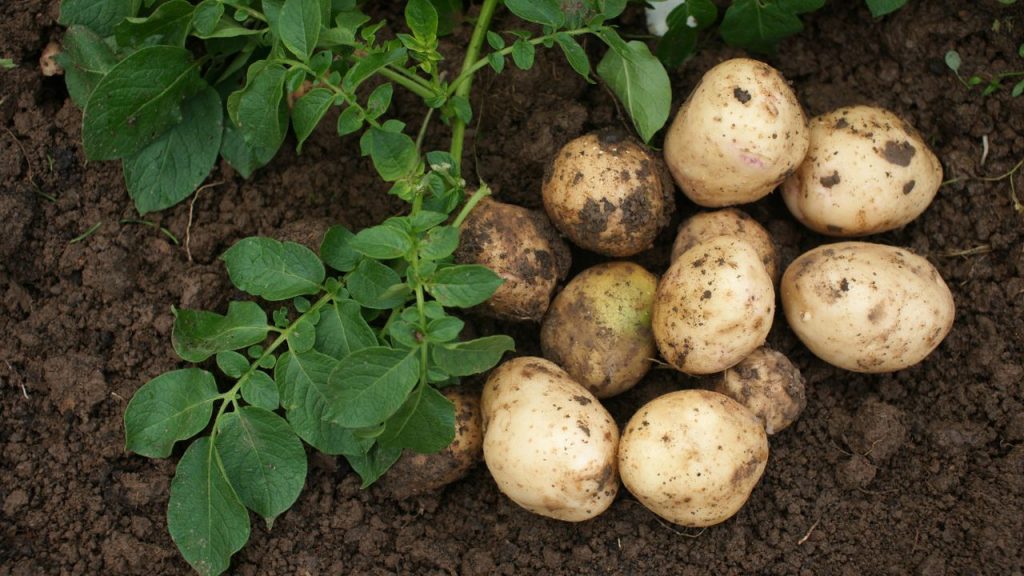
This might sound like a lot of potato plants per person, but remember that this crop will feed you all year round! Potatoes provide sustenance in a variety of meals, from mashed potatoes to soups, fries, and casseroles.
To extend their shelf life, store potatoes in a cool, dark, and well-ventilated place. When kept under the right conditions, they can stay fresh for several months, making them an excellent crop for long-term food storage.
- Optimum yield per plant: 8–10 potatoes (approximately 2–4 lbs per plant)
- Recommended plants per person: 40–50
Garlic
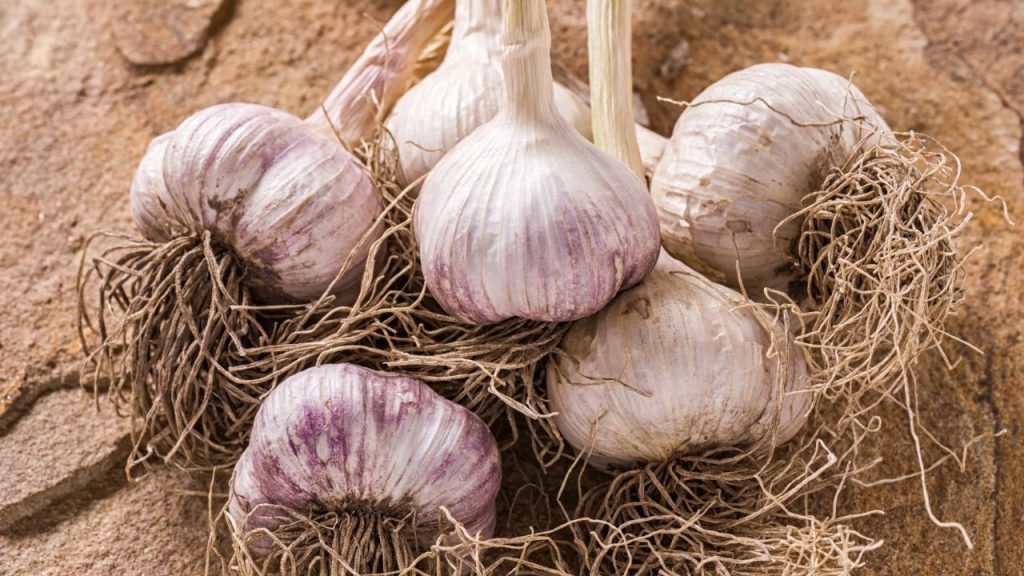
Plant
- Optimum yield per square foot: 8-10 bulbs
- Number of plants per person: 15–20
Kale

Kale can be grown all year round and is most useful in the winter months when other vegetables are scarce. Pick kale leaves as soon as they are a decent size, leaving the smaller ones to grow for eating at a later date.
- Optimum yield per plant: 20–25 leaves
- Number of plants per person: 6–10
Sweet Potatoes

Dig up sweet potatoes in late summer or fall, letting the skins dry out and harden before storing them in a cool, dry area where they’ll remain delicious and ready to use for months.
- Optimum yield per plant: 1–2 lbs sweet potatoes
- Number of plants per person: 5–10
Peas
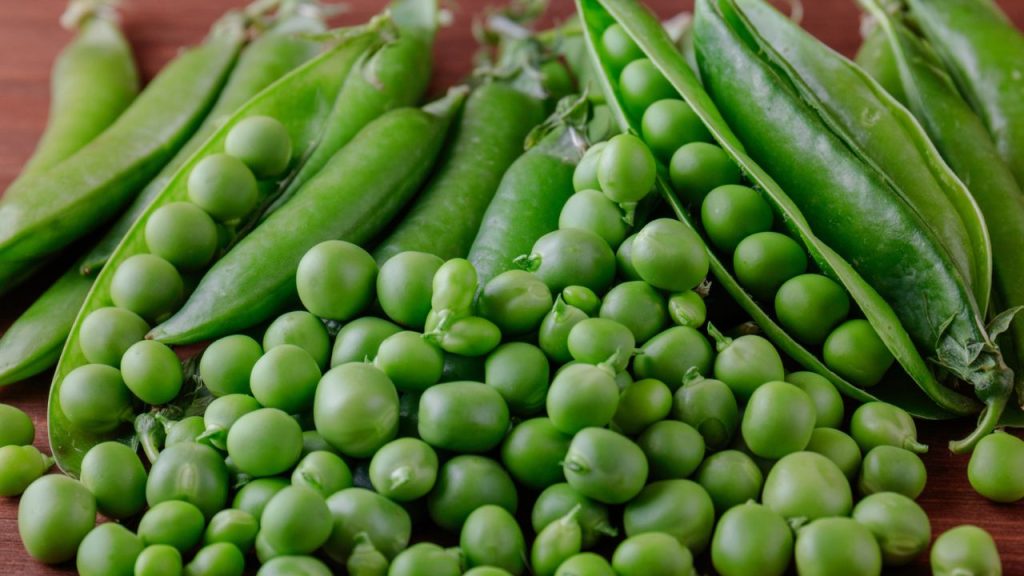
Pick sweet peas from early spring to mid-summer for fresh snacks and meals. Store surplus
- Optimum yield per plant: 1–2 cups of shelled
peas - Number of plants per person: 25–40
Zucchini
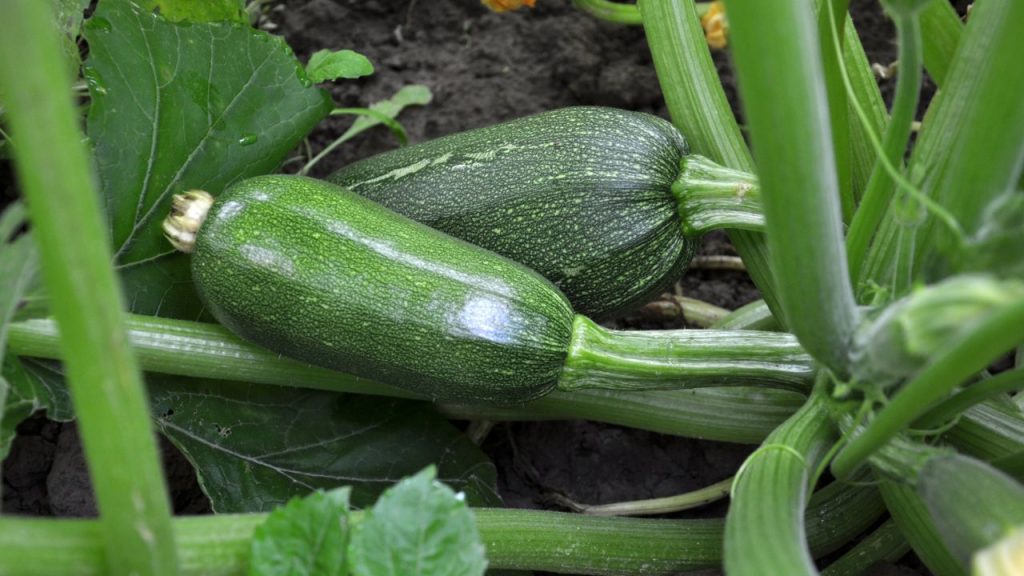
Harvest zucchinis regularly from midsummer to early fall. Extra zucchinis aren’t that easy to store, but my preferred method is to cook up
- Optimum yield per plant: 6–10 zucchinis
- Number of plants per person: 2–3
Beets

Beets can be grown pretty much all year round, but the tenderest and sweetest
- Optimum yield per square foot: 8-10 medium-sized beets
- Number of plants per person: 20–30
Cabbage

Cabbage is a fantastic year-round crop that can be harvested every month of the year! Plant different types according to the seasons, focusing on leafy varieties that will provide more than one harvest per plant.
- Optimum yield per plant: 20–25 leaves or 1–2 heads
- Number of plants per person: 5–10
Carrots

To enjoy the natural sweetness of freshly harvested carrots throughout the year, store them in damp sand in a cool but frost-free place.
- Optimum yield per square foot: 15-20 medium carrots
- Number of plants per person: 30–50
Corn
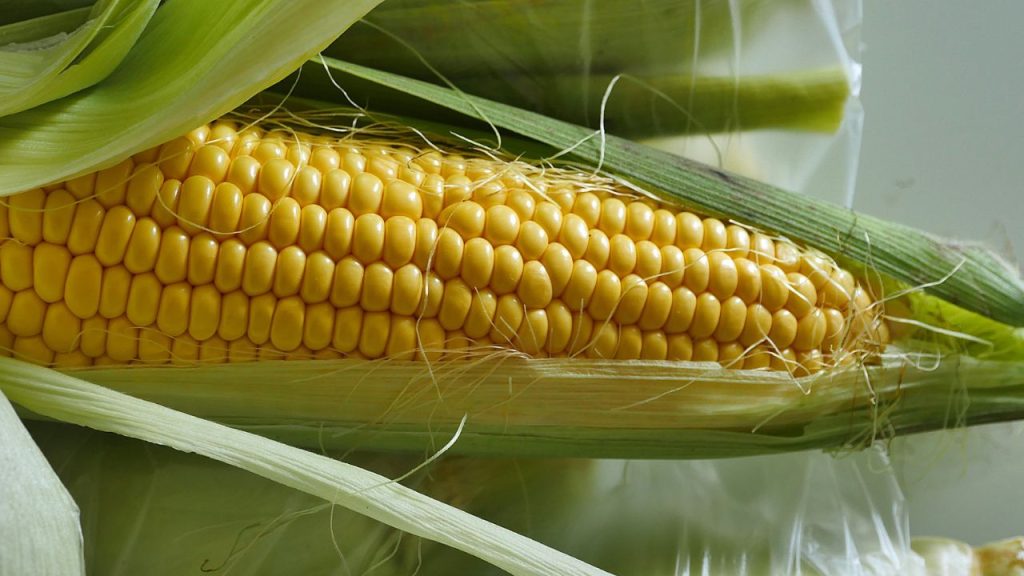
Juicy sweet corn can be picked and eaten fresh from mid to late summer. Freeze whole cobs or kernels for a splash of sun-kissed flavor in the colder months.
- Optimum yield per plant: 1–2 ears
- Number of plants per person: 10–20
Swiss Chard

Swiss chard is a great leafy green to grow through the winter months. I like to blanch and freeze balls of chopped Swiss chard to add to hearty winter soups.
- Optimum yield per plant: 15–20 large leaves
- Number of plants per person: 5–10
Cucumbers

Don’t go too crazy with
- Optimum yield per plant: 8–10 cucumbers
- Number of plants per person: 3
Onions

Pull mature onions from midsummer to early fall. Dry and store them in a cool, dry place to add flavor to your cooking for months.
- Optimum yield per square foot: 8-10 large bulbs
- Number of plants per person: 30–40
Green Beans
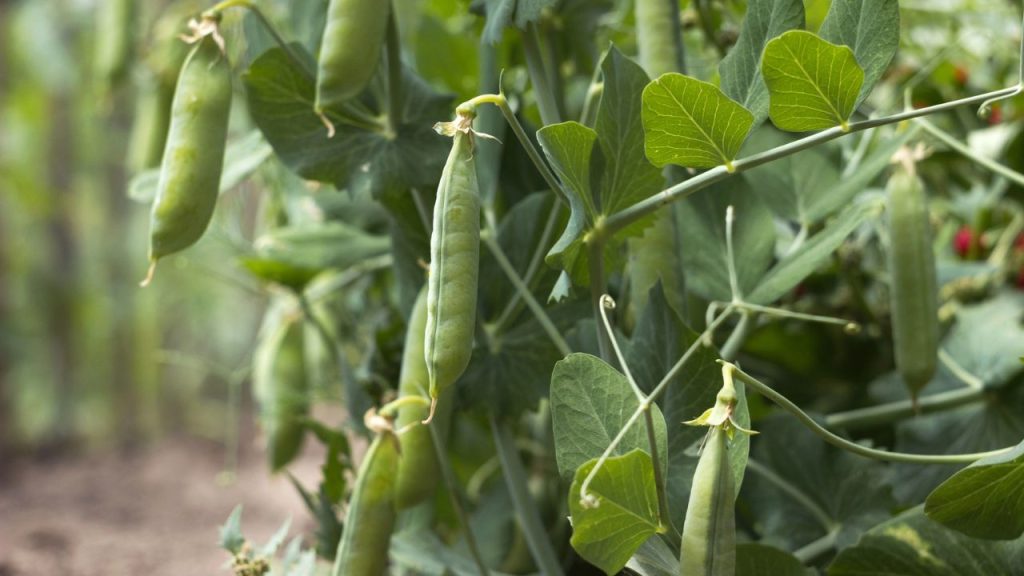
Harvest freshly picked pole or bush beans continuously throughout the summer. Surplus beans can be frozen or canned, giving you a steady supply of nutritious vegetables all year round.
- Optimum yield per plant: 120–150 beans
- Number of plants per person: 15–20
Winter Squash & Pumpkins

Flavorful and nutritious winter squash and pumpkins start to ripen from late summer through fall. Store them in a cool, dry place, and they’ll remain fresh and ready for hearty meals throughout the colder months.
- Optimum yield per plant: 3–5 large fruits
- Number of plants per person: 3–5
Dry Beans (e.g., black, kidney, pinto)
- Optimum yield per plant: 1/4–1/2 pound of beans
- Number of plants per person: 25–30
You need to plant a lot of beans to keep supplied with dry beans all year round, but it is definitely worth the time and effort! Whatever your chosen type of bean, simply let the pods dry on the plant and harvest in late summer or fall. Store the beans in airtight containers for a protein-packed pantry staple that lasts all year.
28 Pantry Staples You’ll Be Surprised to Learn Are This Easy to Make at Home

What if you could make your favorite pantry staples at home instead of buying them at the store? Making things from scratch is a simple way to rely less on grocery stores and have more control over what’s in your food.
28 Pantry Staples You’ll Be Surprised to Learn Are This Easy to Make at Home
8 Sneaky Animals That Are Secretly Destroying Your Lawn and Garden

Many pests can quietly cause significant damage if not controlled. It’s important to stay on top of these threats to keep your outdoor space looking its best. Here are seven sneaky pests to keep a close eye on.
8 Sneaky Pests That Are Secretly Destroying Your Lawn and Garden

Kate Chalmers
Kate is a passionate gardener who has a keen interest in all things related to homesteading and sustainability. She resides in Portugal with her husband and menagerie of animals and has over 15 years of experience in the UK veterinary industry. In 2020, Kate and her husband took on a dilapidated Portuguese house and abandoned olive grove, turning it into an abundant food forest and home for nature.
Life on the homestead is never the same from one day to the next, and Kate has mastered many skills that she is keen to pass on to anyone with an interest in becoming more self-sufficient. Kate believes that living a sustainable lifestyle is the key to happiness and fulfillment and that everyone can make simple changes that connect us back to nature and reduce our impact on the planet.