It’s frustrating to do everything you think you’re supposed to do—water regularly, give them light, maybe even whisper encouragement and still watch your plants slowly decline.
If this keeps happening more often than not, something small but important is being overlooked. Most plants don’t die from neglect. They die from care that doesn’t quite line up with what they actually need.
Overwatering Looks Like Care, But It Isn’t
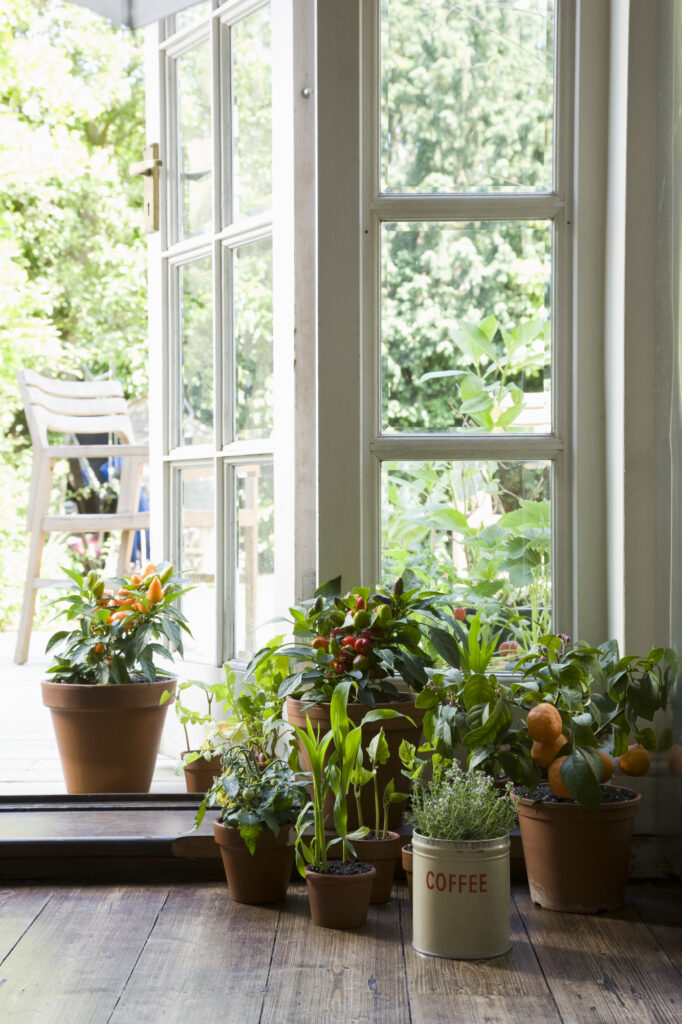
Overwatering is the most common reason houseplants fail. When soil stays wet all the time, roots can’t get the oxygen they need. Over time, they weaken, rot, and stop supporting the plant above them.
Signs of overwatering include yellow leaves, soft stems, constantly damp soil, and fungus gnats. Before watering, check the soil with your finger. If the top inch is still moist, wait. Most plants recover faster from slight dryness than from constantly wet roots.
Underwatering Still Matters Too
While overwatering is more common, underwatering can cause problems of its own. Dry soil can lead to wilting, crispy leaves, and stunted growth. Some plants recover once watered, but repeated stress can permanently weaken them.
Consistency matters more than frequency. When you water, water deeply so moisture reaches the roots instead of staying on the surface.
Light Problems Show Up Slowly
Light issues often go unnoticed because they don’t cause immediate damage. Plants that aren’t getting enough light may grow leggy, pale, or weak. Plants getting too much direct sun may develop scorched or crispy leaves.
No amount of
Drainage Is Non-Negotiable
A pot without drainage traps excess water at the bottom, where roots sit and slowly rot. Even careful watering won’t help if there’s nowhere for the water to go.
Always use pots with drainage holes and empty saucers after watering. If you love decorative containers, use them as outer covers, not as the main pot.
The Wrong Soil Can Undo Everything Else
Soil controls how water moves, how roots breathe, and how nutrients are absorbed. Succulents need fast-draining soil, while tropical plants prefer mixes that hold some moisture without staying soggy. Old or compacted soil blocks airflow and keeps roots stressed.
Refreshing the soil once a year improves drainage and provides roots with a healthier environment in which to grow.
Pot Size Can Work Against You
A pot that’s too small restricts root growth. A pot that’s too large holds excess moisture, increasing the risk of rot. The best pot is one that’s just slightly bigger than the root ball, with room to grow but not so much that water lingers.
Drainage holes matter just as much as size.
Skipping Fertilizer Leaves Plants Running on Empty
Water and light aren’t enough on their own. Over time, plants use up the nutrients in their soil. Without fertilizer, growth may slow, leaves may fade, and the plant may stop producing new growth entirely.
Feed plants during the growing season using a fertilizer suited to their type, and avoid over-fertilizing, which can burn roots.
Pests and Disease Don’t Always Announce Themselves
Small pests like spider mites or aphids can quietly weaken plants before obvious damage appears. Fungal issues often develop in overly wet soil or stagnant air.
Check leaves regularly, especially the undersides, for spots, webs, or sticky residue. Catching problems early makes them far easier to manage.
Temperature and Airflow Issues
Drafts from windows, heat vents, or sudden temperature changes stress plants. Most houseplants prefer steady, moderate conditions with gentle air circulation.
Avoid placing plants directly next to vents, doors, or radiators, and ensure air can circulate them.
Too Much Change
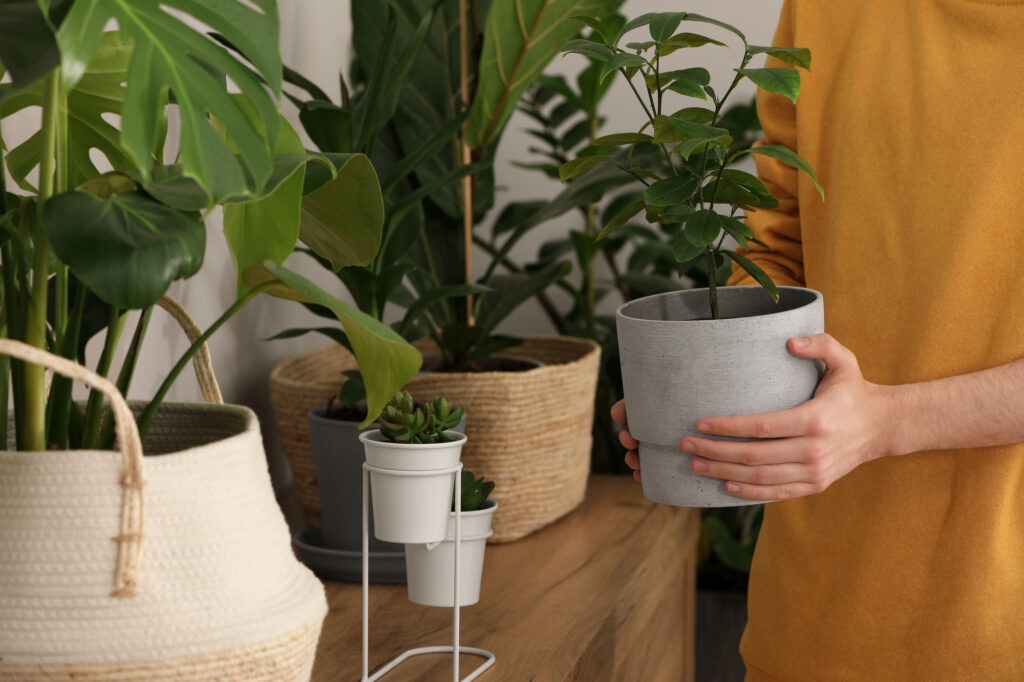
Moving plants often, repotting too frequently, or constantly adjusting care routines can prevent them from settling in. Once a plant begins to look healthy, new leaves, steady growth, it’s usually best to leave it where it is.
Plants do better with consistency than constant correction.
It’s Usually Not One Big Mistake
Plant problems rarely come from a single issue. More often, it’s a combination: slightly too much water, not quite enough light, soil that holds moisture too long, or a pot without drainage.
Once those basics are in balance, most plants become much easier to care for and much more forgiving.