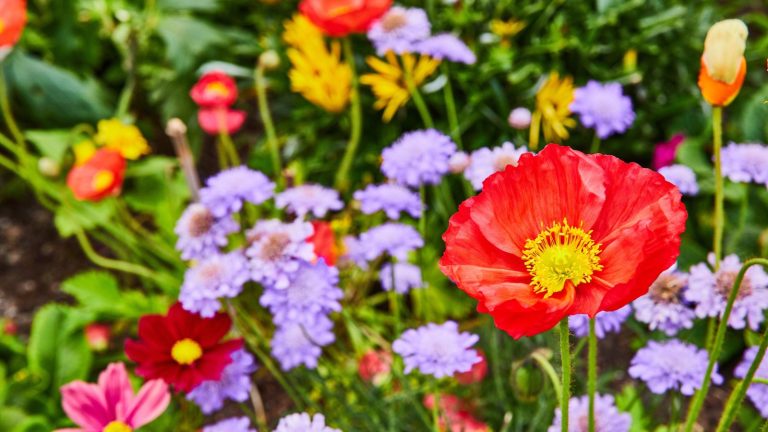

Heat waves are tough on plants. The soil heats up quickly, and your plants lose water fast, leading to wilting leaves, dry soil, and drooping stems almost overnight. But if you add the right things to your
Here are 15 ingredients you can safely mix into your
1. Cool, Plain Water

It might seem obvious, but during a heatwave, your top priority should be making sure your plants have enough plain water. Just as important, though, is how and when you water. Avoid watering during the heat of the day when the sun is strongest, unless it’s absolutely necessary.
2. Compost Tea

Compost tea is a homemade brew that’s like a gentle tonic for stressed plants. Steep a handful of finished compost in water (approximately a 1:5 ratio) for 24–48 hours, then strain and use the liquid to water plants.
It adds beneficial microbes and minerals that help plants stay hydrated and strong. Apply every 1–2 weeks during a heatwave. Do not use compost tea as a tonic for wilted plants if it has a sour smell. It should have an earthy scent, not smell like rotting garbage.
3. Epsom Salt (Magnesium Sulfate)

Epsom salt is a good source of magnesium for plants. Magnesium plays a crucial role in chlorophyll production and overall water uptake, particularly in plants such as tomatoes, peppers, and roses. It also improves leaf strength and reduces heat-induced stress.
Dissolve 1 teaspoon of Epsom salt per gallon of water to give plants a magnesium boost. Use only once or twice a month, as overuse can lead to salt buildup and harm delicate roots.
Related: How Epsom Salt Can Help Your Plants and Garden Thrive
4. Seaweed Extract (Liquid Kelp)

Kelp extract has several micronutrients and natural growth hormones that help plants wilted under heat stress bounce back. It also improves root development and drought tolerance. Mix 1–2 tablespoons per gallon of water and apply every 10–14 days. Look for organic versions that don’t contain sulfur, and avoid applying when the sun is high.
5. Liquid Fish Emulsion

Liquid fish emulsion is a gentle, fast-acting fertilizer that feeds plants without overwhelming them. It’s rich in nitrogen and micronutrients that support healthy leaves and encourage steady growth without harming the already stressed roots.
Mix at half strength (1–2 tablespoons per gallon) and apply every couple of weeks in the early morning. A little warning, though: it doesn’t smell that great (it’s made from fish byproducts after all), but the scent fades after watering (fades even faster outdoors).
6. Aloe Vera Juice

Everyone knows aloe vera juice is an excellent home remedy for sunburned skin. Turns out it also works wonders on sun-stressed plants. Aloe water improves water retention, soothes damaged leaves, and helps plants retain moisture for longer periods. Add 1 tablespoon of pure aloe juice to a gallon of water and use as usual.
7. Milk

Make a 10% milk solution for your
8. Baking Soda

By adding just ¼ teaspoon of baking soda to a gallon of water, you can fix so many issues with your plants. Baking soda can help balance pH, reduce minor fungal issues, and support cell structure.
It also softens hard water slightly, making it easier for roots to absorb moisture. Avoid using baking soda on already alkaline soil and refrain from overusing it. It should be used only as a light, occasional remedy.
Related: The Baking Soda Hack You Didn’t Know Your Garden Needed
9. Molasses

A tablespoon of blackstrap molasses (that doesn’t contain sulfur) feeds beneficial soil microbes and boosts overall soil life. When microbe activity increases, so does the soil’s ability to retain water and nutrients, which are two things plants need during a heatwave. Apply once a month and mix well into your
10. Apple Cider Vinegar
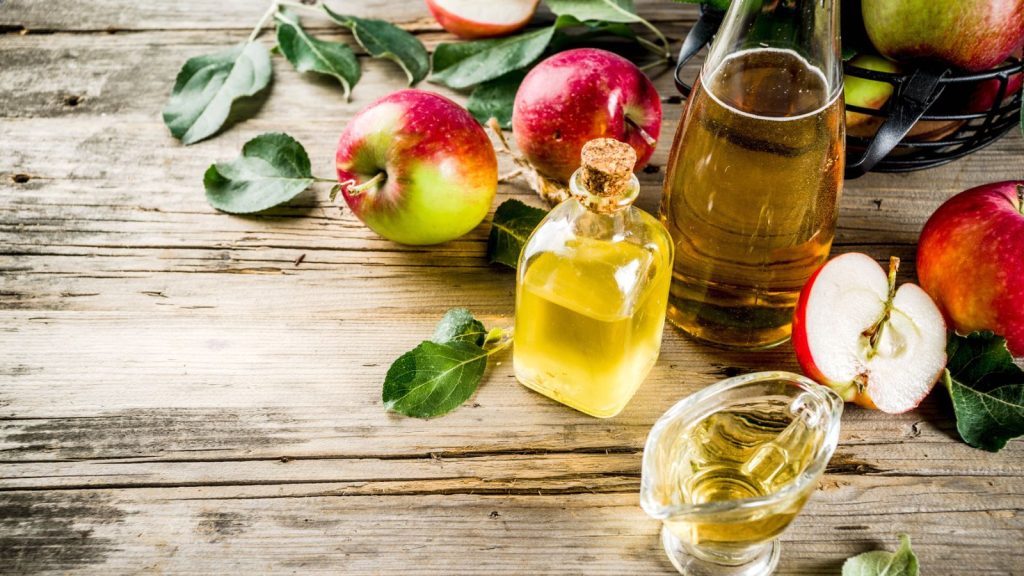
Add 1 teaspoon of
11. Hydrogen Peroxide

Mix 1 teaspoon of 3%
Related: Why Hydrogen Peroxide is the Solution Your Garden Needs
12. Chamomile Tea

Chamomile, like aloe vera, can soothe plants just as well as it soothes humans. Brew a strong cup of chamomile tea, let it cool, and then dilute it 1:2 with water. It has a calming effect on seedlings and delicate plants during hot weather.
The natural anti-fungal and antibacterial compounds it contains also ensure the plants remain protected even in extreme heat. You can also add a dash of cinnamon powder to boost its effectiveness and apply gently around the roots or as a mist in the early morning.
13. Cornmeal
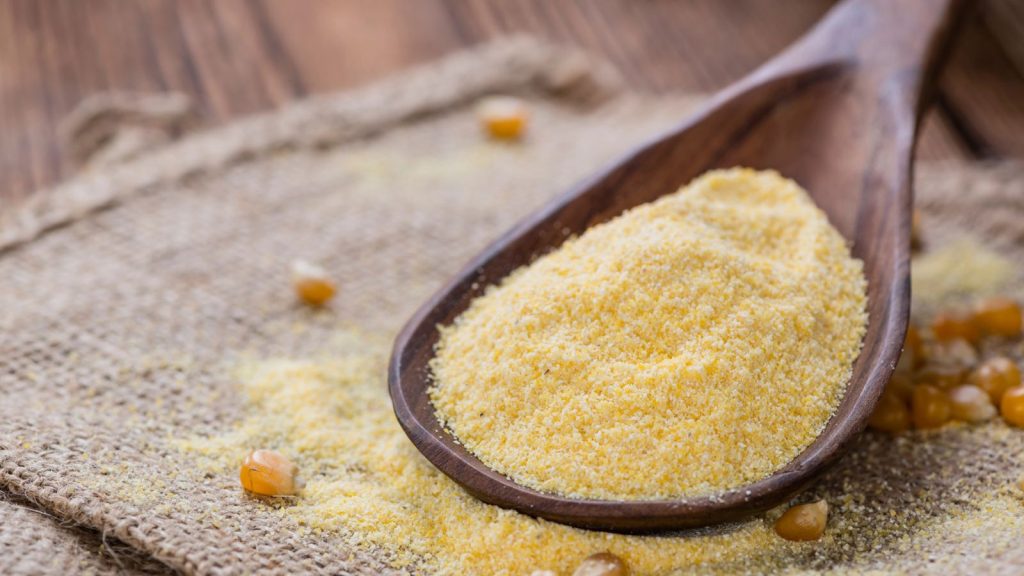
Finely ground cornmeal is surprisingly beneficial in the garden, as it can nourish beneficial fungi and bacteria in the soil. Although this won’t directly hydrate plants, it helps create a healthier soil ecosystem that retains water more effectively during periods of high heat.
Stir a small handful into a gallon of water and let it steep overnight, then pour around plant bases.
14. Aspirin (Salicylic Acid)

Dissolve one regular aspirin (325 mg) in a gallon of water to help plants activate their natural defense systems. Salicylic acid is a compound that plants produce in response to stress, and a small dose can simulate this response. Use every 3–4 weeks during hot spells to boost their stress tolerance, especially on veggies and annuals.
15. Rooting Hormone Solution
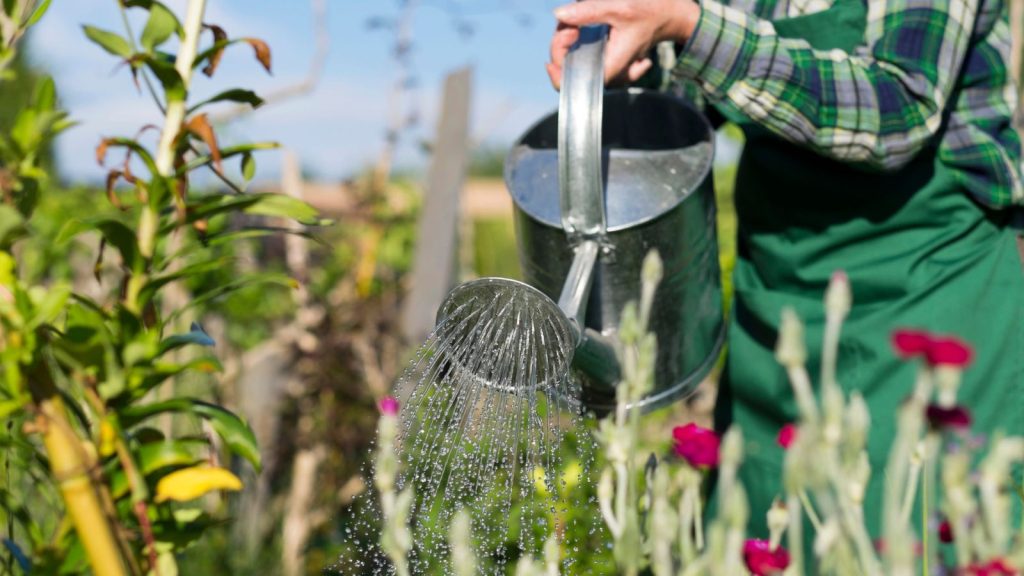
A diluted rooting hormone (about 1 ml per gallon of water) can help plants develop stronger, deeper root systems. This solution is especially important for young or recently transplanted plants.
Healthier roots mean better water absorption, which helps plants resist wilting when temperatures begin to rise. Use only occasionally, and water directly at the base.
How to Water Your Garden The Right Way
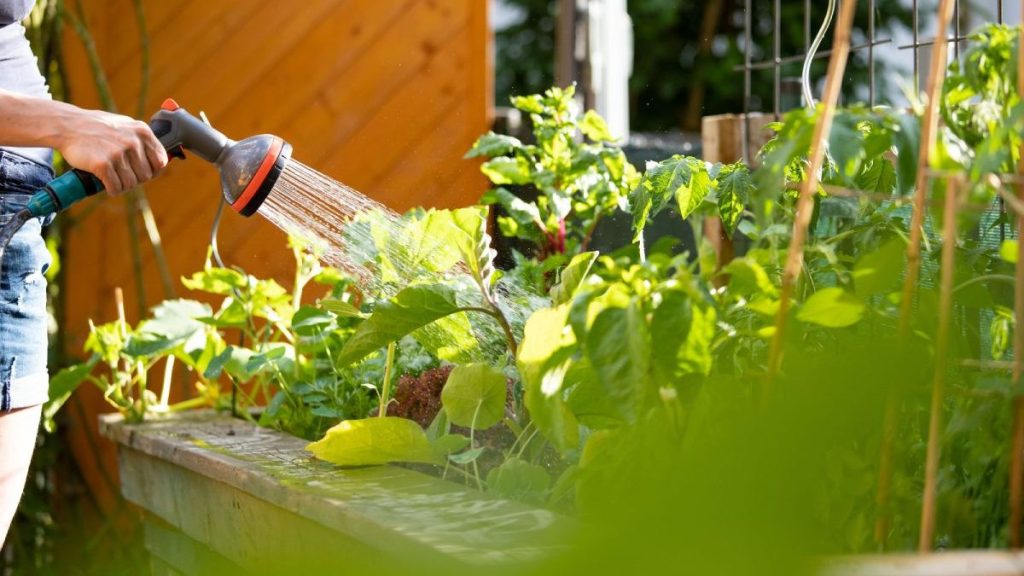
There are watering best practices that strike the perfect balance. Let’s make sure your plants stay happy and hydrated!
How to Water Your Garden The Right Way
I’ve Grown Tomatoes for Years —These Are the Tips That Actually Work
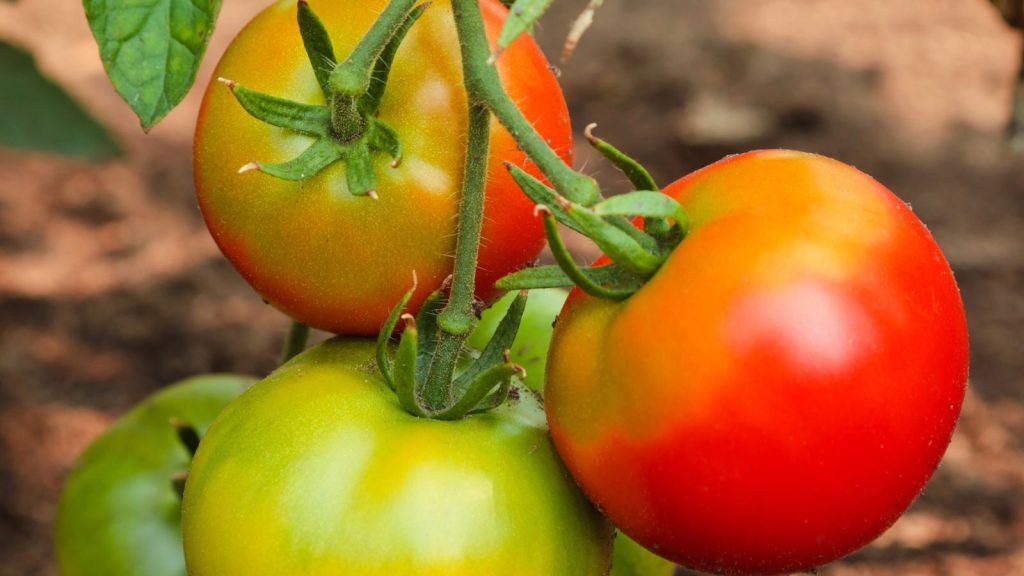
If you’re tired of trial and error and need advice that actually yields results, here are 18 tips that’ll help you grow the best tomatoes of your life.
I’ve Grown Tomatoes for Years —These Are the Tips That Actually Work
12 Delicious Herb Plants to Grow in Water
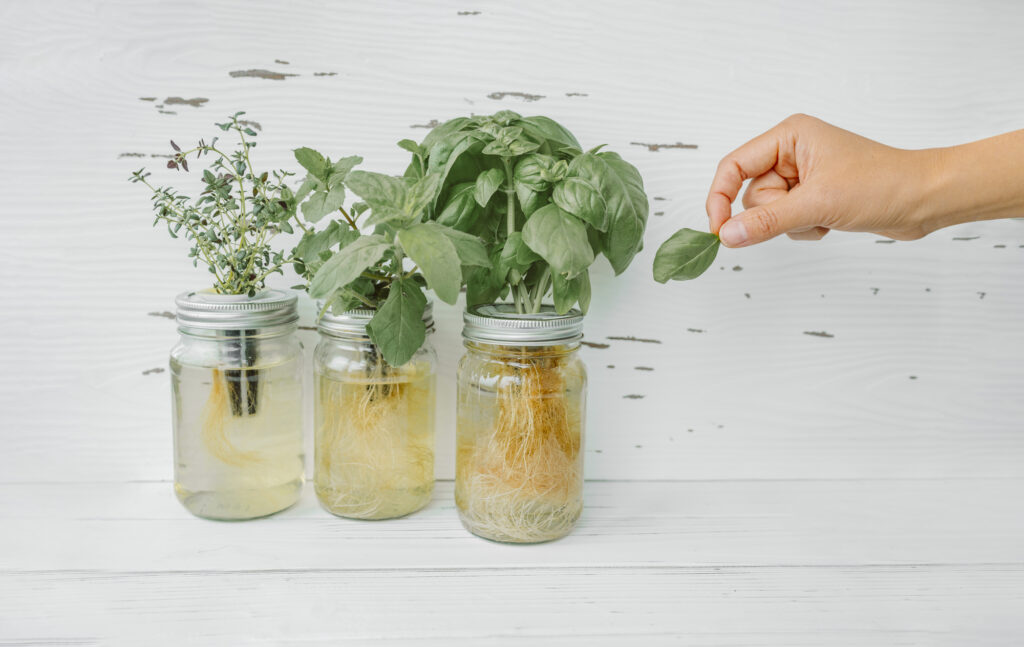
Instead of constantly buying fresh herbs from the store or waiting for seeds to sprout, you can easily grow your favorite herbs at home using only water. Here’s a list of 12 herb plants you can start growing today in just water.