
Gardeners have relied on Epsom salt for generations, and for good reason. This simple yet powerful mineral has been used across the homestead for everything from plant care to personal wellness.
Despite its name, Epsom salt isn’t actually salt at all. It’s magnesium sulfate, a mineral compound that works wonders in the garden. Whether you’re starting seeds or looking to give your plants a boost, Epsom salt is an inexpensive way to improve soil health, encourage bushier growth, and increase flower production.
It also helps plants produce more chlorophyll while deterring common garden pests like slugs and voles. Unlike many commercial fertilizers, Epsom salt doesn’t build up in the soil over time, making it safe to use throughout the growing season.
Here are some of the best ways to use Epsom salt in your garden.
Natural Fertilizer for Stronger Plants
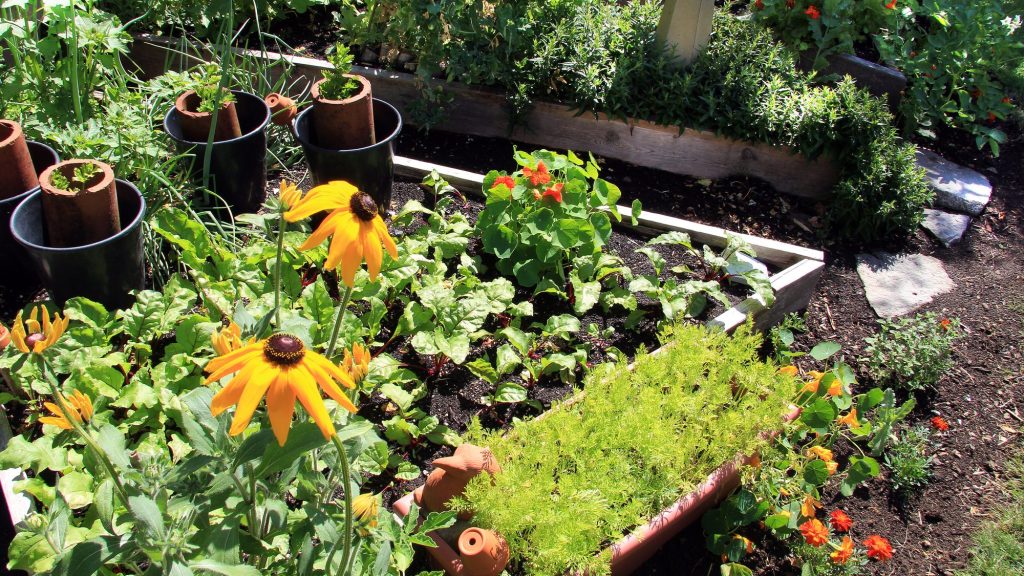
Epsom salt is rich in magnesium, an essential nutrient that supports plant growth and enhances the flavor of fruiting vegetables like peppers and tomatoes.
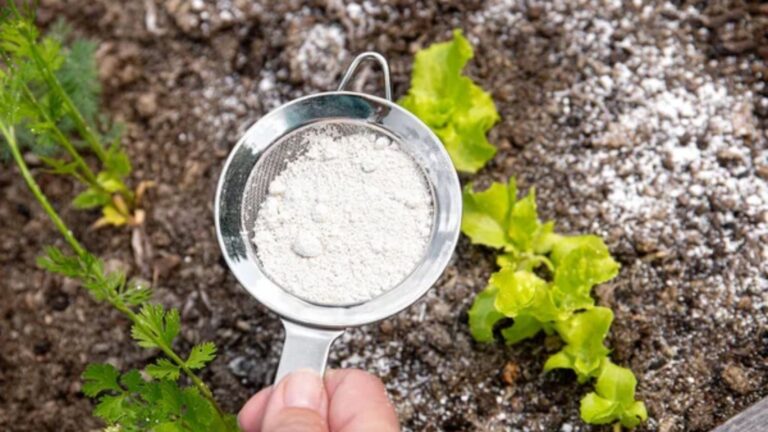
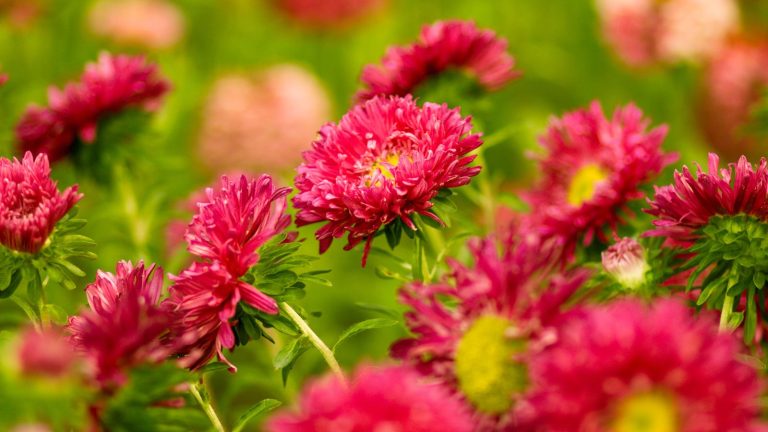
It also encourages greener leaves and bigger blooms in flowering shrubs such as roses. For best results, sprinkle a small amount around the base of plants or mix a handful into potting soil.
Speed Up Composting

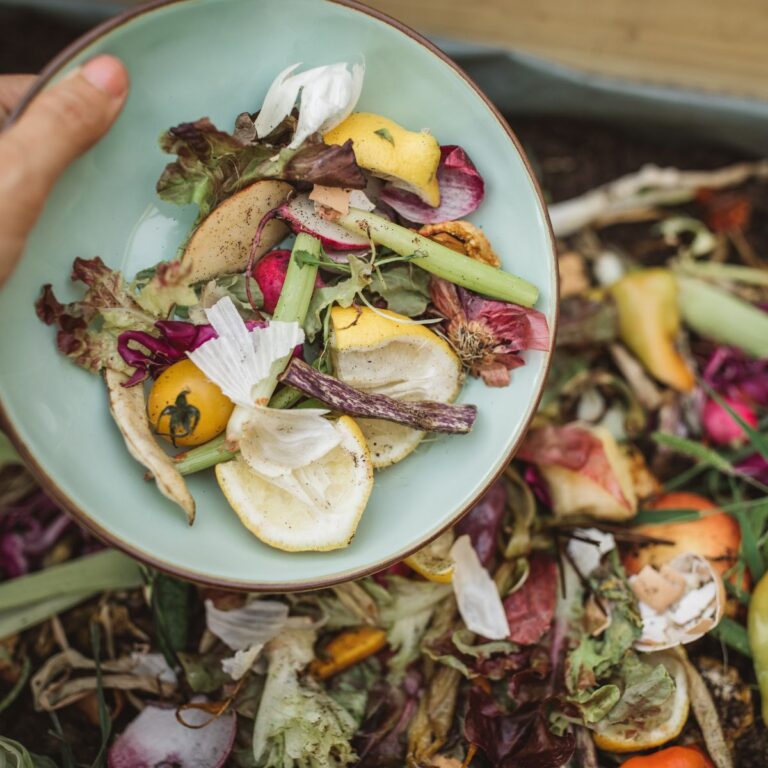
Adding a few handfuls of Epsom salt to your compost pile helps break down organic matter more quickly, creating a nutrient-rich compost that fuels plant growth.
If you’re using Epsom salt in your compost, you may not need to add extra when potting plants.
Keep Pests Away Naturally

Slugs and snails can wreak havoc on your garden, but Epsom salt creates a natural barrier they won’t cross. Sprinkle a line around garden beds and containers to protect your plants from these common pests.
Treat Ailments in Livestock

Epsom salt is a useful remedy for certain livestock ailments. It can help draw out infections and abscesses when used in a soaking solution, and when applied dry, it works as a natural dry shampoo to absorb dirt and oils from fur.
Remove Rust from Tools and Equipment

Bring rusty garden tools back to life with a simple Epsom salt and lemon juice paste. Apply the mixture to rusty areas, let it sit, then scrub it off to restore your tools.
Fix Leaf Curl in Plants and Trees

Magnesium deficiency is one common cause of leaf curl in plants. Mixing Epsom salt with water and applying it to the soil or as a foliar spray can help restore plant health and prevent further damage.
Encourage Lush Rose Blooms

Epsom salt enhances rose blooms and encourages new cane growth. Use one tablespoon per foot of plant height every two weeks, or mix half a cup into the soil at the base of the plant.
For new rose bushes, soak the roots in a solution of one cup of Epsom salt per gallon of water before planting.
16 Plants That Will Perfectly Complement Your Roses
Strengthen Tomato Plants

Tomatoes thrive when given a boost of magnesium. To prevent magnesium deficiency and blossom end rot, dissolve one to two tablespoons of Epsom salt in a gallon of water and apply it to the soil every two to four weeks.
You can also use it as a foliar spray every four to six weeks throughout the growing season.
Support Healthy Pepper Growth
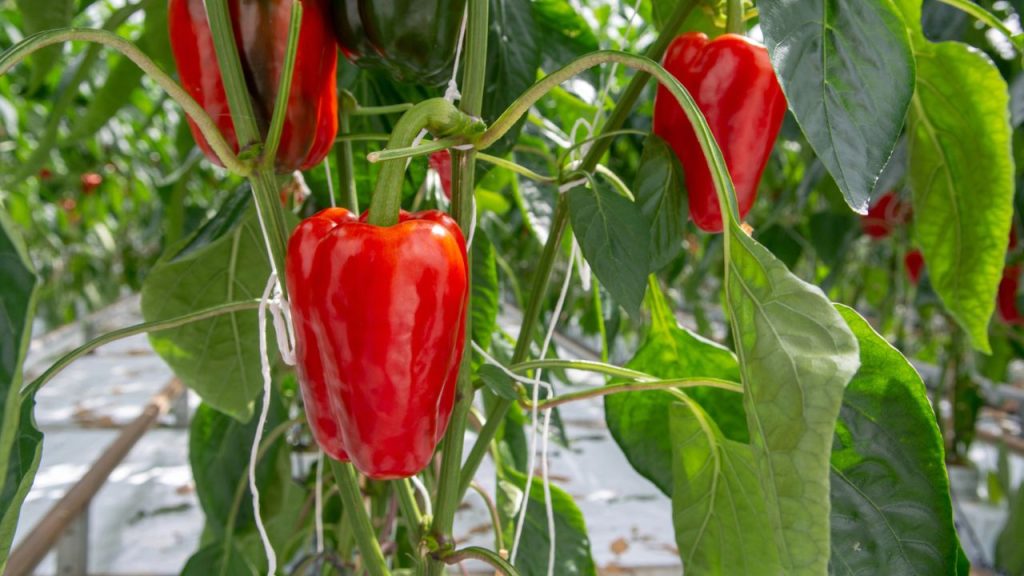
Epsom salt encourages strong root development and better fruit production in pepper plants. Apply it to the soil or mix it into watering routines to support healthy growth.
Improve Citrus Tree Fruit Production

Citrus trees often suffer from magnesium deficiency, which leads to yellowing leaves and poor fruit development. Adding Epsom salt to the soil helps maintain vibrant foliage and better fruit production.
Keep Houseplants Thriving

Many indoor plants benefit from an occasional dose of Epsom salt to boost overall health. Dissolve two tablespoons per gallon of water and feed houseplants monthly to support growth and vibrant leaves.
Enhance Lawn Color and Strength

Lawns can also benefit from Epsom salt to improve color and overall health. Magnesium helps grass stay lush and green, making it a natural addition to lawn care routines.
Ease Transplant Shock

Transplanting can leave plants looking wilted and stressed, but a little Epsom salt can help them adjust more quickly. Sprinkle some into the planting hole and cover it with soil before adding the plant to avoid direct contact with the roots.
This provides a gentle nutrient boost, helping transplants recover and establish strong, healthy growth.
12 Natural Ways to Get Rid of Weeds in Your Garden

While we may tolerate certain weeds like dandelions, most gardeners aim to remove these undesired plants from their gardens—for good. To help you get rid of weeds in your garden, here are 12 natural methods to consider.
12 Natural Ways to Get Rid of Weeds in Your Garden
How to Outsmart Gnats to Keep Them Away From Your Houseplants
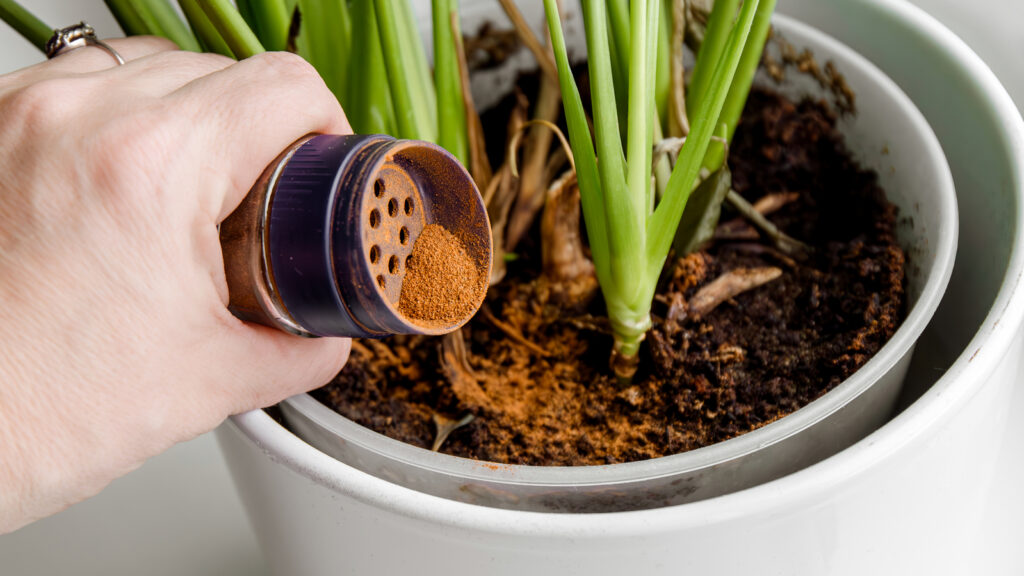
Gnats are more than just a minor annoyance; these tiny pests buzz around with a persistence that’s hard to ignore. Here are ten effective ways to keep gnats away from your house plants.
How to Outsmart Gnats to Keep Them Away From Your Houseplants