
Skunks might look small, but once they show up in your yard, the problems can pile up fast—from rummaging through trash to leaving behind that unmistakable, lingering smell. These nocturnal wanderers are always on the hunt for food and shelter, and your backyard may offer both without you even realizing it.
Skunks are drawn to easy meals like pet food, birdseed, and garbage, and once comfortable, they might dig under porches, sheds, or decks to claim their spot. But you don’t need expensive exterminators or harsh chemicals to send them packing. Here are 12 clever, low-cost ways to keep skunks out and your yard stink-free.
Peppermint

Peppermint oil or fresh peppermint plants can help mask scents that skunks use to navigate. Its intense aroma overwhelms their sensitive noses and makes it harder for them to feel comfortable in your yard.
Try planting peppermint around the perimeter or mix a few drops of essential oil with water and spray it near common entry spots.
Citrus Peels

Skunks dislike the sharp, tangy smell of citrus. Save your orange, lemon, or grapefruit peels and scatter them in skunk-prone areas of the yard. They not only repel skunks but break down naturally, adding a little organic matter to the soil in the process.
Related: 12 Clever Ways to Use Up Leftover Orange Peels
Coffee Grounds

Used coffee grounds aren’t just for compost—they’re also a natural way to keep skunks away. Their strong aroma and slightly acidic nature create an environment that’s uninviting to skunks, who rely heavily on their sense of smell.
Simply sprinkle used grounds around the perimeter of your yard or in areas where skunks have been spotted. Refresh the grounds regularly to maintain their potency.
Related: How to Use Coffee Grounds in the Garden
Castor Oil

Castor oil is a gentle but effective deterrent. Mix it with water and spray it on areas where skunks tend to dig or forage. The strong scent masks the smell of insects in the soil and makes the ground less appealing overall—without harming your garden or pets.
Motion Sensor Lights

Since skunks are most active at night, a sudden burst of light can send them running. Motion-activated lights disrupt their nocturnal habits and make your yard feel unsafe to them.
Install these lights near trash bins, under decks, or wherever skunks might explore. They’re energy-efficient, low-maintenance, and a great non-invasive deterrent.
Capsaicin

The active compound in chili peppers, capsaicin, creates a burning sensation that’s very unpleasant for skunks.
Mix cayenne or red pepper flakes with water and spray them along fences, garden beds, or entry points. The strong, spicy scent alone is usually enough to keep them from sniffing around too closely.
Yellow Onions

Cut onions give off strong sulfuric compounds that skunks find overwhelming. Chop them up and place the pieces in mesh bags or breathable containers near areas skunks frequent. You’ll need to replace the onions regularly to keep the smell strong and effective.
Used Kitty Litter

Skunks are naturally wary of predators, and used cat litter sends a strong warning signal. The scent of cat urine mimics the presence of a predator and encourages skunks to stay away.
Scatter small amounts around your yard’s borders or near known burrows, but always place them in areas away from play spaces or water sources.
Predator Urine

You can purchase predator urine, such as fox or coyote, at garden centers or online. When applied around your yard, the scent mimics the presence of a threat, prompting skunks to move on. Reapply after rain or every few days for consistent results, especially near potential nesting spots.
Beneficial Nematodes

Skunks are often drawn to lawns with a high population of grubs and insects. Introducing beneficial nematodes into your soil helps reduce these pests naturally. Less food means fewer visits from hungry skunks looking to dig up your lawn for a snack.
Keep It Clean

A cluttered yard offers shelter, food, and plenty of hiding spots. Regularly mow the lawn, clear brush, pick up fallen fruit, and secure trash bins to make your yard less appealing. The cleaner the space, the fewer reasons skunks will have to stick around.
Cucumbers

Cucumbers emit a strong, slightly bitter scent that many animals—including skunks—find off-putting. Their presence in a garden or yard can serve as a subtle natural repellent. Place fresh
Squash
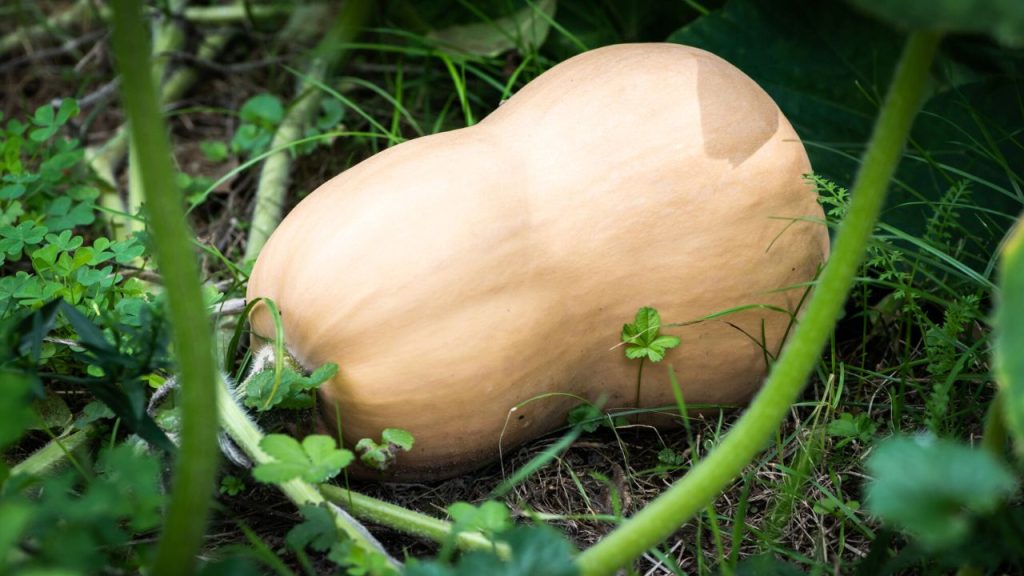
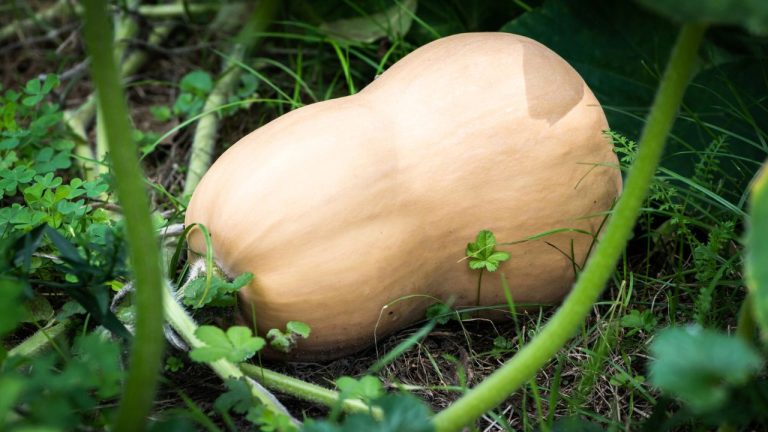
The rough, sometimes prickly texture of squash skin is another natural deterrent for skunks. Many gardeners grow squash along fence lines or garden edges to discourage unwanted visitors. You can also place pieces of squash peel near problem areas as a simple, biodegradable barrier.
18 Tips To Keep Your Home From Smelling Like a Pet

We all adore our pets, but let’s be honest—they can bring some unwelcome smells into our homes. Whether it’s the odor from a litter box or the lingering scent of a wet dog, here are 18 practical tips to help you eliminate those unwanted smells and keep your home smelling fresh.
18 Tips To Keep Your Home From Smelling Like a Pet
How to Defeat Japanese Beetles in Your Garden

If Japanese beetles are causing problems in your garden, consider trying one of these natural methods to eliminate them.
How to Defeat Japanese Beetles in Your Garden
Common Pests That Could Ruin Your Fall Vegetable Garden

Fall gardens can attract a variety of pests eager to snack on your crops, threatening your harvest. The good news is that nature provides ways to manage these unwanted visitors. Here’s a guide to some of the most common fall garden pests and tips on how to prevent and manage them.