Companion planting sounds like a simple concept; you pair plants that complement each other and watch your garden thrive. But even the best-intentioned gardeners can get it wrong. Here are 16 mistakes quietly sabotaging your companion plant setup.
1. Pairing incompatible plants
A basic prerequisite for a companion plant is that it must get along well with the other plants it’s sharing space with, or the whole idea falls apart. However, some plants are not compatible with each other.
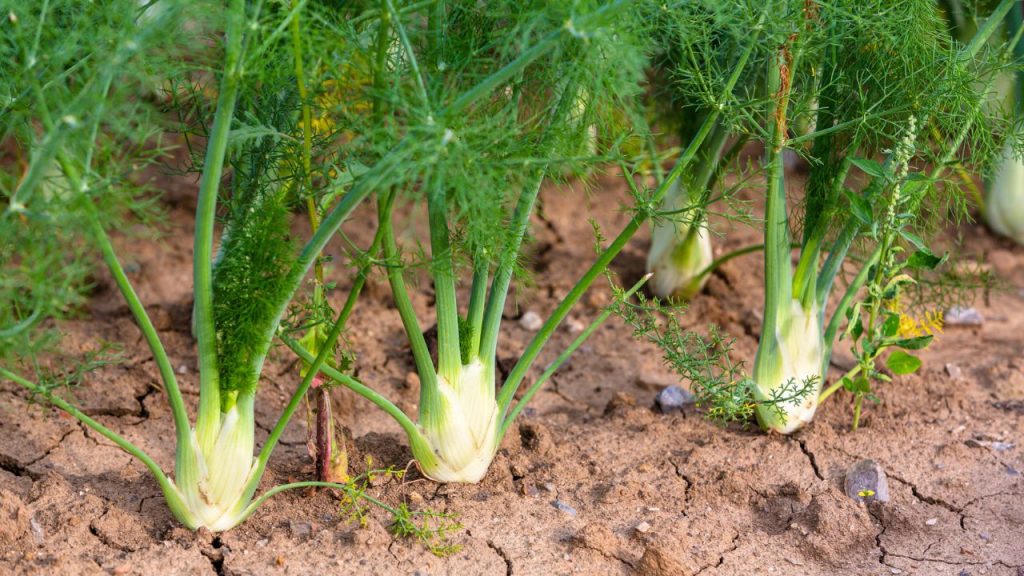
For example, if you plant tomatoes and fennel side by side, the fennel will inhibit the growth of the tomatoes because of its allelopathic properties. Another example is beans and onions, as onions will always stunt the growth of beans.
The key to companion planting is to consider not just what looks good together or grows well under the same conditions, but also what plants actively compete with or harm their neighbors.
15 Plants That Can Peacefully Coexist with Fennel
2. Overcrowding companion plants
You know that popular saying about too many cooks ruining the broth… Yes, companion plants are great, but it doesn’t mean you can cram everything in a tiny space and expect them to grow well. Plants still need space to stretch their roots and branches.
Also, overcrowding reduces airflow, which increases the risk of fungal infections and pest buildup. It also means your plants are fighting over water, sunlight, and nutrients — the very antithesis of what companion planting should be. When in doubt, it’s always safer to go thin.
3. Ignoring plant spacing requirements

Appropriate plant spacing trips up even seasoned gardeners. Just because
Always check the recommended spacing for each plant, and resist the urge to plant them too close, even when planting for symbiotic benefits.
4. Planting aggressive growers beside delicate ones
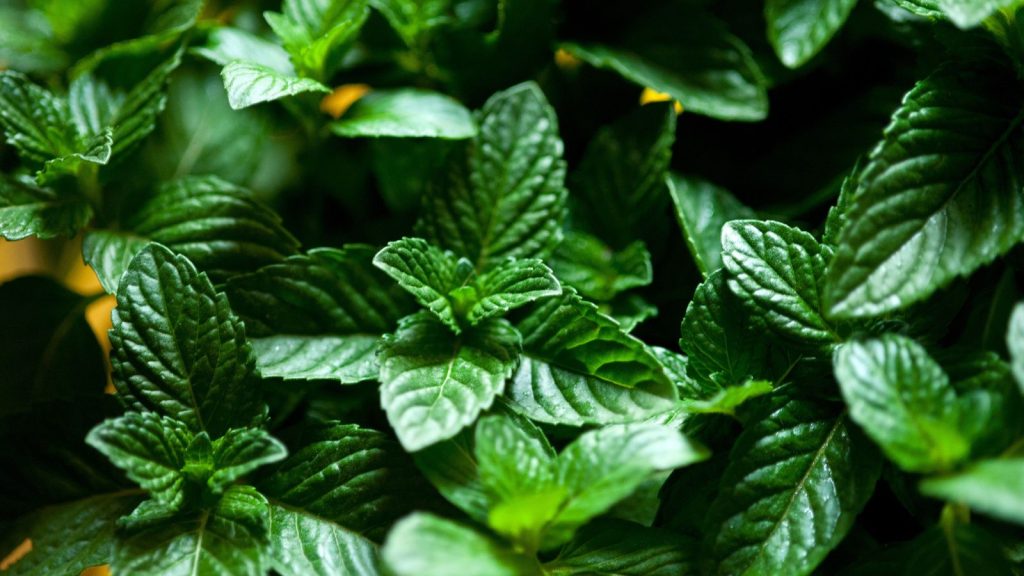
Some plants are very aggressive growers. You plant them with others, and they bully them out of space and nutrients until they die. Mint, for instance, spreads rapidly and can quickly outcompete slower-growing plants. If you pair mint with a fragile herb like chervil, you’ll likely never see the chervil again.
Aggressive plants need containment or boundaries. If you absolutely need to include them in your garden bed, consider growing them in pots or separate beds instead.
5. Mixing plants with different water needs

Companion planting only works when plants have compatible care needs. If one prefers dry conditions (for example,
Grouping plants by similar watering needs helps maintain soil consistency. It also saves you from playing a constant guessing game when watering.
6. Overlooking local climate and soil factors

Just because two plants are compatible somewhere doesn’t mean they’ll thrive in your backyard. If your soil stays wet or your summers are extremely hot, you need to choose companions that are suited to those conditions. What works in a cool Vermont garden might not in Arizona, where it gets hot.
Always start with plants that thrive in your local zone and soil, then build your companion plan around that foundation.
7. Assuming all herbs are good companions

Herbs are often touted as great companion plants, but they’re not universally beneficial. Some herbs work better as companion crops for certain plants than others.
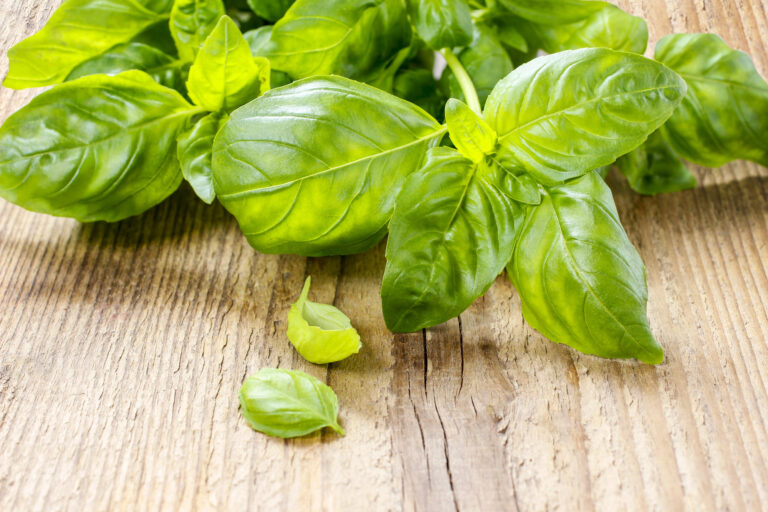
For example, while basil pairs beautifully with tomatoes, it won’t pair well with root crops. Another example is
Know what your herbs do as companion plants and check that while they’re helpful for one thing (like pest control), they’re not directly harming the other plants in other areas.
8. Overusing one type of plant as a companion
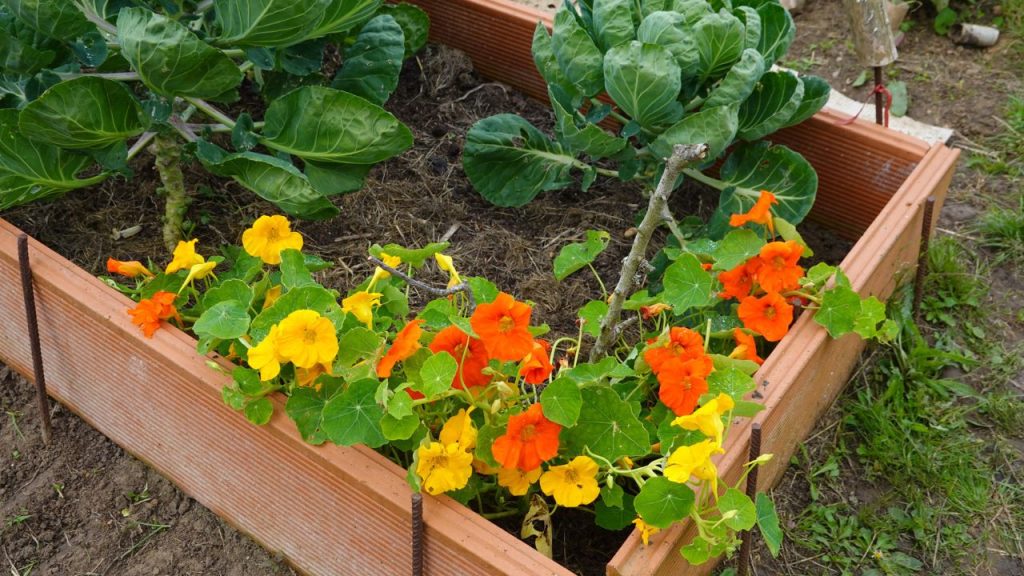
So, you’ve found a crop that works well as a companion plant for all the other plants in your garden? Great! Try to resist the urge to use them as a blanket companion plant for your entire garden bed.
As powerful as these super companion plants (like
Introduce diverse options to help prevent pest and disease cycles from forming. Relying too heavily on one companion crop can also mean you’re ignoring other potential benefits you can get from others.
9. Wrong Soil pH

Soil pH is often overlooked, yet crucial for proper growth. For instance, plants like blueberries love acidic soil, while many vegetables prefer more neutral conditions. Obviously, one of them will suffer when grown in a similar pH.
Growing plants with incompatible pH levels will only lead to poor growth and underwhelming yields. You can get ahead of this by testing your soil and understanding each plant’s preferred pH range before planting them as companions.
10. Not adjusting for seasonal growth patterns

Some plants grow quickly, while others take their time. Planting a slow-growing crop like parsnips with a fast-growing
Companion planting should take timing into account. Either you plant successively (one after the other) or choose plants with complementary growth speeds so that none suffers.
11. Failing to rotate companion crops

Even if your companions work well together, growing them in the same spot year after year can lead to soil fatigue, nutrient depletion, and pest buildup.
Crop rotation is particularly important for heavy feeders, such as tomatoes or root vegetables. Moving plant families around each year helps break pest and disease cycles and gives your soil some time to recover.
12. Not accounting for height differences

Plant height matters more than most people think. A tall plant, such as
If you want to pair tall and short companions, the simplest way to position them is to avoid shading each other by placing the taller plant at the back and the shorter one in front. Alternatively, you can use the shade they cast to your advantage by planting cooler crops, such as
13. Pairing plants with similar pest vulnerabilities
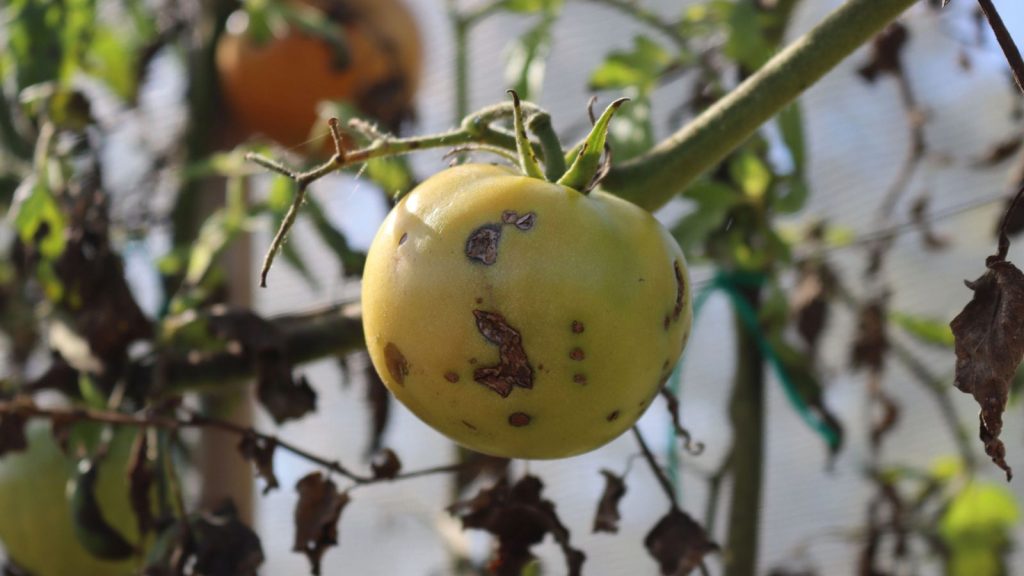
Some plants attract the same types of pests, and planting them together just makes the problem worse. You’re practically laying out a feast for the pests and telling them to gorge themselves at your expense.
A good example is tomatoes and potatoes, both of which suffer from early and late blight. Placing them side by side is practically throwing a fungal party. Likewise, cabbage and broccoli share pests, such as cabbage loopers. Companion planting should interrupt pest cycles, not reinforce them.
14. Ignoring allelopathic effects

Allelopathy occurs when a plant releases chemicals that inhibit the growth of other plants. Black walnut trees are famous for this, but even smaller plants like fennel and wormwood can also cause problems.
It’s not always easy to see the allelopathic effect until your plants start mysteriously wilting or underperforming. Read more about the potential allelopathic behavior before pairing unfamiliar plants.
15. Assuming all legumes benefit every plant

Legumes, such as beans and
Also, nitrogen isn’t great for every crop. For example, too much nitrogen can harm root crops like
16. Planting trap crops too close

Trap crops like
14 Pretty Flowering Shrubs and Bushes to Boost Curb Appeal
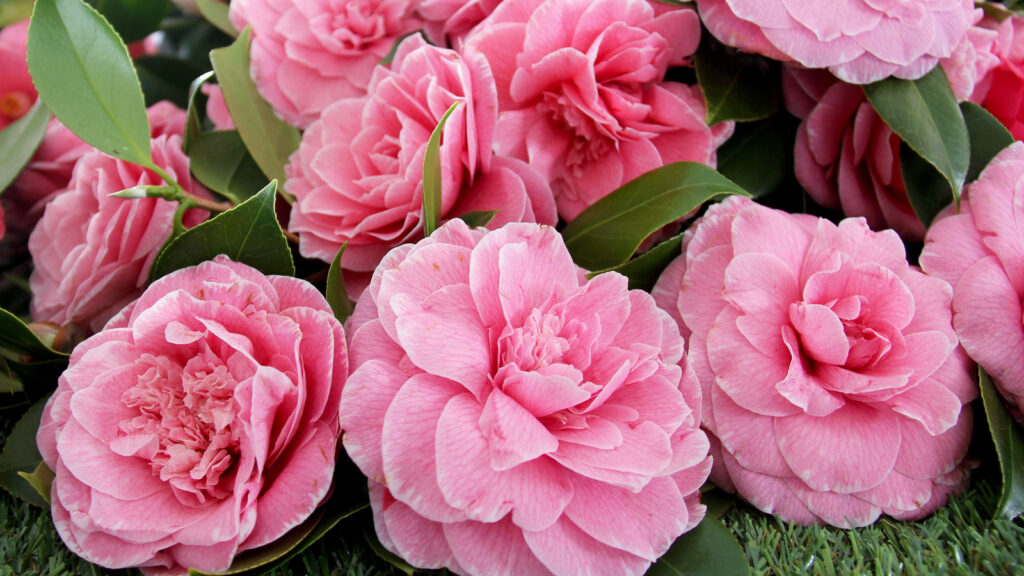
Choosing the right shrubs and bushes is important for both appearance and functionality in your landscape design. These plants help increase your home’s curb appeal by providing color and beauty from spring through fall. Here are 14 attractive flowering shrubs and bushes to enhance your curb appeal.
14 Pretty Flowering Shrubs and Bushes to Boost Curb Appeal
20 Best Climbing Plants for Your Fences, Trellises and Pergolas

Climbing plants can dramatically transform your garden into an eye-catching feature, offering a unique way of ascending the structures they encounter. Here are the 15 best climbing plants to consider for your garden.
20 Best Climbing Plants for Your Fences, Trellises and Pergolas
19 Stunning Red Flowers to Add Bold Color to Your Garden

Adding red flowers to your garden introduces vibrant pops of color, creating a warm and lively atmosphere. Here’s a list of 19 varieties to brighten your garden, bringing in the perfect touch of spring and summer cheer.