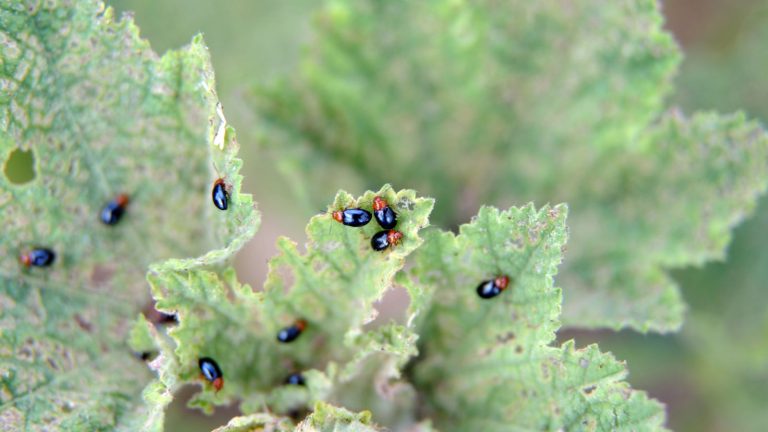


Potatoes are incredibly easy to grow. They don’t require much maintenance or space and will reliably produce great yields. However, despite their low demands, potatoes are vulnerable to pests like aphids, Colorado potato beetles, and wireworms.
Companion planting is a natural way to deter these pests, improve soil health, and boost yield. Below are 15 companion plants that help potatoes thrive naturally in home gardens.
1. Horseradish
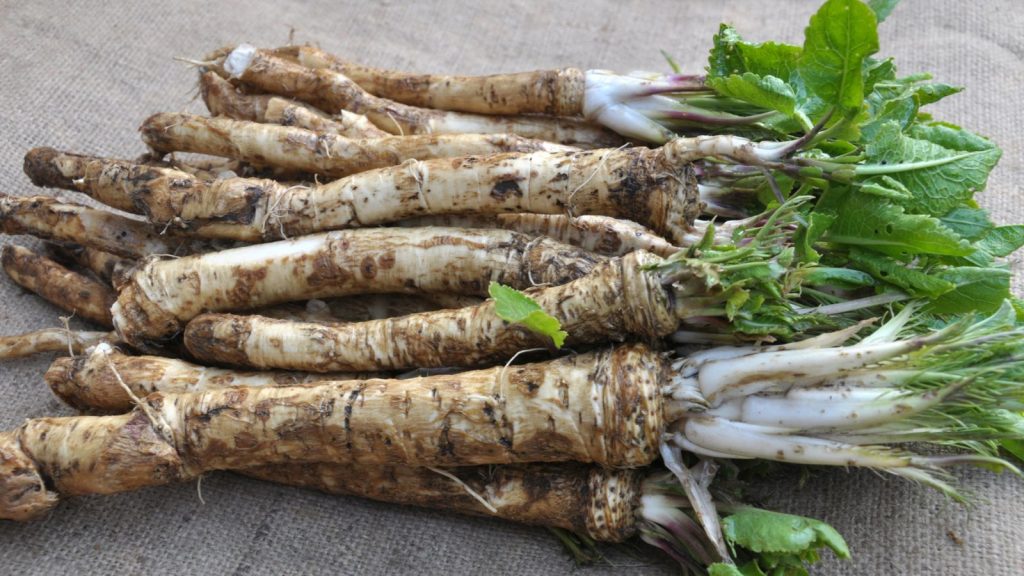
Horseradish has a characteristic pungent odor that repels pests like Colorado potato beetles. Its deep taproots also help to break up compacted soil, making nutrients more accessible.
It grows well in USDA Zones 3–9, full sun, and well-drained, fertile soil. However, horseradish can be invasive, so plant it in pots near the potato beds to prevent competition and control its growth.
2. Beans

Potatoes need a lot of nitrogen to grow well. As legumes, beans help fix nitrogen in the soil. They also act as ground cover to maintain soil moisture and reduce weed growth.
They grow well in USDA Zones 3-10, in full sun and well-drained soil. Plant beans between your potatoes after frost has passed and with enough space between them for proper airflow.
3. Cabbage

Cabbages are great companion plants for potatoes because they’re non-competitive plants with shallow roots. They grow well in USDA Zones 1–9, in full sun and well-drained, fertile soil. However, cultural practices like spacing and crop rotation need to be followed since both plants are susceptible to the same pests and diseases.
4. Marigolds

Marigolds have several advantages as companion plants. They give your garden great aesthetics, prevent the growth of weeds, and their roots release a chemical compound that suppresses the growth of nematodes — a serious potato pest.
They grow well in USDA Zones 2–11, in full sun and well-drained soil. Plant them densely between your potato plants to enjoy all their benefits.
5. Cilantro
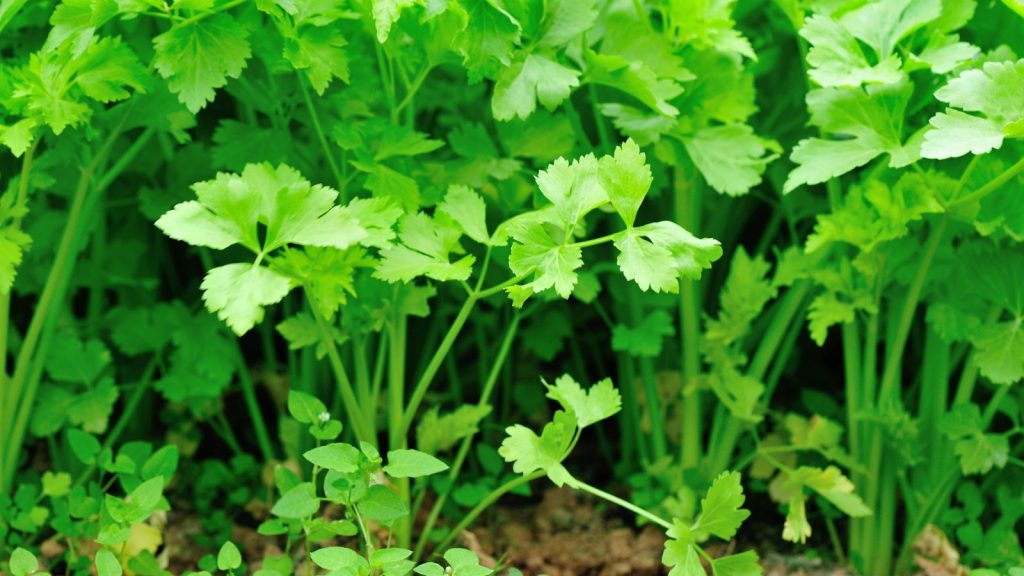
Cilantro grows well in USDA Zones 3–11, in partial shade to full sun, and well-drained soil. Its aromatic leaves attract beneficial insects that keep harmful pests like Colorado potato beetles in check.
The smell also helps to mask the aroma, potentially confusing other pests. Plus, you’ll have a fresh supply of herbs at hand to cook your potatoes.
6. Chives
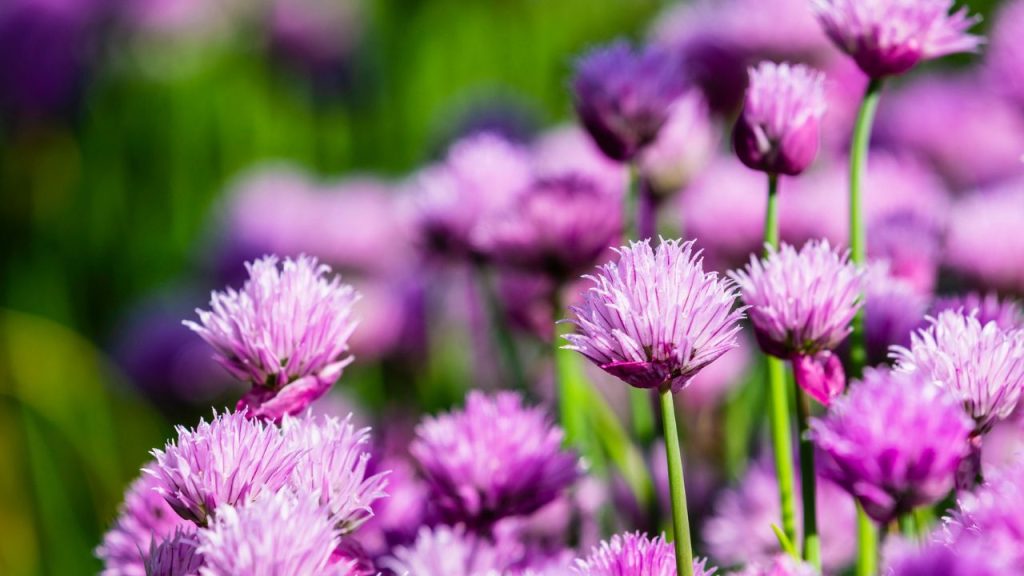
Chives are a practical addition to your potato garden. They love full sun and well-drained soil and grow well in USDA Zones 3–9. Their mild onion scent helps ward off aphids and other pests, making them a great natural line of defense. They also have shallow roots and a non-invasive nature so that they won’t compete for nutrients.
Plant them along the edges of your potato beds for a neat, fragrant border. If space is tight, keep them in pots nearby.
7. Lovage

Lovage might not be a common garden plant, but your potatoes will love growing next to it. These perennial herbs are very easy to grow and thrive in USDA Zones 5–8, in moist, well-drained soil with full to partial sun.
They release chemical compounds and give off a pungent odor that naturally deters pests like aphids. The plant’s deep taproots work wonders for loosening compacted soil, improving drainage and root growth for neighboring plants.
8. Peas
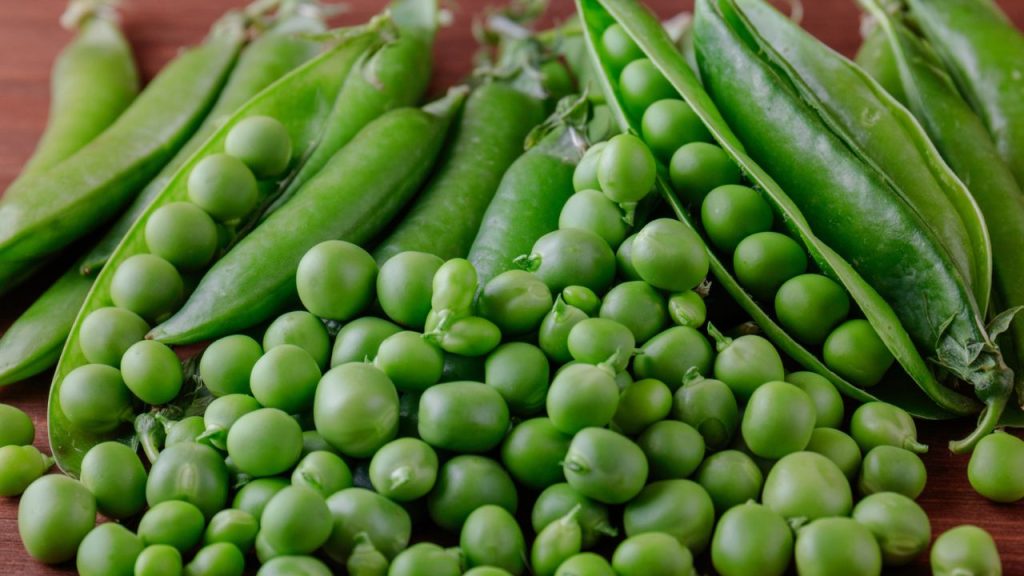
Like beans,
Planting the
9. Spinach

Planting
Spinach prefers full sun to partial shade, well-drained soil rich in organic matter, and thrives in USDA Zones 5–10.
10. Lettuce

Lettuce is another shallow, non-competitive vegetable crop that leaves enough nutrients for heavy feeders like potatoes. They grow fast and will be ready for harvest before the potatoes mature.
11. Garlic
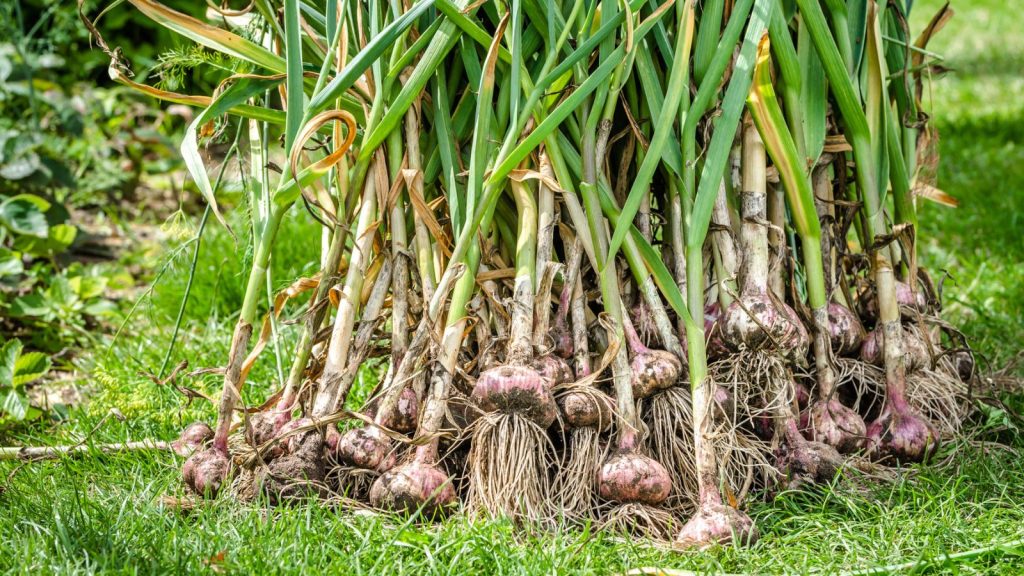
The smell of
Garlic grows well in USDA Zones 3–8, well-drained soil, and full sun. Some studies suggest that planting these crops together may reduce the risk of late potato blight even better than fungicides.
12. Vetch

Although some species of vetch, particularly cow vetch and hairy vetch, are considered invasive weeds, they’re great companion plants for potatoes. For one, they act as cover crops and protect the soil from erosion.
They also fix nitrogen from the air and can be tilled into the soil as green manure, improving fertility. Vetch grows well in USDA Zones 4–7, moist but well-drained soil, and full sun.
13. Corn

Corn and potatoes complement each other because they grow in opposite directions. The long stem of the corn provides partial shade for the shorter potato plants and prevents the soil from drying out when it gets hot.
However, space them out properly to prevent competition for nutrients. Corn grows well in USDA Zones 4–8, full sun, and well-drained soil.
14. Alyssum
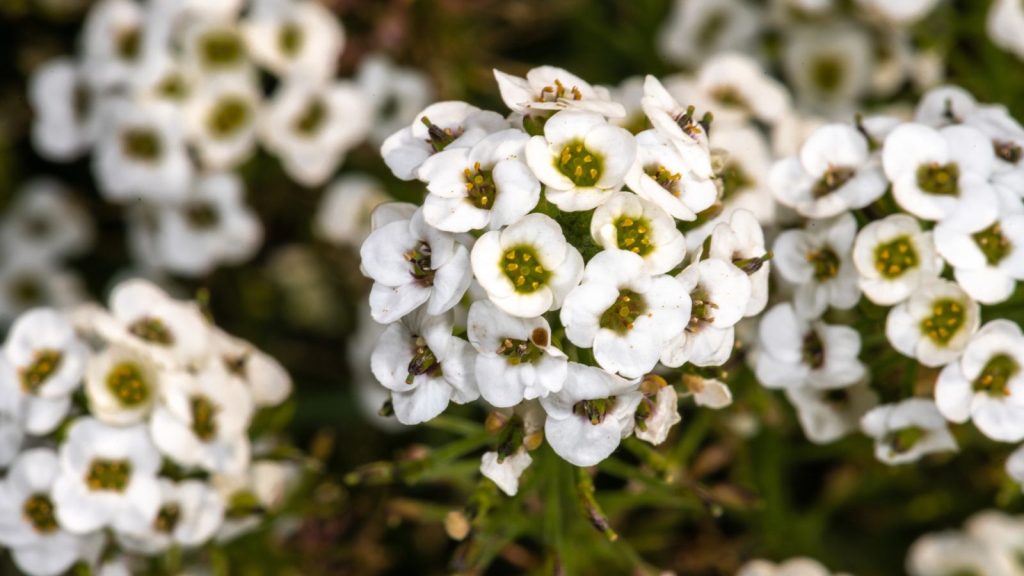
Alyssum, as a companion plant for potatoes, offers a lot of benefits. It helps to retain soil moisture and attracts beneficial insects such as hoverflies, which are natural predators for aphids.
Alyssum thrives in USDA Zones 5–9 with acidic soil and full sun. When planting alyssum seedlings, ensure proper spacing so they don’t completely shade the potato plant.
15. Thyme
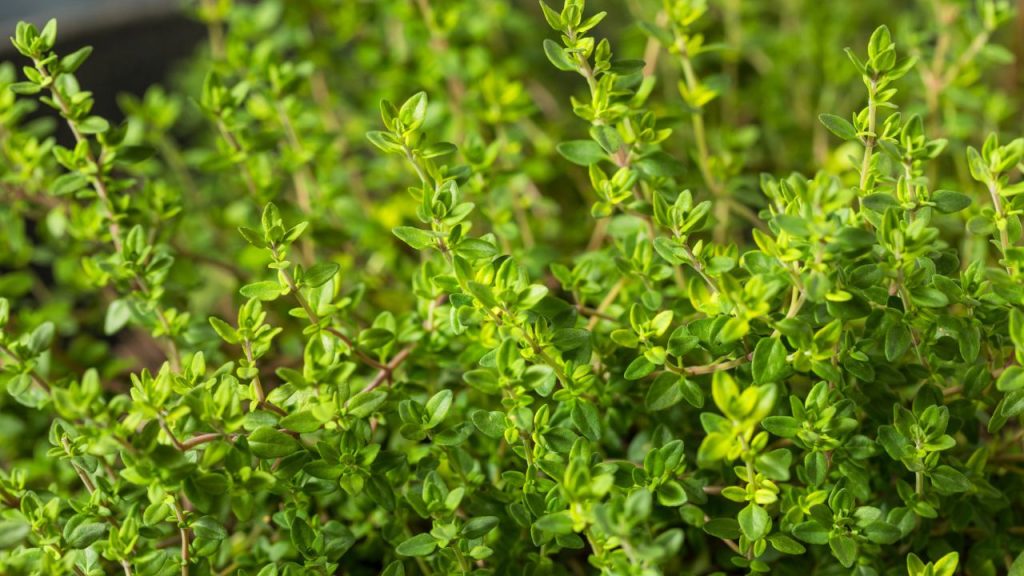
Thyme has an aroma that can improve the flavor of potatoes. It also acts as a natural repellent for pests such as Colorado potato beetles, moths, and parasitic wasps. Ideally, thyme grows in USDA Zones 5–9, full sun, and well-drained soil. Plant them along the borders of your potato plants with a spacing of 1-2ft.
21 Cheap Perennials to Grow That Will Make Your Garden Pop

You can fill your space with lush, eye-catching blooms with the right selection without overspending. Here are 21 affordable perennials bringing long-lasting beauty without stretching your wallet this year.
21 Cheap Perennials to Grow That Will Make Your Garden Pop
Your Strawberries Will Thank You for Growing Them Next to These 21 Plants
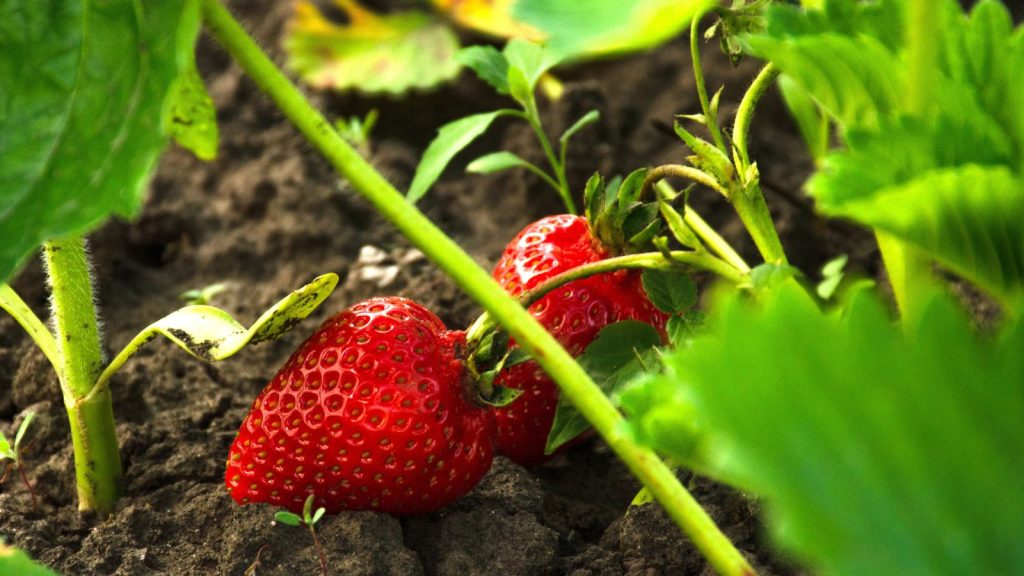
While some gardeners remain skeptical about companion planting, many have experienced firsthand the benefits of strategically pairing crops. Healthier plants, fewer pest issues, and a more abundant harvest are just a few of the advantages that make this method worthwhile. Here are 21 plants that can help your strawberries thrive.
Your Strawberries Will Thank You for Growing Them Next to These 21 Plants
32 Colorful Perennials That Will Never Leave Your Garden Once Planted

If you want to brighten your garden, consider these 32 colorful varieties that will thrive and bring life to your outdoor area year after year.
32 Colorful Perennials That Will Never Leave Your Garden Once Planted