It’s never easy for newbies to immediately grasp gardening terminology. But a good place to begin is by learning the difference between annuals vs perennials, because most plants you’ll choose will fall in either of these categories.
Annuals and perennials behave quite differently, and knowing this will help you avoid mistakes and save you time, money, and effort. Let’s break down what each term means and explore the key differences between these two plant types, so you can build a garden that blooms just the way you want it to.
1. Annuals bloom fast

Annual plants complete their entire life cycle, from seed to flower to seed again, in a single growing season. Once they’ve bloomed and set seed, that’s the end of the road.
They’re the go-to for “instant gratification”, with bright flowers that bloom all summer. Examples include
2. Perennials are built to return

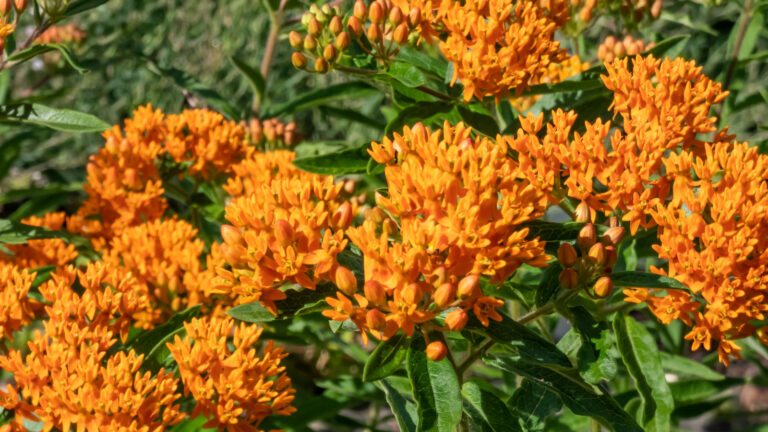
Perennials may start slowly, but they’re in it for the long haul. These plants die back in winter (especially in colder zones), but their roots survive underground, ready to regrow year after year.
Coneflowers,
3. Annuals produce a lot more flowers

If your goal is all-season blooms with minimal wait, annuals are your best bet. They pour their energy into blooming hard and fast, often producing more flowers in one season than perennials do in several.
4. Perennials evolve with your garden
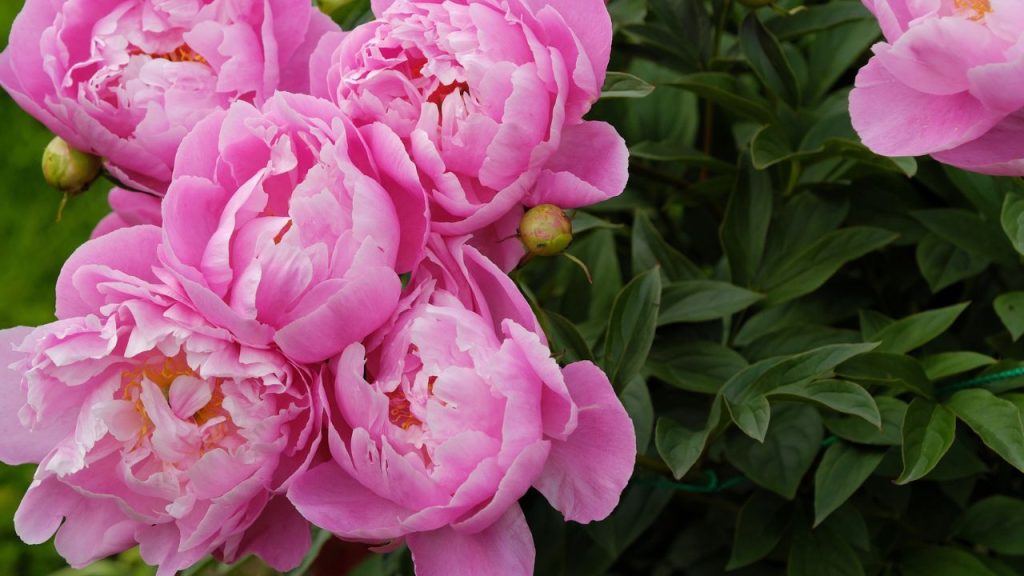
Unlike annuals that reset each season, perennials are a long-term fixture that only mature and change with your garden over time. They fill out borders, blending with neighboring plants, and creating a sense of continuity and character year after year. Their blooms become a part of your seasonal cycle, marking the passing of time.
5. Annuals need replanting each year

Once the frost hits, annuals are done. They don’t return unless you collect and sow them, or buy new ones in spring. It’s a bit more work, but that’s part of the fun for many gardeners. It offers them a clean slate to refresh their gardens with new colors and styles each year.
6. Perennials reduce long-term work

Perennials are ideal for lower-maintenance gardens. If you invest all your energy in growing them once, they’ll often pay off for years to come. Once established, they typically need less water, fertilizer, and attention than annuals.
7. Annuals have a longer bloom

Even perennials with longer blooms, like coreopsis and nepeta, have rest periods where they don’t show any flowers. On the other hand, with deadheading and regular feeding, some annuals can flower from spring all the way to first frost before they start to fade.
8. Perennials usually have a bloom window

Each perennial has its time to shine. Some bloom in spring, others in mid-summer, and a few in fall. Planning your garden with a mix of perennials ensures something’s always in bloom, but you’ll rarely get non-stop bloom from a single plant.
9. Annuals offer more flexibility
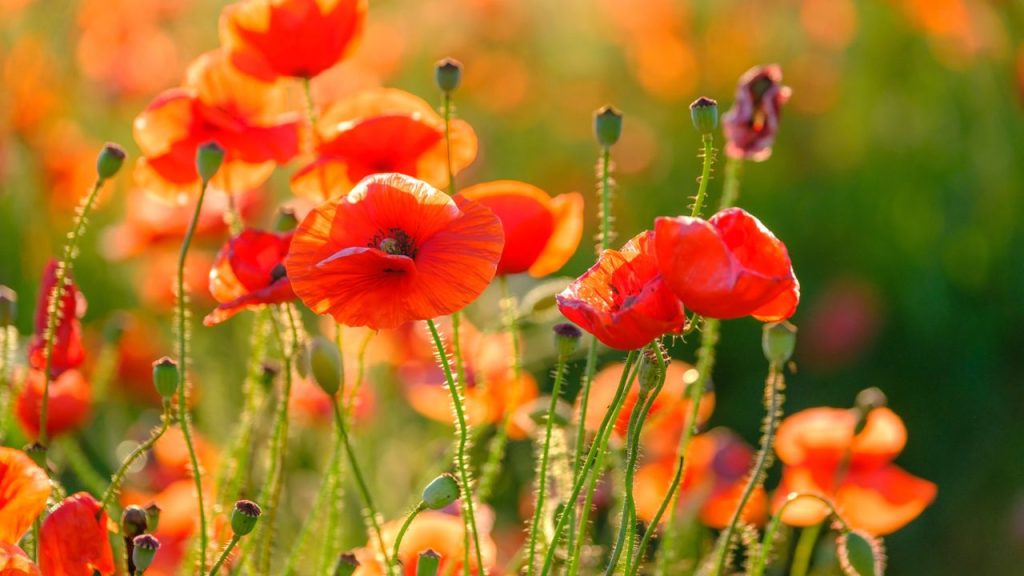
Annuals make it easy to experiment and swap out your palette annually. Like if you go bold with reds one summer, you can then switch to pastels the next. They’re ideal for gardeners who don’t like monotony and love to change things up.
10. Perennials provide structure and consistency

Many perennials also help define your garden’s bones. Shrubby herbs, ornamental grasses, and leafy perennials like hostas offer reliable form and texture even when they’re not flowering. They’ll hold the fort together, even when annuals begin to fade.
11. Annuals thrive in containers and beds

Annuals tend to have a compact size, which makes them ideal for pots, window boxes, hanging baskets, and raised beds. You can tuck them just about anywhere for a splash of instant color, but make sure these beauties are where they can be the center of attention.
12. Perennials fill space and reduce weeds over time

As some perennials mature, they provide ground cover, spreading and filling gaps in your garden beds. This natural coverage helps crowd out weeds and reduces the need for constant mulching or replanting. Examples of such perennials include hostas, daylilies, and sedums that form dense clumps like living ground cover.
13. Annuals let you cheat the seasons

Annuals let you bend the rules. Because they aren’t bound to seasonal cycles like perennials, you can grow dramatic, off-season annuals that wouldn’t naturally occur in your zone. It’s one of the reasons florists and designers love them.
14. Perennials support local ecosystems

Because they stay rooted over time, many native perennials provide consistent food and shelter for insects, birds, and other wildlife. Their deep roots also help prevent soil erosion and improve soil health.
If you’re looking to build a more sustainable or wildlife-friendly garden, perennials are a long-term investment that pays off beyond just looks.
15. Annuals cost less upfront, but perennials save money over time

You need to weigh this carefully before investing. If you only need a few seasonal blooms, like a few containers on your porch or a garden bed refresh, annuals can be an affordable, low-commitment option.
But if you want to plant them in mass, consider the running costs of replacing all the flowers next year. Perennials, though pricier to start, reduce the need for constant replanting and are friendly on your pockets in the long run.
16. Perennials can be shared and divided
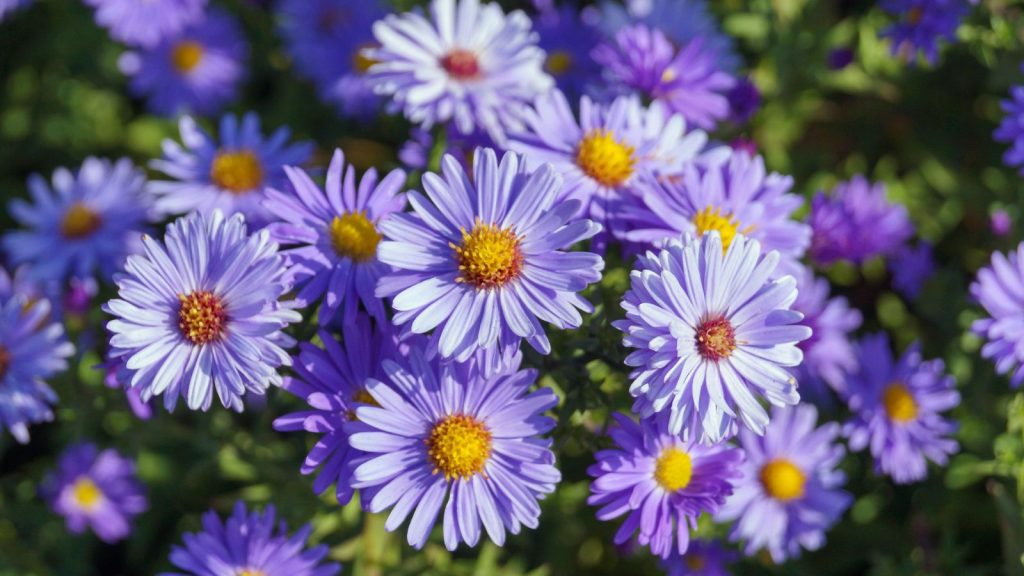
One of the joys of growing perennials is that they keep on giving. Many varieties can be divided every few years. This is great for controlling growth, keeping plants healthy, and sharing extras with other gardeners.
17. Annuals are also great for pollinators

While perennials often get credit for supporting bees and butterflies, many annuals are just as pollinator-friendly. Plants like
18. Some plants blur the line
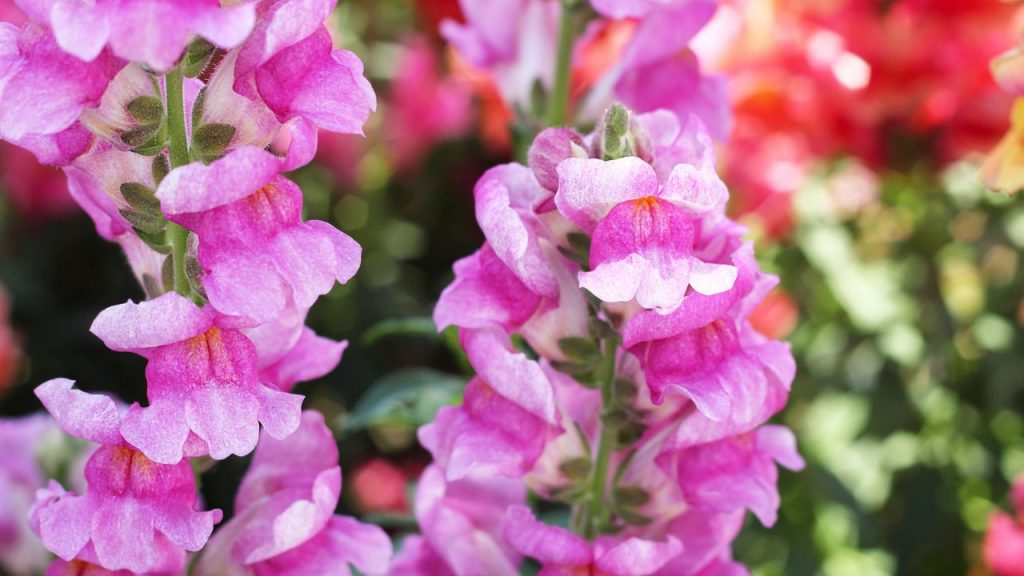
It’s not always black and white. Some plants behave like annuals in cold climates but act like perennials in warmer zones. For example, geraniums,
20 Flowering Shrubs That Will Make Your Garden Look Like a Work of Art
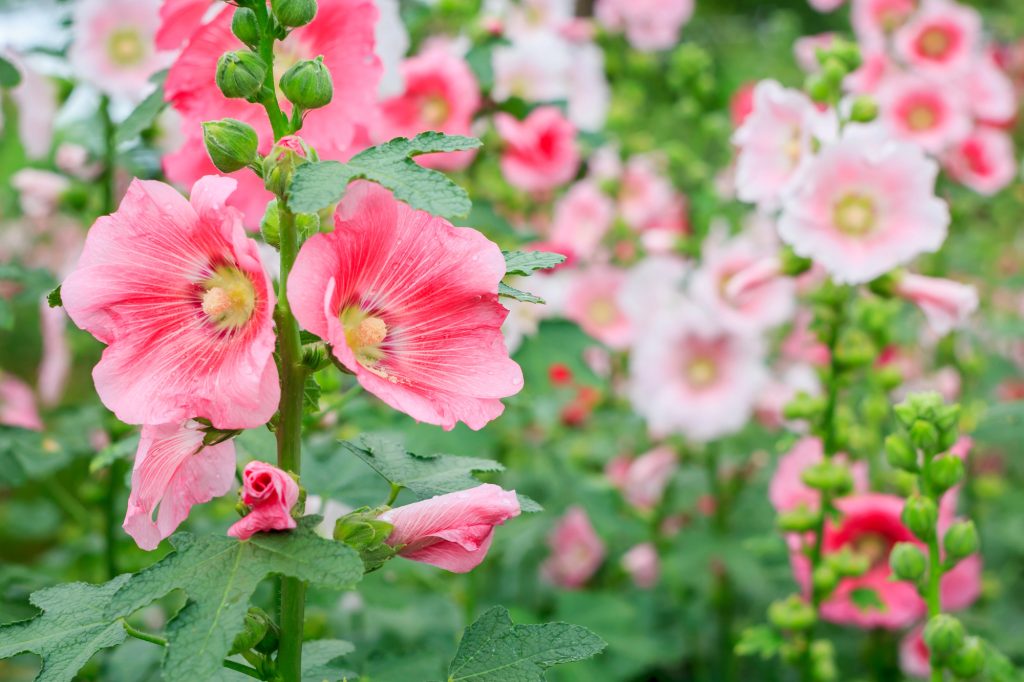
If you’re looking to bring a gorgeous touch to your landscape, here are 20 flowering shrubs that will make your garden look like a work of art.
20 Flowering Shrubs That Will Make Your Garden Look Like a Work of Art
14 Native Flowers That Thrive in Dense Clay Soil
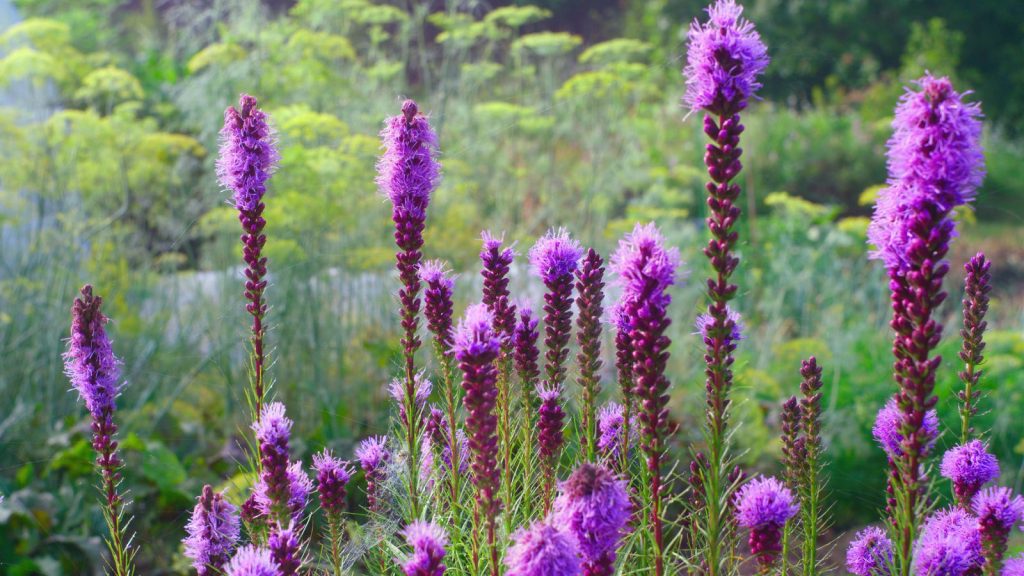
Whether you’re aiming for bursts of color, pollinator-friendly blooms, or hardy perennials that return year after year, these native plants will transform your clay-heavy garden into a thriving, beautiful space.
14 Native Flowers That Thrive in Dense Clay Soil
15 Shade Loving Perennials That Won’t Overrun Your Garden

If you’ve been hesitant to plant perennials in the shadier parts of your garden, these choices will change your mind. These hardy plants thrive without direct sunlight, bringing rich foliage and colorful blooms to areas where other plants might struggle.