Thinking about adding more life to your homestead? Raising birds is a great way to boost food production, manage pests, and bring energy to even a small plot of land.
Whether you’re after fresh eggs, homegrown meat, or just the daily rhythm of caring for animals, birds offer flexibility and rewards without taking up much space.
If you’re ready to go beyond chickens or expand your flock with purpose, here are eleven types of farm birds worth considering for a more abundant and diverse setup.
Ducks

- Recommended area: 4-6 ducks per 1/4 acre with a water source.
- Housing needs: Simple shelter with nesting areas and access to a water source for bathing.
Ducks are quirky and fun little birds that are a great addition to small homesteads. They’ll need a small pool or bathtub to splash around in, and be aware that they will turn any grassy areas to mud in a matter of days. However, in return, you’ll get an exceptional pest control team and a steady supply of tasty eggs and meat.
Turkeys

- Recommended area: 2-4 turkeys per 1/4 acre.
- Housing needs: Secure coop or pen with space to forage and roosting areas.
Turkeys are excellent foragers and will enjoy browsing outside during the day, but require a large shelter overnight and during bad weather. Remember to check your local zoning laws before purchasing turkeys or any other livestock, as restrictions may be in place.
Quail

- Recommended area: 10-15 quail per 1/10 acre in stacked cages.
- Housing needs: Small, predator-proof cages or aviaries with proper ventilation.
Quail are small, shy birds that prefer to spend most of their time hidden from potential predators. This makes them ideal for smaller homesteads as they take up far less space than other types of birds. Quail eggs are small but considered to be a delicacy, so they can create a handy income stream for your homestead.
Pigeons

- Recommended area: 6-8 pigeons per loft.
- Housing needs: Elevated, weatherproof loft with nesting boxes and perches.
The joy of pigeons is that they don’t take up any space on the ground at all! They’re happiest living in an elevated loft from which they can fly free during the day to exercise and forage.
Geese

- Recommended area: 2-3 geese per 1/4 acre.
- Housing needs: Secure shelter with nesting areas and access to open grazing space.
Geese are fantastic for weed control, guarding other animals, and providing meat and eggs. However, their territorial nature and noise might not make them suitable for all homesteaders.
Guinea Fowl

- Recommended area: 6-8 guinea fowl per 1/4 acre.
- Housing needs: A Simple coop or roosting structure and plenty of roaming space.
Guinea fowl are natural pest controllers for the land, devouring ticks, bugs, and even snakes. They are famous for their flighty nature, so they need a secure fence to prevent them from roaming.
Chickens

Although this topic is about animals outside of chickens, chickens still made the list. Chickens would be my top pick for any homestead, no matter how small. In fact, it’s perfectly possible to rear a few chickens in a small backyard or garden!
- Recommended area: 6-10 chickens per 1/4 acre.
- Housing needs: A secure coop with nesting boxes and roosting bars, plus a fenced outdoor run.
Rearing chickens has many great advantages – they produce eggs, eat insects and weeds, and produce incredible nutrient-rich manure to fertilize your vegetable crops. The main issue with chickens is keeping predators at bay, so be prepared to invest time and money in secure fencing for your feathered friends.
How to Raise Your Own Chickens
Pheasants
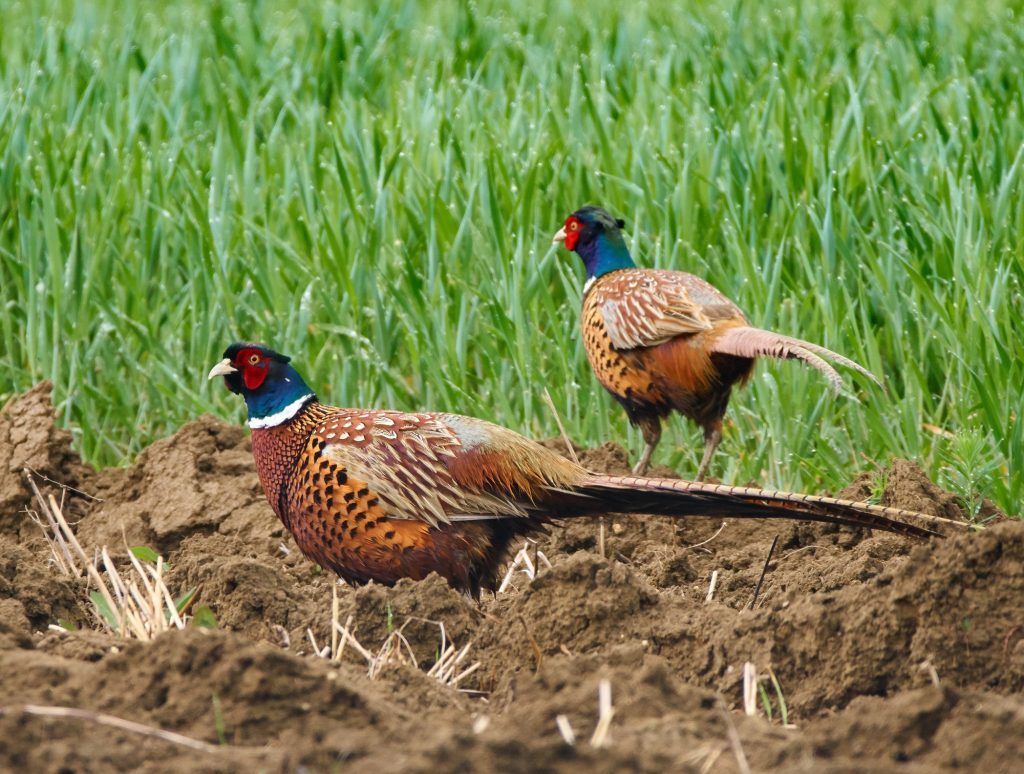
Pheasants are often raised for their flavorful meat or released for sport hunting. They tend to be more flighty and sensitive to stress than other poultry, requiring spacious pens, careful handling, and protection from predators.
Peafowl
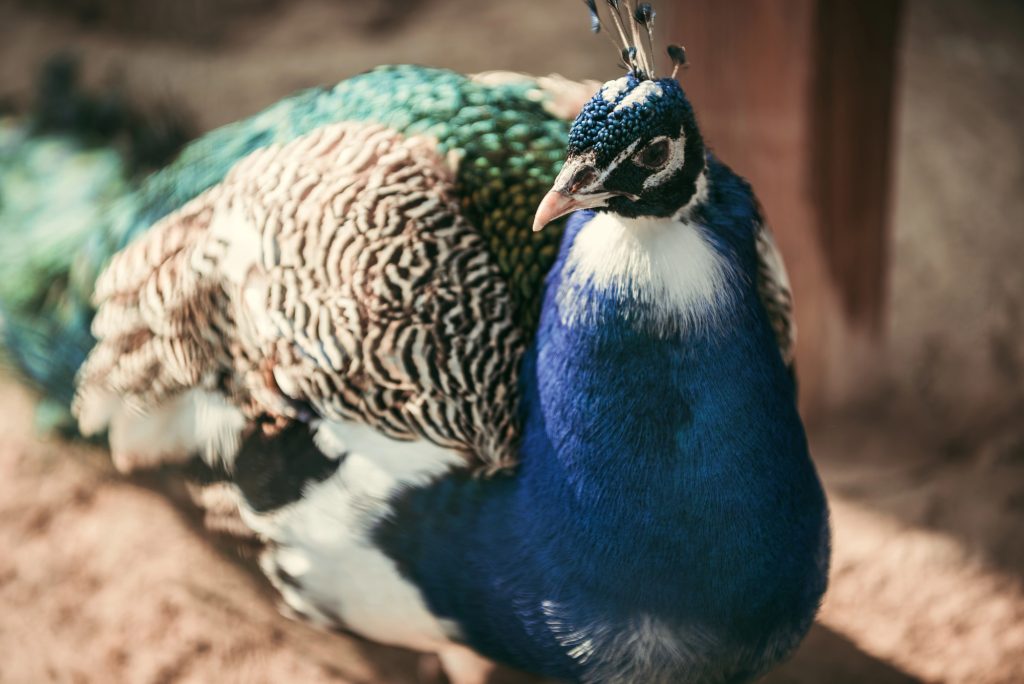
Peafowl are striking ornamental birds, known for their vibrant plumage and impressive displays. While not typically raised for eggs or meat, they’re excellent at alerting the farm to visitors or intruders with their loud, piercing calls.
Ostriches
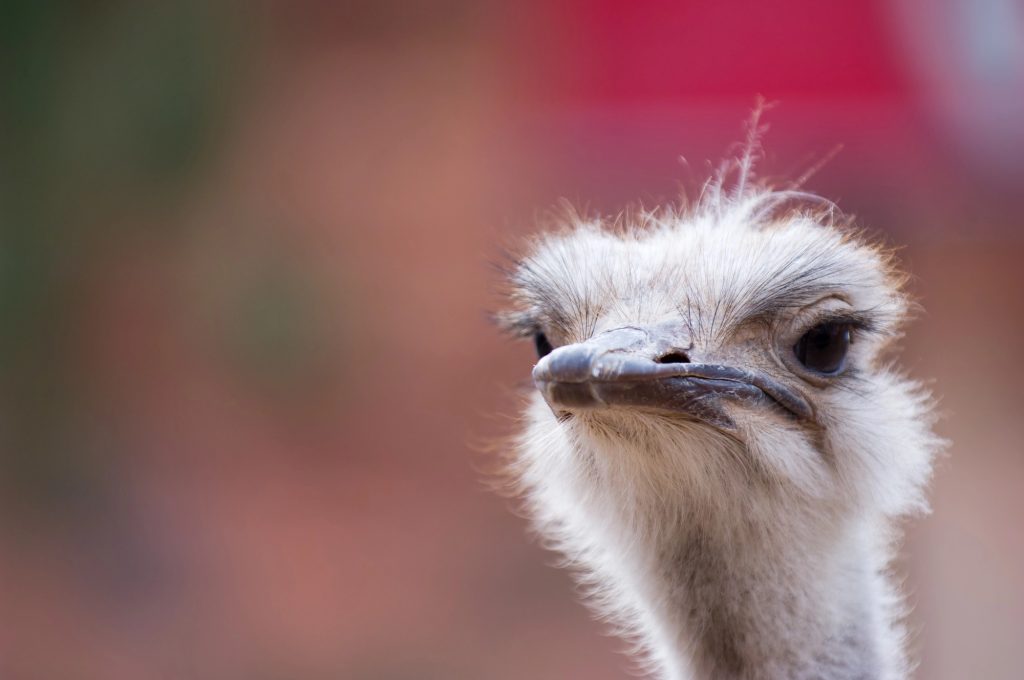
Ostriches are the largest birds in the world and can be raised for lean, high-protein meat, durable leather, and even their large eggs. However, they need strong fencing, plenty of space to roam, and proper handling due to their size and strength.
Partridges
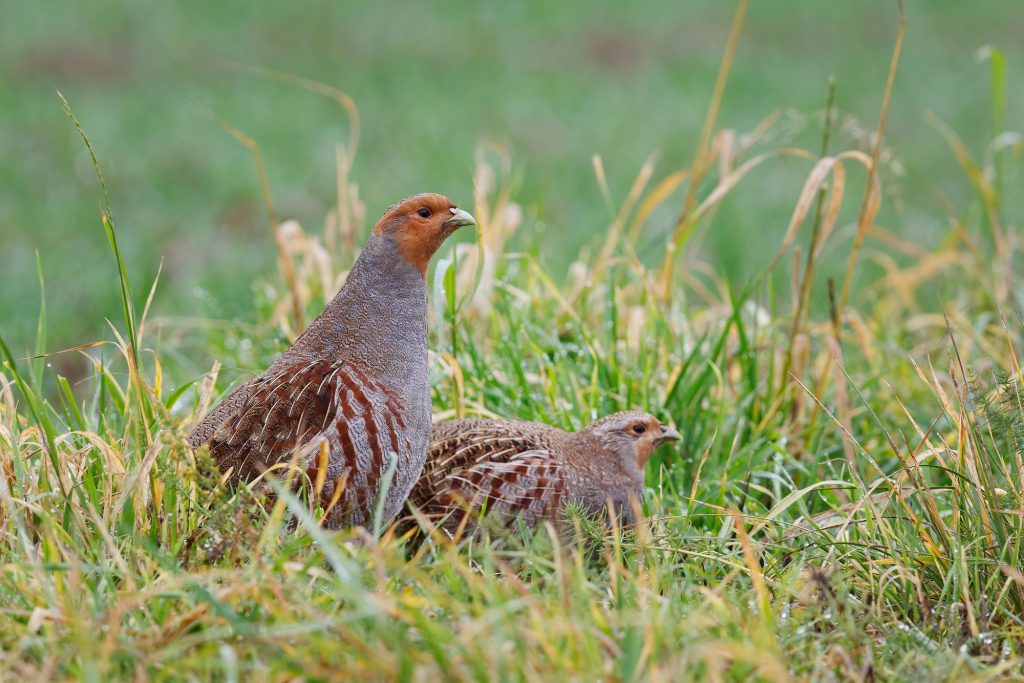
Partridges are smaller game birds commonly raised for meat in specialty markets or for release on hunting preserves. Though not as widespread as chickens or quail, they can be a niche addition to a diversified farm if managed carefully.
19 Things You Should Know Before Getting Chickens

Before you jump into the world of chicken-keeping, there are a few essential things to know. Here’s our comprehensive guide of 19 essential tips to help you become a confident and successful chicken owner!
19 Things You Should Know Before Getting Chickens
8 Sneaky Animals That Are Secretly Destroying Your Lawn and Garden

Many pests can quietly cause significant damage if not controlled. It’s important to stay on top of these threats to keep your outdoor space looking its best. Here are seven sneaky pests to keep a close eye on.
8 Sneaky Pests That Are Secretly Destroying Your Lawn and Garden