
The idea of homesteading often brings to mind sprawling acres, a self-sustaining farm, and a big investment, but that doesn’t have to be the case. If you dream of living off the land, growing your own food, and becoming more self-sufficient, you don’t need a fortune to make it happen. A homestead isn’t defined by how much land you have or how much money you spend—it’s about making the most of what you have and building from there.
Many people believe that starting a homestead requires buying a large property or making costly investments upfront, but the truth is, you can start homesteading right where you are with little to no money. Whether you have a small backyard, a rented lot, or just a determination to work towards your goal, there are ways to slowly build a self-sufficient lifestyle without going into debt.
It may take patience, creativity, and some good old-fashioned hard work, but with the right approach, you can turn your homesteading dream into reality, even on a tight budget. Here’s how you can start a homestead with little to no money and work toward a more sustainable way of life.
Start Small with What You Have

You don’t need a large piece of land to start homesteading. Use whatever space is available, whether it’s a backyard, a balcony, or even a rented community garden plot.
Growing food and learning basic homesteading skills in a small space will give you valuable experience before making a larger investment. Starting small also helps you figure out if this lifestyle is right for you before purchasing land.
Barter and Trade for Supplies

Many homesteaders prefer bartering over buying. Offer your skills in exchange for tools, seeds, or even access to land. You may be able to trade extra produce for livestock feed, labor for fencing materials, or handmade goods for equipment.
Building a local network of like-minded people can open up a lot of opportunities to trade and help each other out.
Find Free or Cheap Land
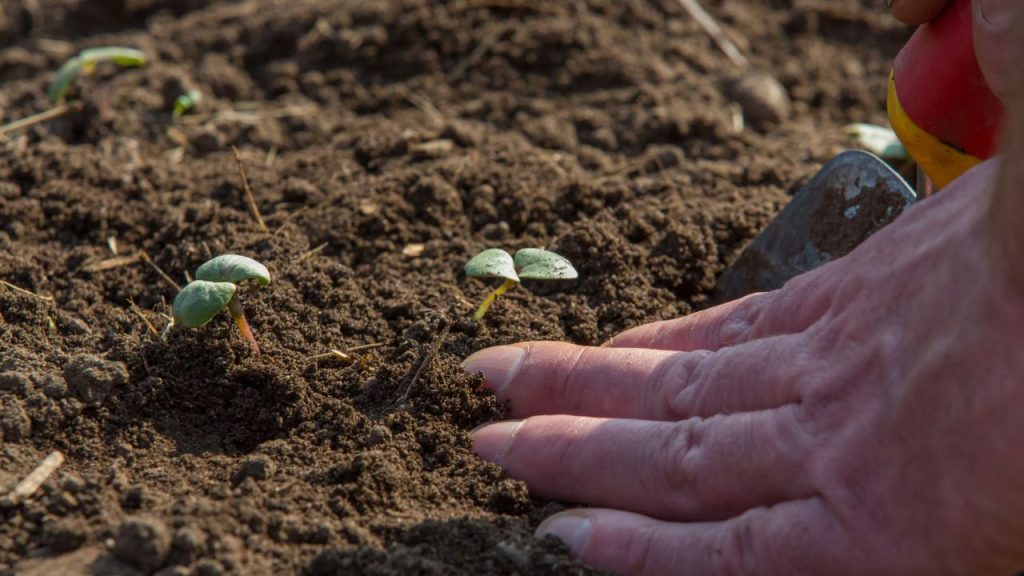
If you dream of owning land but don’t have the funds, there are ways to find affordable options. Look into lease-to-own agreements, government land programs, or rural properties where the owner may allow you to homestead in exchange for maintaining the land.
Some foreclosed properties can also be acquired at a fraction of their original cost, making ownership more attainable.
Use Salvaged and Free Materials

Building a homestead doesn’t have to cost a fortune if you take advantage of salvaged and repurposed materials. Websites like Craigslist, Facebook Marketplace, and Freecycle often have free building materials, including pallets, scrap wood, and even old fencing.
Many construction sites also discard usable materials that they are happy to let you take. Check your local dump or recycling center for useful finds.
Grow Your Own Food from Scraps

You don’t need expensive seeds to start a garden. Many kitchen scraps can be regrown into fresh food. Potatoes that have started sprouting can be planted directly in the soil.
The tops of onions, celery, and
Learn Essential Skills for Free

Gardening, food preservation, animal care, and off-grid living are essential homesteading skills; you don’t have to pay for expensive courses to learn them.
Use free resources like YouTube tutorials, public library books, and free online courses. Many local events, fairs, and farming communities offer free workshops and hands-on training.
Build a Rainwater Collection System
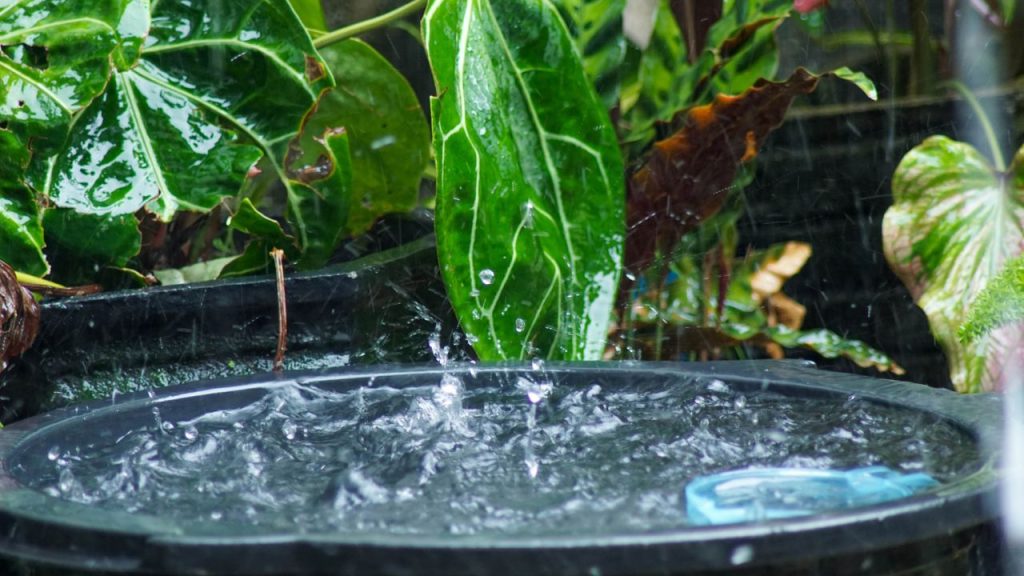
Water is one of the most critical resources on a homestead, and collecting rainwater can provide a free, sustainable supply. Repurpose barrels or build a DIY collection system to store rainwater for watering plants, cleaning, or even drinking with proper filtration.
Raise Small Livestock for Free or Cheap
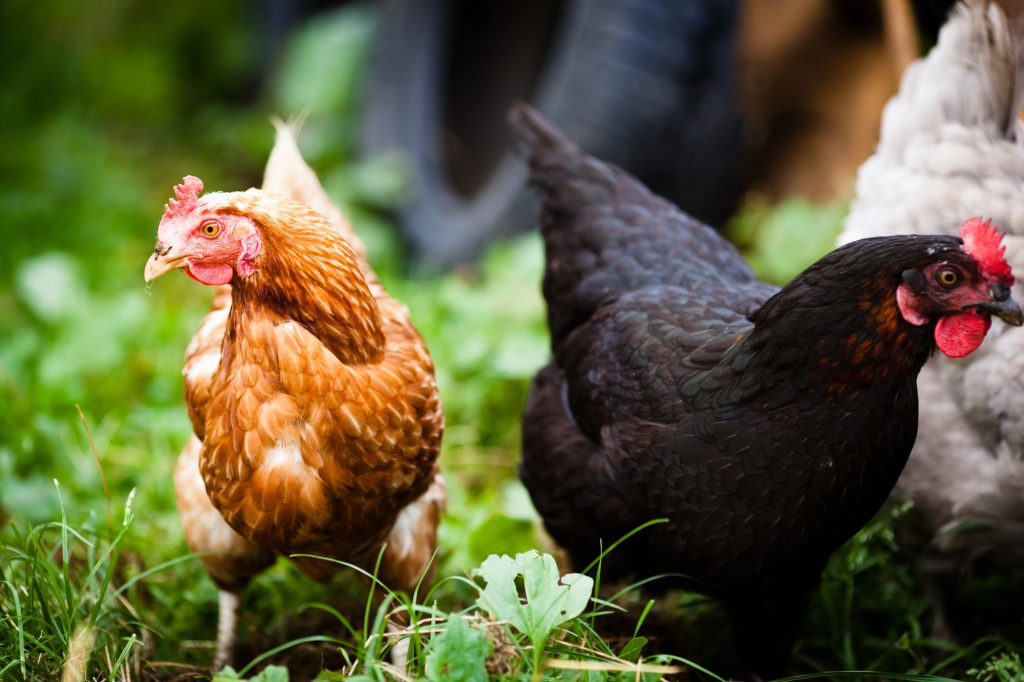
You don’t need to invest in expensive livestock to start raising animals. Many people give away unwanted chickens, rabbits, or quail, especially if they’re moving or downsizing.
Ask around local homesteading groups or offer to trade work for a few fertilized eggs you can hatch at home. Small animals are a great starting point since they require minimal space and resources.
Forage for Food and Resources

Nature provides free food if you know where to look. Learn how to identify wild edibles like berries, nuts, dandelions, and mushrooms. Many medicinal plants also grow naturally in forests and fields.
Additionally, foraging can supply you with useful materials like wood, clay, and rocks for building and homesteading projects.
Use Solar and Alternative Energy Sources
Harnessing free energy can significantly reduce costs. Salvaged materials can be used to build homemade solar panels, rocket stoves, and wind turbines.
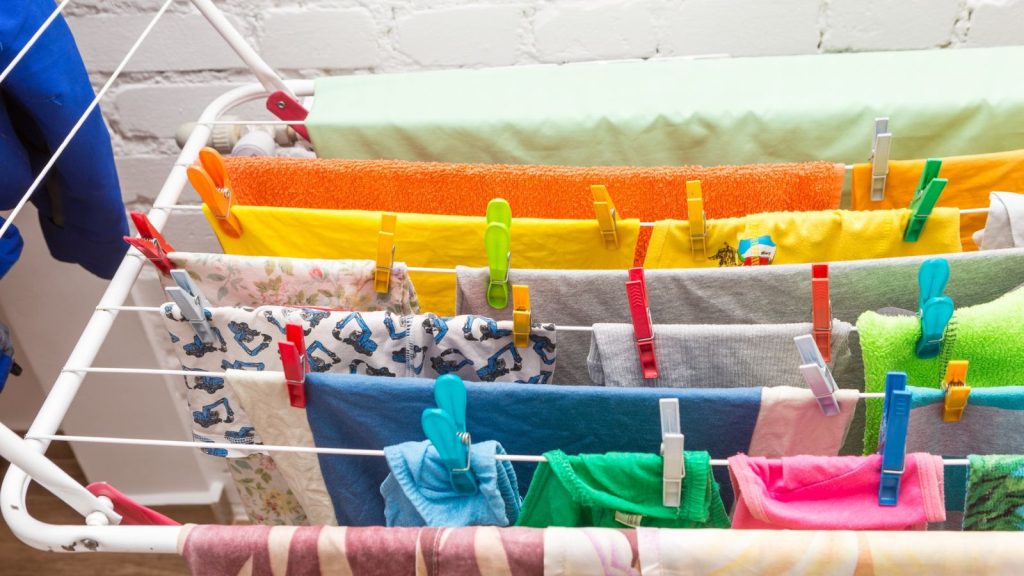
Even simple changes, like using a clothesline instead of a dryer or cooking with a solar oven, can reduce energy use and expenses.
Sell or Trade Handmade and Homegrown Goods

A homestead can generate income through small-scale sales or bartering. Selling eggs, vegetables, homemade soap, baked goods, or firewood can provide extra money for essential supplies. If you don’t want to sell, you can always trade for what you need.
Start a Side Hustle

While working towards full self-sufficiency, having a side hustle can help support your homesteading journey. Freelancing online, doing odd jobs, pet sitting, or offering handyman services are great ways to generate extra income. This money can go toward purchasing seeds, fencing, or livestock without taking on debt.
Live Off-Grid to Cut Costs

Reducing reliance on public utilities can save money in the long run. Heating with a wood stove, using a composting toilet, and insulating your home naturally with cob or earthbags can all cut costs.
You may still be required to stay connected to the grid in some areas, but you can minimize usage to lower your monthly expenses.
Volunteer on Other Homesteads

One of the best ways to learn and gain experience is by working on established homesteads. Many homesteaders are happy to offer food, housing, or mentorship in exchange for labor. This can also lead to opportunities for land-sharing, learning specialized skills, and building a supportive homesteading community.
Be Patient and Keep Learning

Homesteading isn’t something that happens overnight. Building a self-sufficient lifestyle takes time, effort, and continuous learning. Focus on small improvements, experiment with different methods, and connect with like-minded people for advice and support.
The more knowledge and experience you gain, the more successful and sustainable your homestead will become.
18 Survival Skills Our Great-Grandparents Knew That Most Of Us Today Don’t

Many activities were once essential survival skills, but today, they’ve been forgotten by many. While technology has certainly made life easier, previous generations didn’t have these systems, making them far more self-sufficient. Here are 18 basic skills they mastered that many people today have no idea how to do.
18 Survival Skills Our Great-Grandparents Knew That Most Of Us Today Don’t
28 Ways to Live Sustainably and Reduce Dependence on Retail and Grocery Stores

Here are some ways to live more independently and cultivate a truly self-reliant lifestyle.
28 Ways to Live Sustainably and Reduce Dependence on Retail and Grocery Stores
12 Things to Make at Home Instead of Buying from the Grocery Store

Making more things at home can significantly reduce your grocery list while living more sustainably. Here’s a list of simple items you can easily make yourself instead of purchasing them from the store, helping you take a step toward a more self-reliant lifestyle.
12 Things to Make at Home Instead of Buying from the Grocery Store