Many activities were once essential survival skills, but today, they’ve been forgotten by many. We often don’t give our great-grandparents enough credit for all they accomplished without modern technology.
As we age, we begin to realize just how invaluable our great-grandparents’ skills truly were. While technology has certainly made life easier, previous generations didn’t have these systems, making them far more self-sufficient. Here are 18 basic skills they mastered that many people today have no idea how to do.
Cook Without Modern Equipment

Your great-grandparents didn’t rely on digital breadmakers, air fryers, or multi-functional electric cookers to create tasty meals and baked goods. Instead, they mastered traditional techniques, like cooking in a Dutch oven or over an open fire. Knowing these methods is a valuable skill, especially when modern appliances aren’t an option.
Baking Bread from Scratch
At its core, bread is made from just three simple ingredients: flour, yeast, and water. It may seem easy, but for beginners, baking bread can pose challenges. However, this was a skill our great-grandparents mastered out of necessity, using it to survive and feed their families.
How to Make White Bread in a Bread Maker
How to Can and Preserve Our Food

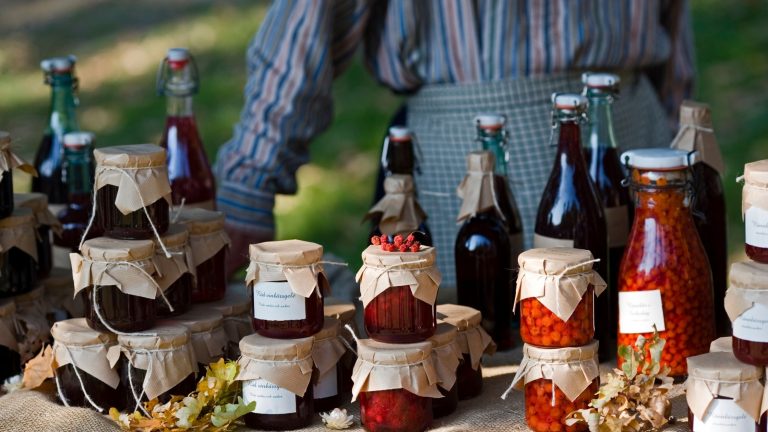
Canning food is essential to building a reliable and lasting food supply. Our great-grandparents were experts at preserving their harvest this way, ensuring they had enough to eat during hard times. When food becomes scarce, there’s no better sight than pantry shelves stocked full of your own home-canned goods!
Home Gardening
Growing your own vegetables, herbs, and fruits can drastically reduce reliance on store-bought items and provide fresh produce year-round. Our great-grandparents understood the importance of self-sufficiency, and even a modest home garden can stretch your pantry’s supplies during lean times.
How to Start a Herb Garden from Scratch
Fix a Clogged Sink

Sometimes, sinks get clogged, and it’s important to know how to fix them. A clogged sink is bound to happen, so it’s best to know how to fix it before reaching out to a professional. This is a survival skill they had and mastered.
Cook From Scratch

Our great-grandparents knew just how to prepare meals from scratch, reducing their reliance on processed, pre-prepared foods.
Making Use of Leftovers

Great-grandparents were experts at minimizing waste, recognizing the value of leftover food as a precious resource. Learning how to creatively repurpose leftovers is a vital survival skill, allowing you to stretch your food supplies and make the most of what you.
Dehydrate Foods

Dehydrating fruits, vegetables, and herbs helps preserve them for long periods, ensuring that seasonal foods are available year-round. Dehydration was a primary method of food preservation before refrigeration was available because dried foods are lightweight and have a long shelf life.
16 Perfectly Delicious Dehydrator Snacks You Have to Try
Forage for Fruits and Veggies
Knowing how to identify and forage edible wild plants can supplement your food supply with fresh, nutritious options. Foraging can be dangerous for the unskilled person, but our great-grandparents had the skill to do so.
10 Reasons to Grow a Wildflower Garden
Make Dairy Products
When dairy products are scarce, skills like making cheese, yogurt, and butter from milk are invaluable. Many dairy products can be made from fresh milk stored in the freezer. Most of our great-grandparents knew how to make these dairy products.
How to Make Homemade Yogurt in an Instant Pot
Knew Phone Numbers by Memory

Nowadays, we rely on our phones to look up everyone’s contact information with ease. But back in the day, there were no smartphones to store your contacts. Instead, our great-grandparents either memorized phone numbers or used a physical address book like a rolodex where phone numbers and addresses were organized on cards.
Natural First Aid

Our grandparents and great-grandparents relied on natural first aid and herbal remedies. They had extensive knowledge of plants and herbs to treat various injuries. Natural techniques can be valuable in emergencies and are important survival skills.
Raising Animals for Survival

Our grandparents often recognized the importance of raising animals for daily survival. Whether it was keeping chickens for eggs or maintaining beehives for honey, they understood the value of self-sustaining practices that provided food and resources right from their own land.
Making Preserves and Pickles

Homemade preserves and pickles can extend the life of fruits and vegetables, allowing you to enjoy seasonal produce year-round. Play around with different flavors and seasonings to add variety to your diet.
Easy Homemade Strawberry Preserves
Preserve Meat
Smoking and curing meat were essential skills our great-grandparents likely mastered, allowing them to make the most of available resources. These preservation methods ensured that nothing went to waste, helping them extend their food supply during lean times.
Fermentation

Fermenting vegetables and grains can preserve food while also providing beneficial health-boosting probiotics. This method can help maintain gut health and extend the shelf life of foods during shortages. Most of our grandparents knew how to ferment and preserve their food.
How to Make Homemade Sauerkraut
Knowledge of Physical Maps

Before GPS existed, there were physical maps. You would have to know how to read a map and navigate to your destination using landmarks, memory, or even ask a stranger for directions. This shift highlights how much time has changed, but knowing how to read a map is still useful.
Make Pasta

During food shortages, your stocks of dried pasta won’t last forever, and fresh pasta could be on the menu sooner than you think. Fresh pasta requires minimal equipment and is made from just two basic ingredients: flour mixed with eggs or water.