
A cast-iron
Still, cast iron has a few quirks. Some habits that seem harmless can leave the pan sticky, rusty, or harder to cook with. A little care goes a long way, so here are some common mistakes to avoid.

Overheating the Skillet
Cast iron holds heat extremely well, which means it’s easy to go a little too far with the burner. A
Give the pan time to heat gradually over medium or medium-high heat. Once it’s hot, adjust the temperature as needed instead of leaving it on high the entire time.
Not Seasoning the Pan
Seasoning is what gives cast iron its protective coating and helps create a smoother cooking surface. If the pan starts looking dull, dry, or patchy, it may need another round of seasoning.
A thin layer of oil baked onto the surface is usually all it takes. For a detailed guide, check out how to season your cast iron pan using olive oil.
Cleaning It Too Aggressively
Cast iron needs to be cleaned after cooking, but that doesn’t mean you have to scrub it until the surface looks brand new. Excessive scrubbing can wear away seasoning over time.
Warm water and a soft sponge are often enough for everyday cleanup. A small amount of dish soap is also fine if needed. The goal is to remove food residue without making cleanup harder than it needs to be.
Putting It Away While It’s Still Wet
Water and cast iron don’t make a good combination. Leaving moisture on the surface can lead to rust, particularly around the cooking surface and edges.
After washing, dry the
Storing It Somewhere Damp
A dry
Store cast iron somewhere dry with enough room for air to circulate. If you stack pans, placing a paper towel between them can help absorb moisture and protect the cooking surfaces.
Using Utensils That Make Cooking Harder
Cast iron is tough, and using metal utensils won’t automatically ruin it. In fact, a sturdy metal
The bigger concern is using a utensil that makes it difficult to control the food or damages a heavily built-up layer of seasoning. Wood, silicone, and metal utensils can all work well when used properly.
Crowding the Skillet
Putting too much food into a cast-iron
Give food some breathing room, especially if you’re trying to get a good sear. If you’re cooking a large batch, working in two rounds can produce much better results.
Cooking Delicate Foods Before the Pan Is Ready
Eggs, fish, and other delicate foods can be tricky in cast iron, particularly if the pan isn’t well seasoned or properly heated.
That doesn’t mean you have to avoid these foods completely. A well-seasoned
Cooking Acidic Foods for Long Periods
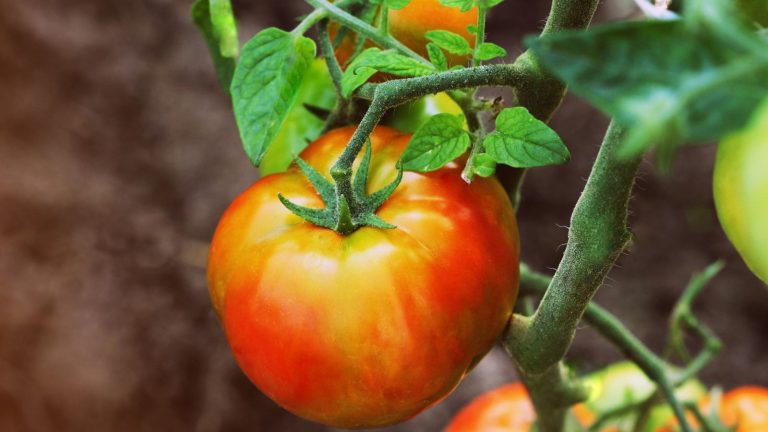
Tomatoes, vinegar, citrus, and other acidic ingredients can interact with cast iron. A well-seasoned
If you’re making a tomato sauce that needs to simmer for a long time, an enameled cast-iron pot or stainless steel pan may be a better choice.
Leaving Leftovers in the Skillet
Cast iron is great for cooking dinner, but it isn’t the best place to store leftovers overnight. Moisture and acidic ingredients can affect the seasoning, and food can pick up a metallic taste.
Once dinner is over, move leftovers into a food-safe storage container and clean the
Soaking the Skillet in Water
A stubborn layer of food can make you want to fill the
A brief rinse with warm water can loosen stuck-on food. For tougher spots, use a scrub brush, sponge, coarse salt, or baking soda. Once the residue is gone, dry the
If rust has already appeared, this guide on how to remove rust from a cast iron grill pan can help.
Washing It With Harsh Abrasives Every Time
A cast-iron
For routine cleaning, start with the gentlest method that gets the job done. Save heavier scrubbing for situations where food is truly stuck or the pan needs restoration.
Letting the Skillet Stay Dirty Between Uses
Some people assume a cast-iron
Food particles and grease can become rancid or leave unpleasant smells. Clean the pan after each use, dry it completely, and add a very thin layer of oil if the surface needs it.
Putting the Skillet Away Without Checking the Surface
Before storing your pan, take a quick look at the cooking surface and sides. A few damp spots, food particles, or rough patches can become bigger problems if they’re ignored.
If the surface feels dry, a tiny amount of cooking oil can help protect it. You don’t need to coat the
Pouring Cold Water Into a Very Hot Skillet
A scorching-hot
Let the
A cast-iron
Other Topics You Might Like
- 10 Strange Things That Are Surprisingly Smart to Stockpile
- How to Clean a Wood Cutting Board
- 15 Safe Ways to Clean a Cast Iron Skillet Without Ruining the Seasoning
- 12 Things Professional Organizers Would Never Store Under the Kitchen Sink
- 12 Small Habits That Make a Big Difference in Keeping Your Home Clean