There’s something lovely about watching wild birds stop by your yard for a quick meal. A bright cardinal picking at seeds, a finch perched on a feeder, or a woodpecker searching for food can make an ordinary afternoon a little more enjoyable.
The food you offer can influence which birds visit your yard, so it helps to know what different species like to eat. Along with regular birdseed, these ten options can add variety and help you spot new species throughout the year.
Mixed Birdseed Blends
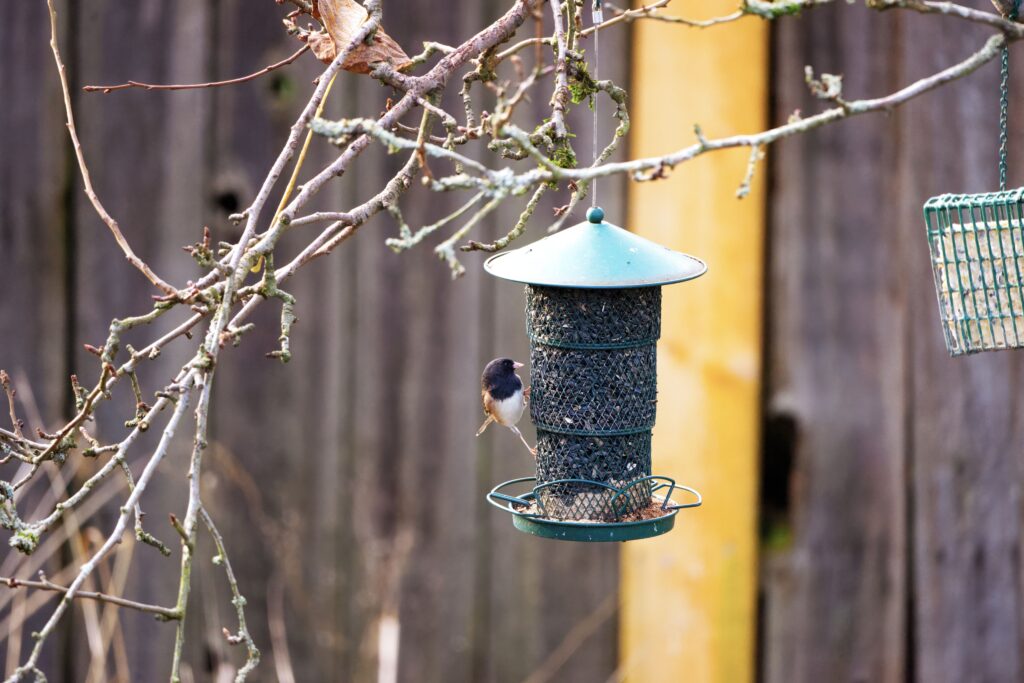
A good-quality birdseed mix can attract several kinds of backyard birds because it contains seeds with different sizes and nutritional qualities. Look for blends containing sunflower seeds and millet, and choose a mix that suits the birds common in your area rather than one filled with seeds they tend to leave behind.
Black-Oil Sunflower Seeds
Black-oil sunflower seeds are a popular choice because their thin shells are easy for many birds to crack and their high fat content provides energy. Cardinals, chickadees, finches, and nuthatches are among the species that may visit a feeder stocked with these seeds.
Related: Birds Are Avoiding Your Yard — Here’s Why
Nyjer Seeds
Nyjer seeds are tiny, oil-rich seeds that appeal to finches and other small seed-eating birds. Use a feeder made for these small seeds, and keep it dry and clean so the food stays in good condition.
Suet
Suet is made from animal fat and provides a concentrated energy source, making it particularly useful in cold weather. Woodpeckers, nuthatches, and some other insect-eating birds may visit a suet feeder, especially when you offer cakes made for wild birds.
Unsalted Peanuts
Plain, unsalted peanuts provide fat and protein for birds such as blue jays, chickadees, and woodpeckers. Offer them fresh and in suitable pieces, since whole peanuts can be difficult for smaller birds to handle and spoiled nuts may contain harmful mold.
Related: 15 Red Birds That Will Captivate Your Garden
Millet
Millet is a small seed enjoyed by many ground-feeding birds, including sparrows, doves, and juncos. Place it in a suitable feeder or offer a small amount on a clean feeding tray, then remove leftovers before they get wet or moldy.
Safflower Seeds
Safflower seeds provide fat and protein, and many cardinals, chickadees, and grosbeaks will eat them. Some squirrels find safflower less appealing than sunflower seeds, though it won’t keep every squirrel away from your feeder.
Cracked Corn
Cracked corn is an affordable food that attracts ground-feeding birds such as doves, quail, and some sparrows. Offer small amounts at a time and keep the feeding area clean, since damp corn can spoil and develop mold.
Related: Why Birds Keep Choosing Your Roof as Their Nesting Spot
Berries
Many fruit-eating birds enjoy berries, including robins, waxwings, and orioles, depending on the species and season. Offer suitable fresh or dried berries in small quantities, or plant berry-producing shrubs to provide a natural food source and shelter.
Mealworms
Mealworms provide protein and are especially appealing to insect-eating birds such as bluebirds, wrens, and chickadees. Offer dried mealworms in a suitable feeder or use live mealworms if you prefer, following local wildlife-feeding guidance.
Related: 14 Powerful Medicinal Plants for a Self-Sufficient Homestead
How to Feed Wild Birds Safely
Keeping feeders clean and placing them in a suitable spot helps protect birds while making your yard more welcoming. A few simple habits can reduce food waste and lower the risk around feeding areas.
- Choose a safe location. Place feeders where birds have nearby cover but can still spot approaching predators, and keep them away from places where cats can hide.
- Clean feeders regularly. Wash feeders and feeding trays, let them dry fully, and remove wet or moldy food to limit disease spread.
- Provide fresh water. A clean birdbath gives visitors a place to drink and bathe, and changing the water often helps keep it in good condition.
- Offer space for different birds. Place several feeders apart to reduce crowding and let smaller birds feed without competing as much with larger visitors.
- Match food to the season. High-fat foods can help birds meet their energy needs in cold weather, while seeds, fruit, and other suitable foods attract different species year-round.
A few well-chosen foods can make your backyard feeder more appealing to the birds that live in your area. Keep the food fresh, clean the feeders, and pay attention to which visitors arrive so you can find out what works best in your yard.