Long before medicine cabinets were packed with over-the-counter fixes, people relied on what they could grow close to home. A tea for an upset stomach. A salve for burns. Herbs hanging in the kitchen to dry before winter came. Many of those plants are still grown today, not because they’re trendy, but because they’ve been passed down for generations and continue to earn their place in the garden.
Growing medicinal herbs and flowers at home gives you more than fresh plants to harvest. It teaches you what grows well in your climate, helps you become more self-reliant, and keeps useful remedies within reach when you need them. Even a small garden can hold plants that support everyday wellness in simple, practical ways.
Here are 14 medicinal herbs and flowers worth growing on your homestead for their long-used healing properties.
Turmeric for Inflammation

Turmeric is well-known for its active compound, curcumin, which boasts strong anti-inflammatory properties. For centuries, it has been a trusted remedy for conditions such as arthritis and inflammatory bowel disease. Modern research supports these traditional uses, demonstrating that curcumin can help reduce inflammation and alleviate symptoms associated with these chronic conditions.
For best results, consider incorporating a high-quality turmeric supplement into your daily routine. However, since turmeric can interact with certain medications, particularly blood thinners, it’s important to consult with a healthcare professional before starting any supplement regimen.
Chamomile for Sleep and Anxiety

Struggling to get a good night’s sleep? Chamomile tea has long been used to promote relaxation and improve sleep quality, and studies have shown that this fragrant herb can reduce anxiety and improve sleep patterns.
The best way to take chamomile is as a herbal tea (with a dash of
Chamomile enjoys full sun but can tolerate light shade. It prefers well-drained soil and is drought-tolerant once established. It’s generally easy to grow from seed and can self-seed prolifically.
Calendula for Ailments

Calendula is a must-have for any home garden. It is known for its vibrant early spring blooms, which provide a splash of color and essential support for pollinators as they awaken from hibernation.
Beyond its visual appeal, calendula is valued for its healing medicinal properties, making it an excellent addition to a garden. The beautiful flowers can be harvested to create soothing salves, teas, and tinctures that help with skin irritations, minor cuts, and inflammation. Growing calendula enhances the beauty of your homestead but also equips you with a natural remedy for various ailments.
Eucalyptus Oil for Congestion

Eucalyptus oil is commonly used to relieve congestion and respiratory issues, helping to loosen mucus and make breathing easier. Inhaling eucalyptus steam or using it in a chest rub has been shown to reduce cold symptoms, and eucalyptus oil is commonly used in over-the-counter cold remedies.
To use eucalyptus oil safely, add 3-4 drops to a bowl of hot water and breathe in the steam. Alternatively, add 1-2 drops of eucalyptus oil to a teaspoon of
Garlic

Garlic is essential to any homestead garden due to its versatility and healing properties. This hardy plant is easy to grow and can be used at different stages of growth, from fresh green shoots to mature, flavorful bulbs.
Most homesteaders plant
Ginger for Nausea

Ginger is an old-school effective remedy for over-the-counter medications is the use of ginger to treat nausea. Clinical studies show that ginger reduces symptoms of nausea and has fewer side effects.
The best way to take ginger for nausea is as a tea, made by steeping slices of fresh ginger in hot water. People taking blood thinners or those prone to heartburn should be cautious when consuming ginger in large amounts, as it may exacerbate these conditions.
Ginger can be grown in a garden, pot, or garden bed in the backyard.
Related: How to Make Ginger Powder
Peppermint Oil for Digestive Issues

Mint is a fast-growing perennial herb that grows equally well indoors or outdoors.
The safest way to treat digestive issues is with peppermint tea, as concentrated
Mint makes a fantastic addition to an herb garden. It is one of the easiest herbs to grow, especially if you are beginning your herb garden.
Aloe Vera for Burns

Studies have shown that the gel inside aloe vera leaves provides soothing relief and promotes faster burn healing, reducing overall recovery time by as much as 9 days. This is an excellent home remedy for rashes, minor burns such as sunburn, and deep burns or those covering larger areas of skin, which require specialist medical attention.
When treating minor burns with aloe vera, it is essential to use pure aloe vera and avoid commercial products that may contain irritants or additives. If you happen to have an aloe vera plant growing at home, simply break off a section of leaf to uncover the magical healing gel inside!
Aloe vera is best suited for Zones 9 to 10. Aloe vera thrives in full sun, prefers to dry out between waterings, and benefits from light fertilization.
15 Gorgeous Succulents for a Picture-Perfect Garden
Lavender for Stress Relief
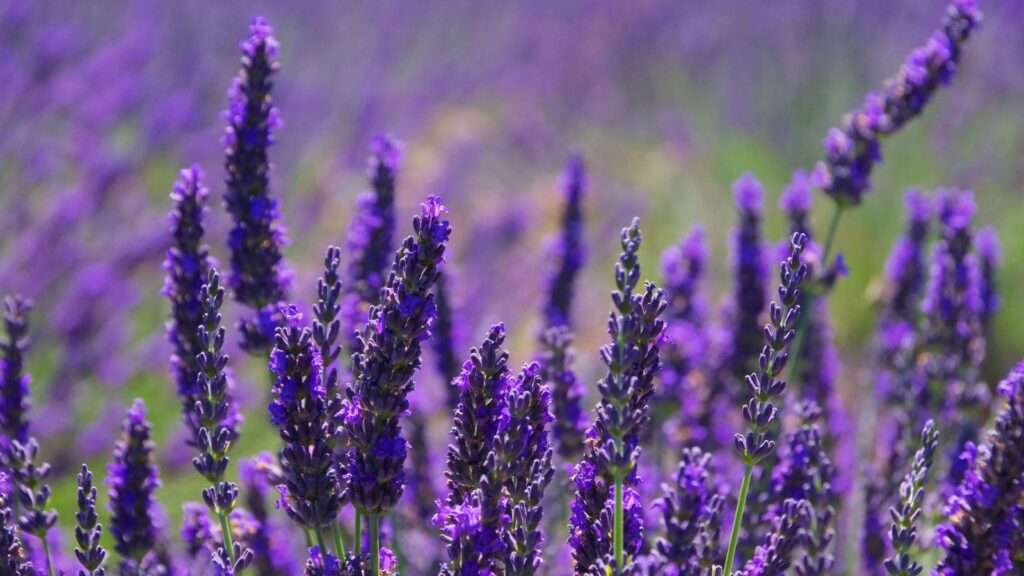
With its striking purple color and soothing aroma,
Lavender oil is widely used in aromatherapy to reduce stress and anxiety and promote relaxation. Studies have shown that inhaling
Like any essential oil, lavender oil should be diluted with a carrier oil before being used as a topical treatment, and it should never be ingested. A good trick is to drip a small amount of lavender oil onto an old napkin or handkerchief, which can be kept in your pocket during the day and under your pillow at night.
How to Make Lavender Infused Oil
Lemon Balm

With its lemony fragrance, lemon balm makes the perfect addition to a medicinal garden. It can be used to relieve stress, ease pain, and provide comfort.
How to Make Lemon Balm Lip Balm for Cold Sores
Sage

Sage is a great herb to keep on hand to add flavor to homemade dishes. You can also make a beautiful tea with it, which helps to ease a sore throat and aid in colds.
Rosemary

Rosemary isn’t just a favorite in the kitchen; it’s also a natural mosquito repellent, thanks to its potent fragrance that helps keep these pests out of your garden. You can easily grow rosemary by propagating fresh sprigs purchased from the grocery store, making it a convenient addition to your outdoor space. Thriving in growing zones 7 to 10, rosemary flourishes best in full sun with ample daylight.
Beyond its culinary and insect-repelling uses, rosemary offers various health benefits. Massaging rosemary-infused oil into bruised areas can aid in faster recovery, while rosemary water works wonders as a hair treatment, especially for dandruff. It also helps reduce inflammation caused by eczema and other skin irritations.
Coneflower (Echinacea)

Echinacea, commonly known as Coneflower, is a stunning plant with nectar-rich blooms that naturally attract bees. Known for its resilience, this sun-loving perennial thrives with minimal care, making it an excellent choice for low-maintenance gardens. It blooms from summer until the first frost and is well-suited to growing zones 4 to 9.
Echinacea is known for its immune-boosting and anti-inflammatory benefits, which effectively ease pain and inflammation. Growing echinacea provides a natural source of wellness right at your fingertips.
Clove

Cloves have long been a go-to home remedy for easing toothaches. Beyond their pain-relieving properties, cloves are believed to offer a range of health benefits. They have anti-inflammatory, antifungal, and antiviral properties, making them a versatile addition to natural health practices.