


Black chickens stand out in a backyard flock. Some have glossy, jet-black feathers that shimmer green in the sunlight, while others have fluffy plumage, copper markings, or beautiful patterns that set them apart.
But these chickens have more to offer than their appearance. Some are great egg layers, others are known for their friendly personalities, and a few are rare breeds with unusual features, including black skin, bones, and even muscles.
If you’re thinking about adding black chickens to your flock, here are 10 breeds worth considering.
Australorp

Developed in Australia from Orpington stock imported from England, the Black Australorp is one of the best choices for backyard chicken keepers who want dependable egg production. Its glossy black plumage often has a beautiful green sheen in direct sunlight.
Australorps are known for being calm, friendly, and good egg layers, typically producing around 250–300 light brown eggs annually under favorable conditions. The breed even has a place in poultry history after an Australorp hen reportedly laid 364 eggs in 365 days.
These hardy birds adapt well to different environments and are a good choice for beginners looking for productive, easy-to-manage chickens.

Grab Your Chicken Record Keeping Planner
Take the guesswork out of managing your flock with this all-in-one Planner! This 45-page printable bundle helps you track egg production, maintain bird health, organize coop chores, and stay on top of your poultry finances—all in one place.
$17
Cochin
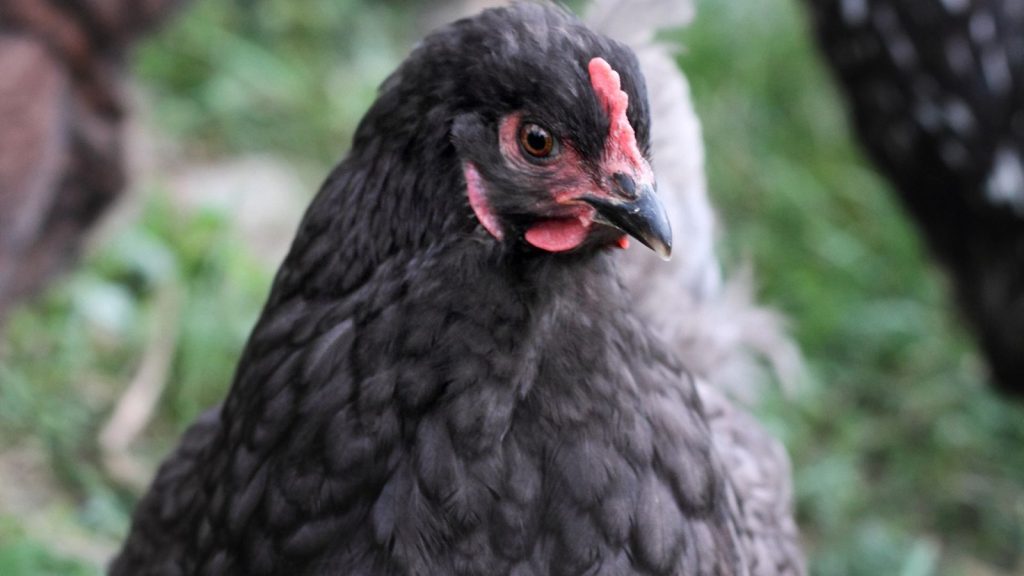
Cochins are large, fluffy chickens with heavily feathered legs and feet. The black variety has soft, dark plumage that makes these already round birds look even bigger.
Originally developed from chickens brought to Europe from China, Cochins became popular for their unusual appearance and gentle personalities. They’re especially well suited to backyard flocks because they’re docile and generally easy to handle.
Cochins are relatively poor egg layers compared with production breeds, but they’re excellent broody hens and often make devoted mothers. Their heavy feathering also means they do best when their living areas are kept clean and dry.
Jersey Giant

As the name suggests, Jersey Giants are among the largest chicken breeds in the world. Developed in New Jersey, these impressive birds were originally bred as a meat-producing alternative to turkey.
Black Jersey Giants have beautiful dark feathers with a green sheen, along with a single comb and sturdy body. Mature males can weigh around 13 pounds, while hens generally weigh about 10 pounds.
Despite their size, they’re known for their gentle temperament and can make a good addition to backyard flocks. Hens lay large brown eggs, although they mature more slowly than many other breeds.
Silkie

Silkies are easy to recognize thanks to their fluffy feathers, rounded bodies, and distinctive crests. Unlike the smooth feathers of most chickens, Silkie plumage lacks the usual hooked structure that holds feather strands together, giving them their soft appearance.
Black Silkies are especially interesting because their dark coloring goes beyond their feathers. They also have black skin and dark bones, a trait associated with a genetic condition called fibromelanosis.
Silkies aren’t great egg layers, but they’re well known for going broody and raising chicks. Their gentle nature makes them popular with families, although their delicate feathers offer less protection from wet weather.
Maran

Marans chickens originated in France and are especially popular for their dark chocolate-brown eggs. The Black Copper Marans is one of the most recognizable varieties, with black plumage and rich copper coloring around the neck.
These chickens are generally active, hardy, and well suited to backyard flocks. Their temperament varies, but many become comfortable around people with regular handling.
One of the biggest reasons breeders choose Marans is their unusual eggshell color. While not every hen lays the darkest shade, good breeding lines can produce beautifully deep brown eggs that stand out in an egg basket.
Wyandottes

Wyandottes are hardy, dual-purpose chickens that come in several beautiful color varieties, including Black and Silver Laced.
Black Wyandottes have solid dark plumage, while Silver Laced birds have white feathers outlined in black. Their rounded bodies and rose combs give them a distinctive appearance.
Wyandottes are especially popular in cooler climates because their compact combs are less prone to frostbite than larger single combs. They’re good egg layers, often producing around 180–240 brown eggs per year, depending on the bird and conditions.
They also forage well and do well in free-range backyard flocks.
Ayam Cemani

The Ayam Cemani is one of the rarest and most unusual black chicken breeds. Originating from Indonesia, particularly the island of Java, these birds are known for their nearly all-black appearance.
Their feathers, skin, beak, comb, wattles, and even internal body parts have unusually dark pigmentation. Fibromelanosis, a genetic trait, causes extensive dark pigmentation throughout the body.
Despite their unusual appearance, Ayam Cemani chickens don’t lay black eggs. Their eggs are generally cream-colored, and hens lay fewer eggs than breeds raised specifically for egg production.
Because they’re a rare breed, Ayam Cemani chickens can be expensive and are often kept by breeders and poultry enthusiasts interested in their distinctive genetics.
Kadaknath

The Kadaknath is a rare chicken breed from India, particularly associated with Madhya Pradesh. Like the Ayam Cemani, it has unusually dark skin, meat, and internal tissues due to fibromelanosis.
People traditionally value these chickens for their dark meat, and they play an important role in regional food traditions. They’re generally smaller and slower-growing than commercial meat chickens.
Kadaknath hens aren’t especially productive egg layers, but the breed is valued for its unique traits and ability to adapt to local conditions. Their black plumage and dark body parts make them one of the more unusual breeds a poultry enthusiast might encounter.
Swedish Black Hen (Svart Hona)

The Swedish Black Hen, also called Svart Hona, is a rare Swedish breed that shares the striking black appearance of the Ayam Cemani.
These chickens have black feathers, skin, combs, and wattles, along with dark pigmentation in other body parts. The breed’s history is associated with northern Europe, where chickens had to adapt to cooler climates.
Swedish Black Hens are relatively small and aren’t known for exceptional egg production. Their eggs are generally cream to light brown, not black.
They’re an interesting option for experienced chicken keepers who want to preserve a rare breed, although finding reputable breeders can be challenging.
Java

The Java is one of the oldest American chicken breeds and played an important role in developing several other breeds, including the Jersey Giant.
Black Javas have glossy black feathers, sturdy bodies, and a calm but active temperament. They forage well and do particularly well in free-range environments where they have room to explore.
Java hens lay brown eggs and are considered reasonably good layers for a traditional dual-purpose breed. They mature more slowly than many modern production chickens, but their hardiness and ability to forage make them a worthwhile choice for homesteaders.
Although the Java is an important part of American poultry history, it’s less common today than many popular backyard breeds.


