When summer rolls around, so do the mosquitoes, making backyard dinners, gardening, and evening strolls a lot less enjoyable. The good news? Some garden plants do more than just look pretty. Their natural scents and oils can help keep mosquitoes far away, turning your outdoor space into a much more pleasant place to be.
Adding these mosquito-repelling plants to your garden or patio will help cut down on bites. Most of them grow well in pots, garden beds, or along borders, making them easy to incorporate into any setup.
Sage
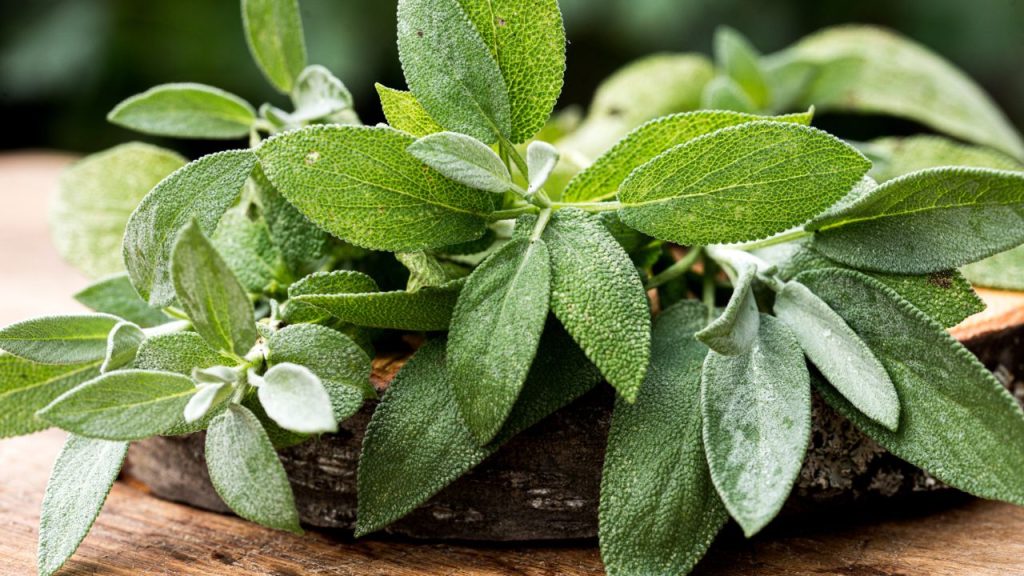
Sage is a tough, aromatic herb that enhances meals and helps keep mosquitoes away. The plant’s natural oils produce a scent that mosquitoes dislike, and burning dried sage leaves can create a mosquito-repelling smoke.
Sage grows well in sunny spots with well-drained soil, making it easy to incorporate into herb gardens or patio containers.
Citronella Grass

Citronella grass is one of the most well-known natural mosquito repellents, often used in candles and sprays. The strong citrus scent masks the human scents that attract mosquitoes, making it harder for them to locate their next meal.
This fast-growing grass thrives in warm climates and can be planted around patios, pathways, or garden borders to add a lush, green appearance. Crushing the leaves releases even more mosquito-repelling oils, offering extra protection when spending time outdoors.
Peppermint
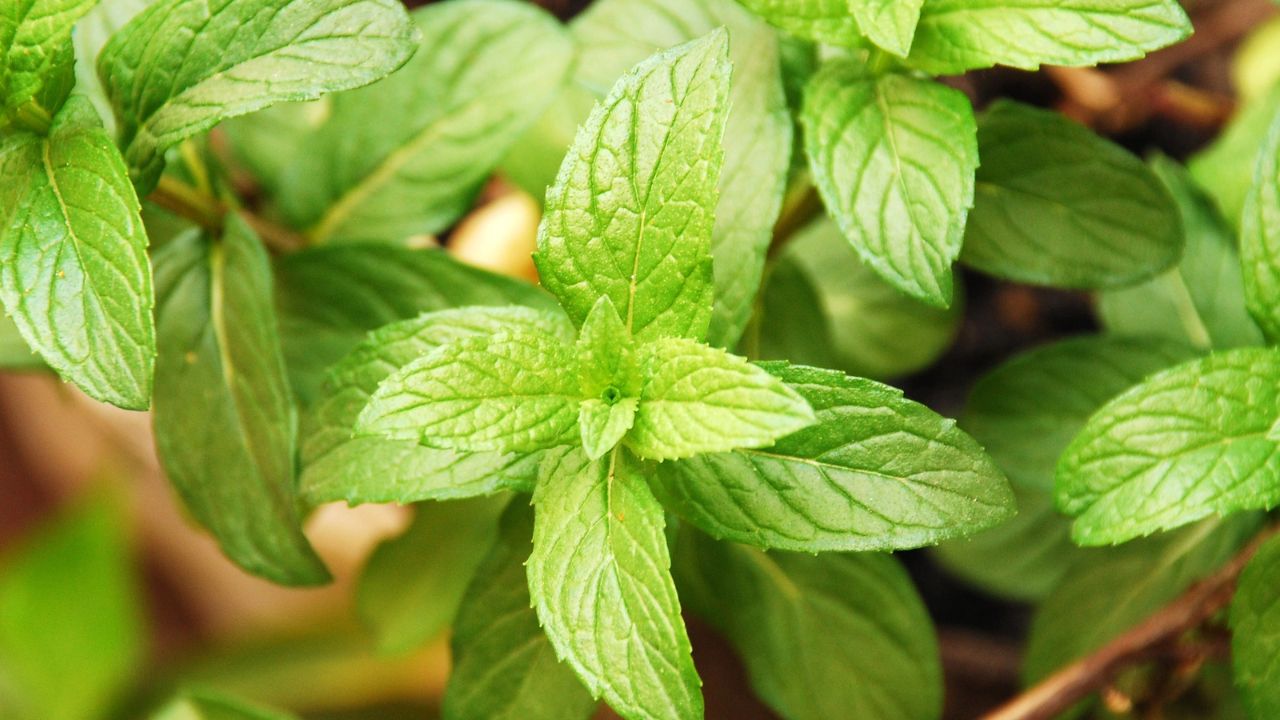
Peppermint is a refreshing herb that doubles as a natural mosquito repellent. Its strong menthol scent disrupts mosquitoes’ ability to find hosts, reducing the number of bites you get.
This fast-growing plant thrives in containers, making it easy to position near outdoor seating areas. Peppermint can be used in teas, cooking, and homemade insect sprays. Since it spreads quickly, planting it in pots helps control its growth.
Rosemary
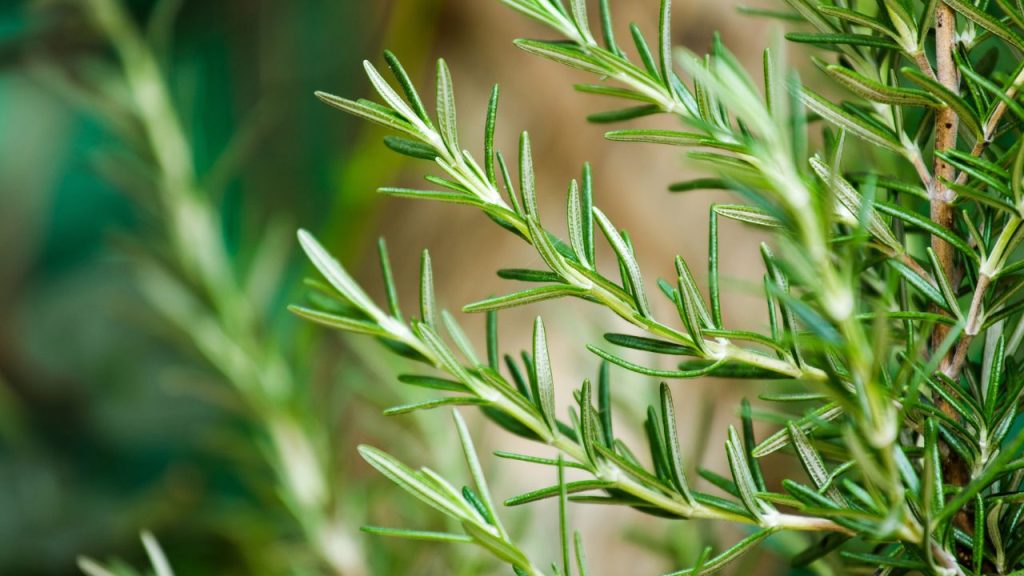
Rosemary is a fragrant herb that enhances cooking and repels mosquitoes with its strong scent. Planting rosemary in garden beds or containers near seating areas can help create a mosquito-free space.
Toss a few sprigs onto a grill or fire pit for extra protection—the smoke helps keep mosquitoes away. This hardy herb thrives in dry, sunny conditions and is easy to maintain, making it a great addition to any outdoor space.
Lantana

Lantana is a sun-loving plant that thrives in warm climates. It produces clusters of small, vibrant flowers in shades of pink, orange, red, and yellow. While its colorful blooms attract butterflies and hummingbirds, its scent is known to deter mosquitoes.
This hardy perennial is typically grown as an annual in cooler regions, but it flourishes in Zones 9-11. Lantana is drought-tolerant and easy to care for, making it a great choice for garden beds, borders, or containers.
14 Stunning Plants That Bring Butterflies to Your Garden
Garlic
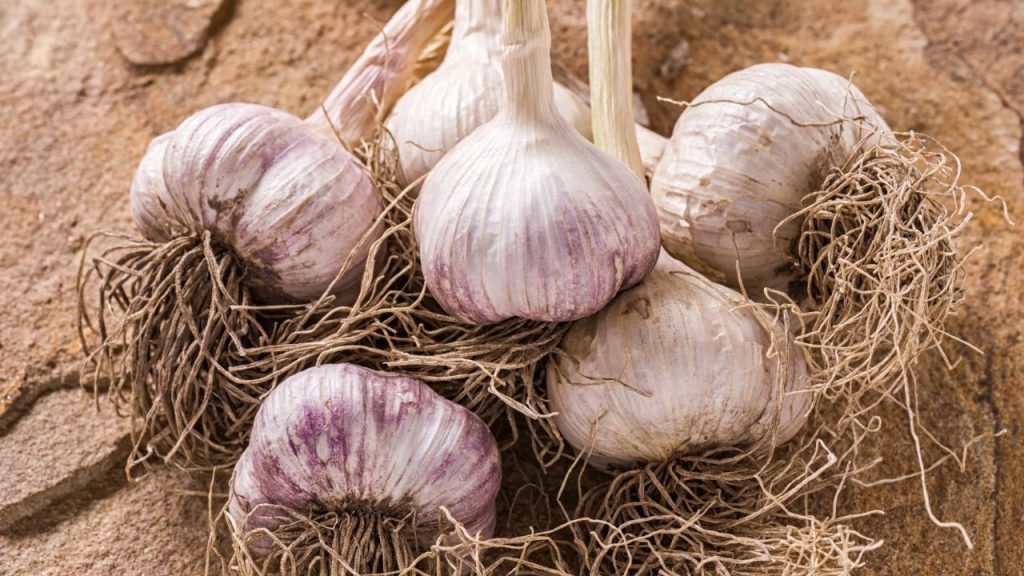
Garlic does more than add flavor to your favorite dishes—it also helps keep mosquitoes and garden pests away. The sulfur compounds released by
Fennel

Fennel is a fragrant herb with feathery leaves and umbrella-shaped flowers that attract beneficial insects while keeping mosquitoes at a distance. Its strong anise-like scent confuses mosquitoes, making it harder for them to locate their targets.
Aside from its pest-repelling properties, fennel is a favorite among pollinators, such as bees and ladybugs, which contributes to a balanced and thriving garden. Fennel is easy to grow in well-drained soil.
Chrysanthemum (Chrysanthemum spp.)

Chrysanthemums, often called mums, are more than just a fall garden favorite—they contain natural compounds that repel mosquitoes, roaches, and other pests. The flowers produce pyrethrum, an ingredient found in many insect repellents.
These hardy perennials thrive in full sun and well-drained soil, making them a low-maintenance choice for garden beds or containers. With their vibrant colors and pest-deterring benefits, chrysanthemums are a practical and attractive addition to any outdoor space.
Thyme

Thyme is a fragrant herb with natural mosquito-repelling properties, particularly when the leaves are crushed to release their essential oils. This hardy plant thrives in full sun and well-drained soil, making it an excellent choice for garden borders, rock gardens, or container plantings.
How to Dry Fresh Thyme – 5 Methods
Lemongrass

Lemongrass is a popular mosquito-repelling plant due to its high citral content, which is a key ingredient in natural insect sprays. The grassy stalks release a lemony scent that confuses and repels mosquitoes while adding a fresh fragrance to your garden.
It thrives in warm climates and well-drained soil, making it an excellent choice for garden borders or large pots. In addition to its insect-repelling benefits,
Lemon Balm

Lemon balm has a bright citrus scent that mosquitoes dislike, making it a great natural repellent. This hardy perennial is easy to grow in the ground or pots, though it spreads quickly and may take over garden beds if not contained.
In addition to repelling mosquitoes,
Lavender

Lavender is well known for its calming scent, but its strong fragrance also keeps mosquitoes and gnats away. This drought-tolerant plant thrives in full sun and can be grown in the garden or pots for easy mobility.
Lavender’s purple blooms add beauty to any outdoor space while deterring pests. Drying
Marigold

Marigolds are bright, cheerful flowers that naturally repel mosquitoes with their strong scent. They contain pyrethrum, a compound used in many insect repellents, making them an effective pest deterrent in the garden.
Marigolds thrive in full sun and can easily grow in garden beds or containers. Placing them near doorways, patios, or vegetable gardens can help reduce the mosquito population while adding a pop of color.
Why Marigolds Deserve a Spot in Your Garden Year After Year
Eucalyptus

Eucalyptus is known for its fresh, invigorating scent, which mosquitoes find overwhelming. The plant’s essential oils are commonly used in insect repellents, but growing eucalyptus in your garden can provide natural protection.
It thrives in warm climates and well-drained soil, offering both pest control and a pleasant aroma. The leaves can also be crushed to release more of their mosquito-repelling oils.
Geranium
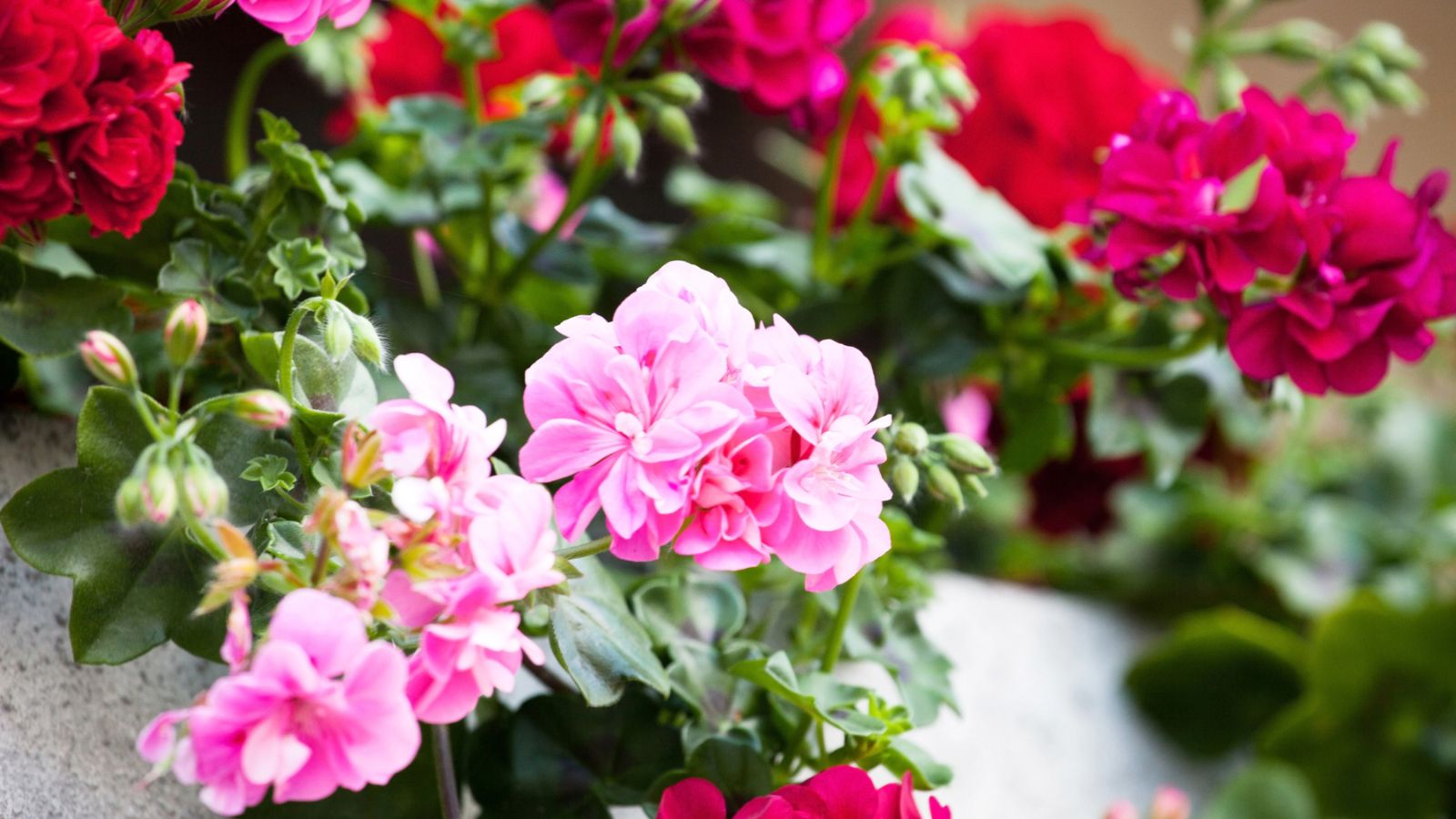
Geraniums are colorful flowering plants that add beauty to your garden and help repel mosquitoes. These plants produce a unique scent that mosquitoes find unpleasant, making them an effective natural deterrent.
Geraniums are easy to care for and grow well in pots or the garden. Geraniums are most effective when crushed or rubbed against the skin, as the geranium leaves emit chemical compounds that mosquitoes despise.
Catnip

Mosquitoes despise the smell of catnip – thanks to a chemical called nepetalactone. This chemical is both a cat attractant and an insect repellent. While it is excellent for repelling mosquitoes, cats are attracted to it, so expect those neighborhood cats to find their way into your space. Additionally, it can be quite invasive to a garden bed.
Basil
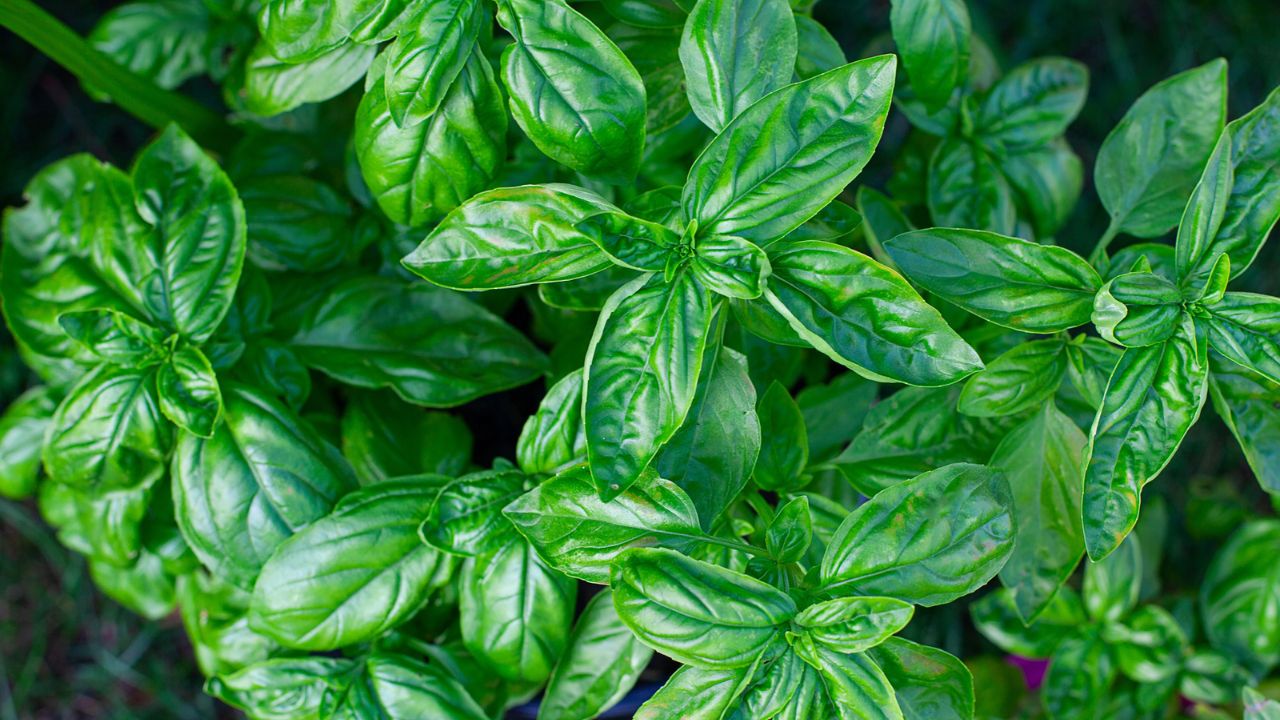
Basil repels mosquitoes while being useful in the kitchen. Its strong scent interferes with mosquitoes’ ability to locate hosts, making it a great plant to keep near outdoor seating areas. Basil also deters mosquito larvae, so placing it near standing water can help prevent infestations. Growing basil in pots or garden beds provides easy access for cooking while naturally reducing mosquito activity.
Bee Balm
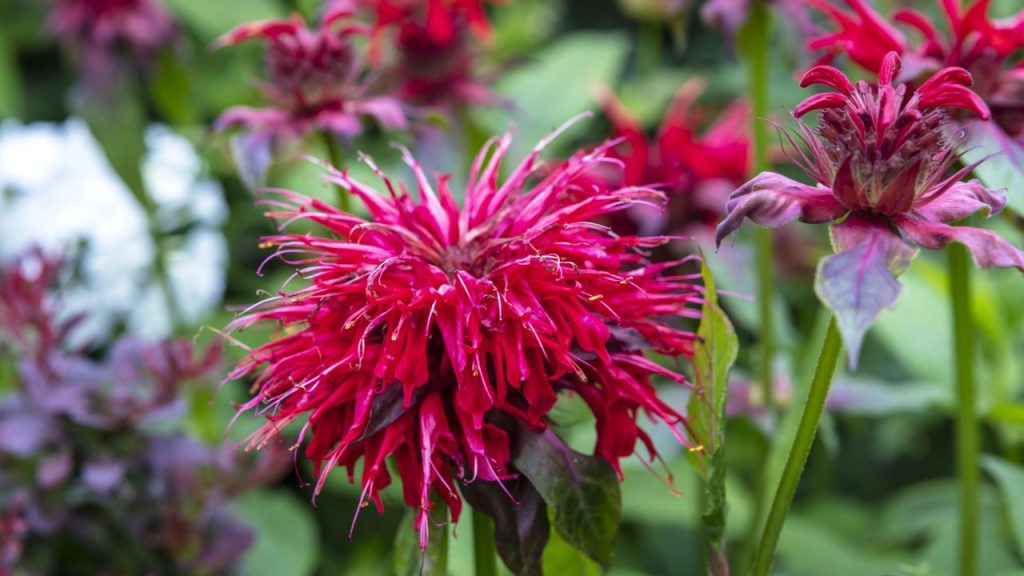
Bee balm, a member of the mint family, releases a scent that mosquitoes dislike while attracting bees, butterflies, and hummingbirds. This colorful, nectar-rich plant is a great way to support pollinators while keeping pests at bay.
Bee balm grows well in sunny spots and can be planted in garden beds or containers. Like other mint varieties, it spreads quickly, so containing it in a pot may help control its growth.
8 Best Raised Garden Beds (What to Consider Before Buying)
8 Sneaky Animals That Are Secretly Destroying Your Lawn and Garden

Many pests can quietly cause significant damage if not controlled. It’s important to stay on top of these threats to keep your outdoor space looking its best. Here are seven sneaky pests to keep a close eye on.
8 Sneaky Pests That Are Secretly Destroying Your Lawn and Garden
Plants You Should Never Grow Too Close To Your Hydrangeas

Although hydrangeas can be compatible with many plants, some can adversely affect their growth. Here are 14 plants you should never grow next to your hydrangeas.