Survival in difficult times requires more than just a stocked pantry—it demands a sustainable approach to food production. While having emergency supplies is important, true preparedness comes from growing your own food.
A well-planned survival garden ensures a steady supply of nutritious vegetables, reducing reliance on grocery stores and providing long-term food security.
Beyond common garden staples, certain vegetables offer additional benefits that make them ideal for a survival situation. Some provide high-calorie yields for energy, while others have medicinal properties or store well for extended use.
By choosing the right crops, you can create a resilient, self-sustaining food source that supports your family through uncertain times. Here are the best vegetables to grow for a survival garden and why they deserve a spot in yours.
Potatoes

Potatoes should be a top contender if you’re choosing just one large crop to grow. They can be grown in various ways, including large containers or even repurposed trash cans. Potatoes are hearty, satisfying, and highly productive—a single plant can yield up to five pounds, making them an excellent staple for any survival garden.
How to Grow Potatoes: Trench or Hill Method
Jerusalem Artichoke (Sunchoke)

Jerusalem artichokes, or
Carrots

Carrots are a cool-season crop that can be planted in spring and late summer. They are crunchy, sweet, and highly nutritious.
Related: How to Store Carrots | 3 Ways
Garlic

Grown for its culinary and medicinal uses,
Most gardeners plant
How to Grow Garlic: A Year’s Supply
Onions

Onions, a staple in global cuisines, can be grown from seeds, transplants, or sets (small bulbs). While easy to grow, the initial planting requires effort. Transplants are the simplest and fastest to mature. Onions need a long growing season but are otherwise low-maintenance.
How to Grow Onions: Three Ways
Beets

Beets, known for their nutritious roots and greens, are quick-growing vegetables that taste best when harvested young. The entire plant is edible. It makes a great addition to a salad or roasted to perfection. Plant them in well-draining soil with regular watering.
Radishes

Radishes are one of the quickest-growing vegetables, with some varieties ready to harvest in three weeks. They add a peppery kick to salads and dishes. Plant
Sweet Potatoes

Sweet potatoes, rich in vitamin A and sweet in flavor, need a long, warm growing season. Plant their slips after the last frost in well-drained, sandy soil under full sun.
Turnips

Turnips can be grown for both their roots, which are sweet and tender when young, and their greens. They’re a great source of Vitamin C. Sow turnip seeds in early spring or late summer for a fall harvest. They grow best in full sun, keeping the soil moist and mulched. Harvest small turnips to allow others to develop and mulch heavily.
Kale

Kale is a quick growing leafy vegetable that can be grown in under 30 days. It grows quickly and can be harvested continuously throughout the growing season, providing a steady supply of fresh produce.
Arugula

Arugula is a fast-growing annual leafy vegetable in the Brassica family. Its quick growth, aided by fertile soil and consistent moisture, allows for multiple harvests in one season. This super green continues producing until the ground freezes, yielding a significant amount from each plant.
Spinach

Spinach is a fast-growing plant that produces many leaves quickly in mild spring and fall weather. It flourishes in the consistent moisture and cool conditions of raised beds, and easy access simplifies harvesting the tender leaves.
Lettuce

Lettuce thrives in cooler soil temperatures and improved moisture control, producing crisp, tender leaves.
With its shallow roots, lettuce grows well in garden beds, containers, or raised beds, where moisture levels can be easily managed to promote rapid growth. Under the right conditions, lettuce can be harvested in under 30 days.
Green Onions
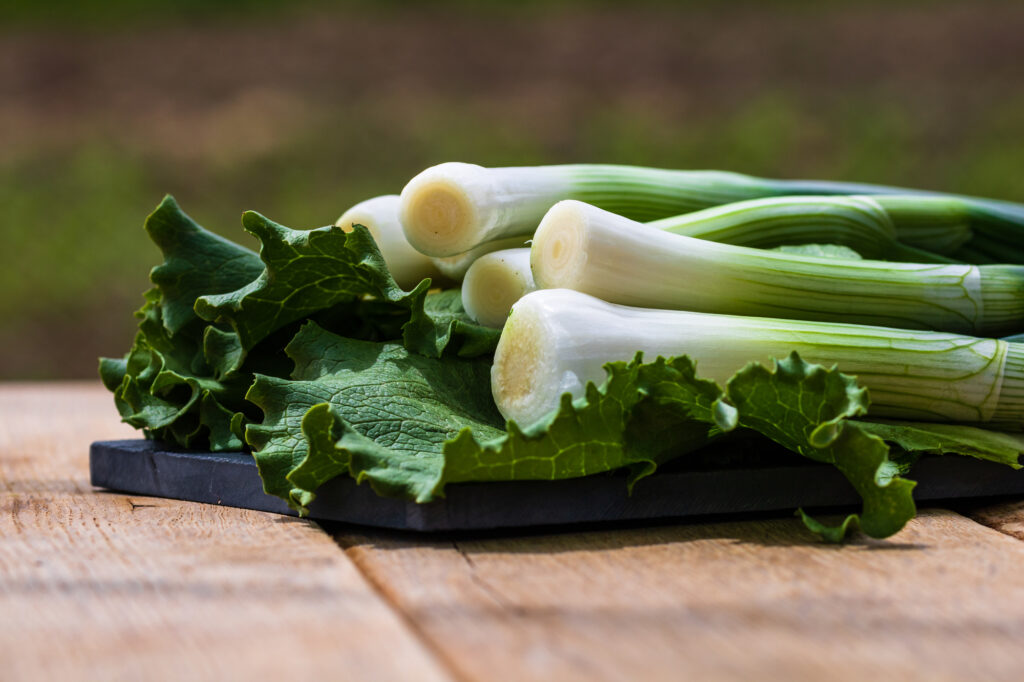
Green Onions are unfussy and grow well in most gardens. They add a mild onion flavor to countless dishes.
Green onions adapt well to different growing conditions but perform best in well-drained soil with exposure to full sun or partial shade. They grow rapidly and can be harvested in under 30 days.
Beans and Peas

You have plenty of options with beans and peas, such as green beans, black-eyed peas, and other crops that grow well in containers with a trellis or growing posts in place. And the best part is that it will grow in less than 30 days.
Related:
38 Perennial Flowers That Deliver Gorgeous Blooms Every Blooming Season

Perennial flowers are a great way to add lasting color to your garden, returning year after year to keep it looking vibrant. If you’re looking to brighten your garden, check out these 38 colorful options that thrive and come back every season.
38 Perennial Flowers That Deliver Gorgeous Blooms Every Blooming Season
15 Plants Every Prepper Should Grow for a Self-Sustaining Survival Garden

True preparedness lies in sustainability—cultivating food and plants that can support your family when trips to the store or pharmacy are no longer an option.
15 Plants Every Prepper Should Grow for a Self-Sustaining Survival Garden