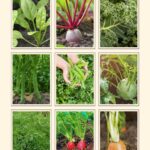
July might feel like it’s too late to plant, but there’s still time to grow a productive vegetable garden. Yes, there’s still time for you to sow seeds and enjoy a fresh harvest later this season.
From fast-maturing vegetables to heat-tolerant staples, many of these can be direct-sown, while others may benefit from transplants if you’re short on time. The key is selecting varieties that can withstand summer heat and still mature before the first frost.
Here’s a list of vegetables you can plant in July to keep your garden going strong well into fall.
Beets

Sowing beets in July gives a head-start on the fall growing season, enabling you to harvest sweet roots and tender greens in about 50-60 days. Seeds can be sown in modules or directly in the ground, but make sure to keep the soil consistently moist.
Peas

Peas are often thought of as a cool-season crop and are normally grown in the spring. However, a second sowing in July will give delicious harvests from late summer to early fall.
Kale

Kale is the perfect winter crop for your balcony vegetable garden. This leafy green thrives in cooler temperatures and will produce a continuous supply of delicious leaves from fall to spring. Kale can withstand frost, hail, snow, and icy winds, making it one of the most robust balcony crops you can grow.
Swiss Chard

Swiss chard is a cool-season crop, but sowing a few seeds in July gives you a head start on the fall growing season. Swiss chard comes in several different colors and will produce a rainbow of nutritious leaves until late fall.
Kohlrabi

Kohlrabi is a cool-weather crop that can be planted mid-summer for a fall harvest. Kohlrabi grows with a bulbous stem that demands substantial nutrients from the soil. Kohlrabi has a relatively short growing season, typically around 55-60 days, which makes it great for mid-summer planting.
Spinach

Spinach often bolts in warmer weather, but if protected from direct sun with shade cloth will produce a crop of nutrient-rich leaves in 30-40 days, ideal for fresh salads. For optimal results, choose heat-resistant varieties that are less prone to bolting.
Beans

Both bush and pole beans can be planted in July. A second sowing of pole and bush beans in July extends the harvest season of these summer vegetable crops.
A good technique to use is to sow a row of
Pole beans will require support, such as a trellis or stakes, and regular harvesting will encourage continued production.
Cucumber

A second sowing of cucumbers in July extends the harvest period of this delicious salad vegetable, enabling you to pick crisp cucumbers from late summer to early fall. Seeds sown directly in the ground will germinate quickly in warm weather and start producing a crop within just a few weeks.
25 Cucumber Salad Recipes That Are Cool, Crisp, and Irresistible
Carrots

Carrot seeds germinate well in warm weather, provided the soil is kept consistently sweet. Sow seeds directly in the ground in July for harvests of sweet and crunchy roots in about 70-80 days.
These 13 Plants Are the Secret to Growing Happier, Healthier Carrots
Dill

Plant
Radishes

Radishes should be sown every few weeks from late spring onwards to give regular harvests. July-sown radish seeds grow quickly, and you can expect to harvest the first crisp roots in about 30 days.
Zucchini

When sown directly in the ground, zucchini and summer squash grow rapidly and begin producing tender fruits in approximately 50-60 days. Most gardeners sow these low-maintenance plants in late spring, but an additional sowing in July yields extra harvests until the first frost.
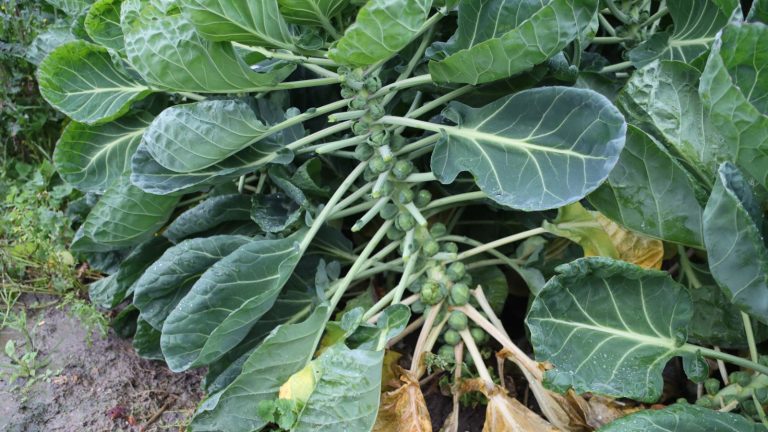
Brussels Sprouts

Brussels sprouts are great for growing in July. Pair with sage for maximizing space and resources in your garden, promoting healthy growth for both plants.
17 Companion Plants to Grow Next to Sage for Healthier, Larger Crops
Broccoli

Broccoli can be sown in July for a fall harvest. Sow seeds in modules and transplant them after a few weeks, providing shade and consistent watering until the plants are well-established.
Cabbage

All brassica crops, including cabbages, can be sown in July for a fall harvest. Sow the seeds in modules and transplant them after a few weeks have passed. Provide shade and consistent watering until the plants are well-established. Cabbage thrives in well-drained, nutrient-rich soil.
What’s Eating Your Kale and Cabbages? 12 Common Problems That Affect Brassicas
Corn

This is your last chance to plant corn. If you plan to do it, buy starts. Corn thrives in full sun and needs well-moisturized soil to grow well.
Here’s What’s Being Planted in the Fall Vegetable Garden

A well-planned fall vegetable garden can keep your season going well into the cooler months. Depending on your location and the tools you use, your garden could last right up through December!
Here’s What’s Being Planted in the Fall Vegetable Garden
How to Start a Herb Garden from Scratch

Growing something as simple as our own herbs is a huge step towards sustainability. You can begin the process in a small space in the kitchen or backyard with some of your favorite herbs. Here are some simple but practical steps to get you started on your own herb garden.