Feeding your family is essential, whether the power is on or not. Most modern kitchens rely heavily on electric gadgets and appliances to make meal preparation easier. But in the event of an outage, those tools become useless. That’s why it’s smart to have backup options that don’t require electricity, so you can keep cooking no matter what.
Hand-Crank Grain Mill
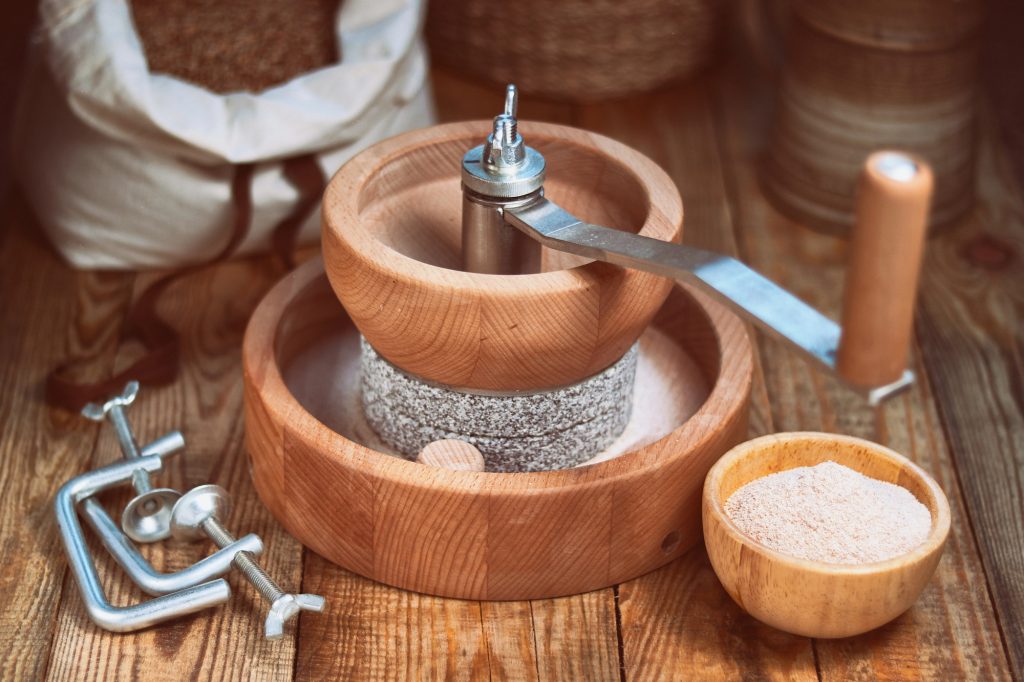
While store-bought flour has a limited shelf life, wheat berries can be stored for decades when kept cool and dry, making them an ideal long-term food storage staple. But to turn those berries into usable flour, you’ll need a reliable grain mill.
Investing in a well-built, high-quality mill is worth every penny—it will serve you for years, even without electricity.
Manual Coffee Grinder

A
French Press or Pour-Over Coffee Maker
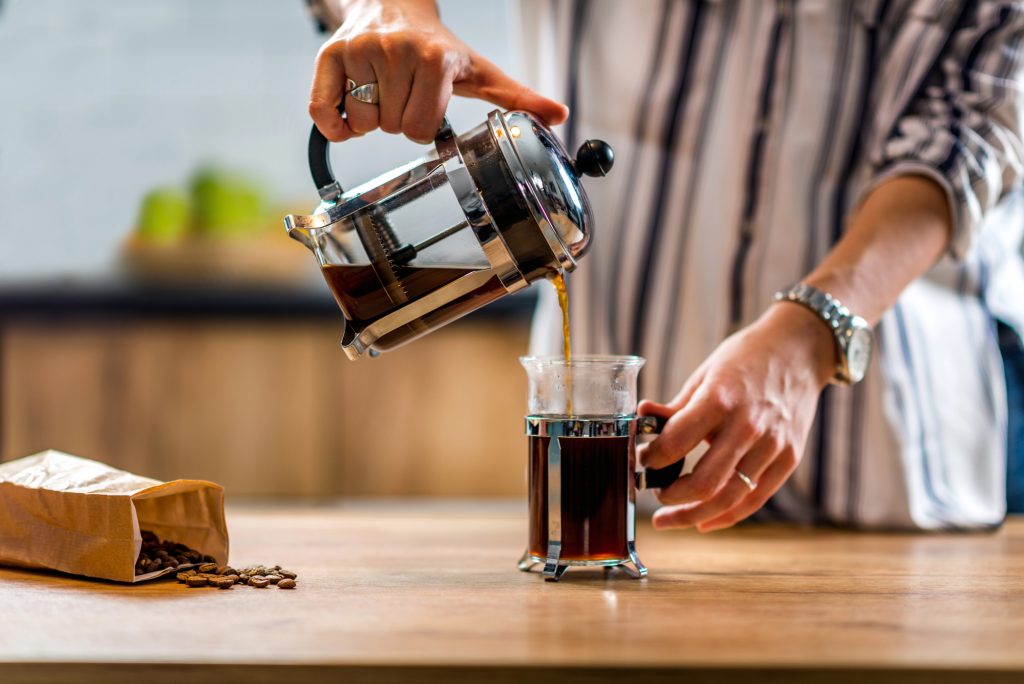
Sticking with the coffee theme—because let’s face it, life is easier with caffeine—you’ll want a non-electric way to brew it. A French press is a good option if you prefer something simple yet effective.
A stovetop percolator is another great choice and can be used on a woodstove or over an open fire. Either way, you’ll still get your coffee fix, even without power.
Cast Iron Skillet
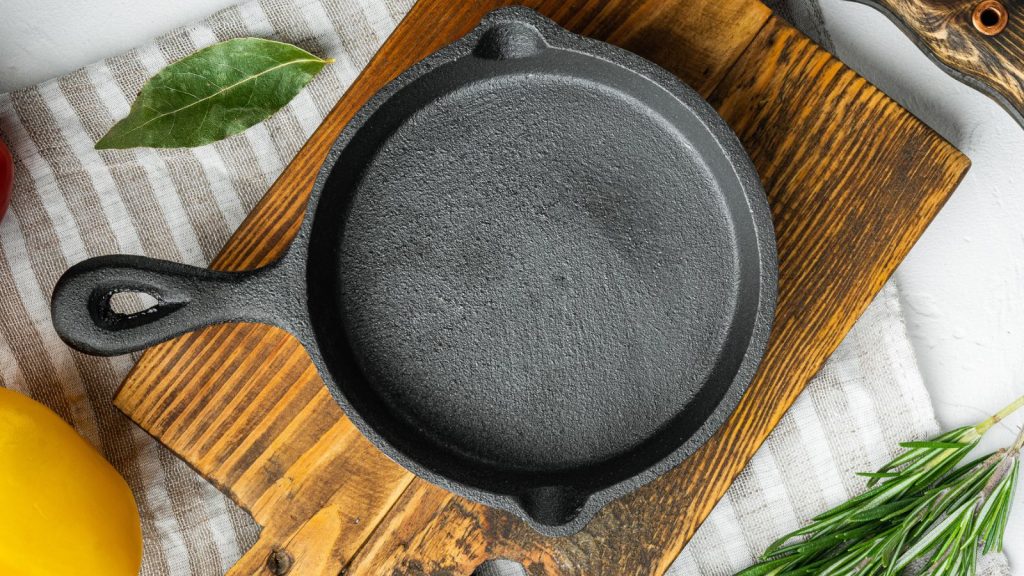
Cast iron cookware is an absolute must-have. A deep-dish
Related: Rusted Cast Iron Skillet? Here’s The Secret To Restoring It
Hand-Crank Blender
While a blender may not be a necessity, it is nice to have one on hand. Even without power, you might need to whip up applesauce or fruit to make a smoothie. The hand-crank blenders are vintage, but some manufacturers still make them if you don’t want to rely on a hundred-year-old tool.
Butter Churn or Mason Jar Method

It’s pretty easy to churn your own butter. And yes, it tastes better than store-bought. You can buy an antique churner. If you don’t want to use the churning method, a
Mortar and Pestle

A mortar and pestle is a simple but essential tool. It’s perfect for grinding herbs, spices, and nuts you’ve gathered from the wild. It’s also helpful in preparing medicinal plants—whether you’re making teas, powders, or poultices—without needing electricity.
Solar Oven

You can purchase a solar oven or create your own using a box and foil. If you happen to have an old single-pane window lying around, it makes an excellent ‘lid’ for your oven. Research some plans for solar ovens and give them a try.
Dutch Oven

Another absolute must in any homesteading kitchen is the Dutch oven. You can use the cast iron pot to slow-cook stews or reheat leftovers over a campfire or wood stove. They come in various sizes, and having more than one helps bake bread in the morning and cook a hearty stew by evening, all without the need for electricity.
Cheesecloth and Strainer Set

Cheesecloth is a must-have for making cheese, straining yogurt, and dairy products. It keeps things tidy and saves the bulk of your product from going down the sink.
Non-Electric Dehydrator

You don’t need fancy equipment to preserve your garden harvest. Drying fruits, vegetables, and herbs the old-fashioned way is simple, effective, and doesn’t require electricity. You can build your own or buy a non-electric dehydrator.
Manual Can Opener

A manual can opener is a no-brainer for any off-grid or emergency kitchen. But don’t stop at just one—keep several on hand and ensure they’re of high quality. If you can’t open your canned food, it won’t matter how much you’ve stored.
Handheld Sifter or Flour Sieve

A Flour Sifter helps create light, fluffy baked goods by separating out coarser bits and aerating the flour. It’s also useful for breaking up clumps in older dry ingredients, giving you a smoother, more consistent mix every time.
How to Make Tomato Sauce in an Instant Pot

Making tomato sauce is really easy. And it doesn’t require much effort or supervision.
22 Homestead Kitchen Must-Haves for a Self-Reliant Kitchen

Given the central role of the kitchen in our daily routines, it’s essential to have reliable tools that can withstand the demands of everyday use. These tools save us time and money by avoiding frequent replacements and spare us the inconvenience of sudden breakdowns.