Holes in your yard might seem like a small nuisance. Not all holes come with telltale mounds of dirt, which makes it harder to figure out who—or what—is behind the damage.
Before you jump into fixing the problem, it’s important to know exactly what kind of critter you’re dealing with. Different animals leave different clues, and identifying them is key to finding the right solution.
Groundhogs
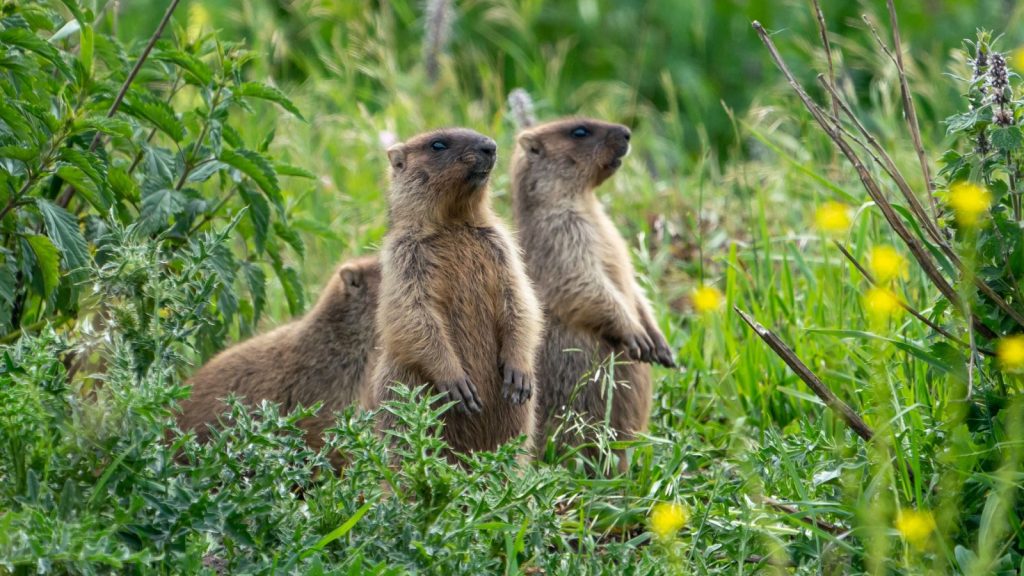
Groundhogs, or woodchucks, dig large, wide entrance holes—up to 12 inches across—leading to complex tunnel systems. You’ll often spot a mound of dirt at the main entrance near structures or trees, but secondary holes in open areas might just look like big, clean holes with no pile of soil.
Remove brush piles and tall grass near fences and buildings to reduce the appeal of your yard. Fencing and heavy rock barriers can also help keep groundhogs out.
Chipmunks

Chipmunks dig tidy, round holes about 2 inches wide, leading to underground burrows for storing food and avoiding predators. They’re clever about hiding the evidence—carrying away the displaced dirt in their cheeks so there’s no mound left behind.
To discourage chipmunks, remove food sources like fallen seeds and berries. You can also protect certain areas with physical barriers and repellents.
Voles
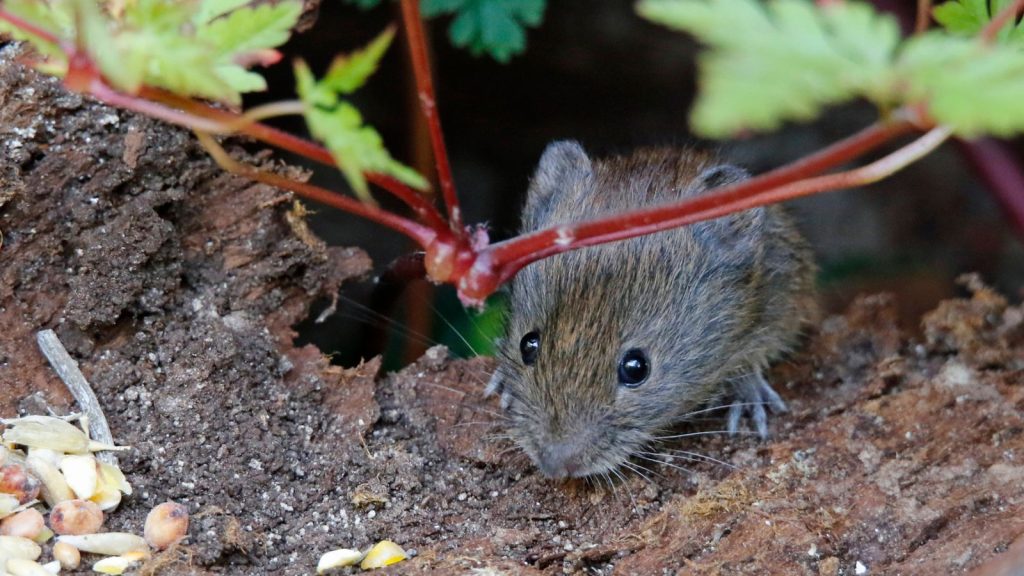
Voles are small rodents that leave behind shallow, golf ball–sized holes in your lawn, typically about 1 to 1½ inches wide and oval. Unlike moles, they don’t leave soil mounds at the entrance. Instead, they carve out narrow surface runways that flatten and mat the grass as they hunt for roots, stems, and bulbs.
To deter voles, keep your lawn neatly mowed and trim back overgrown vegetation—they love the cover of tall grass. A fine mesh barrier around garden beds can also help keep them at bay.
Rats

Norway rats are notorious for burrowing. Their holes measure 2 to 4 inches in diameter and lead into smooth, well-packed tunnels. Look for signs like droppings, chewed plants, or greasy streaks near the hole.
Cleaning up yard debris and sealing potential food sources is key. To prevent nesting, use barriers around garden beds and consider pest control methods.
Armadillos
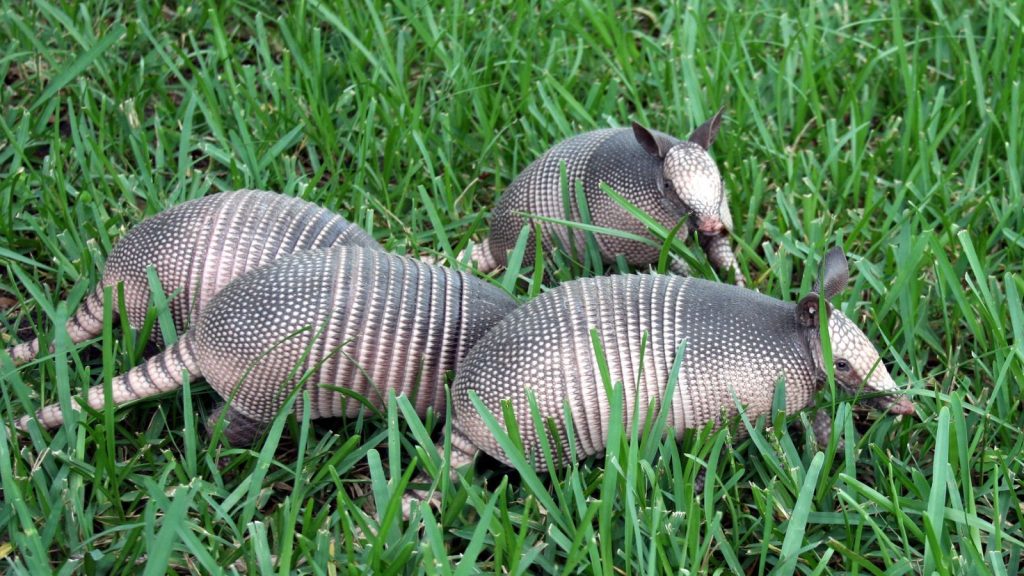
Armadillos dig broad, shallow holes while foraging for grubs and insects. Their divots can be up to 5 inches deep and leave round patches of upturned soil or grass. They prefer moist soil where insect activity is high.
To stop them from digging, reduce insect populations in your yard and consider fencing or applying repellents in affected areas.
Skunks
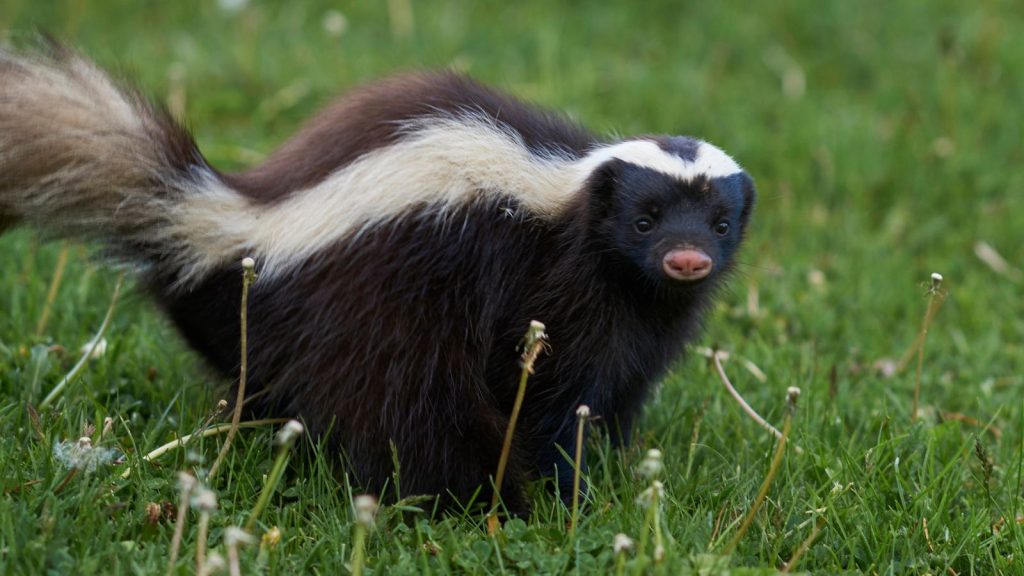
Skunks are nighttime diggers, leaving behind clusters of small, shallow holes—typically 1 to 3 inches wide—while hunting for grubs and insects. No mound or tunnel, but their foraging leaves your lawn looking pockmarked.
You may even catch a whiff of their musky scent if they’ve been active nearby. Keep them away by treating your lawn for grubs and installing motion-activated lights to scare them off.
Rabbits

Rabbits sometimes dig shallow depressions in grassy spots to hide their nests. These nests are often covered with dead grass, leaves, and even tufts of fur. From above, it may look like nothing more than a patch of dry grass—until you gently move it aside and see the nesting materials inside.
If rabbits are frequent visitors, reduce hiding spots by mowing and clearing vegetation. A low garden fence can also help, but if you find a nest, let it be—the young will soon leave on their own.
Yellow Jackets

Yellow jackets often take over abandoned holes in the ground to build their nests, especially in dry, loose soil. These underground homes can grow larger over time as the colony expands. A telltale sign? A steady stream of yellow jackets flies in and out, especially on warm days.
Don’t block off their entry point—yellow jackets can get aggressive when disturbed. It’s best to call in a pest control expert for large or hard-to-reach nests.
Ground-Nesting Bees

Some bees, including bumblebees, sweat bees, and cellophane bees, prefer nesting right in the soil. They dig small entrance holes—often less than ½ inch wide—especially in dry, sandy patches. Depending on the species, some bees are solitary, while others live in small colonies.
These pollinators are beneficial and generally non-aggressive, so it’s best to leave them alone. If necessary, keeping the soil moist can help discourage burrowing.
Cicada Killers

Cicada killers are large wasps that dig small holes—about ¼ to ½ inch wide—as part of their life cycle. These holes are usually clustered and often accompanied by leftover cicada shells during late spring and summer.
They’re mostly harmless and the holes are temporary, but if you want to prevent future activity, lightly tilling or aerating the soil can help.
Earthworms and Worm Casts
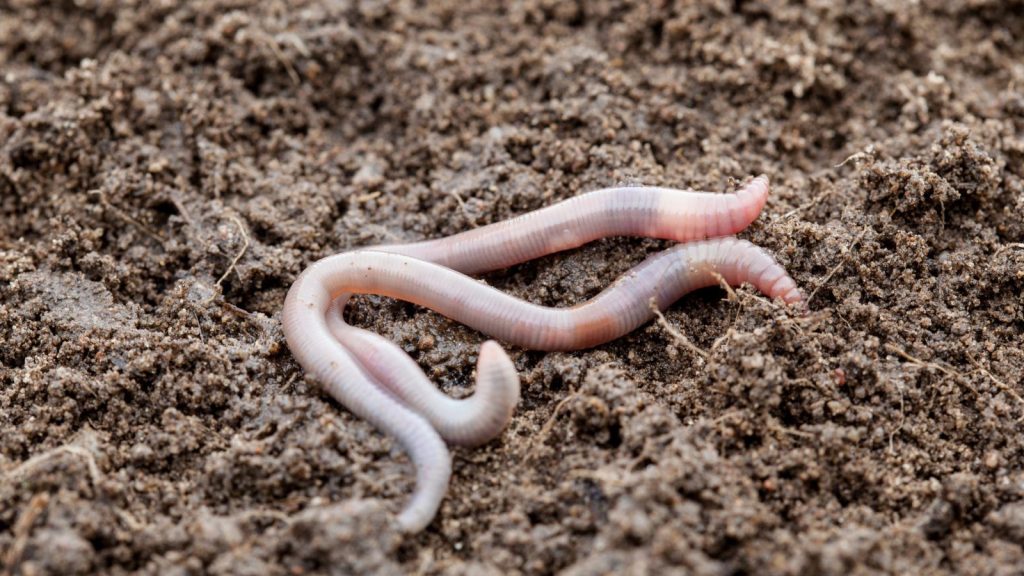
Earthworms are a sign of healthy soil, and their activity leaves behind tiny holes along with small mounds of castings. These nutrient-rich byproducts are natural and beneficial, though they may be more noticeable in wet conditions.
If the appearance bothers you, regular mowing and gentle raking will help minimize the visible mounds.
Crayfish

Crayfish often burrow in damp or poorly drained areas near water features, creating small holes that become noticeable after rain. These burrows help them access underground water and offer protection.
To reduce crayfish activity, improve drainage in the area, and consider removing nearby water sources that attract them.