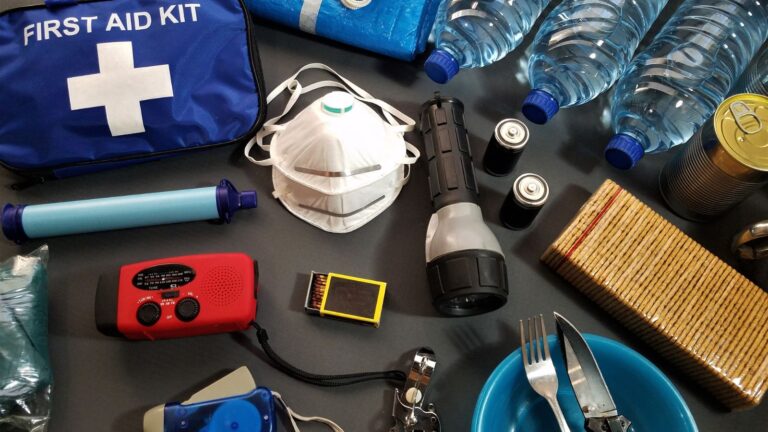

Stocking up on food is a smart move, whether you’re preparing for a natural disaster or just a stretch of bad weather. But building a stockpile isn’t as simple as buying food and stacking it on a shelf. If you don’t stay on top of it, you’ll end up with expired items, wasted money, and a lot of frustration.
To make your stockpile last, it needs regular attention. When managed properly, your food supply can stay fresh and usable for years. Here’s the system I use to rotate Food and store a Stockpile That Lasts.
Use the FIFO Rule

First in, first out is the golden rule of food storage. Every time you add new items to your stockpile, place them behind the older ones. This way, the older food gets used first before it has a chance to expire. And this isn’t just for canned goods, it applies to everything you store, from dry goods to frozen items.
Label Everything
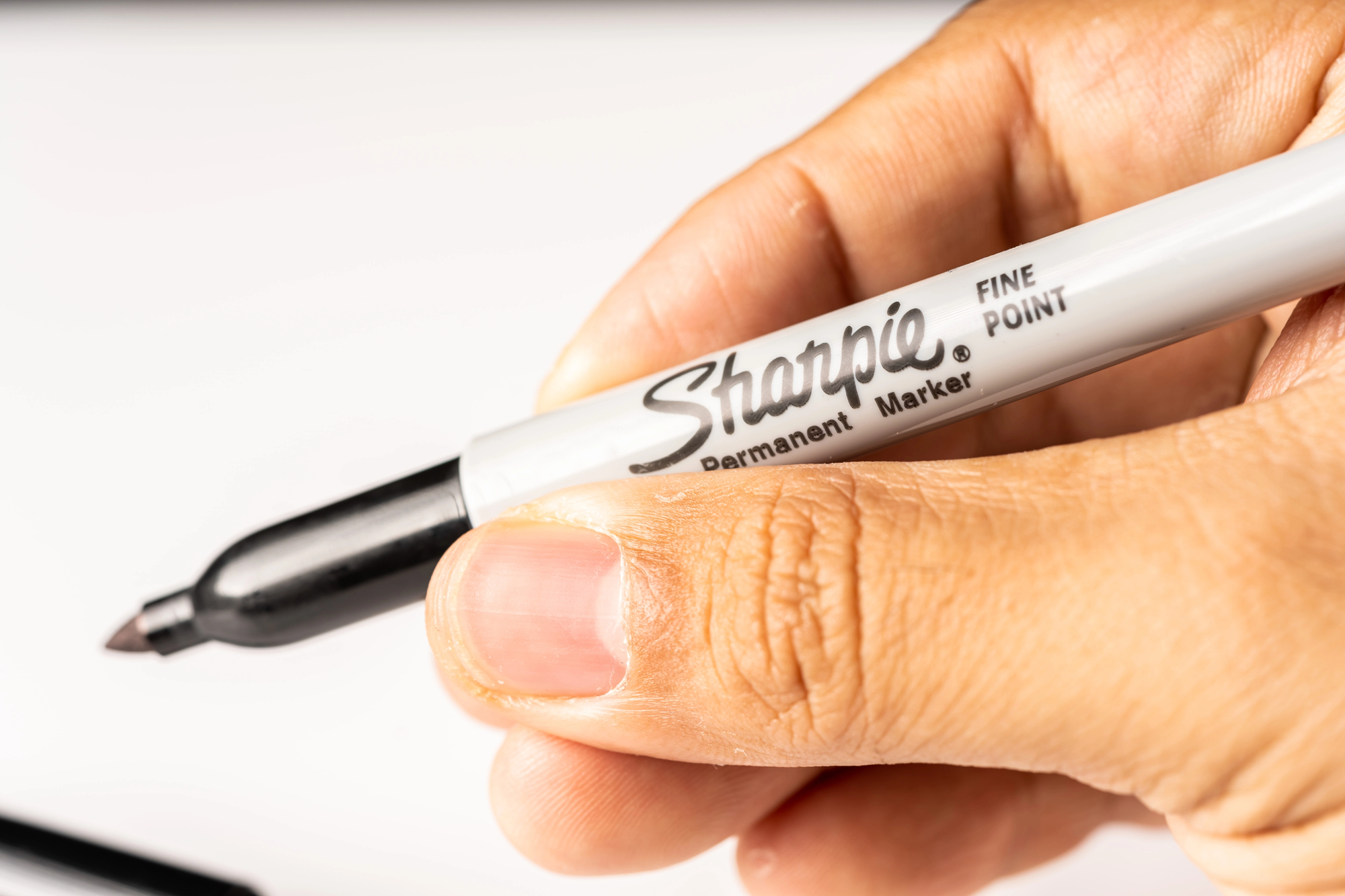
Use a permanent marker to label everything clearly so it doesn’t rub off over time. Write big, bold dates on both the top and front of each item. Those small printed expiration dates can be challenging to read or easily overlooked. Don’t stop at just the date—also label what’s inside, especially when it comes to buckets or Mylar bags. A clear label now saves confusion later.
Keep an Inventory List

Keep an inventory list on a clipboard or in a plastic protector. Try hanging it on a shelf near your stockpile. You can find printable templates online if that helps you stay organized. A running list helps you avoid ending up with 20 cans of corn and only one can of beans. Just make sure to update it every time you add or use something.
Group Similar Items Together

Group similar items together to make it easy for you to find. If you have a single shelving unit, assign one shelf for canned veggies and another for pasta. If you have several shelving units, designate one for canned food and another for dried goods.
Use a Color Code System

Use a color-coded system to indicate expiration timeframes. A red sticker on a few cans of tomato sauce indicates that they need to be used immediately. Yellow would mean the food needed to be used soon. Green means you’ve got some time. You’ll want to update your stickers at least once a month.
Create a Weekly “Pantry Meal” Plan

Create a meal plan that uses food from your pantry at least once a week. This keeps the food on the shelves fresh, and it’s good practice for you to learn how to make meals from your pantry items. Challenge yourself to use only pantry items.
Build Shelves That Roll Cans Forward

Build shelves that roll cans forward automatically to make food rotation easier with slanted shelves. Can organizers are super helpful, but they can get pricey if you’re building a large stockpile. Just load cans from the back and grab from the front—gravity will do the work, rolling older cans forward, just like at the grocery store. It’s a simple DIY solution that keeps rotation easy and efficient.
Store in Cool, Dark, Dry Places

Store your food in cool, dark places. Heat and humidity are the mortal enemies of long shelf life. Freezing temperatures are also a problem. If you don’t have a dedicated temperature-controlled space, you may need to relocate your stockpile during the summer and then return it in the winter.
Keep a “Use This Soon” Bin

Designate a shelf or bin where red-sticker items are stored. Anything close to expiring goes here, which helps to save time. When you do your monthly stockpile inspection, add the red-sticker items to the bin and carry them into the kitchen for easy access.
Avoid Hoarding One Type of Item

Don’t go all-in on one item. Balance variety with practicality. Food fatigue is a real thing and your diet will need variety.
Vacuum Seal and Freeze-Dry Long-Term Foods

Invest in a foodsaver. Mylar bags and oxygen absorbers are also a necessity. These items will extend your shelf lives for years or more. If you can afford it, consider investing in a freeze dryer to freeze-dry your own food. It’s an upfront investment, but it can save you a significant amount of money in the long run.
Log What You Actually Use

Keep a log to track how fast you go through staples like rice, pasta, oats, or ketchup. This helps fine-tune your restocking schedule. There is a whole formula for determining how much food you need for a year. Knowing how much you use in a typical month is one way to give you an accurate number.
Inspect Your Stockpile Monthly

You must inspect your stockpile at least once a month. Look for rusted cans, broken seals, or leaking jars. You’re also looking for signs of pest infestation.
Get the Family Involved

Get the whole family involved in your prepping journey. Everyone in the family should be familiar with using the inventory sheets. Kids can sort cans, rotate shelves, and do the standard inspections. Everyone should also be familiar with how to use the pantry items.
Don’t Stock What You Don’t Eat

Don’t stock up on food your family won’t eat. Sure, in extreme situations, people might eat just about anything—but the goal of stockpiling is to avoid reaching that point. Storing food no one likes leads to waste: wasted food, wasted money, and wasted shelf space. Focus on stocking items your family actually enjoys and will use. It’s a smarter, more practical use of your resources.
24 Foods to Stockpile Now with a Shelf Life of Up to 20 Years

Here are 24 essential foods with impressive shelf lives, perfect for building a stockpile you can count on for years.
24 Foods to Stockpile Now with a Shelf Life of Up to 20 Years
How to Start an Emergency Stockpile When You Can Barely Afford Groceries
Creating an emergency stockpile on a tight budget is challenging but achievable. By prioritizing essentials, setting a budget, starting small, and using available resources wisely, you can gradually build a stockpile that provides security and peace of mind.
How to Start an Emergency Stockpile When You Can Barely Afford Groceries
15 Frugal Ways to Build a Food Stockpile on Just $10 a Week

Prepping is about smart planning, not panic buying, and with patience and consistency, you’ll have a solid supply before you know it. Here are some frugal tips to help build your stockpile on just $10 a week.