Storing food properly is essential for long-term preparedness, but small mistakes can lead to spoilage, contamination, or even pest infestations that ruin your supply. Many people assume that simply stocking up on canned goods or dry staples is enough, but without the right storage methods, your food might not last as long as you expect.
Before you start building your food storage, take the time to learn what works—and what doesn’t. Investing in the right storage solutions now can save you from wasted food and costly mistakes down the road.
Here are 15 common food storage mistakes to avoid to ensure your supplies stay fresh and ready when you need them.
1. Storing Canned Goods for Too Long

Canned foods have long shelf lives but can degrade over time. Store them in a cool, dry place and use them before their expiration dates.
2. Not Labeling Stored Foods

Without clear labels and dates, it’s easy to lose track of when food was stored or even what’s inside certain containers. This is especially true for items sealed in Mylar bags, where the contents aren’t visible.
Taking a few extra seconds to write down the name and date on your storage containers can prevent confusion, help you rotate your stock efficiently, and ensure you use food before it expires.
3. Keeping Dry Goods in Original Packaging

Leaving pantry staples like flour, rice, and pasta in their original packaging can shorten their shelf life and make them vulnerable to pests. Most store packaging isn’t airtight or moisture-resistant, which can lead to spoilage over time.
Transferring dry goods into sealed, airtight containers provides better protection against pests, humidity, and contamination, ensuring your food stays fresh for the long haul.
4. Moisture

Your food storage should be nice and dry with little to no humidity if you can help it. Use dehumidifiers if you live in a humid area.
5. Sunlight
Direct sunlight can degrade food quality, even if the temperature is within a safe range. Prolonged exposure can cause oils to go rancid, spices to lose their potency, and other stored foods to break down faster.
Keeping your food storage in a cool, dark place helps preserve freshness and extends shelf life, protecting your supplies from unnecessary spoilage.
6. Poor Shelving

Sturdy shelving is essential for safe and efficient food storage. Keep your supplies at least six inches off the ground to protect them from moisture and pests. Choose shelves that can handle the weight of your food—solid, reinforced shelving is best to prevent collapses.
While wire racks provide good air circulation, they may not be strong enough to support heavier loads. Investing in a reliable storage system, such as large can racks, helps keep everything organized and easily accessible
7. Pest Control
Before you store anything, give your space a thorough inspection and look for signs of ants, mice, or roaches. Use a bug bomb, seal up any cracks, and use repellants to keep the pests away.
8. Wrong Temperatures

Temperature plays a major role in the longevity of food storage. Aim to keep dry food storage areas between 50 and 70 degrees Fahrenheit for the best results.
Freezing temperatures can degrade certain foods, while anything above 70 degrees increases the risk of bacterial growth and spoilage. Keeping your food in a stable, cool environment will help ensure it lasts as long as possible.
9. Leaving Dry Foods Unsealed

Leaving cereal, crackers, or nuts unsealed can lead to staleness and pest infestations. Always reseal or transfer them to airtight containers.
10. Cheap Plastic Containers

Inexpensive plastic containers might seem like a convenient storage option, but they aren’t ideal for long-term food preservation. Many of these containers can leach chemicals into food, especially when heated or exposed to fluctuating temperatures.
They’re also prone to cracking, breaking down over time, and failing to keep out air and moisture. Opt for high-quality, food-grade, airtight containers to keep your supplies fresh and safe.
11. Not Rotating Stock
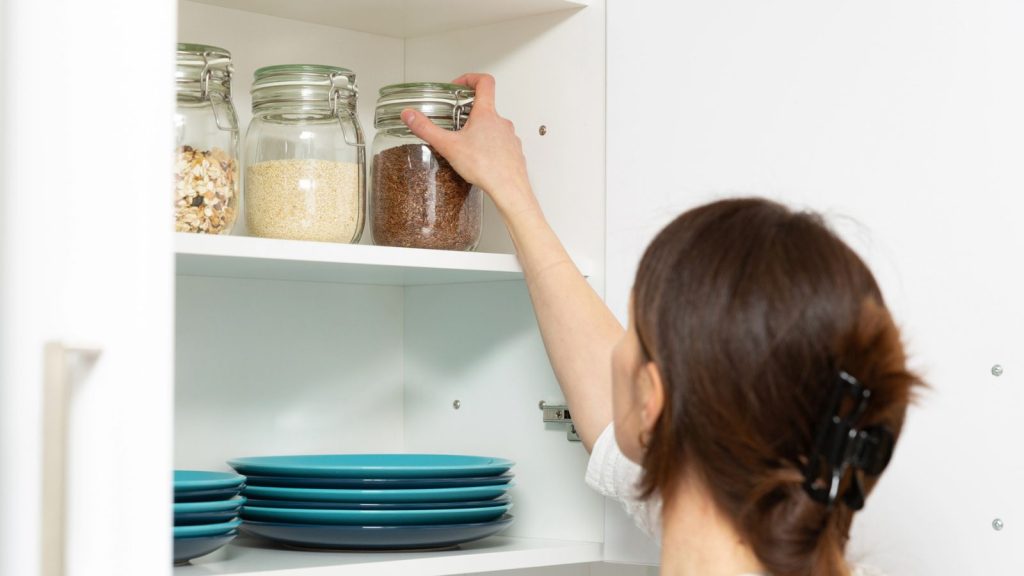
Using newer items first while older ones sit in the back leads to waste. Rotate stock to ensure older products get used before they expire.
12. Ignoring the Stockpile
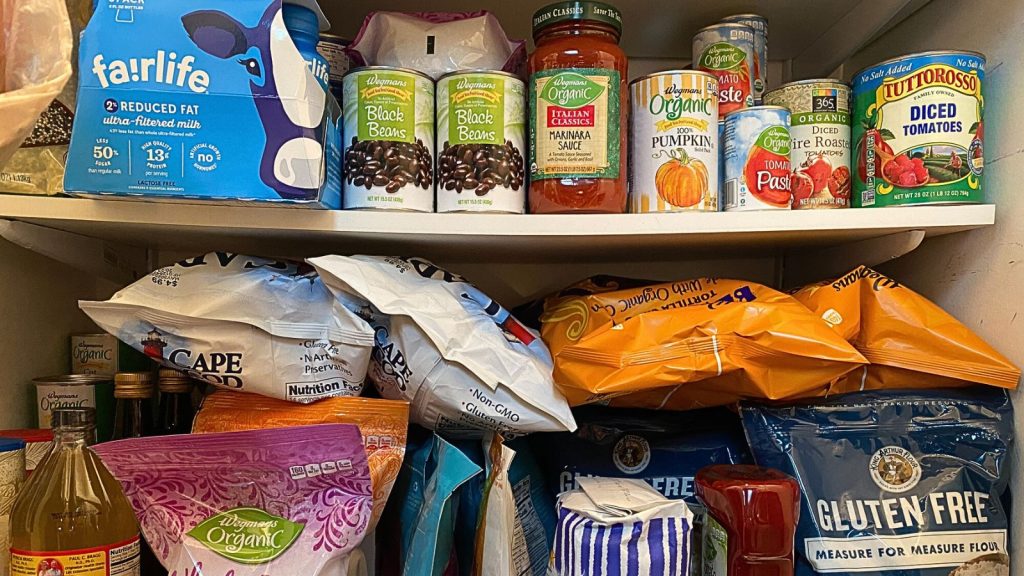
A food stockpile isn’t something you can set and forget. Checking your supplies at least once a month is crucial to catch any signs of pests, spoilage, or water damage before they ruin your stored food.
This is especially important if your storage area is in a basement, where moisture levels can fluctuate. Regular inspections help you stay ahead of potential issues and ensure your food remains safe and usable when you need it most.
13. Using Glass Containers

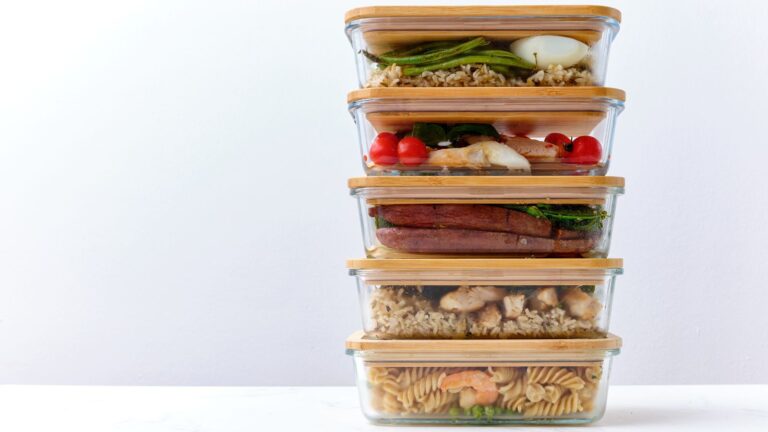
Glass containers are great for food storage, but if the lids don’t seal properly, food can go stale or absorb odors from the fridge. You’ll also want to make sure your glass containers are on a sturdy shelf. Put a thin strip of wood or a metal bar in front of the shelf with glass jars to prevent them from falling and shattering.
14. Not Keeping Track of Inventory

Without tracking what’s stored, food can be forgotten, leading to waste. Keep a simple list on your phone or on a clipboard in the storeroom to track your items.
15. Storing Items Directly on Cement Floors

Placing food or water storage directly on a cement floor is a common mistake that can lead to contamination and spoilage.
Cement can leach chemicals and absorb moisture, creating an environment that can damage packaging and shorten shelf life. To protect your supplies, always use shelving or place a pallet underneath heavy items to keep them off the ground and ensure proper air circulation.