
Just like groceries, many everyday products around your home have a quiet expiration date. We tend to stock up on these items, thinking they’ll last forever—but that’s not always the case. Whether it’s a bottle of sunscreen in your bathroom cabinet or an old box of baking soda in the fridge, some staples just don’t age as gracefully as we’d like.
Using expired items might mean they’re less effective—or in some cases, even harmful. Here are some common household products with shorter shelf lives than you’d expect.
Sunscreen That’s Past Its Prime

Sunscreen is essential for skin protection, but it doesn’t stay effective forever. Most bottles are good for about three years before they begin to lose their ability to block UV rays. Always check the expiration date—especially before spending time in the sun.
Old Spices

Spices don’t spoil the way milk or meat does, but they do lose their kick. Ground spices generally last 2–3 years, while whole spices can stretch a bit longer. If your spice rack hasn’t changed since you moved in, it might be time to refresh those jars.
Makeup That’s Been Hanging Around Too Long

Old makeup doesn’t just lose effectiveness—it can also irritate your skin or cause infections. Mascara should be tossed after three months, lipstick lasts about two years, and powders are usually safe for around 18 months. If something smells off or has changed in texture, it’s best to toss it.
Cleaning Products That Have Lost Their Punch

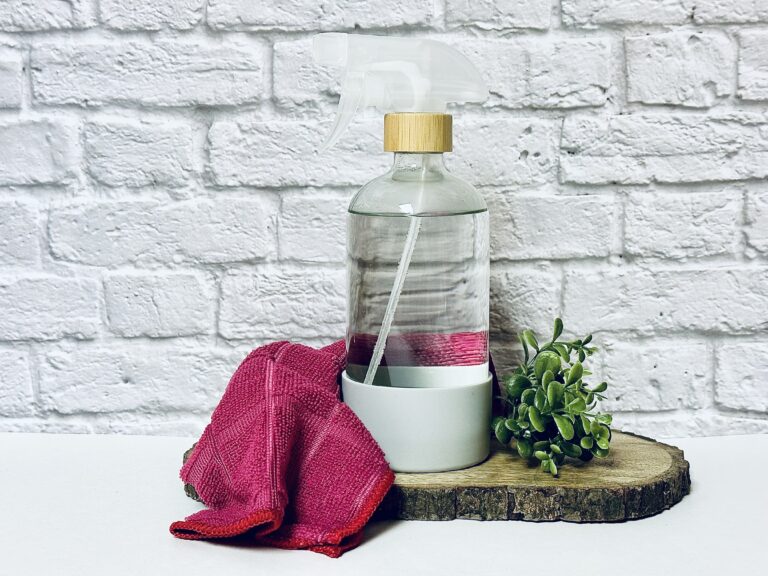
Believe it or not, cleaners like bleach begin to break down after about six months. Even if it still smells strong, it might not be doing its job. If that all-purpose spray isn’t working like it used to, it may have reached the end of the line.
Toothpaste That’s Past Its Best

Yes, even toothpaste expires. Fluoride—the ingredient that helps prevent cavities—starts to lose effectiveness after two years. So if that tube has been sitting in your drawer for a while, you might not be getting the dental protection you think you are.
Fire Extinguishers You Can’t Rely On

It’s one of those items you hope you never need—but when you do, it has to work. Most fire extinguishers have an expiration date of 10–12 years. If yours is older, or the pressure gauge isn’t in the green, it’s time to replace it.
Expired Medications Lurking in the Cabinet

Old pills don’t just lose potency—they can become unsafe. Always check the expiration date on prescription and over-the-counter meds, and dispose of anything that’s out of date properly. When in doubt, don’t take the risk.
Baking Soda That’s Lost Its Lift
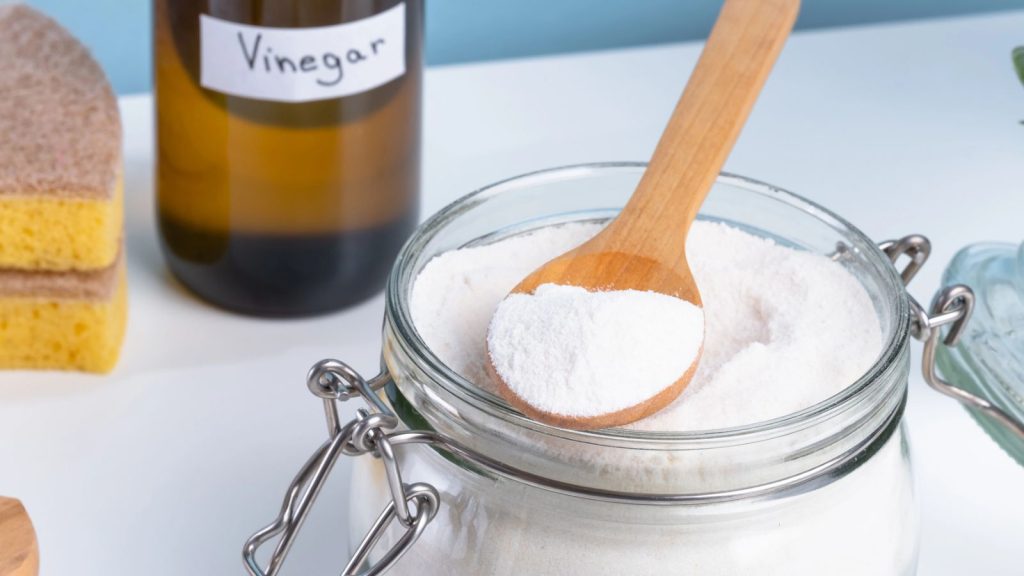
Baking soda doesn’t “go bad,” but it does lose its leavening power, especially if exposed to moisture. For baking, aim to replace it every 6 to 12 months. If you’re just using it for cleaning or deodorizing, you can stretch it a bit longer.
Batteries That Might Be Leaking

Batteries come with expiration dates, too. As they age, they can corrode, leak, or damage electronics. Most
Dish Soap That’s Lost Its Suds

Liquid dish detergent can start to break down after about a year, making it less effective at cutting grease and cleaning grime. If your dishes aren’t getting as clean as they should be, it may be time to open a fresh bottle.
Bug Spray That No Longer Works

Most insect repellents are effective for about two years. After that, the active ingredients degrade and won’t repel bugs as well. Before your next outdoor adventure, check the label—especially if the bottle’s been sitting in storage for a while.
Motor Oil That’s Out of Date

Even unopened, motor oil isn’t meant to last forever. Typically, it’s good for up to five years, but after that, the additives begin to break down and it won’t protect your engine as effectively. Always check the date before topping off your vehicle.
Hair Products That Have Gone Funky

Shampoos, conditioners, and styling products can lose their effectiveness or spoil after about a year. If your hair products have a strange smell or have separated, it’s a good idea to replace them.
Bandages That Don’t Stick Anymore

Adhesive bandages do expire! Over time, the sticky part can dry out, and the pad may no longer be sterile. Most are good for 3–5 years—after that, they’re better off in the trash than in your
Water Filters That Stop Doing Their Job
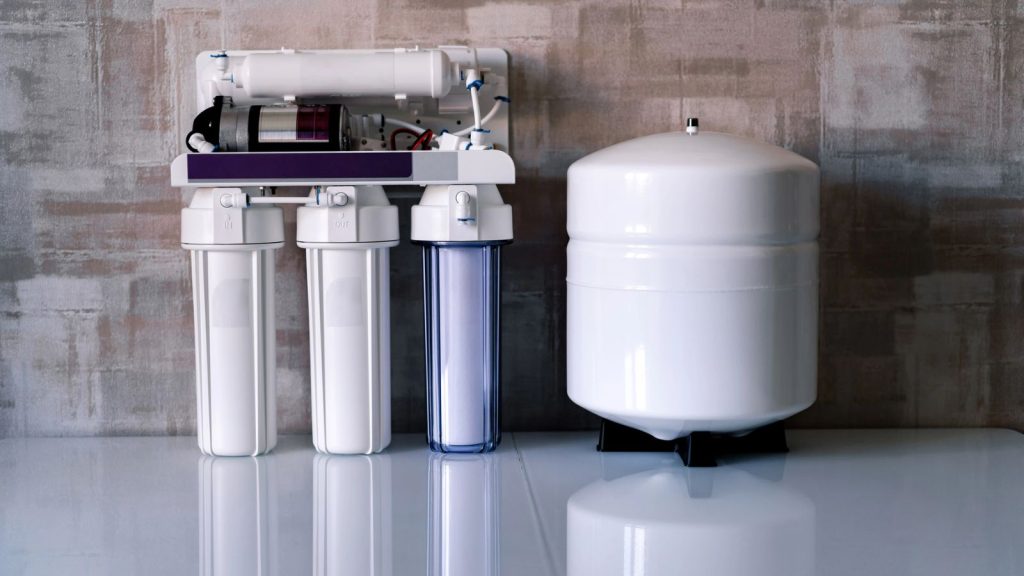
Water filters work hard to keep your water clean, but they wear out over time. Most need replacing every 2–6 months, depending on usage and brand. If yours has been in place for longer, it may not be filtering anything at all.
Are Sprouted Potatoes Safe to Eat? Here’s What You Should Know

Potatoes naturally sprout as part of their life cycle, especially when exposed to warmth, light, or moisture. While sprouting doesn’t always mean they need to be tossed, there are some key factors to consider before cooking with them.
Are Sprouted Potatoes Safe to Eat? Here’s What You Should Know
12 Clever Ways to Use Up Leftover Orange Peels

The next time you peel an orange, think twice before tossing the peel. While many people see the peel just as something to throw away, it can actually be useful for things like skincare, cleaning, and cooking- proving that the outer layer of this popular fruit is as beneficial as its nutritious interior.