

If you’re in the market to buy a new home or possibly move, you might want to consider what the future looks like in the home you move to. When societal collapse, natural disasters, or other large-scale emergencies happen, or what the prepping world lovingly refers to as SHTF, where you are in the moment matters.
Choosing a safe place to live becomes a critical choice. Sometimes, you don’t have a choice, but if you do and can afford it, you should think long-term.
So where? Where is the best place to be when things go down? There is no one perfect answer, but if you can nail down a few of these options, you can make the rest work.
1. Rural Areas

Rural locations far from busy city centers provide privacy, security, and access to natural resources. Farms, water and plenty of land to hunt are also options.
2. Small Towns
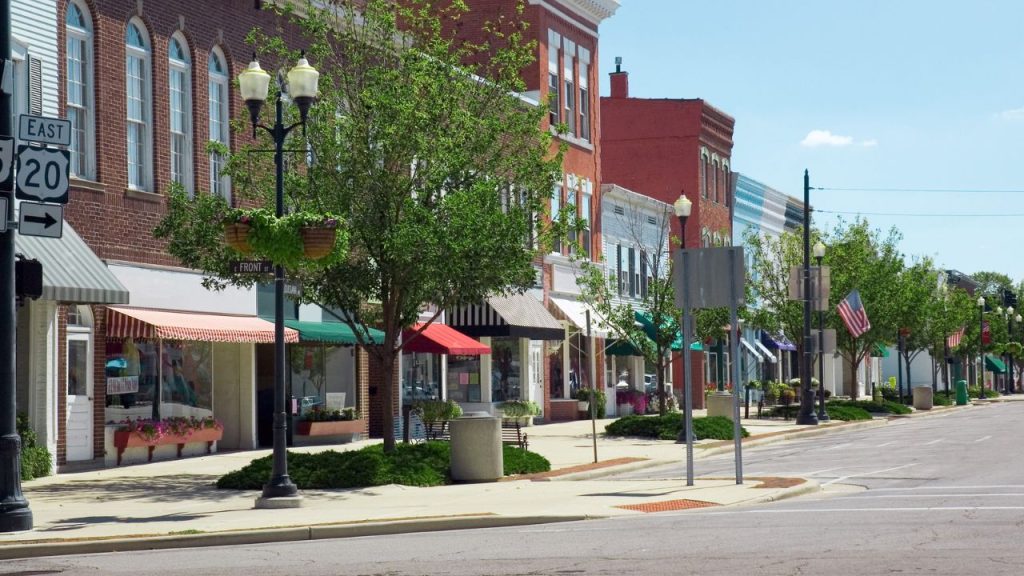
Smaller communities often have tight-knit support systems and are less likely to experience large-scale unrest. Everyone knows everyone and there is a bond. People tend to want to help out their neighbors.
3. Mountain Regions

Mountainous areas provide natural protection, abundant wildlife, and freshwater sources. And they are generally far from the city.
4. Remote Islands
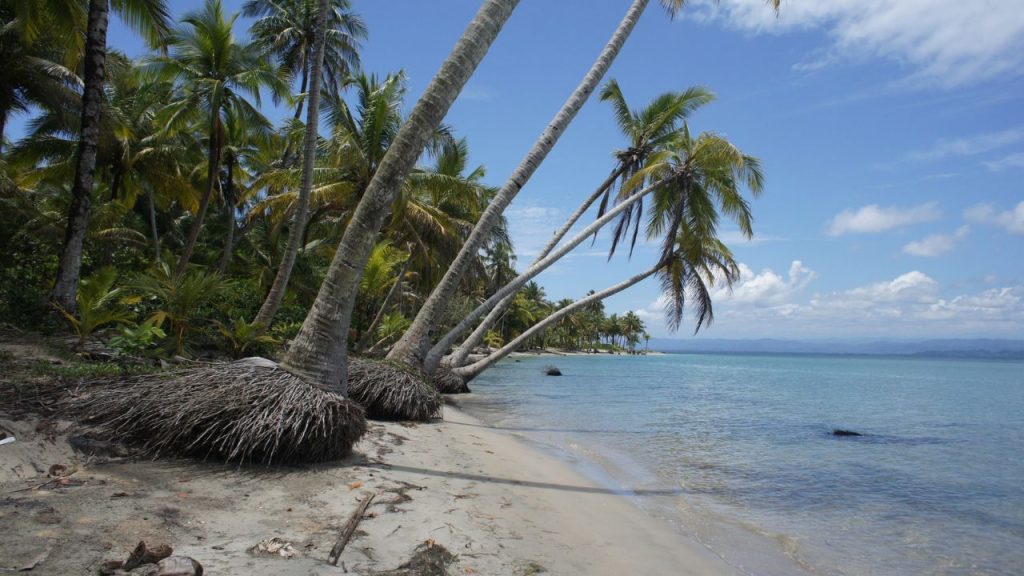
Islands with self-sustaining resources can be a haven during widespread crises, offering isolation and food supply.
5. Off-Grid Cabins
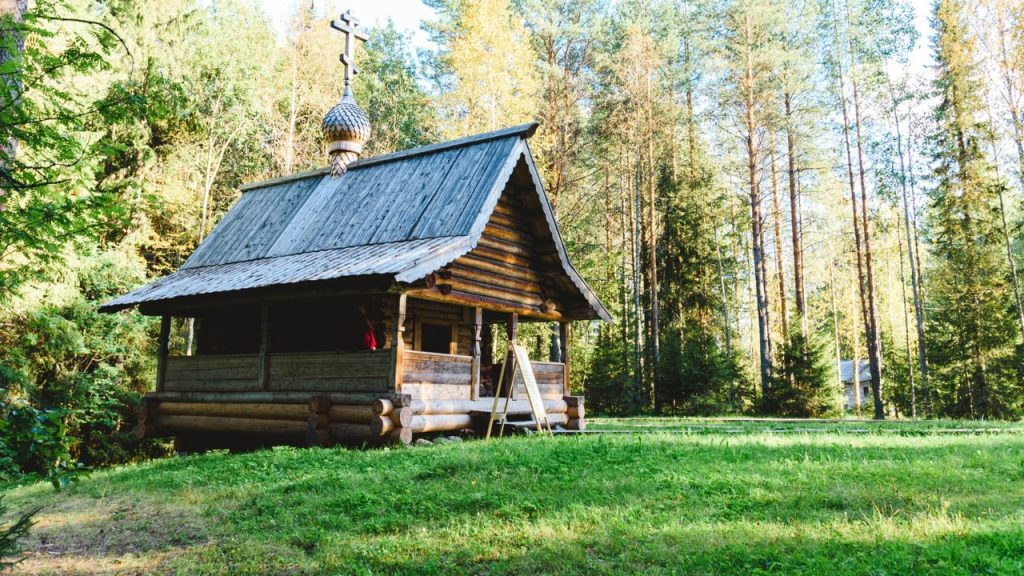
Living in a secluded cabin with its own energy and water supply is one way to have independence and safety.
6. National Parks or Forest Areas

Remote parts of national parks or forests can serve as temporary shelters, but make sure you have survival skills.
7. Farms
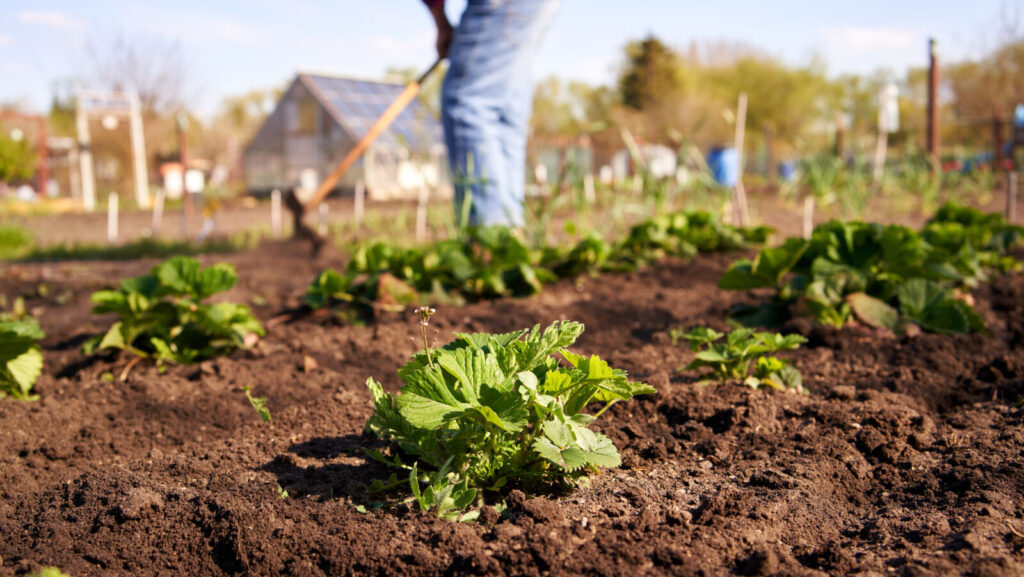
Farming areas offer access to food production, water, and resources for self-sufficiency.
8. Areas with Low Population Density

Regions with fewer people are less likely to experience chaos or depletion of resources. Fewer people fighting for limited resources is the key.
9. Cold Climates

Cold climates deter large populations and can act as a barrier to disease spread but require preparation for harsh weather. You need to have a different set of skills to survive in the cold.
10. High Altitude Locations
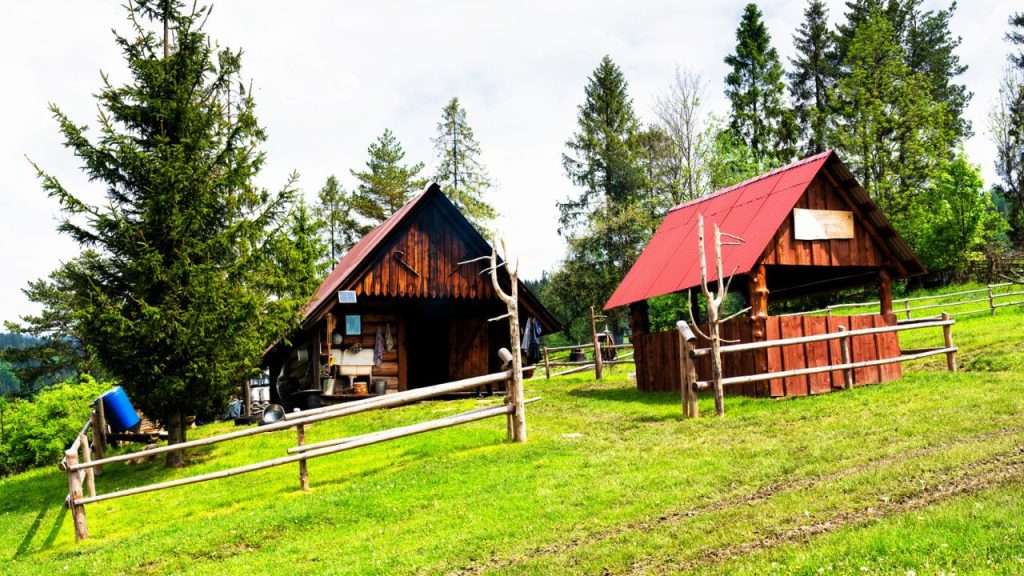
These areas are often safer from flooding, tsunamis, and some types of severe weather. And few people want to make the journey up a mountain.
11. Underground Shelters
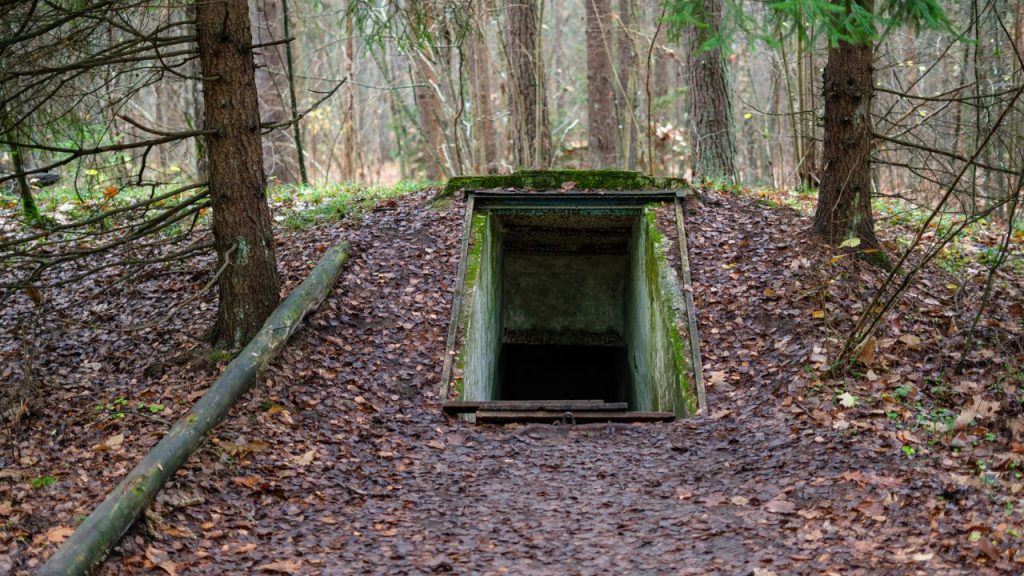
Bunkers and underground shelters provide protection from both natural and man-made threats for short-term. This is great but not a long-term solution.
12. Close to Freshwater Sources
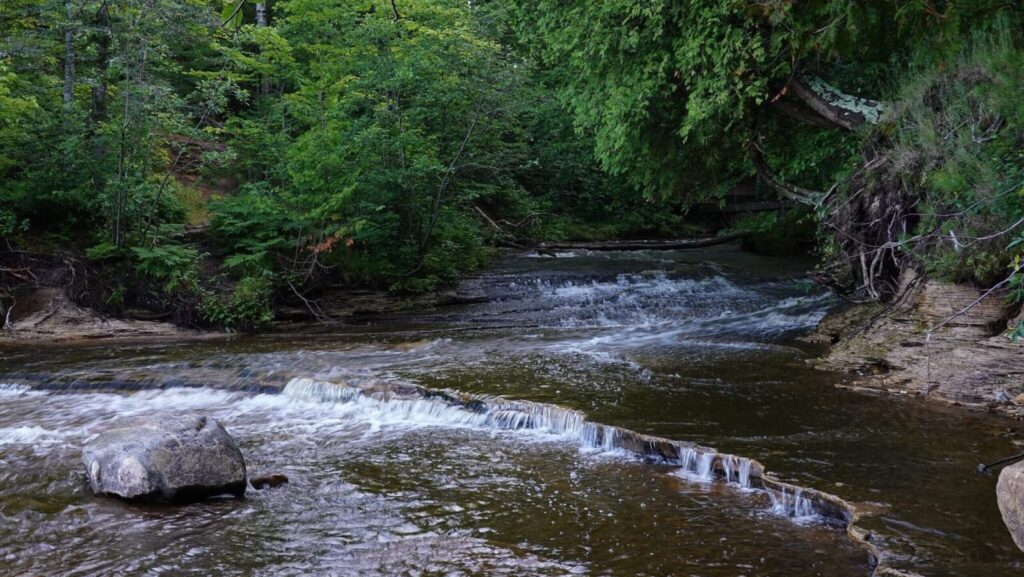
Living near lakes, rivers, or springs ensures access to a critical resource for survival. If you have water, you can grow crops and raise animals.
13. Homesteads
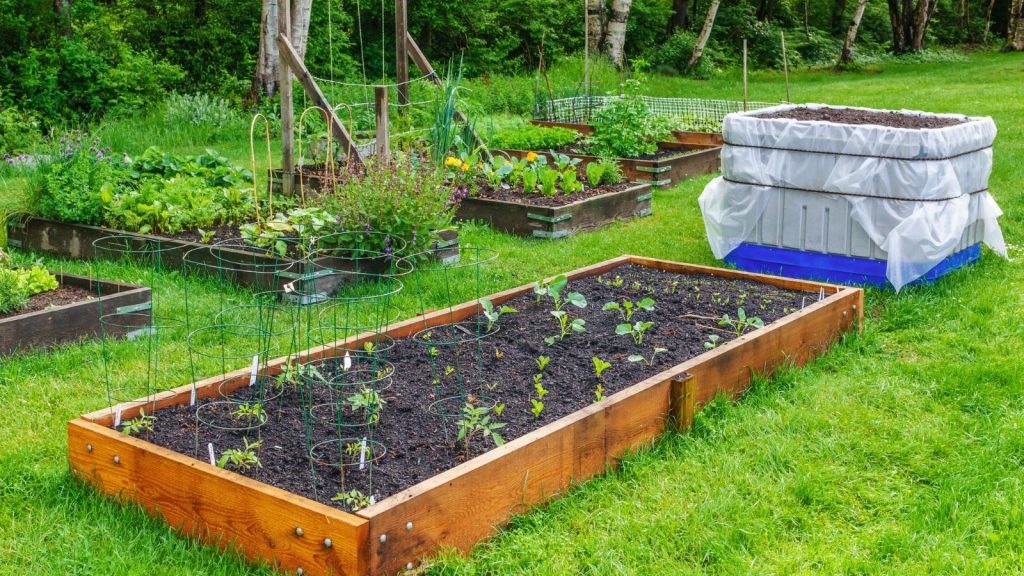
A self-sufficient homestead equipped with renewable energy sources and a garden can sustain you long-term.
14. Deserted Islands
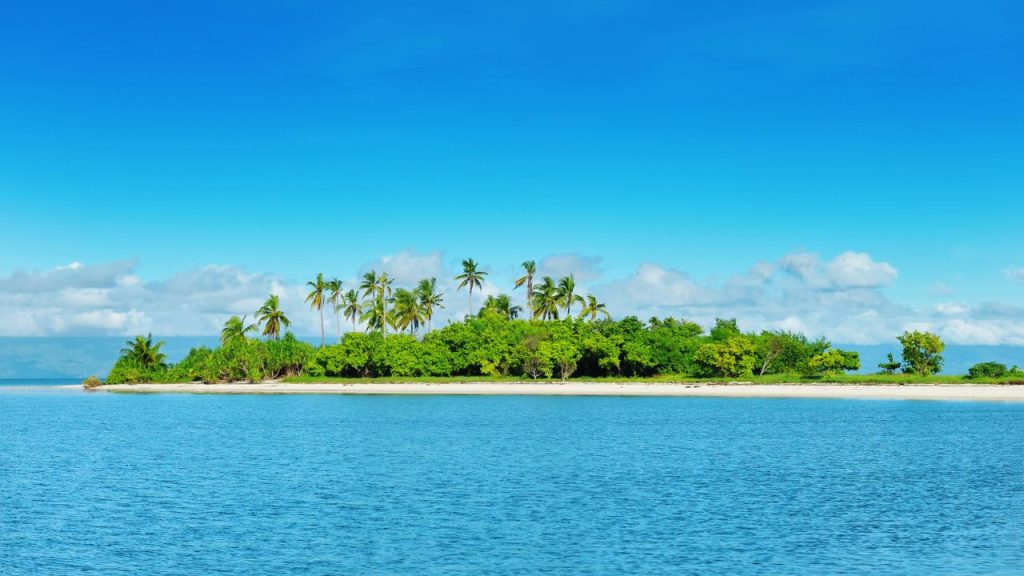
While more challenging to access, a deserted island can provide ultimate isolation and security if properly prepared. The Pacific ocean is your best bet to avoid hurricanes.
15. Well-Defended Communities

Some preppers choose to live in communities designed specifically for survival, where resources and skills are shared. These communities typically have walls and are ready to defend themselves.