Building a stockpile doesn’t have to be expensive. The goal is to prepare for the future without sacrificing your financial stability today. Instead of spending hundreds all at once, you can steadily build a reliable supply with just $10 a week—about the cost of two coffees or a single meal out.
By being strategic with your purchases, watching for deals, and focusing on essentials, you’ll see your stockpile grow without straining your budget. Prepping is about smart planning, not panic buying, and with patience and consistency, you’ll have a solid supply before you know it. Here are some frugal tips to help build your stockpile on just $10 a week.
1. Set a Weekly Budget
Commit to setting aside just $10 each week specifically for building your stockpile. By making it a habit, you’ll gradually build up a solid supply without straining your budget. Small, consistent purchases add up over time, helping you stay prepared without overspending.
2. Take Advantage of Sales and Discounts

Keep an eye out for store sales, clearance discounts, and bulk deals to stretch your $10 as far as possible. Planning your purchases around these markdowns will help you build your stockpile faster without going over budget.
3. Use Coupons and Cashback Apps

Pair coupons with store sales and use cashback apps to make your money go further. Subscribing to essential items through programs like “subscribe and save” can also help you cut costs on things you regularly use, making it easier to grow your stockpile without overspending.
4. Prioritize Shelf-Stable Foods

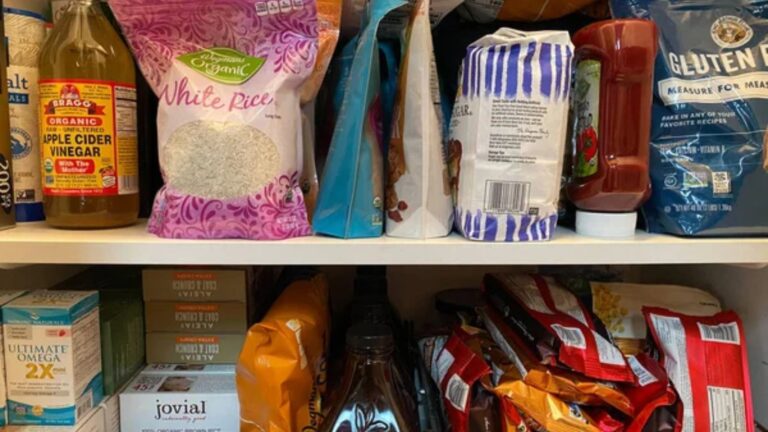
When building a stockpile on a budget, focus on long-lasting essentials like rice, pasta, canned goods, and dried beans. These staples are affordable, have a long shelf life, and provide a solid foundation for meals in any situation.
5. Choose Generic Brands

Store-brand products often offer the same quality as name brands but at a lower price. Opting for generics is an easy way to stretch your budget while stocking up on essentials.
6. Stock Up on Staples First

To cover basic meal needs, start with essentials like flour, sugar, salt, rice, and beans. You can build up from there.
7. Support Local Farmers

Local farmers often sell their produce at a fraction of grocery store prices, and sometimes, they even let people pick leftover crops for free. It’s a win-win—they clear their fields, and you get fresh food without spending much.
A small gesture, like offering a few dollars, can build a good relationship and may even lead to more opportunities to stock up each season.
Farmer’s Market Dramatic Play Kit (Free Printable)
8. Shop at Discount Stores
Stores like Aldi, Dollar Tree, or local discount grocers often have lower prices on pantry staples.
Looking for Cheap Groceries? 13 Best Grocery Stores for Budget Shoppers
9. Build Your Stockpile Gradually
Instead of trying to buy everything at once, add a little extra to your stockpile each week. Prioritize essentials when they’re on sale—if beans are discounted, grab those instead of less necessary items like soda. Small, consistent purchases will add up over time without straining your budget.
10. Stock Up on Protein Sources
Make sure to include protein-rich items like canned meats and peanut butter in your stockpile. They might not be your first choice now, but in a pinch, having shelf-stable protein can make a big difference when fresh options aren’t available.
11. Store Water Gradually
Purchase water in the three- or five-gallon containers that fit those water cooler setups. They will last for years versus the milk jug gallons.
12. Buy Multi-Use Items

Focus on versatile ingredients that can be used in multiple meals, such as oats, rice, beans, and canned tomatoes.
23 Overnight Oats Recipes Packed With Flavor
13. Rotate and Monitor Expiration Dates

Keep your stockpile organized by labeling and tracking expiration dates to prevent waste. When you buy new items, place them at the back and use the oldest ones first—like cooking that bag of beans before opening a new one. This simple habit helps you stay frugal while making the most of what you have.
14. Invest in Storage Solutions
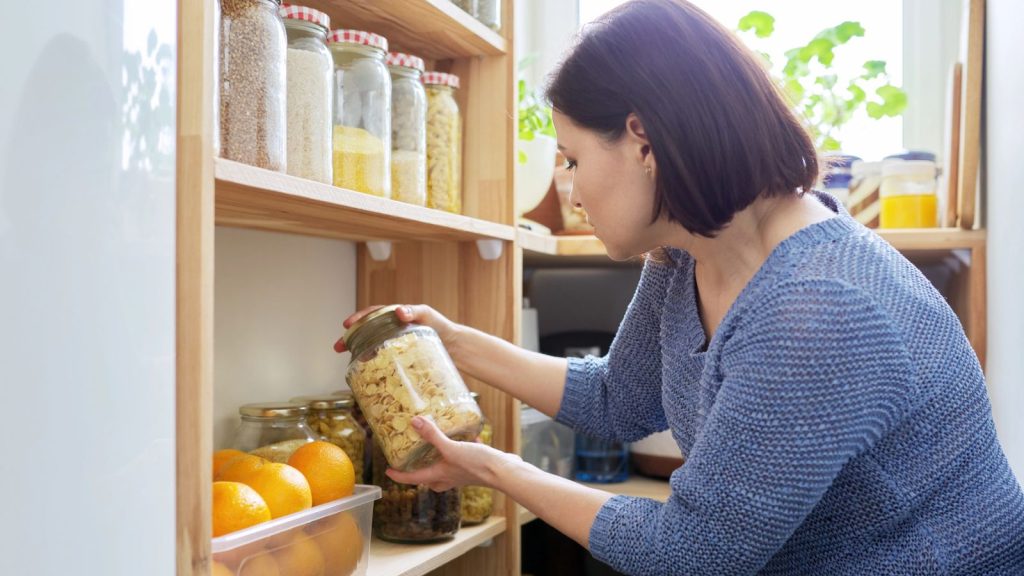
Use airtight containers and shelves to store food properly and protect against pests. Mylar bags are going to be your friend!
15. Stay Consistent and Patient
Building a stockpile doesn’t happen overnight, and that’s okay. Adding just $10 worth of essentials each week will gradually fill your shelves without straining your budget. Stick with it, and by the end of the month, you’ll already see noticeable progress.
24 Foods to Stockpile Now with a Shelf Life of Up to 20 Years

Here are 24 essential foods with impressive shelf lives, perfect for building a stockpile you can count on for years.
24 Foods to Stockpile Now with a Shelf Life of Up to 20 Years
How to Start an Emergency Stockpile When You Can Barely Afford Groceries
Creating an emergency stockpile on a tight budget is challenging but achievable. By prioritizing essentials, setting a budget, starting small, and using available resources wisely, you can gradually build a stockpile that provides security and peace of mind.
How to Start an Emergency Stockpile When You Can Barely Afford Groceries