

We get it. Heading to the grocery store can feel stressful when you’re already watching every penny. The last thing you want to worry about is building an emergency food stockpile. But trust us, having a few essentials on hand for unexpected situations can provide a huge sense of relief.
That said, creating an emergency stockpile on a tight budget is challenging but achievable. By prioritizing essentials, setting a budget, starting small, and using available resources wisely, you can gradually build a stockpile that provides security and peace of mind.
Take Inventory of Your Existing Stock

Before buying anything new, check your pantry, freezer, and storage areas to see what you already have. Organize your supplies and plan meals around what’s available to avoid unnecessary purchases.
Find Free Food Resources

Local organizations often offer free food, meals, and assistance to those in need, including canned goods and other non-perishable items.
Be sure to stay in touch with food banks, churches, and community centers in your area, as they frequently provide resources and support to help families and individuals facing food insecurity.
Set a Budget

Budgeting is important when shopping on a limited budget. Have an amount in mind that you can afford and are willing to spend. Write it down. This can be $30-$50 a month or less, and try your best to stick to it.
Connect with Friends and Family

Let friends or relatives know you’re working on building an emergency stockpile. People often have extra non-perishable food or supplies they’re willing to donate.
Grow Your Own Food

If possible, start a vegetable garden and consider planting vegetables and fruit trees if you have the space. Even small container gardens can provide fresh produce, including vegetables and herbs.
Shop Sales and Discounts

Stay updated on sales by reviewing local newspaper circulars, sales flyers, or store apps to know what’s currently on sale. Recognize the items you regularly need and keep an eye out for discounts.
In addition, Grocery stores often have markdowns on items nearing their expiration date. Many canned and packaged goods are still safe to consume long after the “best by” date.
39 Essential Foods to Stockpile That Never Expires
Use Coupons and Rebates

Look for store promotions, coupons, and cashback offers through apps like Ibotta or Rakuten, online and in the local coupon circulars regularly delivered to your mailbox. Use them to get free or discounted groceries.
Join Facebook Groups and Community Exchanges

Join local “Buy Nothing” groups or community exchange groups on facebook and other social platforms where people give away free food, household supplies, and other essentials.
Get Creative With Leftovers

Remake leftovers into new meals to reduce waste and save money. Use remaining veggies in soups or casseroles and explore recipes online for inspiration. Stretch meals and freeze extras to prevent waste and build your stockpile gradually.
14 Vegetables You Can Regrow with Kitchen Scraps
Shop Dollar Stores

Dollar stores, including Dollar Tree, often have affordable shelf-stable items such as shelf-stable items, rice, pasta, and canned goods.
19 Things You Should Always Buy at Dollar Tree That’s Worth Your Dollar
Learn Food Preservation

Canning and dehydrating food is a cost-effective way to preserve your harvest. If you have a garden, preserving your excess produce will give you food security for emergencies. Make sure to invest in the tools needed for canning and dehydrating.
Cook from Scratch
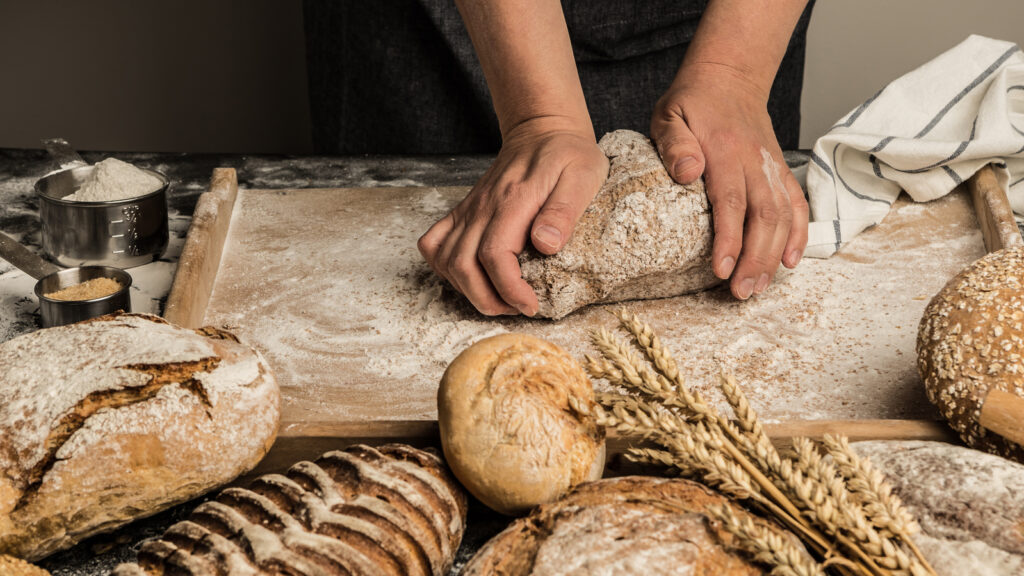
Practice cooking from scratch with the basic ingredients you’ve stocked up. Keep a list of ingredient substitutes on hand to stay flexible with your meals if you’re missing anything.
Learn to Forage

There are likely edible plants growing near you that you’re unaware of. Take a class or read a book on foraging to learn how to identify wild edibles and expand your food options beyond the grocery store.
20 Survival Foods You Can Forage in Your Own Neighborhood
28 Ways to Live Sustainably and Reduce Dependence on Retail and Grocery Stores

Here are some ways to live more independently and cultivate a truly self-reliant lifestyle.
28 Ways to Live Sustainably and Reduce Dependence on Retail and Grocery Stores
28 Pantry Staples You’ll Be Surprised to Learn Are This Easy to Make at Home

What if you could make your favorite pantry staples at home instead of buying them at the store? Making things from scratch is a simple way to rely less on grocery stores and have more control over what’s in your food.
28 Pantry Staples You’ll Be Surprised to Learn Are This Easy to Make at Home






Very good advice. A lot of this I do now but this told me more about food supplies .Thank you for the advice. I will be using it>