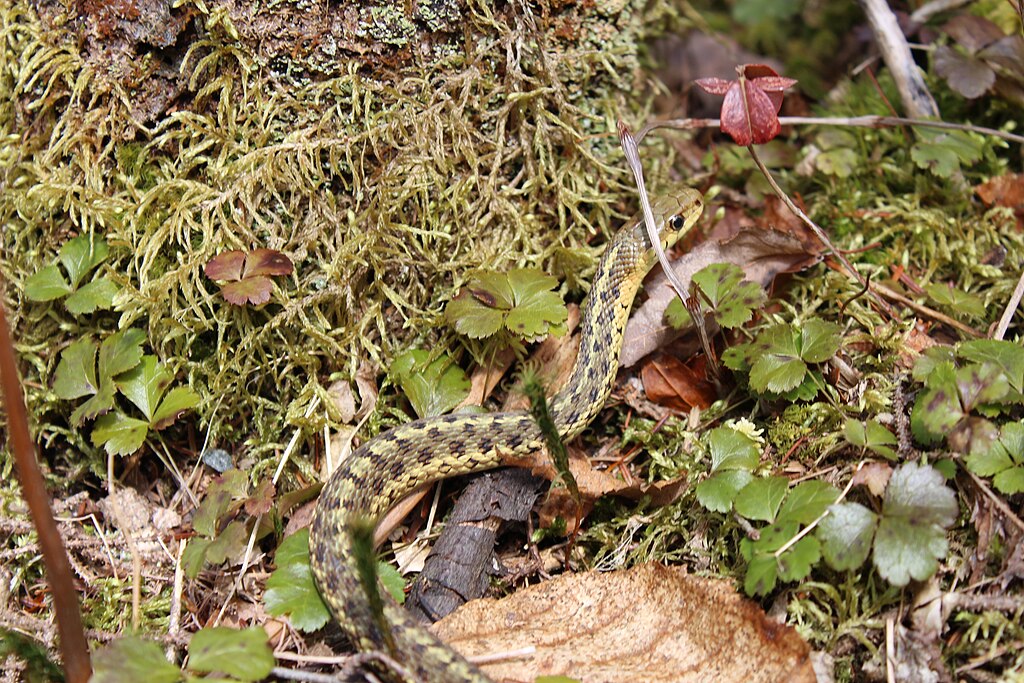
If you’ve ever been surprised by a snake in your yard, you might assume it wandered in at random. But snakes don’t rely on luck; they rely on scent.
Snakes use a highly specialized sensory system called the Jacobson’s organ (also known as the vomeronasal organ). When a snake flicks its tongue, it collects scent particles from the air and ground. Those particles are analyzed to help the snake locate food, identify mates, and understand its surroundings.
In other words, your yard might be broadcasting signals you don’t even realize.
Snakes aren’t drawn to perfume-like smells; they’re drawn to scents connected to prey, moisture, warmth, and shelter. Here are 12 scents that may encourage snake activity in your yard, often indirectly.
1. Rodent Scent
The strongest attractant for snakes is the smell of prey. Mice, rats, and other small mammals leave scent trails that snakes can detect easily.
If rodents are active in your yard or around your home’s foundation, snakes may follow. Sealing entry points, reducing clutter, and managing food sources are key to minimizing that scent trail.
2. Freshly Cut Grass
The smell of freshly cut grass signals disturbance in vegetation. That disturbance often stirs up insects and small animals, which snakes may hunt.
Regular mowing actually helps reduce hiding spots, but thick, overgrown edges and brush piles can maintain the scent and habitat snakes prefer.
How to Put Grass Clippings to Work in the Garden
3. Compost Piles
Decomposing organic material gives off strong earthy odors that attract insects, rodents, and worms, all potential prey.
Compost piles also generate warmth, making them an attractive shelter in cooler weather. Keeping compost contained and turning it regularly helps reduce the appeal.
4. Standing Water
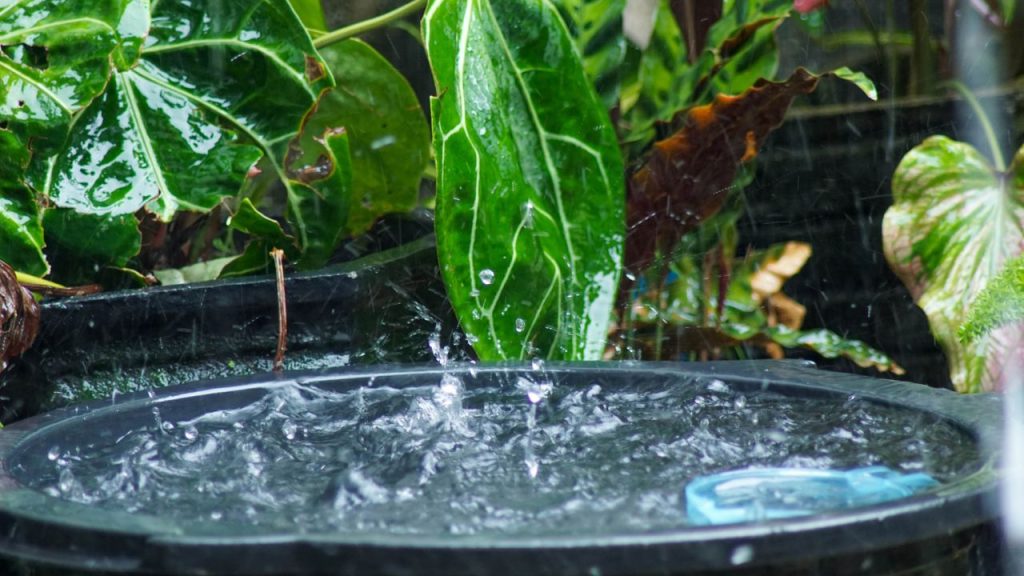
Water doesn’t just quench thirst; it attracts frogs, insects, and rodents. Bird baths, ponds, and poorly drained areas can create scent activity from prey animals.
Refreshing water features regularly and removing unnecessary standing water reduces this draw.
5. Mulch
Mulch gives off an earthy scent and retains both warmth and moisture. That combination can attract insects and small mammals.
Thicker mulch layers and deep organic beds may create inviting habitat zones. Using thinner layers and maintaining clear visibility helps reduce cover.
6. Bird Seed and Feeders
Spilled birdseed carries a scent that rodents quickly detect. Where rodents gather, snakes often follow.
Using seed catchers and cleaning up beneath feeders can significantly reduce prey scent signals.
10 Foods You Should Never Put in a Wild Bird Feeder
7. Pet Food
Leaving pet food outdoors sends a strong scent signal to wildlife. Rodents detect it quickly, and snakes detect the rodents.
Feeding pets indoors or removing uneaten food promptly can minimize this attraction.
8. Plant Overgrowth
Dense vegetation doesn’t “smell” like food, but it holds scent; rodents, insects, and amphibians all leave chemical traces as they move through thick shrubs and tall grass.
Regular pruning improves airflow and visibility while limiting habitat appeal.
12 Plants That May Attract Snakes to Your Yard
9. Woodpiles
Woodpiles retain moisture and warmth and attract insects and rodents. The scent of nesting animals can draw snakes searching for easy prey.
Keeping wood stacked off the ground and away from your home reduces risk.
10. Trash and Food Waste
Garbage odors draw rodents. Even sealed bags can emit scent.
Using tightly sealed bins and keeping trash areas clean helps break the chain between waste and snake activity.
11. Flowering Plants That Attract Insects
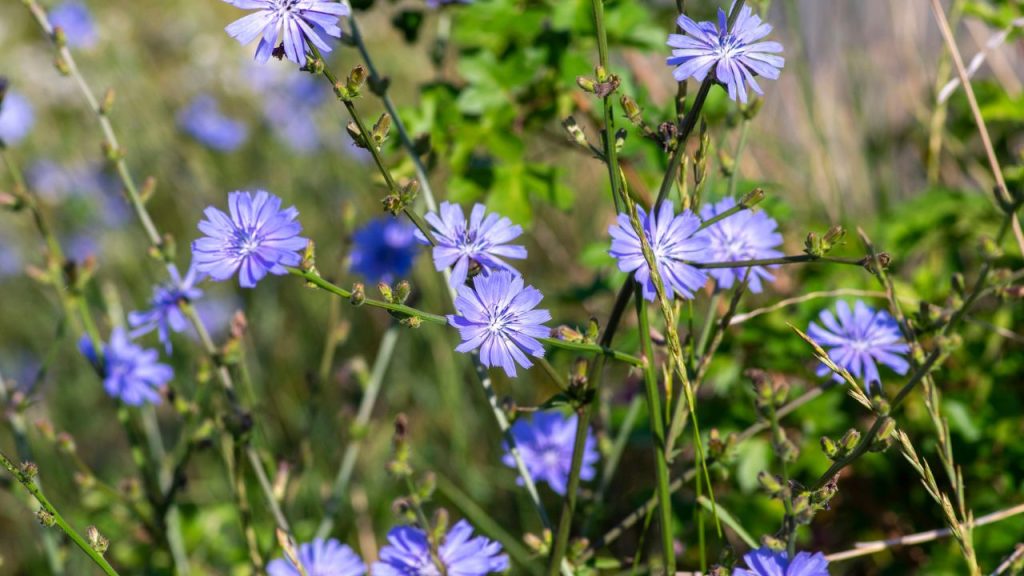
Strongly scented flowering plants attract pollinators and other insects. While this is beneficial for gardens, it can increase prey activity.
Maintaining these plants in open, well-trimmed spaces helps prevent them from doubling as hiding areas.
12. Organic Fertilizers (Bone or Blood Meal)
Fertilizers made from animal by-products may emit odors that attract scavenging mammals.
If rodents are drawn to these smells, snakes may follow the scent trail. Using alternative fertilizers can reduce this possibility.
Other Posts You Might Like
- 20 Strikingly Bold Red Perennials That Bloom Year After Year
- 16 Purple Perennials That Will Bring Your Garden to Life Year and Year
- 18 Shade Loving Perennials to Brighten Your Garden
- These 12 Fall Blooming Perennials Will Be Everywhere This Season
- 38 Perennial Flowers That Deliver Gorgeous Blooms Every Blooming Season