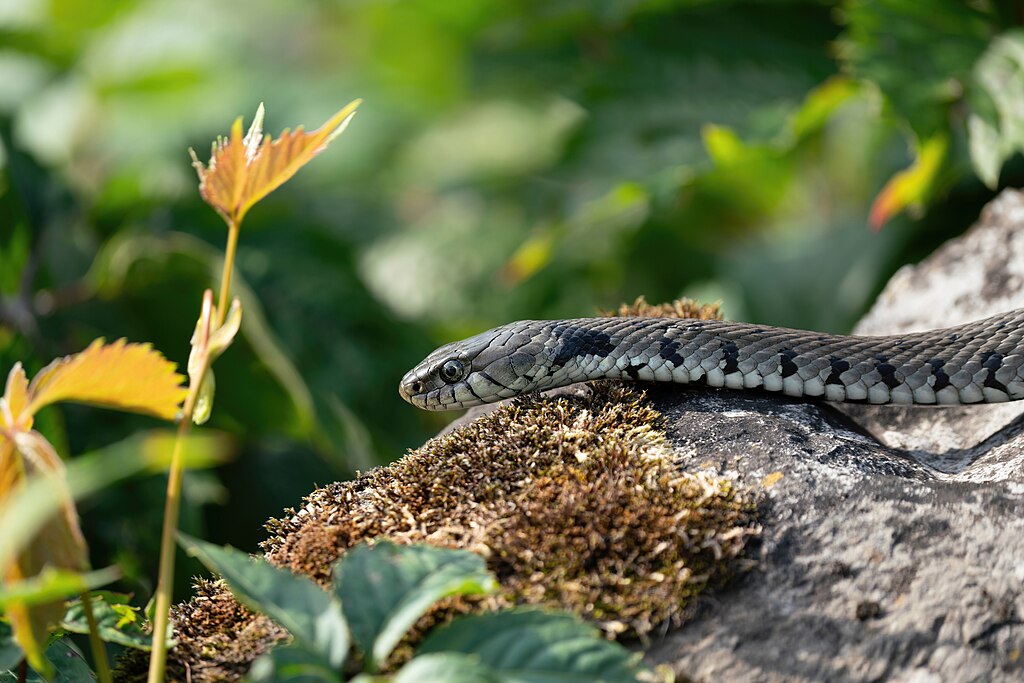
Most of us plant for beauty, shade, or fresh produce, not to invite wildlife we’d rather avoid. But the truth is, snakes don’t show up because of a specific flower or tree. They show up because your yard offers what they need: shelter, shade, moisture, and food.
Snakes are actually beneficial in many ecosystems, helping control rodents and pests. But if you’d prefer not to share your yard with them, it helps to understand which plants and landscaping choices may unintentionally make your property more appealing.
Here are 12 types of plants and garden features that may attract snakes to your yard.
1. Dense Groundcovers (Ivy, Juniper, Creeping Plants)
Low-growing, thick groundcovers like ivy and juniper create cool, shaded hiding spots. Snakes can move through them easily while staying concealed from predators and from you.
If you have dense groundcover, keep it well-trimmed and avoid letting it form deep, tangled mats near your home’s foundation.

18-page quick guide and reference for gardeners dealing with pests that show up the most. From prevention strategies to treatment and remedies, this is the perfect printable for your garden.
2. Tall Ornamental Grasses
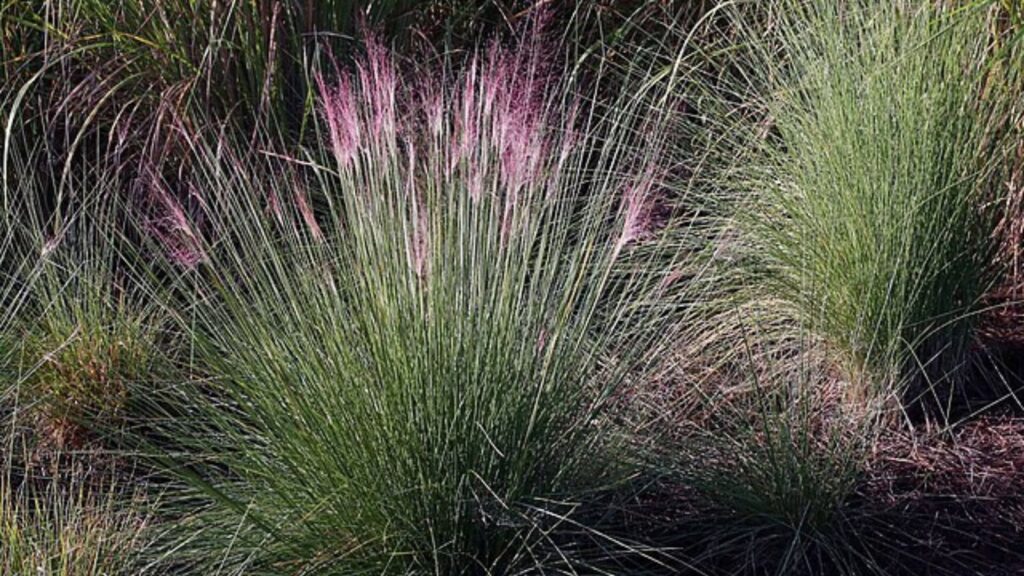
Tall grasses provide excellent cover. Snakes can coil at the base and wait for prey like mice, frogs, or insects.
If you enjoy ornamental grasses, keep them trimmed and avoid letting them form unmanaged clumps, especially near walkways and patios.
3. Mulch Beds
Mulch retains warmth and moisture, two things snakes seek out. It also attracts insects and rodents, which in turn attract snakes.
Using thinner mulch layers and maintaining clear borders between mulch beds and open lawn can reduce hiding spots.
4. Berry Bushes
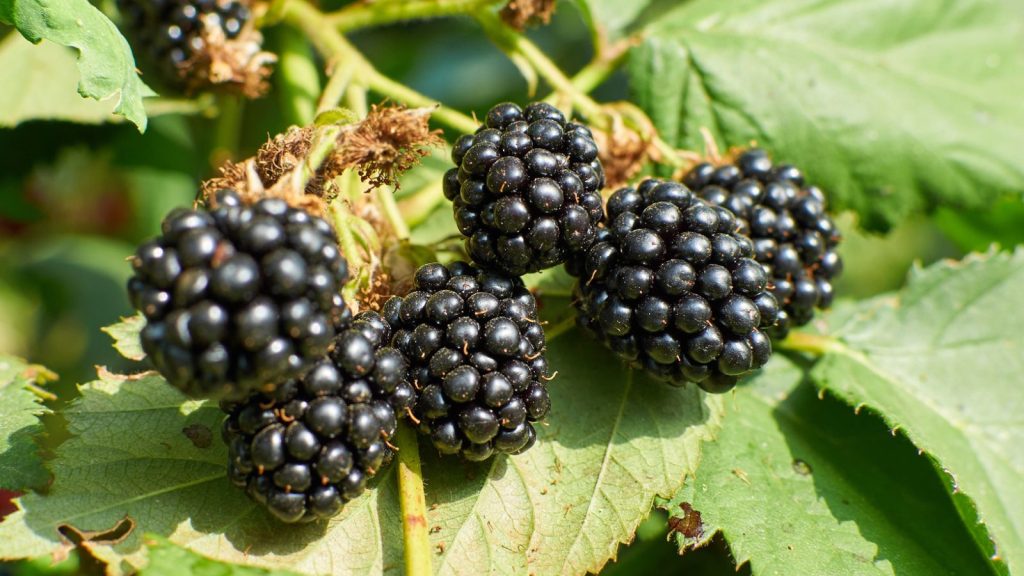
Raspberry, blackberry, and other fruiting bushes don’t attract snakes directly, but they attract rodents and birds that feed on fallen fruit. Snakes follow the food source.
Regularly clean up dropped fruit and trim bushes to keep the base open and visible.
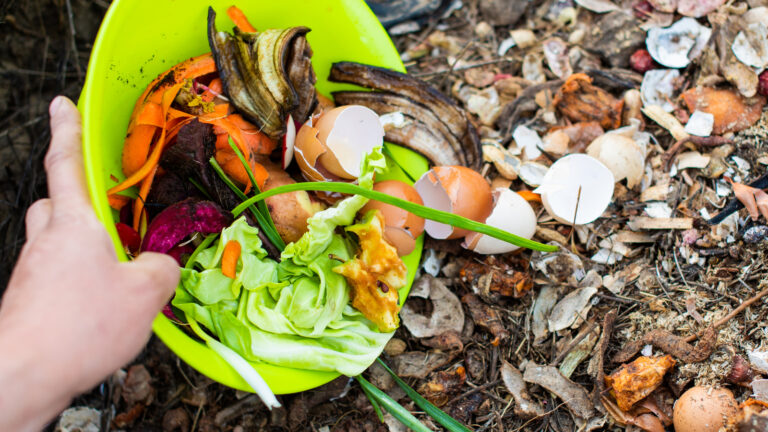
5. Compost Piles Near Plant Beds
Compost piles generate heat and attract insects and small animals. That warm, active ecosystem can easily become a temporary snake refuge.
If you compost, keep the pile contained and away from high-traffic areas, and avoid letting it sprawl into surrounding vegetation.
6. Rock Gardens
Rock gardens create shaded crevices that stay cool during hot weather. Those spaces between stones can make ideal hiding spots.
If you install a rock garden, consider using smaller stones or filling gaps with gravel to limit deep voids where snakes can shelter.
7. Cedar Trees and Dense Evergreens
Thick evergreen branches combined with leaf litter underneath create a damp, shaded environment. Snakes may rest under that cover.
Raking debris and thinning lower branches can reduce the appeal.
8. Flowering Vines (Wisteria, Honeysuckle)

Fast-growing vines can form dense tangles along fences and trellises. These heavy growth areas provide excellent camouflage.
Regular pruning keeps vines from turning into hidden hiding zones.
9. Plants Surrounding Water Features
Water draws frogs, insects, and small animals, all common snake prey. Dense plantings around ponds or fountains add concealment.
If you have a water feature, keep surrounding plants maintained and avoid overgrowth.
10. Cacti and Succulents in Dry Climates
In arid regions, shade from cacti and succulents can provide relief from the sun. The small animals that shelter among them may attract snakes.
Spacing plants and avoiding dense clusters helps reduce hiding areas.
11. Fruit Trees
Like berry bushes, fruit trees attract rodents when fallen fruit is left on the ground.
Promptly cleaning up and trimming lower branches can make the area less attractive to prey animals and therefore to snakes.
12. Thick Bushy Shrubs (Boxwood, Privet, Hedges)
Dense shrubs offer cover and hunting grounds. When not regularly pruned, they create shaded pockets that snakes may use to rest or ambush prey.
Keeping shrubs trimmed and lifting branches slightly from the ground can improve visibility and airflow.
Other Posts You Might Like
- 20 Strikingly Bold Red Perennials That Bloom Year After Year
- 16 Purple Perennials That Will Bring Your Garden to Life Year and Year
- 18 Shade Loving Perennials to Brighten Your Garden
- These 12 Fall Blooming Perennials Will Be Everywhere This Season
- 38 Perennial Flowers That Deliver Gorgeous Blooms Every Blooming Season