When it comes to boosting curb appeal, small trees can make a surprisingly big impact. Unlike towering shade trees that take years to mature and can dominate a space, these modest-sized trees offer beauty, structure, and seasonal interest without overwhelming your landscape.
Many grow between 10 and 30 feet tall—just the right size to make a statement in compact front yards or to fill in empty spots in larger designs. Small trees are often low-maintenance, require less pruning, and are easier to care for than their larger counterparts. They can also bring vibrant color, texture, and movement to eye level, creating a layered, more dynamic look.
From attracting pollinators to increasing your home’s value, these trees do more than look good. Here are 10 options to consider for your yard.
Eastern Redbud

Redbuds are an ornamental favorite that explodes with colorful flowers in March or April. Their pea-like pink or magenta flowers appear in early spring, sometimes before the leaves even emerge.
Blooms grow in tight clusters along bare branches and even the trunk. Redbuds grow 20–30 feet tall in full sun and well-drained soil, thriving in USDA zones 4–9.
Bottlebrush Tree

The bottlebrush tree is known for its striking, brush-shaped flowers that bloom in red, pink, yellow, or cream colors. It typically blooms in the spring and summer, with some varieties reblooming in the fall.
This showy tree is drought-tolerant and adaptable to a wide range of soils. It’s best suited for USDA zones 8–11 and typically grows 15–20 feet tall.
Crabapple (Malus sylvestris)

Crabapples are renowned for attracting birds such as Eastern bluebirds and cedar waxwings. The flowers and buds also bring other pollinators into your garden. Crabapple trees produce small, edible berries. However, note that not all species of crabapple produce berries.
Kousa Dogwood

Kousa dogwood displays its beautiful blooms from May to June, and by fall, it produces edible, red fruits that attract birds. It has tiny, greenish-yellow flowers surrounded by star-like, white bracts.
This ornamental tree can grow to be 15-30 feet tall with a vase-shaped appearance. Kousa dogwood thrives best in USDA zones 4 through 8.
Serviceberry Tree

Serviceberry is an early bloomer that produces clusters of white flowers in spring, often before the leaves unfurl. It also produces edible berries that birds and humans alike can feed on.
Serviceberry trees reach 15–25 feet tall with a similar spread. It’s ideal for USDA zones 4–8 and prefers full sun but tolerates partial shade and most well-drained soils.
Fringetree
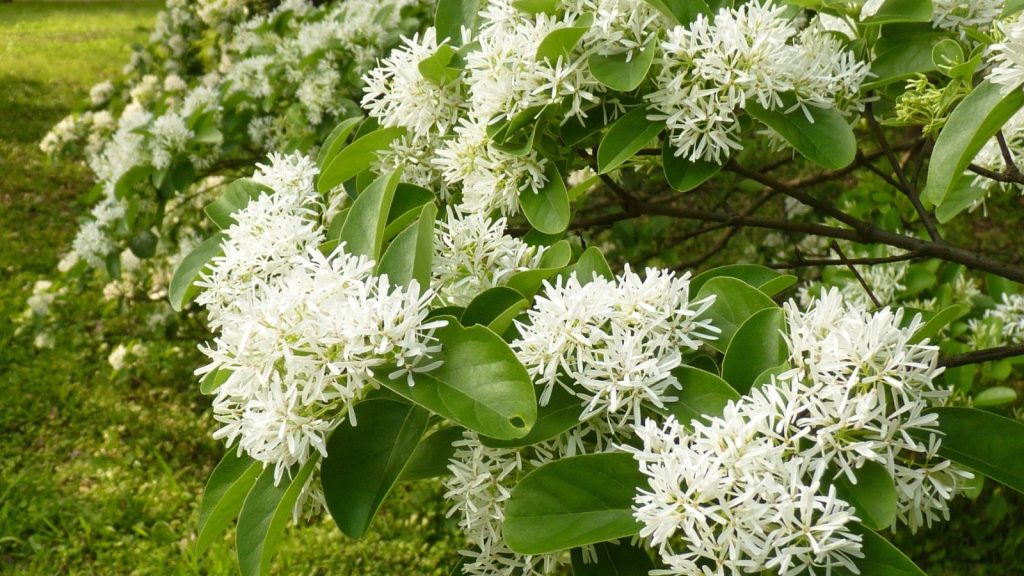
Fringetree is named after its delicate, drooping flowers that resemble a fringe. The flowers bloom elegantly in white and are aligned in drooping panicles. The female trees produce small, bluish-black, olive-like fruit that attracts birds.
They are tolerant of a wide range of well-draining soils and require less watering once established. They do best in USDA zones 3–9 and can grow up to 20 feet tall.
Golden Chain Tree

Golden chain tree yields long, drooping clusters of golden yellow flowers. They typically bloom in late spring, from May to June. This plant requires pruning to remove weak branches and promote healthy growth.
It prefers rich, well-drained soil and moderate moisture. Though beautiful, all parts of the plant are toxic if ingested. This ornamental tree grows up to 15 feet tall in USDA zones 5–7.
Crape Myrtles

Crape myrtles thrive in warm climates and bloom with long-lasting clusters of flowers in shades of white, pink, red, and purple. These low-maintenance trees are perfect for smaller yards or accent areas. Their extended blooming season and minimal care needs make them a favorite among homeowners and buyers alike.
Japanese Maple Trees

Japanese Maple trees are known for their show-stopping fall foliage, offering rich shades of orange, red, and yellow. Red and sugar maples are especially desirable for their broad canopies and cooling shade.
Dogwood Trees
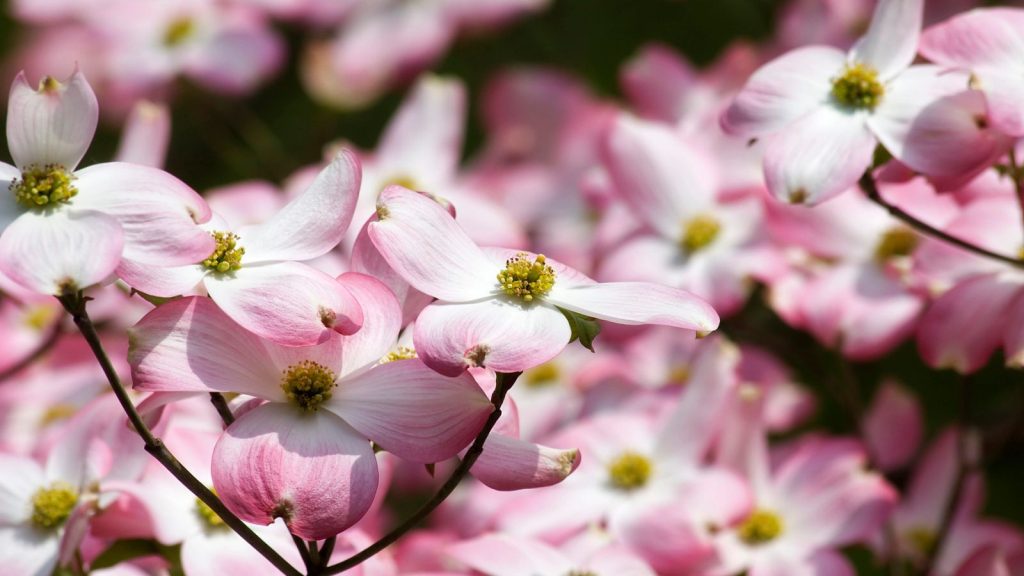
Dogwoods are compact, flowering trees that are perfect for smaller yards or urban spaces. In spring, they explode with blossoms that range from soft white to deep pink, adding seasonal interest and visual appeal. Their manageable size makes them an excellent fit for lining walkways or driveways while still offering impressive curb appeal.